
March 24, 2026
More Than Money: Retirement, Relationships, and Aging Well | Chris Maduri | Ep. 376
Listen to Chris Maduri on The Aging Well Podcast.
Transcript
ShowHide
Automatic captions of the conversation. They can contain errors and do not name who is speaking.
What if the biggest risk in retirement isn't running out of money, but drifting apart from the person you're retiring with? Welcome to the Aging Well podcast, where we explore the science, stories, and strategies that help us live longer, healthier, and more purposeful lives. I am your host, Dr. Jeff Armstrong, an exercise physiologist with a passion for making science simple and life better as we age. My guest is Chris Maduri, who has spent nearly two decades helping people plan a predictable retirement. What sets Chris apart is that he doesn't just talk about numbers.
He talks about people. Chris works with couples to help them emotionally align around what retirement is really going to look like. How they'll spend their time, how they'll handle change, and how they'll grow together instead of growing apart. His work fits perfectly with this podcast mission because aging well isn't just physical, it's relational, emotional, and deeply human. Chris, welcome to the Aging Well podcast. Let's start by having you just tell us a little bit about yourself and what led you from financial planning in retirement to emotional alignment.
>> Wow. Well, thank you for having me on. Um, so I had been working as a uh a wholesaler and financial planner and you know everything's been going well and I'd say once I got into my 40s had a little bit of a a spiritual breakthrough if you will and um I had been coming on and coming on and really just getting in alignment with God and my purpose. felt like I'd been um in a job, you know, kind of doing a job and helping people, but the motivation was purely for you know, financial purposes. And as I um you know started growing in my faith and started growing in my spirituality um spending more time listening than just you know whatever my thoughts were taking me to.
It kind of felt like the messages were coming through and the breadcrumbs were being left. And uh yeah, that's kind of how I got here, just following the breadcrumbs more than anything else. Wasn't really one one uh catalyst or one moment. >> It fits perfectly within the theme of this podcast where we are we are transforming as we go. And you know, we've our listeners and viewers know what we've kind of evolved from what I'd call well-c centered fitness to to now our spies model with the spiritual, physical, intellectual, emotional, and social.
And we're really leaning into transformative aging that it is more than just planning for retirement or planning not to get sick or planning to live longer and how we're going to do that. It's it's about that spiritual piece. And you you can't separate aging wealth from the spiritual. And so I'm really excited to have this conversation. So a after nearly 20 years in retirement planning, what surprised you most about what really makes retirement succeed or fail? >> Wow. I think that's a really great question. Um, I would say the planning, but not just the financial planning aspect of it.
Um, really taking the time to get honest with yourself and get honest with your spouse, but what you truly want, where you want to be, how you're going to spend that time, how you're going to make that shift. Because so much of our identity tends to be wrapped up in what we do, right? what we do is who we are for a lot of people and you know whether you're a police officer or a CEO once you're in retirement a lot of that changes and you know um can almost have like an empty neester syndrome in a way where there's a loss of identity.
So planning for how you're going to spend that time is really going to determine whether the retirement is enjoyable or whether it's just kind of going through the motions and whether there's more loss than gain on that side. >> So from your experience, why have you found that so many couples are preparing financially for retirement but not emotionally? I think we put off the difficult questions and we tend to be on the treadmill of life and the biggest concern in retirement is obviously running out of money. So that's kind of our benchmark and really where we focus um you know most of our time.
Um we don't find a lot of stillness in life, right? we're going. We have kids going on. We have life that's happening. And if you don't t take the time to kind of sit with yourself and really explore within you um your own, you know, true the wants, the the deep wants, right? Not the ego wants, >> but what's really taking place inside of your body and inside of your soul. >> You're kind of led by your ego instead of led by your spirit. >> That's a great answer. And so what does emotional alignment actually mean in the context of retirement?
We get deep on this show. >> Yeah, no kidding. >> Can you give me that one more time once since we hopefully edit? >> I don't think there's any need to edit here. I think you know sometimes it's challenging questions you got to think a little bit on them and and so what does emotional alignment actually mean in the context of retirement? >> I would say really being authentic and true to yourself in terms of what you actually want, how you want to spend that time, and what's going to be fulfilling to you. Right? This is the first time in your life since you were a child that you truly have the freedom to pursue your passions, right?
And that's a lot of why I do what I do is to help people find that freedom and getting in alignment with what you actually want, what's going to matter to you. Um, you're kind of in the fourth quarter of life, right? So, this is what your legacy is going to be. And yeah, I think that the the emotional component and being honest with yourself about what am I feeling? I'm feeling new things. I have time to look around. I have time to, you know, smell the roses, learn a new hobby, paint, whatever it is that you want to do is there.
Um, but we're reluctant to do new things. We're reluctant to take chances in life. And you know, without that honesty about what we want, we can kind of just wake up and it just becomes Groundhog Day and we get up, we have breakfast, we sit on the couch. Especially, I mean, let's be honest, as men, I think that's a bigger challenge than it is for, you know, for females that have um a lot more um around them, right? They might have a a a social network. They have friends. They have um you know they they fill time a lot better than than we do.
We tend to >> things. >> Yeah. I was in Colorado recently and you know got to spend a couple days with a friend of mine that we knew from back in Michigan and he retired I guess it was about 5 years ago and he was feeling really kind of down about how you know he's he's realized how you know the friendships and the relationships that he had at work you know they they didn't stick around you know and he thought that you know you think of people that you work with as friends but then once that work relationship ends, so do those a lot of those friendships.
And you find yourself much more alone and in need of friends. Whereas, like you said, women are much more likely to maintain friendships and they have friendships outside of the work environment and things like that. And so when they retire, great, they got all their friends and they can go do whatever they want to do. And we guys just kind of sit around. It's like, I'm lonely. I have no friends. And then you're afraid to talk about being lonely. Yeah. Yeah. We're afraid to really get in touch with our emotions and experience, you know, the uh the es and flows of life.
And and for a lot of us, we see it as we're having kids and your group and the people that are your, you know, your natural um become your natural social group. So whether it's, you know, the kids in your class or on your sports teams or, you know, in your career and making friends is a it's almost a weird like a foreign thing to males. >> I'm like, wait, I have I think I made about five friends since high school like independently of my wife. Um, but the interesting thing is that when I started doing new things and really looking at what I want to be doing, even if it's not what um, so I spend my time outside.
I love to exercise. Um, I love doing yoga. I also love doing boxing. Those are the you find your tribe because you have like interests, but if you're never doing anything, it's going to be tough to find that tribe. or if you're doing things that are uh you're kind of being forced into instead of you know what you actually want to be doing. Um it's going to be tough to find a you know your your aligned network. >> Yeah, that can be tough too as well in retirement when so many people are not retiring in the same community they've worked in for, you know, the last 40 years.
You know, you move to Florida, you know, you're from the East Coast, you know, you know that most people in Connecticut are going to be moving to Florida when it's, you know, time to retire. And so you moved to a new area and then it's suddenly you don't have those connections. >> Yeah. And I know from my my dad and his his wife um my dad passed away about two years ago and I talk on a weekly basis with my stepmom and you know she is so glad that they made the move from where they were living just north of Phoenix kind of south of Sedona and Arizona to Tucson where they moved into more of a um I know that the the terminology isn't supposed to be continuous care community anymore, but that's kind of more or less what they moved into.
>> And she is so happy cuz after he passed, she's like, I I have friends, I have activities, and so much I can do that if we had stayed where we were, I'd be alone. And so, you know, having those opportunities to make connections once we kind of hit that wall of just, okay, life changes, we're no longer working, what next? Yeah, it's sometimes we need to be forced out of our comfort zone in the sense you know to really get there. We rely on our spouses so much. Um >> and particularly for men, you know, I think about that and go I was blessed to have a mother that took care of me, wife that takes great care of me.
Um >> a lot of times when you know the unfortunate thing is that when the female passes first, the male passes shortly thereafter. Because the reason to live it's like a lot of those eggs were in one basket. Uh we don't know how to make friends. We don't really care for ourselves in that way of you know we know how to find food and you know basic essential >> but um you know and a lot of times we think that we'll spend time with our kids or our grandkids maybe in generations past but unfortunately the way that the economy goes you often times can't afford to live in the same city as your parents or work relocation and and life happens you could find yourself alone really quickly.
Um, you know, and the blessings come in different ways. So sometimes, um, you know, the end of one season is, you know, the beginning of another one. If you're enjoying the Aging Well podcast, be sure to like, subscribe, or follow on your favorite platform so you will never miss an episode. And if you find our conversations helpful, please share the podcast with a friend because aging is something we're all doing and we're better at doing it together. and support our guests in this podcast financially by visiting the affiliate links in the episode description below and use the links or codes provided for discounts on products we have vetted and feel comfortable recommending to our valued viewers and listeners.
Thank you. And now back to the podcast. So in regards to partners as they retire, what are some of the most common disconnects you see um with partners spouses as they retire? I would say how we're going to spend money is, you know, generally the biggest one. Um, and what we want to be doing, you know, kind of being in alignment or coming to an agreement of how we're going to spend time, right? You had mentioned travel. And, you know, often times one partner may want to travel, the other one may not want to travel.
Um, you know, one may want to do social things, one may want to stay at home. You know, for some people their dream retirement is, you know, sitting in a nice cushy uh lazy boy lounger and then uh you know, watching TV. It sounds horrendous to me, but um you so really getting in alignment about what we want, where we're going to live. Um I would say where we're going to live is probably the biggest one. Um whether we're going to keep this house, um you know, do we want to be close to the kids? Do we want to uh you know live in warm climates?
Those types of things are probably the you know the biggest um the biggest decisions that we have to make. U I would say how we're going to spend money is probably going to be the other big factor. U everything changes when you get into retirement. So going from, you know, financial planning and growing your assets to spending down your assets just psychologically has a major impact, right? You start spending them down. Now you have this trunch of money and it has to last you for the rest of your life. So you're looking at spending and going, "What?
What'd you buy? Oh, you want to go out to dinner? All these dinners are taking up all of our money. Can't we just eat at home? I'll have cereal." You can imagine which side of which party's on which side of that conversation. Um, but that scarcity mentality in retirement can take such a psychological toll and add unnecessary stress, right? And then you have stress and now we're at odds and it's just the harmony and the peace and the energy inside of the home becomes really strained unnecessarily I would say by you know when it could be solved by proper planning putting some other things into place um you know and and probably having very honest conversations with one another.
Yeah, it seems like retirement is so much more challenging now for you, my generation, your generation because you're a little bit younger than me. But, you know, it's it's a lot more challenging because we're living longer, but then, you know, health care costs so much more. You know, cost of, you know, where am I going to live? What if I get sick? You know, will I have care? If I need care, can I afford care? And if I'm living longer, whether I'm living longer healthier or I'm living longer sicker, it's costing more and more money.
Whereas, you know, my my parents generation, my grandparents generation in particular was generally, you know, you retire in your 60s and then you have about 10 more years and then that's it. Now it's like you potentially live another 40, 50 years. And how do you plan for that? And my my goal was to live to be 120. I mean, that's I want to >> I jokingly say I want to go to Brian Johnson's funeral, but um you know, but I got to think about that is like, you know, I'm college professor. We don't make a lot of money. I got my retirement fund, but as long as the economy continues, I can be okay.
You know, my wife has planned a lot better than I have for retirement. But, you know, you got to have money available or you have to have some source of income. And you know, >> I might want to work, my wife might want to travel. How do we do that? And how do you avoid the resentment of, "Wait a minute, I'm still working and you're going on vacation all the time, spending the money I'm making. What? That's not right." And so, what role does communication play in starting and building a more stable retirement? >> It's huge.
and and the earlier you can start and the more honest you can speak the better because all of those details how we're going to spend money um how we're going to invest the assets to carry us through the rest of our lives are hugely important. you know, um you had mentioned um health care. Long-term care is probably one of the biggest factors that is going to determine the success of your retirement because if someone has a protracted, you know, long-term care event, everyone thinks, oh, I can self-fund, but you're not talking about potentially a hundred $200,000 a year.
Unless you have a, you know, a couple million dollars just sitting on the side, it's impossible to get through that without materially changing your retirement, >> right? >> So, you know, after we've developed this trunch of money and you kind of go, all right, we've always been investors. Retirement's about balance and balancing insuring and investing. So, what measures are we going to put into place by taking those assets and saying, "Okay, should we buy a long-term care policy? Should we take a portion of our money to provide a guaranteed income stream?" Because, as you mentioned before, our parents and prior generations, they had pensions.
you know, when there was a great statistic about social security and um when it came out initially, you had to be 65 in order to claim social security, but for a male at that time, your life expectancy was 59. So, social security was designed to last like a negative 5 years, not 30 plus years, right? >> You know, however long we have to support people. Um, so just kind of taking the steps to put things in place and how we're going to commit that money is a big part of the conversation and in that component is to say all right now as again men and women women tend to look at things more of okay what's the worst case scenario I want to make sure that I'm covered on the worst case scenario where the male might be looking at what's my return how can I grow and it's striking that balance is to say we have to plan for the worst case scenario and also allow for growth so that we can maintain our lifestyle, we can combat inflation.
So you don't want to take the money and shove it under the mattress, you know, or um you know, something like that. But making sure that you're taking an appropriate amount of risk for your age and for your lifestyle, I think that's a big piece. Um, you know, there's kind of different approaches that you can take to retirement. And for a lot of people, for myself, let's just say as an example, I'm a conservative person by nature. That worst case scenario is going to be very important to me. I want to know that I always have money coming in the door.
I would rather commit a portion of money to that and to ensure that I don't run out of money than saying, "Oh, okay. Well, if I get this amount of growth, then I can be buying boats. I can be living this type of lifestyle. I can leave this much money to my kids. You and unfortunately, you have this one pile of money that you're asking to do a lot of things. Sometimes it does all of them very poorly. So, >> um and and generally that's um based on the level of risk, right? Because if you're the let's say you're invested in the markets, right?
um both the fixed income or the equities markets and you're constantly recalibrating, right? You're waking up in the morning, you're looking at CNBC going, "Okay, what's the market doing?" Oh, okay. Those stressors that are on one's life is going to have an impact on your health. It's going to have an impact on your enjoyment. Um you know, and what your retirement looks like. So, I would say the more um stability that you can put into place, the more guarantees you can put into place, the better off you're going to feel on the inside.
Doesn't necessarily mean guarantee a positive outcome, but for me, having that peace of mind is critical in retirement. >> Yeah, that's how I am, too. And and I'm not I'm Scottish by, you know, ethnicity, so I'm pretty cheap. I mean, I'm the stereot stereotypical Scotsman, but you know, I I can really cheapen down and spend down and everything else, but yeah, I want just that easy security. My wife is the one that's going to take on more of the stress in terms of worrying about where the numbers are. And so, you just got to, you know, you got to relax.
I mean, it's it will be what it will be, but you know, we do what we can do to, you know, manage things as best we can, but we can't stress over it. >> No. And and yet it's something we really have to have those conversations. And so you know what happens when one partner is excited to retire and the other is anxious. >> Divorce comes, right? >> Yeah. Yeah. Exactly. The great divorce has been coming up a lot lately. >> Um you know, which actually is a you know, becoming a bigger thing. Um, it's really, I think, coming to an agreement.
You don't always have to see eye to eye. One person wants to work, you can continue to work. One person, you know, wants to retire. I always feel that you make the decisions for yourself, right? Everybody's allowed to, um, you know, kind of choose and do what they want. U, it's harder when one person's saying, "No, you need to keep working >> while I want to want to retire. Um, but I would say, you know, getting on the same page and having a little bit of wiggle room, you know, and, um, you know, it's not a an on andoff switch, right?
There's different ways that we retire. Some people quit working and then, you know, move on. Some people scale down, some people do consulting, um, you know, volunteering. It's just finding the ways to fill that time that are going to be meaningful. um you know both financially, socially, personally, you know, in all of those regards. >> So, it sounds like emotional alignment isn't necessarily being on the same page. It's just more or less kind of being in the in the same chapter in the, you know, with the same goals and, you know, purpose going forward.
>> Yeah. >> Does that make sense? >> It makes sense to me. Yeah. I mean, you you You don't necessarily have to agree with somebody in order to I know it's very counter to where we are today in society, but you don't have to support somebody in something in order to say >> I respect that. >> I can, you know, I'm okay with that. That's your decision. That's your choice for you. >> I might make a different choice. You know, our job is to love people, not to judge them. So >> yeah, and as we talk about this, the more I like that idea of emotional alignment because again, we can be intellectually different.
We can, you know, have different hobbies, goals, purposes, and all that. But the emotional piece is where we're able to is using our spies model to pull together that, you know, spiritual, the physical, the intellectual, and then lead that into the, you know, having a healthy social relationship. I always consider kind of that emotional piece to be the keystone of our spies model that it holds the things together. And if we're not emotionally aligned, >> then we're going to run into all kind of problems. And how do unresolved relationship issues begin to surface during retirement from your experience?
>> Well, there's a lot of stuff that you probably saw it in CO as well, right? Where if you're working, you're not necessarily seeing each other all the time. You're not spending all of this time together. Um, when you really start being around that person, I'm a big energy person. And I think emotion and energy is really uh they go hand in hand, right? Because everybody kind of emits a certain frequency and being around that person and be that's where I think being in alignment uh two people don't necessarily have to be happy or experience the same emotion that's going on, but you would hope that um you're able to um that your energies are kind of in alignment, right?
where uh we're treating each other with respect. We have um whether it's the same goals or the same interests, they don't necessarily have to be, but the harmony inside of the home is going to be kind of determined about how um how much stress and how connected we are. I think is kind of tied to um what frequency we're on. I know it's a little bit Well, you're you're a West Coast guy, so it's a little bit more woo woo than >> Yeah, I haven't bought into that West Coast woo woo stuff, but I'm more I'm more East Coast woo woo.
Well, it's um yeah, it's a I think it's a big component and I think the you know this the spirituality piece, the faith piece and um you know all of those are just finding the time right finding the time for stillness, finding the time um to allow, you know, to observe, to appreciate the beauty of what's around you. Um, those are things that as you get older I think are just so much more critical. Like I think there's a reason that the universe slows us down a little bit. So that we have time to appreciate that and to realize that all of these things, you know, we're we're human beings, not human doings.
right? >> Um and that human element and having grace for each other um and an appreciation for for what we do for each other. You know, it's this is all based on mindset. I think emotion and mindset are, you know, kind of go hand inand in that sense. Um what we believe is produces what we think, right? Because we kind of look for the evidence to support our beliefs. And if we if we have those thoughts about our spouse in particular about, oh, he's so this, she's so that, you look for the evidence to support it, you're going to find it, right?
Because we're human. So, we have days that we do this, we have days that we do that. Um, you know, so that that that mindset about um how we view our spouse is a critical component as you start spending more time together. >> Yeah. It got me thinking of the uh Pierre Tihard Dishardan quote. He's one of my favorite um he's both a Jesuit priest and a paleontologist and I've loved his readings and he talks about how we are not human beings having a spiritual experience. We're spiritual beings having a human experience and I think that really speaks to this idea of emotional alignment and you know our our spies model.
But what does aging well together look like to you? You know, you're married, so you and your wife, I'm sure, have already had these conversations, otherwise, you know, have to call you hypoc, right? >> So, what what are you looking at? >> Yeah. Um, I think for for us and again going back to CO was it was a weird time. So, my wife travels quite a bit for work. Um, we had the benefit of spending a lot of time together going, "Wow, you know, we have time to have conversations that we weren't able, you know, able to have before.
We have time to figure out how we like spending time together. We couldn't be more different in terms of how we are, you know, how we're built as humans, but finding those, you know, common elements outside of the kids. There's only so many conversations that you can have about about the kids. Um, and I think aging gracefully for us is going to be just spending more time together. Um, sharing in each other's interests, sharing in each other's hobbies. Um, probably going to be in warmer climates, I would say. Hopefully, since it's 3° here in Connecticut today, um, you know, but as we as we age, my hope is that we get to know ourselves better.
we get to know each other better. Um, you know, we just get closer to God and, you know, continue on our purpose. Let's take a brief pause to recognize one of the affiliate offerings that help support the Aging Well podcast. As always, we're not sponsored and we don't accept paid placements, but when you use our affiliate links, it helps us continue producing this show. One product I genuinely enjoy is Firefly Organic Coffee, available through Jigsaw Health. It's thoughtfully sourced, organic, and crafted for people who care about what goes into their bodies, not just what wakes them up.
I vetted it, I drink it myself, and I appreciate the care behind how it's made. If you'd like to support the podcast and check out Firefly Organic Coffee, you'll find the link in the show notes. Now, back to the show. I I love how purpose keeps coming up and I always spell that purpose with a capital P as opposed to the small P purpose. And I think that's one of those transitions that we have to think about as we're moving into retirement is what is that big P purpose? Why why are we here? What do we what impact are we intending to have or not have which could be a problem going into our retirement years?
And how do we see that aligning with our spouses and our partners and you know our children even? I mean I think we haven't really talked about the importance of having these retirement conversations with the kids either because that's important because if your kids expecting that you know they're going to be left this big pile of money when you you know you pass away >> you know you got to have a little bit of re you know reality conversation with them. was like, you know, the economy doesn't work quite that way anymore.
And you know, I love that my dad basically told me it's like, you know, we're going to spend down our money, you know, and I'm like, I don't I don't want you to leave me any money, you know. I want you to, you know, hopefully maybe, you know, you live financially well enough that there's money left over in the end. I don't want you to spend your last days counting pennies, but you know, I don't want there to be this big pile of cash because that means you didn't live your retirement to the fullest or you died prematurely.
And so, >> you know, >> we shouldn't have that expectation that we're getting anything from our parents. They should enjoy their retirement years and >> yeah, >> you know, their legacy be what they've passed on to us emotionally and spiritually and everything else. So, >> yeah. But having those conversations is critical um >> in both directions you know so that there is a set of expectations for folks that are not going to be leaving a lot um you know to their heirs and on the other side of it because you know from a financial standpoint we don't want to have the conversations right I don't know about you but I heard the terms even Steven a lot when I was you growing up um and that as parents you want everything to be balanced between the two.
But you really have to consider your kids and what's going on in their lives, right? If you have a two children, you know, let's say one's a high income earner and the other one's not, and then let's say you have a bunch of assets like a house and then you also have a bunch of, you know, qualified money. If you give the house to the person that doesn't have a lot of money to pay for it, that's going to be a problem. If you give a bunch of income to somebody that already has a lot of income, you're giving them a tax time bomb, you know.
So really, um, having those conversations and bringing the next generation in to those planning meetings so that we can all be on the same page. There's no surprises. And, you know, kind of you'd love if it was just a natural handoff as to say, okay, here's the person you're going to call. Here's what you can expect. What can we put into place while you're alive so that when you're gone, that's a really tough time. You're processing so much. You don't need the added stressors. I think that in retirement is how can I reduce the stress?
How can I make this as seamless as possible? And all of this comes from having like really authentic conversations with everybody, you know, whether it be your partner and um this and that. And then that's another you in terms of um disagreements, how we want to leave the money to the kids versus do we want to spend the money. There can oftenimes be a divide on that one as well. Um but uh the good news is that all of these problems can kind of be avoided simply by talking about them and addressing them, >> right? Unfortunately, as a society, we have a lot of communication issues and we we tend not to lean into the fact that we we just need to sit down and talk to one another and feel free to disagree, >> but you know, come to some sort of resolution or at least inform one another.
You know, if we know our differences, it's a lot easier to interact than it, you know, you're just making assumptions about the other person. >> Totally. I mean, supporting there's a tendency to say we have to support everything that's going on, but supporting people's bad decisions is not a way of loving them, right? Versus if you see someone going down a path, the loving thing to do is to offer help, offer counsel, um, you know, those types of things and without judgment, you know, so that we can talk to our kids about what's going on in their lives.
We can talk about, you know, I'm a dad and I have my hopes for what my kids do in their lives. My hopes and dreams for their lives are inconsequential. What they want in their life and is really what's going to determine what they do. And you know, I can offer support and I can offer love and if they're going off track, I can pray for them to come back um while still not judging what they're doing. That's >> right. I know we're going a different direction there. >> No, we're not. I mean, I I think that's the whole point of this conversation is that retirement isn't strictly financial or physical from that standpoint.
You know, it's not about >> Yeah. >> longevity. It's not about, you know, living longer, taking care of health and our finances. It's about our spiritual, emotional, intellectual well-being as we, you know, enter into our golden years as they call them, right? >> Yeah. And so, you know, what we're having here is a spies conversation. You know, it's dealing with the spiritual, physical, intellectual, emotional, and social aspects of retirement. And it's, I think, something that we don't talk about. And I think that's why to me, this is the aging well podcast because I have people unlike you that can help align us in the proper ways to be able to age well.
>> Yeah. Yeah. We got to get people trying new things, right? I mean that that's we're just programmed to make life efficient, right? How can I do it faster? How can I >> and there tends to then you get that groundhog, you know, Groundhog Day effect and you come into retirement, you got all this time and you don't have any interest in trying something new, you know, >> like pickle ball or, you know, ma jang or there's a lot of activities that are that are available um if our minds are open to them. But if our minds are closed off and we only see things a certain way, we're going to miss out on so much.
>> Oh yeah. >> Um yeah, we're going to miss out on a lot of people that we probably would have really enjoyed spending time with. And you know, if we could just get over the the idea of something new and put our egos aside and, you know, kind of get a sense of what our spirit actually wants and craves, um, you know, life can be really beautiful. Of >> course, that's probably easier said than done, but what are some practical steps that couples can take to align emotionally before they retire? Um, I would say the the biggest thing is finding ways to talk to each other, coming from a loving place, right, where um we're all human, right?
We have different ways of talking to each other. I'm generally a non-confrontational person, so I'll, you know, put things aside and not saying them doesn't really help, right? being able to not only give but to receive feedback, you know, from somebody so that we can make changes. You don't have to necessarily change who you are, but you have to find a place where you can speak honestly to one another about what you want. Because if you don't feel like you can talk, then you know that's how things kind of go from being small things to just kind of, you know, blowing up and going, you know what, I'm out.
You're like, I didn't really see that coming. You know, if you if if you're not receptive to it, then you're just going to be um putting yourself in a position for failure, you know, versus success. and we end up tolerating life, tolerating one another. And it doesn't have to be that way, right? I think that communication and love and focusing and for me it's seeing somebody through God's eyes, right? Offering forgiveness. Um having self-control to not say the things that you know, you know, you shouldn't be saying to somebody.
Um, you know, just finding the love for one another is um we spend so much time focusing on our needs that it really be kind of takes a hold of us and we're searching for how this is going to work out and how I can make this happen in our own strength instead of looking around and going how can I help, how can I serve, how can I and you start doing those things and going, "Oh, wow. Now my heart feels full." >> Right? It's not that my bank account's full, but my heart's full. Right? I can make somebody smile. Being attentive to kind of look around and see what needs to be done.
Um it's a huge huge, you know, um part of finding our own uh purpose in life, right? And and finding the places that we need to be. Um so yeah. Yeah. that honesty and you know maybe maybe a joint like reading of like the five love languages I think is also probably helpful you know to really understand >> my wife has been on me to read that book she talks about >> you got to you got it >> I don't talk in love languages I just >> yeah so now now you're forcing me I might have to to read that >> what's really eye opening for me was getting a sense of myself cuz what I think I need versus like really what's underneath.
Like you get past the surface and you go, "What do I really need here?" Um, our pride kind of tells us that we don't need anything. I'm like, "Oh, no. I'm I'm definitely a gifts person, you know, and and you go, no, I really need somebody that's giving me words of praise." You know, those things kind of, you know, pick you up. But understanding what the other person needs is huge, right? Because >> if you know I I I would say let's say somebody I might look at it and go, "Oh yeah, I'm going to buy my wife gifts." If my wife is an acts of service type of person, the gifts kind of go unnotice, right?
She's going, "You're not doing anything here. You're not doing anything for me." But if I don't know that, I'm only seeing the worlds through my lens, >> right? Um but you know the book aside having those conversations um about life and whether you're if you're not comfortable having them say bringing in a third party you know we everyone's wants to avoid like marriage counselors and things like that. Sometimes having a third party in the room is really helpful so that you can kind of even if it's just to direct the conversation and to ask questions on your behalf that you may not um you know want to ask because you know if you talk about emotions a lot um that's probably been the biggest shift in my life.
Um, I am someone that is a hyper sensitive person and can get triggered easily and those triggers would impact our marriage. You know, the way that I would >> um handle conflict, how we would handle confrontation, um, anger would become such a big part of it and my response to something that was done to me. Now we're having a conversation just about my response. Like we've forgotten about what you did to trigger that response. Yeah. >> Um, you know, so we're men, you know, we're really good about, you know, shoving our emotions down and not letting them out, >> but we really need to, right?
I mean, we really need to be able to say, "This hurts me. This is why this hurts me." We need need to be able to feel. We need to be able to hug. We need to be able to cry. We need to be able to do all of these things where, you know, we're as a society, you're kind of taught like the person that doesn't feel is the one that's going to rise, right? Everything's a stress test. We have kids in class. How fast can you do this? How, you know, um, how can you feel less at some point? Like the bill's got to get paid, right?
And we have to get in touch with those emotions so that we can >> um >> you know feel our way through life and so that we can address them and really go okay my needs aren't being met here right what do I actually need why does this hurt me does this hurt me because of what you said or does this hurt me because that filing cabinet of similar emotions got opened and now something from 37 years ago is actually what I'm yelling out um >> you know so I think um if we're not comfortable having the conversations just one- on- one bringing a third party into it um you know whether it's if you're in the church you know that's a you know great way to you know to find people that can help you navigate these things.
>> Let's pause briefly to acknowledge an affiliate partner that helps support the Aging Wall podcast. We're not sponsored and we don't accept paid placements, but when you use our affiliate links, it helps us continue creating this show. One product I've personally vetted and believe in is Nemo, a simple but thoughtful solution designed to support knee comfort and mobility during daily activities. I appreciate its practical design, ease of use, and focus on helping people stay active as they age. It's a product I'm comfortable recommending because it aligns with our philosophy of supporting movement, function, and independence.
If you'd like to support the podcast and learn more about Nemo, you'll find the link in the show notes. Yeah, you're bringing up all this stuff. You know, I have to think about it with myself. You know, I'm not one that keeps my emotions pushed down. I let them out and just expel them and like, you know, basically just like exercising a demon. It's just cast out of me and it's gone. But I've had to learn more and more about the impact of how my responses affect other people and then how I respond to how they respond to me.
And you know those are things that you don't manage without having the conversations. And whether it's, you know, being willing to be open about yourself to others, you know, allowing yourself to be vulnerable with your partner and your children, your, you know, the rest of your family or, you know, bringing in a therapist, bringing in a pastor, you know, or even just bringing in other people that you can talk with. You don't get past all those things. And and I love that you're doing this with people who, you know, are approaching retirement because, you know, we don't want our relationships to fall apart when we get into the years of our life that should be the most enjoyable and the most um you know, really successful and and fulfilling and vital years of our lives.
And so, if you could give just one piece of advice to couples that are preparing for retirement, what would it be? um would say that's a there's a couple of different ways. You know, initially I'd want to say like a financial answer. Um, I would say to get in touch with yourself, find ways to enjoy the present moment because we're running out of those moments, right, in life. Um, being in the present, being in the now, finding out what you really want and what's really going to be fulfilling to you during that time is going to determine how successful your retirement is and how you spend those days.
Without having those honest conversations with yourself, we can end up going through the motions. we can end up living in the past, living in the future, but we're not here right now. So, um, taking the time to find some stillness and really to search your heart is going to make all the difference in what how you enjoy that time. That would be the emotional answer. >> The physical answer is to actually prepare for retirement. >> Yeah. Well, again, they can't go they can't be separated. I I going back to my spies model, I can't separate any of those five dimensions.
They're so so intertwined, but really at the foundation of them all is, you know, in this case, we can talk about, you know, the spiritual and the financial as opposed to the physical, but you know, physical is financial, but you know, if we don't have the finances and our emotions and our spiritual aligned, there's going to be conflict. And I I love what you're talking about here. >> Yeah. The physical does impact a lot of it, right? Because if you're not physically, you know, how you're taking care of yourself is going to determine how you spend that time.
>> Right. >> Right. It's going to impact your finances. Because if you're not taking care of yourself, if you're not moving your body, you're not putting yourself in a you're not giving yourself the um best chance to avoid some of those long-term care components and some of those issues. Um cognitively, which is a big part of, you know, the care. If you're not working your brain, if you're not, you know, growing in that sense, that's going to get decimated, you know, uh, down the road. All of these things, to your point, they are all connected.
They're all woven together. Um, >> and they're all just as important as, you know, one another. So, I I love that you're, you know, kind of educating us on all of this and getting us to think outside of that, you know, the scope and kind of look look a little bit wider. >> Yeah. It just reminded me of a guest we had on little ways back, but this his name is uh Samuel Simon and he kind of goes under the Monica the dementia man. Even though he doesn't like the term dementia, he prepares more, you know, neurocognitive impairment and those types of things.
But he does a little um does some he has dementia. He does a little standup um single single actor um piece that he he performs for people. And um he was talking about he at one point his wife had what they thought would be terminal cancer. And so he had to be her caregiver and go through all that. And then she survived and then as soon as she kind of gets through all that turns around he gets dementia and now she has to become the caregiver. And he just does a really just tells a beautiful story about how that has impacted their relationship and you know the importance of just kind of living in the present like you said you know because you don't know where the things are going to shift.
You know, you can sit there and think, "Oh, you know, my spouse is passing away here and they're not going to be with me much longer." And then they survive and then you get sick and then you're dealing with that. And so it's it's all about the, you know, the spiritual piece of it, you know, and being emotionally present for one another. >> Yeah. >> And so, let's shift gears a little bit. This is a question I ask of all my guests on the Aging Well podcast. What are you doing personally to age well? And you mentioned exercise.
You look like a fit guy. So, >> yeah, reasonably fit. Um I would say um meditation's probably the biggest component of that. Um spending time with God, spending time to listen. Um helps me to kind of keep keep the ego in check a little bit there. Um physically, I love doing yoga. Um kind of keeps me in the moment and forces me to stay inside of my body. Um those those are the big ones and do that in boxing. So we got to get both sides of it. The yin and the yang there. >> Yeah, >> it's definitely ying and yang. You got the the you know the relax and meditative piece of the yoga and then they just the physical let it out kind of piece of the boxing is kind of interesting balance there.
>> Yeah. Yeah. You got to have that that dichotomy. Um but really just trying to keep growing um you know in all element the you know all of the spies elements I think to make sure that I'm moving forward making sure that I'm following the path um and looking at you know how I can how I can be of service right how I can serve God's kingdom um that's really where I'm finding the fulfillment so if I keep going down that path I think I'll I'll be in a good position one way or another. >> Well, speaking of being in service, I mean, I love what you're doing professionally.
How can our and I'm assuming that your services are not just limited to Connecticut, you know, with technology now, you can provide both financial and emotional alignment guidance to anybody. So, how can our viewers and our listeners find you, connect with you, and maybe even tell us a little bit more about what services you do offer? >> Yeah. Yeah. Um, you can go to vibrantretirement.com. That's my website. Um, so I'll offer one-on-one coaching. Um, we'll do, uh, you know, risk analysis of of a portfolio. I don't try to think of it as services.
I think of them as conversations. and you know if you're just looking for another opinion on something and I think my job is to help you to help identify the blind spots in your retirement and to maybe offer some um solutions that would be a good fit. And one of the interesting things about my background is that I had started as a wholesaler working with financial adviserss um and I still work as a wholesaler. So a lot of people have that um delicate topic where oh well I have someone that I'm working with and you know I think it's more more heads are better than fewer.
So having the ability to engage in conversations um you know with the financial advisor and to really kind of come together to put together the best plan possible for folks. Um, yeah, I would say give me a call and uh everything is, you know, every person's retirement is their own. So, I don't want to generalize anything, but we'll, you know, take a look at it and make sure that we're in the best position for success. >> Well, we'll put that link in the description. It's uh anything we failed to talk about today? I know we went off on a little bit of tangents and got I think >> I feel like I could talk to you for a very long time about a number of topics here.
Um >> but yeah I would definitely encourage people to reach out um because the some of the elements um of personal finance and and you know wealth accumulation the risks change when you move into retirement. So really get educated on whether it's from me or someone else um those differences between retirement planning and financial planning to make sure that you're um you know in the position to have the most successful retirement possible. Um you know I encourage people to look at at things like insurance, long-term care, annuities.
All of these things can mitigate the risks. Um, and some of the fears that we have in retirement and a number of financial advisors don't have those conversations for a variety of reasons that I won't get into. >> So, um, yeah, if you have any questions, I just don't I want people to feel comfortable, you know, comfortable having conversations um, without any expectation. You know, you call me and it's not like, oh, you know, now now you owe me something. having a great conversation with somebody is enough for me and it's one of the ways that I serve >> um you know serve God because I know in retirement what God wants for people is to explore their you know their passions and to find harmony and energy and peace and it's really hard to do that if you're stressed out about running out of money.
So right >> um >> yeah yeah please uh feel free to reach out. So, what gives you the most hope when you watch couples do this? Well, >> it's Yeah, it's it's really interesting. Um, one of the places that I was led earlier this year was to start a Bible study group. And, um, as I mentioned before, my wife travels a lot for work. Um, we have four children. So, not wanting to monopolize evenings and everything else, I said, "No, I'm going to do this during the daytime. Most people my age are not around in the mornings to, you know, have Bible study at 10:00 a.m.
Retirees are." So, my Bible study groups generally um consists of retired couples. And it is the most beautiful experience to see and to hear people have conversations. And sometimes they have differences. Sometimes they're aligned on things. But the love that is shared there overcomes any differences of opinion, differences of style, differences of wants. Um, that has been such it's made such a profound impact in my life of being able to talk about God and to see what hopefully the next phase of our lives looks like for my wife and I, that gives me such hope for, you know, a beautiful future, but while still being in the present, still having hope for the future.
Um but yeah, I would say that and for me taking those chances to kind of open myself up to new things, open myself up to being um around new people, those experiences just keep encouraging me to follow the breadcrumbs and know that I'm going in the right direction. Um so there's hope there. >> It's a beautiful answer. We're just going to end there cuz that's nothing more than that. No. >> So, I really appreciate what you're doing. I loved having you on today. Love this conversation. Just keep doing what you're doing.
Keep your yourself and others emotionally aligned and keep aging well. >> Thank you so much, Jeff. I appreciate it. >> You're welcome. >> Thank you for listening. I hope you enjoyed this episode of the Aging Well podcast. Please like, subscribe, or follow and share this episode with a friend. And be sure to visit the affiliate links in the description below. Thank you for listening and until next time, keep aging well.
About Chris Maduri
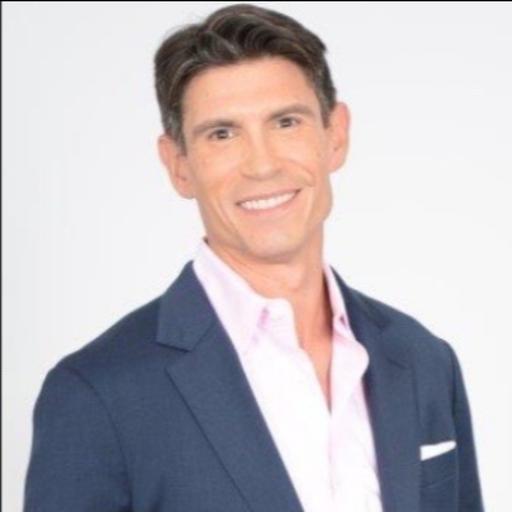
Retirement & Life Transitions Expert
Nearly 20 years Helping people prepare for retirement4 Pillars of sustainable retirement planning3 Buckets in his wealth-building approachSales Director Named by Financial Marketing Group in 2013
Chris Maduri has spent nearly two decades helping people prepare for more than retirement - he helps them prepare for the life that comes after work.
Because retirement isn't simply the day the pay cheque stops.
It can change your identity, your marriage, your relationship with your time, your health, your family and your sense of purpose. And Chris believes that's the part of retirement planning most people don't talk about.
Chris began his career just before the 2008 Financial Crisis, an experience that fundamentally shaped how he thinks about risk. Watching carefully constructed plans come under pressure taught him that assumptions can fail - and that a retirement plan needs to work in the real world, not just on paper.
But after nearly two decades in the industry, Chris has come to see that financial preparation is only one part of the equation.
The bigger question is: What are you actually retiring to?
Chris describes retirement as the "fourth quarter of life" - and, if you've done things right, a little overtime.His work explores what it takes to make that chapter meaningful: having financial confidence, maintaining your health, protecting the people you love, staying connected to a sense of purpose and knowing how you want to spend the years you've worked so hard to create.
More from Chris Maduri
All episodes → Mid-life Men: the mental health podcastRetirement: Who Am I Without My Work? with Chris MaduriOct 2026Play episode →
 The Midlife Rebel PodcastWhat To Do After You Retire - Finding Purpose & Peace of MindSep 2026Play episode →
 Ask Faleskini - The Midlife Crisis Clarity CompassHow can adequate retirement planning help you get out of a midlife crisis?Aug 2026Play episode →
 4 Fit FatherhoodWhat Are You Retiring To? Money, Marriage, and Purpose After Work | Chris MaduriAug 2026Play episode →
 Remarkable People PodcastDon't Retire from Purpose Chris Maduri on Identity, Faith & Your Second ActAug 2026Play episode →
 Sales POP! Podcasts: Insights from Top Experts in Sales, Marketing, Leadership & More.Retirement Planning: The 5 Red Flags to Avoid with Chris MaduriJun 2026Play episode →
 Serving Seniors PodcastEpisode 99: How Seniors Can Protect Retirement Income with Annuities and Home EquityMay 2026Play episode →
 The Transition Bridge Podcast“Retiring TO Something and Not Just FROM Something” with Chris Maduri, CEO of Vibrant RetirementMay 2026Play episode →
 Financial Freedom PodcastHidden Retirement Planning Risks with Chris MaduriApr 2026Play episode →