
October 5, 2026
Retirement: Who Am I Without My Work? with Chris Maduri
Sound bites
Retirement security, it's not only a number. But it's the confidence that you can adapt when your life refuses to follow the plan.
In this episode
Chris Maduri joins Mid-life Men to talk about retirement as a major life transition, not just a financial milestone, and how to prepare for life after work.
- Financial security after work depends on confidence and adaptability, not only on savings and investment returns.
- Men often focus on the financial finish line and overlook the question of what they are retiring to.
- Retirement can expose social isolation, especially when daily routines and work relationships disappear.
- Long relationships can be strained when couples suddenly spend far more time together without preparation.
- A meaningful week, curiosity, and small experiments can help build purpose before and after retirement.
Chapters
Written from the transcript. Pick a chapter to play the video from that point.
Transcript
Automatic captions of the conversation. They can contain errors and do not name who is speaking.
Welcome to the Midlife Man podcast with me, Philip Briscoe. My guest today is Chris Maduri. He's spent nearly two decades helping people prepare for retirement. But our conversation isn't simply about money. It's about what happens when work no longer provides identity, routine, or sense of purpose. And how we can prepare for the life that comes next. So, welcome, Chris. Welcome to the Midlife Man podcast. Thank you. Thank you for having me, Philip. I appreciate it. Well, let's start off. So, um you know, your career started before the big 2008 financial crisis.
But I wonder, you know, if we go back to then, so you are seeing what is apparently very sound retirement plans completely unravel, you know, seeing all this kind of security disappear down the drain, and how people respond, you know, when their futures suddenly seems less certain. I mean, that was it was heartbreaking to see and to hear. You know, kind of being on the the financial side of it and seeing the panic, right? I mean, you had people that truly believed that they had done everything right, right? They'd saved, they'd invested, and built what appeared to be a sound retirement plan.
And suddenly that sense of security was shaken. And really what stayed with me was that retirement security, it's not only a number, right? But it's the confidence that you can adapt when your life refuses to follow the plan. So, you know, when people are under pressure, often times they feel like an urgent need to do something even when it's an irrational fear. Right? Because acting out of fear is going to make matters worse. And but when you're in that moment, you don't have the emotional bandwidth to stay the course.
Right? So to me, a good financial plan became apparent in that it has to respect uncertainty. Right? We have to find that balance between certainty and growth opportunity. Right? Because we can't put everything under the mattress. But at the same time, we can't have unlimited risk either. Right? So finding that balance is kind of the sweet spot for for me. And whatever is going to give you peace of mind when your emotions are running high. And and here's the thing as well, you you know, we all work our whole lives kind of waiting for that retirement day which incidentally, I don't think is the right way to live your life, but you know, we're all waiting, aren't we?
I can relax, you know, that day I finish up, you know, carry my box out to the car and I'm finished. Um so there's a lot riding on it, right? And and so people spend a lot of their working life a lot of their lives waiting for this moment. Um you know, what have you noticed about um you know, how especially men we're talking about here, how do they tend to to approach that that moment? Mhm. Well, um I think most of the planning and preparation goes to the financial side. So I think I'll Men are very focused on that financial finish line, right?
Do I have enough? When can I stop? What income can I safely generate? And those are essential questions. But they crowd out the other question, which is what am I retiring to? Right? So before retirement, you kind of imagine this permanent vacation. To your point, it's like, ah, I'm done. Punch the clock for one final time, you know, and away we go, but life doesn't really work that way, right? And um what work has been giving them outside of a paycheck has been a way to organize their days, relationships, a sense of progress, and men may prepare themselves extensively to replace the paycheck without thinking about how they're going to replace all of those other benefits.
So, I think a lot for a a lot of folks, there's an element of surprise, you know, when retirement actually happens. Um and I've also kind of noticed that a lot of men may approach it as um like a singular event, right? When in fact, it's actually a major life transition. And transitions, they require experimentation, they require adjustment, right? So, it's almost like that heat-seeking missile. It's kind of like here, you know, target target, target, and constantly making those readjustments. Um so, I think there's there's definitely an element of surprise uh that comes in.
But I guess some of it is, you know, until you're living it, you can prepare, right? But you're not going to know what it's like until you're actually living it, you know, until you wake up on, you know, maybe you have a couple weeks, months grace where it's like being on holiday. And then you must wake up and go, "Oh, this is this is my new life. This is the rest of my life." And do you do you find that that's quite a shock to some men? Oh, yeah. Yeah. Yeah. Um the less prepared that we are to retire to something instead of just from something, the more significance that that is going to be.
Uh I often encourage people, if they if they can, right? That as those years are winding down, can we create some sort of a schedule that has a little bit more balance? Maybe it means working for an extra year or two in a you know, like a consulting capacity or part-time capacity. So that we can kind of make those adjustments, right? We're not getting everything. It's not a light switch that you just turn it on and turn it off. Um, and we have the ability to kind of make adjustments and see like, all right, what pocket of time or how much time am I comfortable filling in a meaningful way?
So, you know, the more that we can do in the years leading up to it, I think the better off that we're going to be. And you know, a lot of a lot of men, you know, through their lives, you know, perhaps their families, perhaps their children, uh, you know, there are mortgages to pay, there's jobs, kind of lose touch a little bit with perhaps what used to make them happy or what used to make them tick. Maybe I'm talking things like hobbies, uh, maybe friendships that that have just fallen away just through life. So, I guess, you know, how do you kind of reconnect with those things when they may be 20 years, 30 years in the past?
Yeah, I think a lot of it is actually just spending time with yourself, right? And really taking the time to try to understand yourself, right? Try to understand what lights me up. Hopefully you've had those experiences over the last 30 years while you're working where you're like, "Oh, I really enjoyed this or I really enjoyed that." And maybe just didn't have enough time to do it. And maybe that's going to take some of the time that you go, "Okay, I'd like to play in golf." All right, we're not going to spend all of our time playing golf, but you know, we could commit a portion of time to that.
Or, you know, learning to play an instrument or volunteering or, you know, whatever it is that truly makes your heart happy. You know, I think there's there's no shortage of ways to distract yourself, right? Especially nowadays. So, um a lot of those don't necessarily lead to purpose, right? They don't have any ways to measure any progress. They don't have any um you know, you're not really giving back. And often times you're not even surrounded by other people, right? So, you figuring out what those things are before and it could just be you know, sitting around going, "Huh.
If I had nothing to do, what would I do? What interests me, right? Like get curious. I think that is kind of the big thing is like what what what am I curious about learning? Like I guess it's the opportunity to learn new things. You know, that's what you're you're kind of identifying. Um and you know, some people might think, you know, I'm 60, 70, whatever age you you decide to retire, you know, I'm kind of too old for for for doing new things. Um you know, what's your experience of of men actually learning new things and trying brand new experiences?
Oh, I think that they they sell themselves short, right? And we tell ourselves things and it all starts with our belief system. If I believe that I can't do something, I can't do it, right? That's just going to be the reality. It doesn't mean it's going to be easy, but just like a child, right? You're you're learning and if you're curious and focused on being present in what you're doing, you don't have to be good at it, right? I can go out there and learn to play pickleball and lose every match for, you know, 5 years.
I can still find enjoyment, right? I think we've been so conditioned to focused on winning and what the outcome is that we forget about just being present and learning how to do something, right? I mean, I've I've lost a lot of golf matches and things and still had a pretty good time doing it. Um but it's just that curiosity and being present in that moment, you know, and making a connection with someone else that can determine whether or not it's a success or a failure. That's an interesting point you just made actually where previously, you know, in in the work environment, you're normally working to goals, right, objectives.
Somebody is usually going to measure you the boss, somebody's usually measuring you. Uh and, you know, so so you have um you know, I guess not not always um you know, self-made goals, you know, you're working to something else. So, that must be quite tricky then to then think, "Well, actually, it's up to me now. It's up to me to decide what I want to do and whether I want to do it or not do it," as you've just been saying. Um how do men kind of adapt to that that kind of hey, I've I I can do what I want. Or, you know, I don't know, you know, I'm used to having structure in my day.
I'm used to getting up and having to go to the office or or get set around a computer for 7 8 hours. You know, how on earth am I going to manage my own time? Right. Yeah, and I think a lot of people when you have an empty calendar, uh you can kind of have that uh decision fatigue, right, where work provided that structure where you didn't actually have to make as many decisions. You kind of knew where you were going, how you were going to you know, how that portion of time was going to be filled, who you're going to see.
So, a lot of things from a social even you knew what food you were going to eat, where you were going to get coffee. You didn't have to make those decisions. And I think what surprises many men is that they don't necessarily miss the job itself, but they miss that rhythm, that camaraderie, the challenge, and the sense that what they did actually mattered. Right? A lot of their identity is wrapped up in there. And the ones that transition best into retirement are the ones that find a meaningful way to spend time outside of it.
Right? So, sometimes it's volunteering or, you know, getting um coaching someone, uh consulting work, where you're still doing you're still showing your value, right? You're still making a difference, but you're just doing it more on your own terms than on someone else's terms. And you can kind of scale it back a little bit. So, um I I think that in particular, you know, for folks that have been really um work-oriented, um and that takes up a lot of their identity, that's a great way uh to transition out of it, where you feel like you're giving back, right?
You feel like you're kind of leaving a legacy, um you know, to the folks that are around you. It's the next generation. Cuz I wanted to talk about identity a bit, actually, because you know, especially if you've had a reasonably senior role, say you're the bank manager, and then you retire, and then no one cares. You know, the fact you were the bank manager. You know, you're not wearing a suit, you're not making those decisions, and and and I think for many men that must be quite difficult to then reconcile that they were kind of, you know, someone, they had some authority, some respect, and now seemingly they're just, you know, average Joe.
You know, what what does that do to some guys' identity? You know, it must be quite difficult. Oh, it's jarring, you know, and I actually equate it to empty nest syndrome. You know, if you have someone that's been a caretaker, you know, whether it's a a a husband or a wife, um in your home with the kids, and the kids leave the nest, suddenly your identity as mom or dad is kind of it's not irrelevant, but you relied on that because that gave you your purpose. So, you know, whether it's a bank manager, whether it's a police officer, anyone who really identified with who it is, um you're going to have an identity crisis on your hands if you don't find a meaningful way to figure out who you are.
Because like for 30 years when somebody said, you know, who are you? Or what do you do? Generally speaking, the answer that we gave them was whatever our job was. So, you know, a lot of men can become restless, withdrawal, um you know, and they can become really irritable without fully understanding why that is. Right? Now we're less visible. Now we're searching for relevance in our lives. And, you know, a lot of the whether it's the workplace friendships that we had or the idea, you know, if you're a corner office type person, you used to people coming in to you asking for your help, asking for your guidance, and suddenly no one's coming around.
That's a huge shake-up in terms of like what our purpose is. So, um you know, the I find that folks that really are active in the community and that can for a lot of people it's their church or it could be within their towns or, you know, any place where you can make a contribution has some sort of structure and give you a sense of purpose is really going to mitigate a lot of that identity crisis and um yeah, some of the damage that that causes. I guess alongside that, um and we touched on it a bit there, is is probably loneliness.
Because if you've been used if your social structure has been based around the people you see at work every day. Uh maybe even socialize with. You know, suddenly you're you're kind of on your own, right? Uh and that must be a big big problem for many men. So, for example, in the UK, and I believe um this might exist in the US as well, it does in Australia, there's an association called Men's Sheds Association. And basically it's it's a an organization that's set up so that largely retired men, older men, have somewhere to go and do stuff together.
You know, so there's I've visited one and there was a lot of woodworking, you know, a lot of lathes and woodworking tools. And And it just gave men some purpose uh and got to, you know, interact with with other people with similar interests. Um so, I guess, you know, do you see do you see a lot of kind of loneliness being a a problem because that can lead to, you know, depression and feelings of, you know, isolation? Oh, yeah. Yeah, that that social isolation element um particularly in men. And women are I don't think I'm going out on a limb saying that they're better about maintaining relationships than men are.
Um but for a lot of men, you know, especially if you haven't done much to create relationships outside of work, you didn't need to, right? A lot often times it's like the people that you hang out with. Maybe you're going and grabbing a beer after work. Or, you know, uh uh I don't know how it is over there. Here there's like uh corporate softball and stuff like that. But a lot of things outside of um is is kind of geared around um the office. So, um it's very easy to find yourself socially socially isolated afterwards if you're not intentional about reaching out, right?
If you're not intentional with your relationships. Um because it can cause us problems at home as well where the amount of time that you're spending together is uh little overwhelming. Right? If you spent most of your day and you're coming home for dinner, and suddenly that person is just there by your side 24/7, ooh, you're going to you're going to run out of stuff to talk about pretty quick. Um Yeah. Uh so that's a big problem, right? I've heard I've talked to other people about this, how uh and you know, let's be kind of gen- generalize here, but you know, say you've you've got guy coming home uh every day, as you said, and and but you know, perhaps the wife or the partner has had the house and their life, they've built their own life, and suddenly uh this guy is intruding on that.
And so she's going to feel resentful, right? She's going to be like, "Just get out, you know, what are you doing? I've had my own life here. What are you doing?" It doesn't You know, I guess you you've really got to you know, it's a probably a big test for a marriage, right? Or a partnership, what- whatever it is. To to suddenly be spending all that time together. I mean, weekends, yeah, 2 days, you can probably manage that. 7 days a week, that must that must be a really tough for for even like the strongest of relationships.
Yeah, absolutely. And and for a lot of the marriage, especially if you have multiple kids, and the way that kids are overscheduled, just cuz you're home doesn't mean that you're connected or spending time together. So, you know, you could um retirement's not going to create a relationship issue, but it is going to magnify one. Right? We actually saw this during COVID, where folks that were seemingly living together for years and years, and suddenly you put under the same roof for an extended period of time, you're like, "I don't really like this guy." You know, or we have nothing in common, and you know, I think there is um it's really critical to be intentional um to understand your relationship with one another and to create prior to retirement, make sure that you're used to spending time together but also that you have time of your own, right?
You still have some barriers some boundaries and um you have your own relationships and again, for men, I think it's it's critical that we do that so that you can you know, you you have a lot of men that are simultaneously going through something collectively but we can kind of treat it like we're our own little universe instead of being vulnerable enough to share what we're actually going through. Well, I guess talk about things, you know, talk about what's how things will change with your with your partner prior to it happening but also talk to other people around you.
As exactly as you said, you know, we're none of us are alone really in our experiences. You know, however, you know, unique you'll think we might be actually, there's a lot of people going through the same thing. So, you know, there's there's an opportunity to to go through that together, right? And uh and uh you know, there are there are some groups out there. Maybe start your own group. I mean, there's there must be ways of you know, combating that change that you know, that that possible isolation together, right?
Absolutely. I mean, nowadays, it's never been easier to find a group of people you know, that doing something that you're interested in or if not you know, put it out there yourself. Um you know, you can create a group or whatever and post something online and you know, maybe one person or two people show up or you know, there's a ton of community groups and um opportunities for retirees to um you know fill their time in a meaningful way but it does require you to step out of the boat. Right? And get a little bit uncomfortable there.
You know it's it's willingness. I've talked to a few men about this actually and and and we've talked a bit about this concept of you know stepping up and almost you know becoming the elder in your community and by that I mean you know you have a lot of wisdom and advice to share. You've got time to share that now and maybe what we need especially these days is maybe we need more people to step up as you know what would have been the village elder you know when we all lived in small communities. And and I wondered what your your thoughts are around that that concept of of of sharing your wisdom with with people that might need it.
I love that and that is a a beautiful way to spend time. You know to share what you've learned to help somebody else along and to you know it's going to give you some sort of confirmation and make you feel valued and everything. Particularly if you're doing it with some open-mindedness and not just these kids and nobody knows how to do anything. Um yeah but it can really make you feel a great sense of purpose. And I think there's also a bit of a lack of I think there's you know so there's a bit of a lack of male role models as well you know in in society especially in some communities.
Uh and I I don't know how easy it is to The right ones yes. Yeah but you know there are opportunities and you know it's it's it's a you know a good way of thinking about your retirement is yeah I'm not just going to shut off all that experience. You know it has value. You know it can be used to to for good. I wanted to touch you about the kind of financial side of things as well because I know finance, money, you know, is is a big cause of stress for many people uh through through their you know, life actually. But probably more so when you're going to stop earning money and you know, what if you do not have enough?
What if you've been uh if you've been kind of sleepwalking towards this. And you know, when you look at things like pensions, you know, money that you've got saved to live off, what what do you do if you kind of you know, you suddenly realize I just don't have enough. What what am I going to do? How can you start to to it's all right about planning from age 20 up, but what if you're kind of in your 50s for example and you suddenly wake up and think, I've just not put anything aside. What what can I do? Are there are there kind of I know there's no quick fix, but what can people start to do or think about?
I I think the the more you can plan in terms of how how your time's going to be spent, the better off you're going to be. And let's be honest, it may mean that you have to work an extra year, right? To kind of catch up or 2 years or transition to a part-time role, right? Because the financial element of retirement is absolutely critical, right? We don't want to underplay that. What makes people comfortable and confident in retirement, generally speaking, is replacing income, right? So, a lot of times um you know, from a financial side the discussions will be about, you know, how do I know if I have enough money?
Well, the question's not necessarily how much is there, it's how much you're going to spend, right? Because if you have a million dollars, right? And you need to stretch it over 25 years, you know, and you have it depends how much much you're going to spend each year. And often times if there's not a pension in place, and I'm not sure how it is over over by you, here other than government workers, pensions are becoming fewer and fewer, you know, and harder to come by. So, how we're going to spend money in retirement is something that husbands and wives have to be on the same page with, right?
Replacing income gives you permission to spend money, right? So, we have social security, so that combination of social security, pension, and then, you know, utilizing your investments, whether you're just going to draw them down, or whether you're going to utilize I don't know if you guys have I I think you do have annuities over there, you know, something like that that is going to create a guaranteed income stream that you can't outlive. Um those are the things that give people confidence in retirement. Um you know, you have uh So, if if you are behind the eight ball, then, you know, figure out what your lifestyle is going to be, how much money you actually need, you know, write it down, make a budget.
Um you know, see if you can live off of that budget. And ideally, you know, if if you're doing that, whatever's still there, tuck it aside, you know, keep it invested. Um [snorts] I I think we we tend to think about retirement as like the on-off switch, but in reality, the funds that you're going to use in retirement uh are going to be used at a different time, right? So, what's critical is that first 5 years of retirement is guaranteed, right? It's not subject to market whims or interest rates or anything like that.
You know exactly where that money's coming from. So that if you have some sort of negative shock during that time, you don't have to touch it, right? Because you can't replace money and money [snorts] can't grow back that's already been spent. So, um you know, the the money that you're going to use 10 years from now can still be, you know, remain in equities. It can still have some sort of risk. So, what we really want to do is uh you know, locate the assets that we're going to use and make sure that we have the appropriate amount of risk on those assets.
So, you want to think about not retiring on day one and it just being a continuum of the same thing. You want to plan it uh and and manage the risk associated with I mean, how Chris, what how do how long We don't know how long we're going to live for. So, you know, if you retire at 65, for example, I don't know if I'm going to live to be 95 or 75. I don't know. I mean, I guess how do you how do you kind of manage that uncertainty apart from, you know, being terrifying? How do you manage that from a financial risk perspective?
And I mean, as a financial planner, it would make my job a lot easier if you would tell me when you were going to pass away, cuz I can get really close to that number. Absolute that information, it does make it a little challenging. So, you know, we want to over over prepare, right? And over plan for that. Um which is going to require a balance. Uh as I said before, you can't just put the money under a mattress, cuz you need that growth. So, it's really kind of time oriented in a sense of the money that you're going to be using early in retirement has to have an appropriate level of risk.
The money that you're going to be touching, you know, during those, you know, those middle years, right? They over here we say we have like the go-go years early on when you're traveling and things like that. You have the slow go years where you're kind of winding down a little bit slower then the no go where you don't want to leave the house. Um the money is later on. You're going to be spending less but you also have to expect that your health care expenses are going to go up. Well, that's the thing, isn't it? A lot of people need money for health care and they don't necessarily it surprises them, right?
And and and a lot of us will get critical illnesses or or need need to bring care in house. Yeah. Yeah. I mean if you have if you have the means, right? And not everybody does. But can taking a portion of your retirement dollars and using those to mitigate the against the risks in retirement is going to help you a lot, right? If you could peel out $100,000 from your retirement plan and I'm not sure what what the plans look like over there but um you know, over here if you have some sort of uh you know, long-term care protection um and it could be combined with a life insurance policy, you know, so that your um you know, your uh beneficiaries are protected in that sense.
Um all the better, you know, the the more you can do to mitigate risk uh the uh more confidence you can have in your your retirement plan. This is all really great advice. I think there's a lot of people who still have their head in the sand and and are probably listening to you now thinking damn, I am you know, I'm way behind. I'm panicking. You know, what what do I I don't have extra money to start you know, putting away. What what am I going to do? And and and you're talking about planning and everything else which is brilliant and and what you need to think about.
What do you say to those people who were just panicking now and they've kind of they haven't missed the boat but they're they're really behind. I mean, you can't you You magic money. I mean, what what should you you know, what you can't tell people necessarily what they should do on an individual basis, but generally how do you stop that that panic and lying awake at night thinking, "What am I going to do? What if I get really ill or what if my wife gets ill and we just don't have the money? You know, do you do you sell your house?
You know, what do you do?" Yeah. Well, one, take a breath, right? So, we don't want to have uh you know, irrational responses. Um and you know, kind of ask yourself what's true, right? What How much money do I have? How much money do I need? What can I do between now and when I retire to How much money can I reasonably save, right? And really try to get crystal clear on this. And then look at other things like programs that are available, government programs that are available for retirees. What else is going to be coming in?
Um selling a house is always a tough one because you got to live somewhere. So, if your house is paid for, generally speaking, that's somebody's biggest asset. So, you know, you have to look and see what options are available there. Um I would never make blanket statements about like refinancing or anything like that. Um but I would say get with a financial planner or advisor that you trust. And you know, really leave the ego aside, right? Be honest. Be open about where you're at and what your needs are. And then figure out, "Okay, what do I need to do?" Maybe you're closer than you think, right?
I know it all sounds intense, but you know, maybe you're not as bad off as you think. Um figure out which things we can cut out, right? And uh you know, I think the the more time that we spend and the more clear our vision is, the easier it's going to be to execute. And do you think there's a lack of general education, general financial education from a really young age? I mean, we're we're both fathers, as we discussed before we we started talking. You know, is it is it is it responsibility of, you know, us as parents to educate our children and from a young age or, you know, should it be done at schools?
Because I think it's missing, isn't it? Especially around planning for the long term, planning for for your retirement. Absolutely. I mean, the way that they teach in schools is probably different than the way that I would like to. But, um ultimately it is our responsibility as parents to educate our children and give them the information that we find that they need to have. I can't trust someone else to do that. Um and you know, uh school I it would be really nice if, you know, part of uh the school day was to give people real life uh information on what they need to make investments, things like that, but you know, unfortunately that's just not going to happen.
So, in the absence of that, um you know, we're going to have to take that responsibility ourselves. So, you need to be planned. You need you need to plan in advance. You need to educate yourself if, you know, there are people to help you. Um so, if someone listening to this who's approaching retirement, maybe they've just retired, and they're saying, "What now?" In terms of something small and tangible they can do, you know, like tomorrow, what would you suggest that kind of sets them on a path forward for, you know, for a an enjoyable, successful retirement?
Don't try to plan the rest of your life right now. Right? We can get so wrapped up in what the outcome's going to be that we forget to be present. Right? So, instead of thinking about, you know, what I'm going to do 30 years from now, try designing a meaningful week. Right? Even if you're working, what can I do on Fridays? What am I doing to give myself, um, to put myself in a better position going forward from a financial standpoint, from a physical health standpoint, from a connectivity standpoint. Right? Um, how can I find something that challenges me?
How can I learn something new? Right? Um, if we start adding these things into our life just as a little bit of a challenge, um, and exploring it with curiosity, then that time, you know, once we get there, we're going to realize it's just not as, um, daunting, right, and unknown as it would be. Right? So, I would just say, get curious. Right? Try something. Notice if it gives you energy. And, you know, if it lights your heart up, then pursue it. If it doesn't, let it go. And then try something else. Right? Cuz either way, you're just filling the time.
But, you know, at least [clears throat] we're taking a chance, um, you know, that it's going to be something that, uh, we find purpose in. Thank you. Great advice. Um, so, Chris, you you work with people, you help people. Uh, how if somebody wants to get in touch with you, what's the best way to do that? Yeah. Um, go to my website. It's vibrantretirement.com. Uh, you'll have all of my contact information in there, and, you know, you'll have the ability to, um, you know, request a call or a visit or what have you. Um, love to have a conversation with you.
Love to help you um, just kind of talk through it, right? I'm not going to have the answer, but I might be able to ask the right question that you can come up with the answer for what things are uh, you know, what you're going to need in life. Right. Thank you. Chris, um, just remains for me to to thank you for for joining us. Thanks. Really great advice. I really enjoyed the conversation. I'll see you here, Phillip. Thank you. Thank you for listening to the Mid Life Man podcast with me, Phillip Briscoe. If you want to contact Chris, visit his website vibrantretirement.com.
To help raise the profile of the podcast, it really helps if you can please review it. And follow the show on your podcast platform and please share it with your network and people you think might benefit from listening.
About Chris Maduri
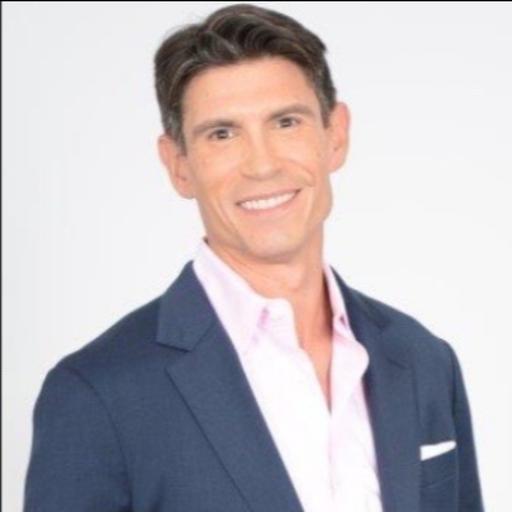
Retirement & Life Transitions Expert
Nearly 20 years Helping people prepare for retirement4 Pillars of sustainable retirement planning3 Buckets in his wealth-building approachSales Director Named by Financial Marketing Group in 2013
Chris Maduri has spent nearly two decades helping people prepare for more than retirement - he helps them prepare for the life that comes after work.
Because retirement isn't simply the day the pay cheque stops.
It can change your identity, your marriage, your relationship with your time, your health, your family and your sense of purpose. And Chris believes that's the part of retirement planning most people don't talk about.
Chris began his career just before the 2008 Financial Crisis, an experience that fundamentally shaped how he thinks about risk. Watching carefully constructed plans come under pressure taught him that assumptions can fail - and that a retirement plan needs to work in the real world, not just on paper.
But after nearly two decades in the industry, Chris has come to see that financial preparation is only one part of the equation.
The bigger question is: What are you actually retiring to?
Chris describes retirement as the "fourth quarter of life" - and, if you've done things right, a little overtime.His work explores what it takes to make that chapter meaningful: having financial confidence, maintaining your health, protecting the people you love, staying connected to a sense of purpose and knowing how you want to spend the years you've worked so hard to create.
More from Chris Maduri
All episodes → The Midlife Rebel PodcastWhat To Do After You Retire - Finding Purpose & Peace of MindSep 2026Play episode →
 Ask Faleskini - The Midlife Crisis Clarity CompassHow can adequate retirement planning help you get out of a midlife crisis?Aug 2026Play episode →
 4 Fit FatherhoodWhat Are You Retiring To? Money, Marriage, and Purpose After Work | Chris MaduriAug 2026Play episode →
 Remarkable People PodcastDon't Retire from Purpose Chris Maduri on Identity, Faith & Your Second ActAug 2026Play episode →
 Sales POP! Podcasts: Insights from Top Experts in Sales, Marketing, Leadership & More.Retirement Planning: The 5 Red Flags to Avoid with Chris MaduriJun 2026Play episode →
 Serving Seniors PodcastEpisode 99: How Seniors Can Protect Retirement Income with Annuities and Home EquityMay 2026Play episode →
 The Transition Bridge Podcast“Retiring TO Something and Not Just FROM Something” with Chris Maduri, CEO of Vibrant RetirementMay 2026Play episode →
 Financial Freedom PodcastHidden Retirement Planning Risks with Chris MaduriApr 2026Play episode →
 Leadership Circle PodcastYou're Not Afraid of Being Known, You're Afraid of This | Chris MaduriApr 2026Play episode →