
May 25, 2026
“Retiring TO Something and Not Just FROM Something” with Chris Maduri, CEO of Vibrant Retirement
Listen
Sound bites
Once you move from accumulating assets to spending down your assets, all of the risks change.
If you have a negative market correction in the first five years of retirement, your chances of running out of money increase by up to 40 percent, depending on how strong that was.
In this episode
Chris Maduri joins The Transition Bridge Podcast to talk about retirement as a life transition that requires purpose, planning, and a new perspective beyond finances.
- Retirement changes identity, structure, purpose, and relationships, not just income.
- Planning for the descent matters, because retirement risks change once assets start being spent down.
- A market downturn early in retirement can sharply increase the risk of running out of money.
- Couples may struggle when work routines disappear and they have less social space apart.
- Retirement can create room for mentoring, service, and using wisdom to help others.
Transcript
ShowHide
Automatic captions of the conversation. They can contain errors and do not name who is speaking.
Welcome to The Transition Bridge Podcast. The podcast that will help you embrace, grow, and be transformed by the transitions of life. Now, here's your host, Debi Ronca. Hi, everyone, this is Debi, and welcome back to The Transition Bridge Podcast. This is the podcast where we come together each and every week to discover more about the purpose and the power of life's transitions. Well, today's episode is sponsored by Amy Throw, leading consultant and image coach with CABBY, a unique women's collection that is effortless, thoughtfully designed, and helps women move confidently through every season of life.
Amy works with women to create style that reconnects them to who they are and who they're becoming. I've been a fan for years, and if you're watching my YouTube channel at Debi Ronca Official, you could see the beauty of the collection. Please connect with Amy and browse the collection with the links found in my show notes. Well, today we're going to have a thoughtful conversation around retirement, how to understand it, maybe gain a new perspective, and ultimately do it well. My guest today is Chris Maduri, and he would share, people need to retire to something and not just from something.
Chris has spent nearly two decades working in retirement and investment planning, and he's helping people navigate one of life's biggest transitions, retirement. And that's the time when work stops defining the structure of our days. You know, retirement changes more than our income. It changes our identity, our structure, our purpose, and even the way that we relate to time, our families, and even ourselves. And even when people look really good on paper, there is still a sense of anxiety or feeling unsettled as we move into this next chapter in life.
And so Chris is here to share and tell us more about how retirement is really about purpose and stepping into a life that really matters. So Chris, thank you for being here with us today on The Transition Bridge Podcast. Thank you so much for having me on Debi. I appreciate it. Oh, yeah. I think this is one of those big transitions. You know, transitions can sometimes take us by surprise. You know, they suddenly come upon us and we just don't know what to do. But there's something about retirement. We know it's coming.
But sometimes we wait too long to prepare for it. We find ourselves in it and get overwhelmed. So I love your whole holistic approach to, you know, the way you approach retirement. You believe in balancing, protection and growth, freedom and purpose. You actually have an enjoyment today and a sustainability for people's future. So I love your whole concept about your analogy with climbing a mountain or a summit. So share more about that with us. Absolutely. Yeah. We tend to prepare or even over prepare for the ascent, right?
And you think about it like someone that's climbing a mountain. And now it's getting to that top and we have that vision in mind of us standing at the summit and what it's going to take to get there. But we don't necessarily plan for the descent, right? And coming down. And ultimately, that is the time when statistically speaking, more people die on the descent than the ascent. Those who are hiking Mount Kilimanjaro and those types of things, because our resources are depleted at that time, our energy is depleted, things that, let's say, we had more time for at the beginning, we no longer do.
Once you move from accumulating assets to spending down your assets, all of the risks change. And so if we don't change our plan to go along with that, then we could be in a difficult position or find ourselves having to make really challenging decisions that we could have avoided with better preparation. So do you find that you can make a plan but then as you're living out your retirement, things happen and possibly you have to change your plan? Oh, absolutely. When we put a plan together, we're not only planning for what happens if everything goes well, but also not only what happens.
So if you think about it, you can expect that the stock market is going to have some turbulence. If your retirement, it's not going to last five years, hopefully your retirement lasts 20 to 30 years. And from a statistical standpoint, you have to expect that there's going to be market corrections and things that happen, and not necessarily even a financial crisis, but just normal ups and downs. And what we don't necessarily plan for is the timing of that happening. Right? So from a statistical standpoint again, if that happens early in your retirement, you're depleting those assets earlier on, which means their ability to grow back is lesser, right?
And so if you have a negative market correction in the first five years of retirement, your chances of running out of money increase by up to 40 percent, depending on how strong that was. People don't necessarily plan for that, right? And so I think of my parents who retired in 2008. Well, that's a tough time to retire. Fortunately, my parents were blessed to have a pension. But, you know, this current generation, fewer and fewer other than government employees have that. Right. So if you have this tranche of assets and then suddenly you lose 30 percent of those, if you spent them, they can't grow back.
Right. So yeah, yeah, it really is. So when we put together a plan, we want to provide as much peace of mind as we can in those, what I call it the retirement red zone, the five years before you retire and the first five years of retirement. Because if you can get those right, the chances of a positive outcome in retirement from a financial standpoint are significantly greater. And we want to remove as many risks as we can. It's all about balancing, investing and insuring. I love that you talked about the three to five years before and during.
So what are some of the things that you give people advice for five years in advance of retirement that they should be doing to increase their chances of having a healthy retirement? Well, we want to know exactly where that money is coming from. And we want to protect that money from any market corrections, whether they be on the equity side, on the bond and fixed income side, what have you. We want to put as much certainty into those as we can. Because if, let's just say the market's down and we have to sell assets that are depleted, that's going to have a big financial impact.
So, we put those things in place, so those are kind of on autopilot. And those other assets, even if you were to have a negative shock, if you haven't removed the assets, we've seen how the markets move, they generally come back rather quickly. So you can navigate that and kind of withstand the turbulence if you're prepared for it. That's really good. So share with us more about your philosophy that we should all be retiring to something rather than from something. Yeah, that is, you know, we'll talk about the financial portion of it.
But beyond that, retiring with purpose is so critical, right? Because when we think of a positive outcome in retirement, it's not just making sure that we have enough money to last us, it's making sure that we're enjoying it. We're making sure that we're fulfilled in so many different ways. And, you know, I know a lot of us are kind of on the treadmill, you know, and we have a love-hate relationship with our jobs. But, you know, our careers gave us so much, they are so much of our identity, you know, and I think that's the biggest piece.
And it's what we do, and it allows us to feel purpose, and allows us to, you know, feel like we matter. And if those things go away, and we don't replace them with something else, then, you know, psychologically and emotionally, we may struggle, you know, very similar to, you know, an empty nest syndrome, right? Your kids leave the house, if you were, you know, the mom or the dad, and you feel like you're no longer needed, that really impacts us, you know, from a, oh, it's our ego, it still impacts us, you know, in many different ways.
So, you know, we want to make sure that when we fill that time, we're filling in in a way that lights us up. That's really good. That's so powerful. And it's true. That was a great comparison with the empty nest transition, especially for the mother who's been around about doing all that. And you lose your identity because your whole role was wrapped up in being a mother. And now you have to, but what we learned is that there's still so much more on the other side, but we have to believe there's something there. And that's what you're trying to help people that are approaching the retirement age, that it's not an ending, it's really like a new beginning, but to start contemplating maybe some of the things that they would like to do in retirement, maybe besides travel and hobbies.
Do you give suggestions or what are some of the things that you've heard from your clients that they are preparing to do in retirement? Yeah, I think of it as, I think of retirement as having the freedom to pursue your passions. And if you've been so overloaded with work and your career, and that's who you are, then you're not even sure what you're passionate about at that point. Maybe some people are like, oh, I've always liked to travel or I always wanted to learn to play mahjong or whatever it is or so or something like that.
And those are easy things that you can learn. So the way that I like to do it is not to make suggestions, but to encourage people with questions and asking them what lights you up. And I'm a big meditator and a prayer guy. So I think a lot of the answers will come to you if you just take a pause, close your eyes, find some stillness, and just ask yourself, if I had all the time in the world, how would I spend it? And just see what comes up, see what interests you, try them on. I think that's one of the things that we can do before retirement is kick the tires and try it out.
Put together a plan of nothing hard-coded about and regimented about what I'm going to do each and every day. But to, you know, if you're going to volunteer, maybe you can do it one day and see if you like it. If you're planning on mentoring someone else, why not give it a try now? And then if it's something you're enjoying, then you have more time to do it. If it's something that maybe we missed the mark on and you want to try something else, that's okay, too. But I think the more clarity that we can get, the better chances of a successful outcome will be.
And I almost hear you saying like we're not locked into all the decisions that we make, like try it out. If it doesn't work, then try something different. We're not like locked into the choice that we made. There's a lot of freedom in retirement. Yeah. Yeah. And then the freedom can be a wonderful thing. And sometimes the freedom can be overwhelming. Right. You really find that balance. And it's true. You know, some people have a, they feel overwhelmed by the number of decisions that they need to make in a day. Right.
Because before you knew what you were doing, you knew if you were going to work when you were leaving, you had a good idea of what you're having for lunch that day, who you're going to talk to. So those connections, as they go away, we're going to try to replace them with something else. Right. But you could find yourself just having this, you know, it's kind of like decision fatigue in a way where you're overwhelmed by the number of things that were kind of on autopilot before, that now you're needing to spend energy and put thought into.
How important then is structure in times of, in our season of retirement? I think it really depends on the person and what their ideal life would be. But I think some amount of structure is critical. Just to make sure that you have a reason to get up and move. Right. For a lot of people, especially if we're a little bit older and we're physically not feeling well. Right. If we don't have people around us, if we don't have community, if we don't have purpose, you know, that can trend into a mild depression rather easily.
Right. You're like, I don't know where I want to go. I don't know what I want to do, so I don't do anything. And then I put a screen in front of me and the day goes by. Suddenly, Wednesday and Saturday feel very similar afterwards. You don't even know when the weekend is here. No. It looks the same. Oh, it's so true. Having that purpose, you're reminding me. My mother, when she was 88, she was telling me, I just have to have something to get up and do. She just wanted to find that purpose. And I always thought it was the sweetest thing, her and another woman around the same age bracket.
They were both in World War II, and they went to the VA center. They said, well, where can we go? And they went, and they wound up adopting a platoon. And monthly would send this platoon, like it was a small platoon that they can buy socks and send them candy. So every month they had something to plan for. And that just gave them so much joy. And it just made me think, no matter how old we are, even into our 90s, there's still a purpose, there's still significance about our lives. And I agree with you, Chris, when we don't have something to do, I think that's why we feel tired, we do get depressed, that fatigue comes on as we think we're really tired.
But I think we're just sad inside because we don't feel like we have a purpose. And that is such a great point. Yeah, how we feel inside kind of shapes our world. So if you don't have a reason to get out of bed, you're probably not going to get out of bed. It's just way too easy nowadays to fall into that trap of distraction, entertainment, things that just take up our time, don't really give us anything in return. And that's so beautiful that she and her friend are taking care of somebody. I can't imagine that platoon.
I'm sure they've looked forward to those packages. And you really felt like this sense of, you're a blessing to somebody else at that point. You're taking care of people, and you're serving in any way that you can. And that's just a beautiful thing. Thank you for sharing that. Yeah, there's something in about serving. It brings us life when we're actually thinking of other people. Suddenly, we're energized and our visions get bigger. I think it's so powerful. So, let me ask you, because I'm thinking emotionally, we prepare financially for our retirement.
What are some of the things that we can miss emotionally, or even health-wise for our retirement? Yeah, that's a big part. You have a few different areas that we look to. Social isolation is a big one, right? Because you kind of had friends at work, and you had people to talk to. And usually, if you're retiring, if it's a husband and a wife that are at home, after a while, you do run out of stuff to talk about. Yes, true, true. And I think of it from, you know, men in particular can be vulnerable to this, because we're not always as strong about creating a social community, right?
We don't necessarily, I think the previous generations were better about, you know, going and getting coffee or, you know, having a card game or getting together. But, you know, this current generation, you really don't find a lot of community, and, you know, men getting together, at least not in a healthy way. Right. It takes a lot of effort, especially for men. I agree. I agree. Yeah. We're not, we're not, the hallmark of the male personality is not planning. So that's for sure. Well, you know, I will share that, you know, my husband, I want to say three years ago, because, you know, men, they, you know, they're okay being by themselves or they may do things together, but not depth.
And so my husband is in a group on Saturday mornings. They've been doing this for three years. A group of guys get together every Saturday morning and they call each other higher. They talk about the tough things. They're vulnerable with each other. It's a spiritual gathering where they pray for one another. And it's so life-giving and my husband has just gained so much from it. And actually, he's in retirement age. And so now he's in that season of imparting into these younger guys, truth and legacy and significance.
Because I believe in that time of retirement, you have a wisdom that you've gained from all the years that you've lived, all the experiences that you've had. And so I can see where retirement is that time, if you really believe in who you are and what you've done with your life, that it is valuable to turn around and like you had shared Chris, mentor someone or get involved in an organization where you can bring your wisdom and your knowledge because people need it. Yeah, yeah, you're 100 percent right. You can control how much time you want to put into that.
Whereas before you kind of had to go full throttle with it. But have you noticed a difference in your husband and just in, like from a mood standpoint or from, have you noticed differences since he started to gather with these gentlemen? Oh yeah. I mean, he's a great guy, easy going, but there's a depth of his personality that came out because not only does he impart to others, but then he becomes vulnerable himself. I think when we all become transparent in life with other people, we grow. We just grow emotionally, spiritually, mentally.
Just the different books that they share and they read and they go through it together. Yeah, it's powerful. I highly recommend, you know, somebody's got to start a group. Someone has to start it. To your point, someone has to be vulnerable, you know, especially for men. You find that if you're not comfortable with it, it's very easy to put the mask on and to sense our childhood, the idea of what a man's supposed to be. Yeah, especially for those of us that are on the more sensitive side. You know, you could kind of feel at a place in a way, you know, and you have all of these emotions and feelings inside of you, and you don't feel like you can necessarily share them, or you have an outlet for those.
And but it only takes one person, and you can really open up a group of men in a beautiful way, you know, just by offering that and leading with vulnerability. I think it's wonderful. Thank you. Yes, it is. And that is the key. It takes one and then another one will join. And then before you know it, they're all vulnerable, and they call each other out too. So I think it's really great. That's awesome. I wanted to ask you, you work a lot with couples. So what tends to surface between partners once retirement removes the buffer of work and routine?
It's, as I mentioned before, quite a bit of time that we're spending together. And every couple handles things differently, right? I think there are some couples that have been joined at the hip for their entire lives. And there's some that have created their own identity away from that relationship. So it does vary from couple to couple. But again, if you don't have the outlets and from a social standpoint, the ability to kind of get away from each other a little bit and pursue your own individual goals and aspirations, you can, there could be some rigidity into it and you can kind of become Groundhog's Day really quick.
And that I think, when you think of the big, let's say psychological risks or pitfalls in retirement, right? So like the loss of purpose, the loss of a social life, you also have physical decline, cognitive decline, you know, the emotional aspect as we start losing friends and things like that, it can change. You know, from a couple's standpoint, especially with health, where one person becomes the caretaker for the other one, it can cause some resentment, right? It can cause some hard feelings. If we have financial difficulties on top of that, and we're arguing about how money should be spent, right?
So, I think for couples, again, in that five years prior, really having open and honest discussions about how we want to spend that time in retirement, because if one person wants to travel the world and the other wants to sit on the couch, that's not going to... We should probably have a plan for that, find some sort of balance in between of, you know, what's going to work for both of us. Yeah, but I do find the more that we can do to provide certainty on the financial side and to know exactly what we have to spend and those types of things, the freedom and the peace of mind that you have really helps couples to enjoy their retirement, right?
More than anything, you know, the women tend to be a little bit more worried financially, in that sense, right? About making sure how long things are going to last and everything else. And I think it's just important that you have that communication between each other to make sure that you're both on board, right? With all aspects of the retirement. You know, it's like getting married. You want to talk about before you get married, how do you want our marriage to look like? So I can, yeah, that's important questions about retirement too.
Because if you think differently, that's a recipe for a lot of hurt and pain. Yeah. Yeah. Then I guess if you were to get married and one person wanted to have kids and the other one didn't want to have kids, those are a couple of different lifestyles that we have. That's really what we're talking about, right? Is creating a lifestyle that is going to be fulfilling and enjoyable for both parties. Yeah. Because you have the time to do it now and to use it well. When you were talking about potentially maybe one of the spouses becoming the caregiver if one spouse gets ill, how do you approach long-term care in retirement?
How do you help people prepare for that? That's a great question. It's probably the biggest challenge because we just don't know. The financial impact of a protracted long-term care event is significant. Depending on the amount of care that you need and where you live, you'd be talking about $200,000 a year. Some people are very well off and can navigate that. Most people, by and large, are not. That is something that is going to change a retirement plan significantly. Like anything else, the earlier you can investigate and do something proactively to help, the better.
There's different financial tools that you can use to mitigate that risk, such as these hybrid long-term care products that are basically life insurance policies, that provide leverage for long-term care. Those are great. And when you think about when you should be doing that, probably in your 50s, right? In your early 60s, because the longer you wait, the less leverage you're going to get on that, and the way that you're going to fund that. So, you know, ideally, you'd be able to fund that while you were still working.
Right? And, yeah, you know, because otherwise, when you start drawing down your assets, you're not looking for anything else to be added on top of that. You wouldn't go buying a house at that point or something like that. So, if we can make these purchases and put these plans in place beforehand, you know, all the better. We do have some other products that can be utilized afterwards, that, you know, kind of provide insurance for when your house is on fire, for those that didn't do anything proactively. You know, I would invite people to definitely reach out and talk about the options that are available, and just see what's, you know, what's going to be a fit for their budget, and what's going to be a fit for their family.
And those are the conversations between a husband and a wife that are critical. You know, again, usually the wife is usually the one that's a little bit more concerned about, hey, what happens? Yeah. You know, where the male might be more focused on, you know, what the returns are, and if the returns are there, then we don't have to worry about it. But, you know, outside of the financial things that you can do, staying in good health, right? Really making sure that you have an active and healthy lifestyle where, not only from a physical standpoint, but from a cognitive and mental standpoint as well.
All of these things that we can be doing, the sharper you stay, the less likely, you know, the event is going to be. But it's concerning, not to bury people with statistics, but 70% of people are likely to have a long-term care event and about 30% have coverage for that. Oh, gosh, it's a pretty big discount. I'm shocked. Oh my gosh. Yeah. And if there's two people, a husband and a wife, it's even more pronounced. So we want to put things in place that are not going to, that are going to provide balance, right? So ensuring your retirement portfolio, whether it be with that or income planning, long-term care planning, are probably going to be two great steps that people can take to make sure that things just go smoothly.
I'm glad that you brought up energy and health, because sometimes the saddest thing is people work all their lives for retirement. And then the health becomes such an issue, they don't get to enjoy the fruits of their labor. And so what I hear you saying is, we really should be like in our 60s and even earlier, have a healthy lifestyle so that when we get to that season, we can enjoy life. Oh, yeah. Yeah, absolutely. Our health is everything. It's just everything. And when we don't have it, it's a great interrupter.
Yeah, yeah. Health is wealth is, you know, I think this the saying is almost a double montandra because it is. I mean, it's the way that you feel is your own energy, and it's your own, your world, right, is based on on that lens. So when you have that, you feel good and you're able to do everything you want to do. It's amazing. And then financially, it's also critical, right? If you're in poor health, you're going to end up spending a fortune in retirement. And as you get older, on trying to stay healthy, on trying to fix the damage, and that's been done over the years, right?
We've had these stressful lives, and it feels more and more like life's a giant stress test. And we have to be able to get out of that five alarm fire mode, and find some stillness, and find some peace, and just kind of enjoy that, rather than just bringing in a bunch of new distractions to kind of occupy our time. I totally agree. Now, I'm imagining that you're a father? Yes. Four wonderful children. How many? Four. Four. Wow. God bless you. That's amazing. So how about, you know, with you being a father, does that give you a different perspective as you prepare for your own retirement?
Yeah, absolutely. Really from a couple of different areas, right? Financially, we want to make sure that we can help the kids. And we weren't, especially now in kind of my generation here is, we're not having kids at a younger age. We're generally having kids at an older age. I was almost 40 when my last child was born. And, you know, when you think about that, it impacts things in a couple of different ways. You realize you're not going to be around forever, right? You could do the math and go, okay, well, if I'm having him at 40, all right, I should be able to go to the wedding.
Okay. And those types of things. Right. I think that way too. And what you're passing on to them, you know, and how you want to help and what that life is going to look like. Because I don't want to be a burden to them, you know, as they're having kids and getting married. And I don't want them to have two young kids at home and they're taking care of dad. So the more I can do to take care of myself now, and to also model a healthy lifestyle for them, I think the better off they're going to be. That's really wise. That is wise.
And it's all about modeling, right? So hopefully they'll follow your path and want to do the same. You hope so. Yeah. No one's perfect. No, we're not. That's for sure. But I love how you're thinking of the future. And I know my husband and I, we have four grandkids now, one on the way, and we're always saying to ourselves, we have to stay healthy and strong so we can still get down on the floor and play with those kids and get back up. So we try to do what we can to stay healthy, whether it's vitamins, we started ballroom dancing.
I love that. To do something different. Yeah. For our brains, just for our physical well-being, I mean, it hurts, but we're having fun. And we met a whole other community of people that we never would have met if we didn't try. And I guess I'm just sharing that for anyone who's listening, who knew we would be doing ballroom dancing, but there's so many different things out there to try, to challenge yourself, to find something new, and you meet a group of people and you have fun together. And that's a reward of retirement.
Yeah, yeah, I think the more time you can find in, you find the stillness and you just feel like, ah, maybe this would be interesting. You know, things just come to you. I think when you find that stillness, and yeah, it's wonderful, because you can help, right? Because you've taken care of yourself, and your husband's taken care of himself, so you can get on the floor with the kids. And that was kind of where I was going with me being older. You know, when I was growing up, my grandparents were able to help. My grandparents were also a lot younger than my parents are, right?
If I'm 40 having a child, that means my parents are going to be in their high 60s at that point. And so, you know, we run out of energy at that point. So the more we can do to keep that energy tank full, and the better off we're going to be. You know, I see it as an investment, right? It's an investment in our health, investments in our finances. That's like a full package that we kind of have to prepare for retirement. And it sounds like that's what you're doing to help people. Yeah, yeah. It's not going to be the most exciting thing, you know, all of the time, but, you know, that's, we kind of have lived our lives with these dopamine hits and looking for the excitement.
And, you know, they think about the travel around the world and the trips and the cruises and everything else, but that's not day to day, right? Day to day, maybe it is for some people, but by and large, you know, for most people, it's going to be finding a new routine. And if you can do that with purpose in a way that, you know, you're lit up, then you're really going to enjoy it. You know, it's not just having the money, you know, money definitely solves some problems. But if you don't have, you know, those, if your spirit isn't moved by what you're doing and how you're spending your time, then you're probably not going to feel fulfilled in the end.
That is so beautiful. If our spirit is not fulfilled or moved, we're not going to feel fulfilled. And that is so true. That is so true. And all those years, our jobs, our careers, whatever we were doing defined our structure, created our lives, and now retirement in a way can be a gift to redefine our lives and find even a deeper purpose. And I love your advice about being still, being prayerful, and really to discover what God has for you next because it's limitless, for sure. Yeah, yeah, life is, I kind of went on a spiritual journey a few years ago and kind of learned to follow the breadcrumbs and to ask what purpose, how I can be a blessing to others, and trying to stay a little bit more open rather than this rigid mindset of what I want, what I think, and God's plans are much greater than our own, and that willingness, right?
Just being a willing spirit to say yes to different things is going to take you to places that you never thought you'd go, and they don't have to be these amazing world-changing things, but you can make an impact on one person each and every day by just smiling, right? And those feelings that you have, and the joy that you have, just can make a huge difference in people's lives. You know, God's gift to us is potential, and our gift back to him is developing it. And so asking and being open, like you just shared, Chris, what do you have for me?
What can I do? How can I serve? It just opens up a vault of ideas and possibilities for us to live out. So I just love your whole approach to retirement. And I've loved having you here with us today. It's just an incredible conversation. And in closing, is there anything that you would just love to share with our audience? A word of encouragement, maybe some advice, a piece of wisdom, whatever's in your heart. Absolutely. Thank you for the opportunity. I really would just encourage people to follow your heart, really get in tune with what your heart is calling for, and just listen.
And the more that we can plan, the better the outcome's likely to be. So, you're here for any guidance. I'm always happy to try to talk to people about it, and whether it's just asking them questions about what they want and kind of help guide them towards where their heart's calling them. Love to have the conversation and love to talk to people. Yeah. So, I can just sense so many people are going to want to reach out to you. So, what is the best way to connect with you, Chris? Yeah. My website is vibrantretirement.com.
And feel free, all of my contact information's on there. Send me a message, give me a call, whatever the case may be, and we'll talk. Great. Well, I will have all of Chris's contact information in the show notes. And I highly recommend that you reach out to him. You know, retirement is a time in our life that we want to do it well. We want to do it with purpose. It's not just about the finances, but it's, it is your identity, it is your purpose and finding that new rhythm for you. And so, in closing, I just want to say, hey, Transition Tribe, thank you for coming each and every week.
And I'm going to close with this quote from Fred Rogers. Often when you think you're at the end of something, you're at the beginning of something else. And so, I want you to think about that in transitions, no matter which one you're going through. Transitions always start with an ending before the new begins. So keep putting one foot in front of the other, keep the faith, and I'll see you next week. Thank you for joining us today on The Transition Bridge Podcast. We appreciate you. If you enjoyed listening today, please go ahead and subscribe or review the show on Apple Podcasts, Spotify, or wherever you get your podcasts.
Don't forget to check out the show notes. And for more information about Debi, go to debironca.com, that's debironca.com.
About Chris Maduri
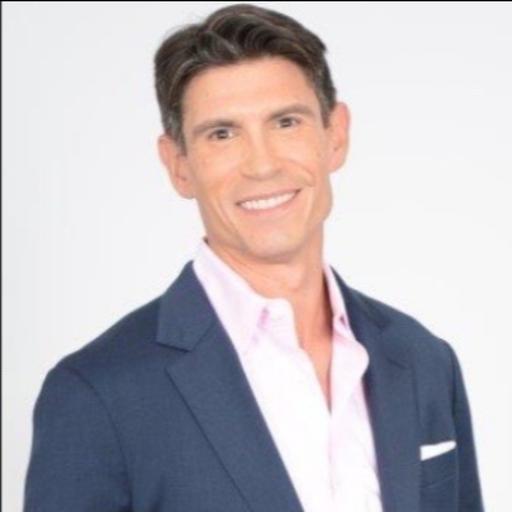
Retirement & Life Transitions Expert
Nearly 20 years Helping people prepare for retirement4 Pillars of sustainable retirement planning3 Buckets in his wealth-building approachSales Director Named by Financial Marketing Group in 2013
Chris Maduri has spent nearly two decades helping people prepare for more than retirement - he helps them prepare for the life that comes after work.
Because retirement isn't simply the day the pay cheque stops.
It can change your identity, your marriage, your relationship with your time, your health, your family and your sense of purpose. And Chris believes that's the part of retirement planning most people don't talk about.
Chris began his career just before the 2008 Financial Crisis, an experience that fundamentally shaped how he thinks about risk. Watching carefully constructed plans come under pressure taught him that assumptions can fail - and that a retirement plan needs to work in the real world, not just on paper.
But after nearly two decades in the industry, Chris has come to see that financial preparation is only one part of the equation.
The bigger question is: What are you actually retiring to?
Chris describes retirement as the "fourth quarter of life" - and, if you've done things right, a little overtime.His work explores what it takes to make that chapter meaningful: having financial confidence, maintaining your health, protecting the people you love, staying connected to a sense of purpose and knowing how you want to spend the years you've worked so hard to create.
More from Chris Maduri
All episodes → Mid-life Men: the mental health podcastRetirement: Who Am I Without My Work? with Chris MaduriOct 2026Play episode →
 The Midlife Rebel PodcastWhat To Do After You Retire - Finding Purpose & Peace of MindSep 2026Play episode →
 Ask Faleskini - The Midlife Crisis Clarity CompassHow can adequate retirement planning help you get out of a midlife crisis?Aug 2026Play episode →
 4 Fit FatherhoodWhat Are You Retiring To? Money, Marriage, and Purpose After Work | Chris MaduriAug 2026Play episode →
 Remarkable People PodcastDon't Retire from Purpose Chris Maduri on Identity, Faith & Your Second ActAug 2026Play episode →
 Sales POP! Podcasts: Insights from Top Experts in Sales, Marketing, Leadership & More.Retirement Planning: The 5 Red Flags to Avoid with Chris MaduriJun 2026Play episode →
 Serving Seniors PodcastEpisode 99: How Seniors Can Protect Retirement Income with Annuities and Home EquityMay 2026Play episode →
 Financial Freedom PodcastHidden Retirement Planning Risks with Chris MaduriApr 2026Play episode →
 Leadership Circle PodcastYou're Not Afraid of Being Known, You're Afraid of This | Chris MaduriApr 2026Play episode →