
Richmond Heath Podcast Episodes

Interview with Richmond Heath
The Health Bridge Podcast with Holly B.
Jan 2026

Interview with Richmond Heath
Heal Podcast - Lily Patrascu
Dec 2025

Interview with Richmond Heath
Free Your Soma with Aimee Takaya
Nov 2025

Interview with Richmond Heath
One Thing with Dr. Adam Rinde
Nov 2025
236. (PART 1) Shake Yourself Free: How TRE (Tension & Trauma Releasing Exercises) Unlocks Stress Architecture with Richmond
Rewiring Health®
Oct 2025
Episode # 264 Pain & Panic Relief - Attention to Tension -TRE – Guest Richmond Heath
Anxiety Simplified - Beyond Traditional Psychology
Aug 2025
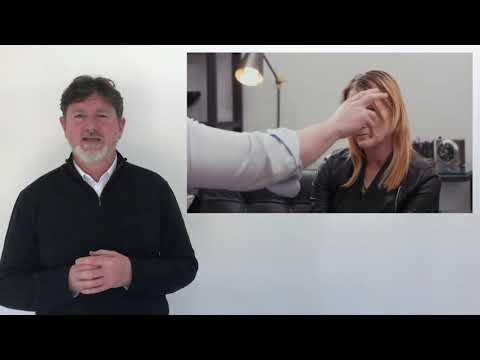
Latest episodes
Key topics
The Missing Bottom-Up Element in Most Wellbeing Practices
Practitioners often understand that stress lives in the body, yet many techniques rely heavily on conscious control - breath, posture, focus, intention. Richmond shows how involuntary movement accesses a deeper layer of the nervous system that structured techniques can’t always reach. He explains why combining bottom-up and top-down methods accelerates outcomes for clients, especially those stuck in chronic tension or high-functioning anxiety. This gives practitioners a practical way to expand their toolkit without abandoning their existing modalities.
Why Stress Isn’t a Mindset Problem
Modern culture treats stress as something to manage with willpower, yet the nervous system processes it primarily through subconscious, embodied reflexes. Richmond explains how this mismatch leaves people feeling like they are failing when “managing stress” becomes another mental task. By restoring the body’s natural release mechanisms, stress becomes something people can resolve physiologically instead of mentally. This gives audiences a way to feel calmer without forcing their mind to do all the work.
Why You Still Feel Stuck After Doing “All the Work”
People often blame themselves when mindset tools stop working, assuming they lack discipline or insight. Richmond reframes this: most emotional patterns are driven by the body’s subconscious protective responses, not by thoughts alone. When those patterns don’t shift, no amount of journalling or reframing can unlock change. He shows how working through the body frees people from patterns they’ve been trying to “fix” mentally for years.
View all topics →
Latest episodes
Key topics
The Missing Bottom-Up Element in Most Wellbeing Practices
Practitioners often understand that stress lives in the body, yet many techniques rely heavily on conscious control - breath, posture, focus, intention. Richmond shows how involuntary movement accesses a deeper layer of the nervous system that structured techniques can’t always reach. He explains why combining bottom-up and top-down methods accelerates outcomes for clients, especially those stuck in chronic tension or high-functioning anxiety. This gives practitioners a practical way to expand their toolkit without abandoning their existing modalities.
Why Stress Isn’t a Mindset Problem
Modern culture treats stress as something to manage with willpower, yet the nervous system processes it primarily through subconscious, embodied reflexes. Richmond explains how this mismatch leaves people feeling like they are failing when “managing stress” becomes another mental task. By restoring the body’s natural release mechanisms, stress becomes something people can resolve physiologically instead of mentally. This gives audiences a way to feel calmer without forcing their mind to do all the work.
Why You Still Feel Stuck After Doing “All the Work”
People often blame themselves when mindset tools stop working, assuming they lack discipline or insight. Richmond reframes this: most emotional patterns are driven by the body’s subconscious protective responses, not by thoughts alone. When those patterns don’t shift, no amount of journalling or reframing can unlock change. He shows how working through the body frees people from patterns they’ve been trying to “fix” mentally for years.
View all topics →