Retirement, Reinvention, and the Search for Purpose with George Jerjian
0:00 / 46:20Message in the Middle: Midlife Women, Reinvention & Personal Growth· Listen to George Jerjian on air
Retirement Mindset Mentor, Creator of The DARE Method® Author and Speaker
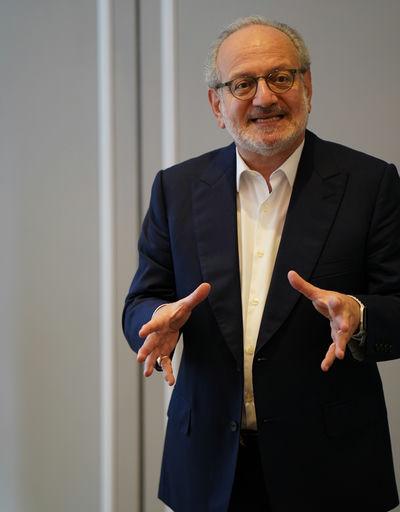
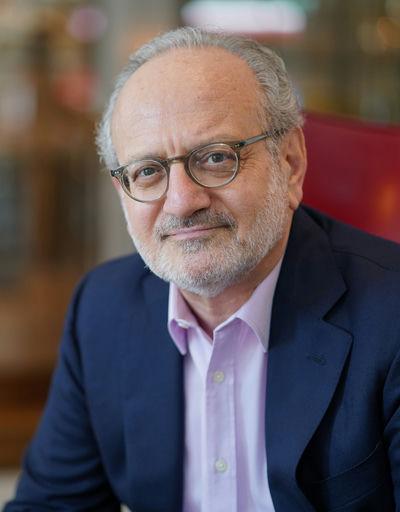
George Jerjian is a retirement mindset mentor who helps people rebuild meaning and direction after full-time work ends. Early in his work with retirees, he noticed a pattern. Most people prepare hard for the financial side of retirement, then get blindsided by what money cannot organise. There is instability when a job title disappears, and there is opportunity in the space it leaves behind. George calls that turning point the Identity Renaissance, and it sits at the heart of everything he teaches.
George did not arrive at this work from theory. At 52, he received a life-threatening diagnosis that led him to semi-retire. When the diagnosis proved wrong, he expected life to snap back into place. Instead, he spent years drifting, restless and uncertain, and surprised by how disorienting freedom can feel when identity has been tied to a role. A 30-day silent retreat became the reset. It gave him the pause to listen, follow his intuition, and eventually unretire, choosing a more intentional second act.
That lived experience became a framework. George created the DARE Method® to guide people through reinvention in later life, moving from confusion to clarity with practical steps and grounded self-inquiry. His work is especially relevant for adults aged 55 to 75 who did everything right, planned responsibly, and still find themselves asking the bigger question: Who am I now, and what do I want this next chapter to stand for?
An Emmy recipient and award-winning author of 12 books, George blends storytelling with real structure. He also works with HR leaders and financial professionals to design post-retirement transition programs that support people through the psychological shift of leaving work, not just the logistical one.
As a podcast guest, George brings a clear lens on the Identity Renaissance and a usable framework for turning retirement into a purposeful, self-designed next chapter.
Many organisations talk seriously about employee wellbeing while people are in the business, but that care often stops at the exact moment someone faces one of the biggest identity shifts of their…
When an employee retires, the people still inside the business notice how that exit is handled. If retirement support is purely transactional, it can quietly signal that loyalty ends when…
Retirees rarely say “I’m scared I won’t know who I am,” but it shows up as second-guessing, impulsive decisions, and a nagging emptiness. The default belief is “once I’m secure, I’ll be fine,” yet…
Many organisations invest heavily in onboarding, development and wellbeing, then offer very little emotional or psychological support when long-serving employees approach retirement. George reframes…
19+ podcast & stage appearances. Remote or in studio, broadcast-grade audio.