
Deri Llewellyn-Davies
Boardroom Strategist and Creator of Ultra States Examining How Humans Actually Perform Under Pressure
Sample Podcast Questions for Deri Llewellyn-Davies
- 1
You’ve seen pressure in boardrooms and extreme environments — what do most people misunderstand about how humans actually perform under sustained stress?
- 2
Flow is often treated as the gold standard of performance. Where do you think that narrative has gone wrong?
- 3
You talk about performance as “state selection” rather than motivation. What does that reframe change for leaders who feel constantly on edge?
- 4
From your board experience, how does prolonged pressure quietly distort decision-making before anyone realises something is wrong?
- 5
Many founders blame burnout on discipline or time management. What do you see instead when you zoom out across patterns?
- 6
You’ve described extreme environments as a laboratory. What do deserts, mountains, and endurance races reveal about performance that office life tends to hide?
- 7
How does chronic stress show up differently in cognition, health, and relationships — even when someone appears “high functioning”?
- 8
As a father, what did you notice about how work intensity carries into family life if it’s never consciously interrupted?
- 9
When organisations talk about culture, what are they missing if they don’t consider the dominant states their people operate in each day?
- 10
Looking ahead, what do you think leaders will need to understand about human performance that most organisations are still ignoring?
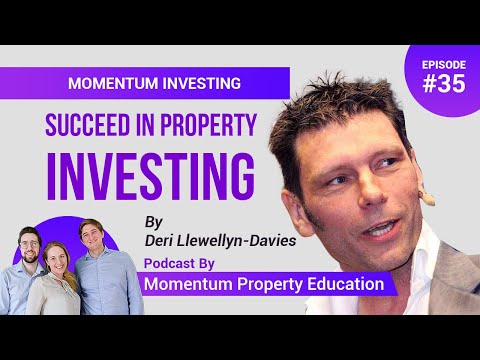
Latest episodes
588: How Elite Athletes and Great Leaders Build Unshakable Executive Presence Through State Management
Speak Up: Develop Your Executive Presence & Leadership Communication Style

Interview with Deri Llewellyn-Davies
Sales POP! Podcasts: Insights from Top Experts in Sales, Marketing, Leadership & More.
How to Access Flow State and Accelerate Your Success
Engineer Your Success
Key topics
The hidden cost of coming home stuck in work mode
Many high-driven fathers walk through the front door still carrying the pace, edge, and urgency of the day. Presence then gets framed as a character flaw - “I should be more patient” - rather than a physiological state that hasn’t shifted yet. From lived experience, Deri speaks to how intensity leaks into family life, and why good intentions alone don’t create calm, connection, or attention at home.
The future of work belongs to organisations that understand human state, not just human capital
Most organisations invest heavily in defining values and aligning strategy, while paying little attention to the conditions people are operating in day to day. Culture, in practice, is shaped less by intention and more by the dominant states teams spend their time in - urgency, focus, connection, or depletion. Deri positions Ultra States as a lens for understanding why future-ready cultures will be designed around how humans actually function under pressure, not how they’re told to behave.
Recovery isn’t time off, it’s a performance state
Rest is often treated as collapse: scrolling, distraction, or escape. Genuine recovery, however, is a physiological downshift that restores the conditions for clarity, creativity, and resilience. From the Ultra States perspective, peak performance doesn’t follow burnout - it follows recovery.
View all topics →
Latest episodes
588: How Elite Athletes and Great Leaders Build Unshakable Executive Presence Through State Management
Speak Up: Develop Your Executive Presence & Leadership Communication Style
Interview with Deri Llewellyn-Davies
Sales POP! Podcasts: Insights from Top Experts in Sales, Marketing, Leadership & More.
How to Access Flow State and Accelerate Your Success
Engineer Your Success
Key topics
The hidden cost of coming home stuck in work mode
Many high-driven fathers walk through the front door still carrying the pace, edge, and urgency of the day. Presence then gets framed as a character flaw - “I should be more patient” - rather than a physiological state that hasn’t shifted yet. From lived experience, Deri speaks to how intensity leaks into family life, and why good intentions alone don’t create calm, connection, or attention at home.
The future of work belongs to organisations that understand human state, not just human capital
Most organisations invest heavily in defining values and aligning strategy, while paying little attention to the conditions people are operating in day to day. Culture, in practice, is shaped less by intention and more by the dominant states teams spend their time in - urgency, focus, connection, or depletion. Deri positions Ultra States as a lens for understanding why future-ready cultures will be designed around how humans actually function under pressure, not how they’re told to behave.
Recovery isn’t time off, it’s a performance state
Rest is often treated as collapse: scrolling, distraction, or escape. Genuine recovery, however, is a physiological downshift that restores the conditions for clarity, creativity, and resilience. From the Ultra States perspective, peak performance doesn’t follow burnout - it follows recovery.
View all topics →