Related articles
About Amar Dhall
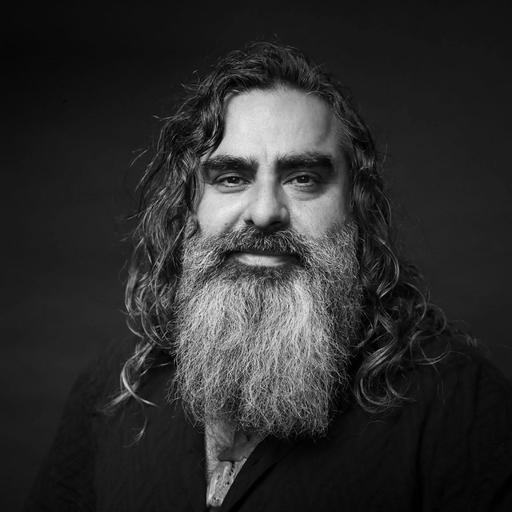
Psychotherapist and Leadership Researcher Focused on Nervous System Regulation Under Pressure
23 Senior leaders interviewed for leadership research5 Industries represented in leadership researchPhD Doctorate in law, University of CanberraFounder Neuro-Somatic Leadership
Amar Dhall works at the intersection of leadership, psychology, and what actually happens inside people when pressure is on. His work focuses on why capable, well-intentioned leaders often lose clarity, judgment, and relational capacity in high-stakes moments — and what helps them stay coherent instead.
Drawing on trauma-informed practice, nervous system science, and real-world organisational work, Amar approaches leadership as a physiological and relational process, not just a cognitive one. He is the founder of Neuro-Somatic Leadership, a framework that treats leadership development as training state under load, rather than adding more concepts to already stretched nervous systems.
Amar works with executives, founders, and leadership teams who are competent on paper but carrying disproportionate responsibility in practice. His work addresses patterns such as over-functioning leaders, fire-fighting cultures that sacrifice the important on the altar of the critical, and the quiet erosion of truth-telling that occurs when stress concentrates responsibility in a few individuals rather than becoming shared capacity. His approach is pragmatic rather than performative, grounded in real organisational constraints rather than ideals of constant openness or emotional intensity.