
October 14, 2026
EP330 - Align Ambition with the Life you Want to Create with Hugo Brooks
Sound bites
One of the dangers of ambition is it forces you onto this sort of train track that just goes relentlessly unquestioningly.
We need to be ready for constant change.
In this episode
Hugo Brooks talks about ambition, why constant change demands flexibility, and how founders can align success with the life they actually want to create.
- A fixed goal can become a trap when it pushes someone down a single path without questioning where that path leads.
- Ambition can drive people automatically unless they pause to ask what matters at their current life stage.
- Business decisions improve when choice is restored instead of staying overly fixated on the next goal.
- Constant change means yesterday's strategy may no longer fit tomorrow's world.
- Driving ambition consciously matters more than being driven by it.
Transcript
Automatic captions of the conversation. They can contain errors and do not name who is speaking.
One of the dangers of ambition is it forces you onto this sort of train track that just goes relentlessly unquestioningly. The rate of change has become so intense that we don't need to be ready for the change that's coming tomorrow. We need to be ready for constant change. Where we tend to go wrong, you talk about business decisions is we deprive ourselves of choice by getting a little overly fixated on the goal. What one key piece of advice would you like to give to all the entrepreneurs watching and listening today?
>> Hey, and welcome to another episode of the Business Grow Show. I'm your host, Aan Casiotus, and today I have a powerful guest. His name is Hugo Brooks and he is an ambition strategist, speaker and author who helps founders, business leaders and ambitious creatives build success on their own terms. And after more than 35 years building, growing and selling brand, innovation, and communications businesses, Hugo stepped away from the entrepreneurial treadmill to explore what truly drives ambition. Having advised global organizations including Coca-Cola, Uni Lever, Nestle, and Virgin, he now combines commercial experience with insights from neuroscience, evolutionary biology, and social history.
And through his coaching practice, Magnetic North and his book, Ambition: Redefining Success for a Restless Age, Huga helps people recognize the hidden forces shaping their choices, move beyond autopilot, and align their ambition with the life they genuinely want to create. Welcome, Hugo, and thank you for being on the Business Grow Show. >> Thank you very much. Thank you very much for having me. That was such a great introduction. I'm not sure you need me to say anymore. >> Oh, you're welcome, mate. I like to start with plenty of energy and make things happen here and I'm sure it's going to be uh yeah very impactful for everyone watching and listening and and you are a successful entrepreneur.
So yeah, for those that don't know who you are, I know I know we we framed a lot there, but is there anything else that you want to add to tell us a little bit more about you and your journey? >> Maybe just a little bit of a quick bit about my background that'll help also sort of set the context for where I've ended up where I am today. Um so as you said I spent 30 plus years in a particular industry and my industry has been around uh is kind of creative brand development innovation that kind of space with big global brand owners as as my clients.
That's what I've always done. You know it's where I started originally. Started as a designer realized I wasn't really good enough and it would be smarter of me to employ designers rather than try and be one. Um and set up a design consultancy and it kind of ran from there. But it but it's an industry that is very very sensitive to the economy. Um so it goes it's being running a business in anywhere in that industry is is always a roller coaster. It's always feast and famine and uh and I spent many years where that feast and famine thing just became a rhythm for me.
You know when it's when it's going up you think it's going to keep going up forever. Uh and uh and when it's going down, you think, well, there's nothing I can do except fix this. I've got to fix this. And of course, that combination of it's going to go up forever or I've got to be fixing it, bit of a trap really. You don't ever stop to question. And uh about 3 years ago, um I it was kind of coming off peak and heading in a downward direction. The whole industry is in quite a lot of turmoil at the moment. And uh and I was explaining to my wife what my plans were for kind of reinventing, pivoting, losing some people, gaining some people, changing all the all moving all the usual pieces to get ready for the to to turn this around.
And she said to me, "Are you sure you want to do this?" And I realized with a bit of a horrible unpleasant shock that I had not not only did I not really want to do this, but I'd never really asked myself that question in all those years that I'd been doing it. I had never really asked myself, do I really want to do this? And it was just sort of automatic. It was just, you know, this is what I do. You know, I set myself a goal. um uh I have an objective. I have a big long-term vision. I have a strategy to get there.
I have all the tools and pieces. Uh and I follow that path and uh and so actually I decided not to do it. So I actually decided to stop doing it pretty much within that week that my wife asked me that question. [gasps] Excuse me. It's a lot easier to stop when you're going down than it is when you're going up. uh in my experience and uh and so I did and I and I let go of the business uh which is still struggling struggling on in other hands but I let go of it and then I sat down and went okay so what am I going to do now then and who am I and I guess sort of fundamentally the question uh how did I get here and that then led me to a sort of bit of self inquiry and then reaching out to many many other business founders in different sectors and talking to them about it and uh and I realized that we are all driven by this thing which I'm choosing to call ambition.
Um you can call it drive, you can call [clears throat] it whatever you like, but there is this thing in us that makes us get up and go for it every uh every day. And uh and I became really curious about that and how that had led me through 30 plus years without really questioning I mean constantly working striving you know setting goals all of those sorts of things but not necessarily questioning my direction. Um and uh so I started writing about it and uh uh and that's that's kind of become my uh become my my my obsession is what is ambition?
Uh what's what what's it all about? How can we get hold of it and use it more powerfully? How can we come off autopilot if you like and really begin to think about well what if I what if I really understood it and controlled it? Where could it take me? >> Yeah. Awesome, mate. I love it. >> I hope that makes sense. >> Yeah, I think it's great. What a story. And um you know, well done for you for for making that transition because I know from uh from an identity perspective, Ryan, and and from a mindset perspective, that's a big shift that needs to happen of going, you know what, I'm I'm stopping doing that business and I'm going to go down a new path.
And and I love the word obsession that you use there. I'm I'm telling this to my audience a lot more of my clients because if you really want to be successful in business, you have to be obsessed with what you do because there are going to be the ups and the downs, you know, the feasts and the famines, especially at the start, right? What when you're doing something. Um, and you got to have the resilience to do that. And if you're obsessed, it's like you'll find a way there on doing that. And you'll really delve into how specific you want to do it, right?
Of like it's not not just surface level. I know that um you know from what you're talking about here you really get into the crux you know of what ambition is. So I love that. So I think it's a really cool topic and you know I I have a lot of ambition and I want to hear definitely more about it from you. So um you know let's start I guess from a simple element right is obviously everyone we've got a lot of business owners entrepreneurs right founders um that are here um they have ambition right they want to probably build that ambition as as they grow but um you I know you talk about not letting it sort of drive poor business decisions here so so yeah how how should we be thinking about ambition initially >> so I think that the first thing is that that I've learned through my own experience in having lots of these conversations is that the first thing we kind of need to do is unhook our ambition, the force, the energy from a specific destination.
So we we tend, you know, I say to people, you know, start talking about ambition, they'll start talking about their goals and and actually they are not the same thing. The ambition is the energy that drives you there. The goal is the destination that you happen to have chosen. Um, and there is real power, personal empowerment in separate unhooking those two things and going, "Okay, so I've got this thing in me that I seem to have been born with or it's come from wherever that makes me want to get up and do something." And when you really drill down to what ambition is, it's not, you know, it's not ambition isn't sell the company for $100 million.
Ambition is just a human need to make tomorrow better than yesterday. That's really all it is. And it sits in all humans and in many it's very suppressed and in some it's extremely overfed. Um, and but it but it exists. It exists in us and it is this just this restlessness of a desire to do something that is going to have a better outcome than than the current kind of status that you're in, whatever status that is. And it's really helpful to understand that that's what it is. It's it's an independent actually quite neutral force that you can deploy how you want to.
Where we tend to go wrong when you talk about business decisions is we tend to we tend to deprive ourselves of choice by getting a little overly fixated on the goal. And I'm not suggesting that goals aren't good things because of course they're absolutely essential and vital and we must be clear about them and we must know where we're going. But if you obsession is brilliant until it becomes kind of almost addictive like behavior in which you're not asking questions. And that's unfortunately the power of ambition will take you to that place where you're not really asking enough questions.
And and the the answer the antidote to this ambition is is definitely about stopping, pausing, asking questions and being prepared to go, actually that goal that I had when I was 25 is now different now that I'm 32. or that goal that I had yesterday is now different because technology has overtaken its original planned destination or whatever the circumstances are. Um and so one of the dangers of ambition is it forces you into this onto this sort of train track that just goes relentlessly unquestioningly. So relentlessness really important.
Obsession really important. Stopping to pause and ask about okay why am I doing this? Is this really what I want? Am I really is this really where I want to go? Is this still a valid goal? Um will it work for me? Those sorts of questions are are are essential to really taking control of it because as I say ambition is is actually a neutral thing. So I often say ambition can cure world hunger and ambition can cause World War II. You know, it's it's an immensely powerful thing in you as an individual and it's an even more powerful thing collectively in society.
Um but but it is neutral until you choose what direction to point it in. Um and and we often I think get really confused between the drive that we have and the destination that we're heading towards. We focus so much on the destination and not enough on the drive. And focusing more on the drive means more choice. Uh and ultimately to your point better business decisions. >> Yeah, I love it. What a great analogy of of the difference there. I love those differences. It reminds me a lot of sport growing up like I played a lot of soccer or football where you're from and and tennis right and uh you know it's like um what's the energy like you know you talk about a goal but it's not actually always about that right it's about just getting better right how do I think better how do I do better all of that every day and that just sort of builds that that momentum and that drive right that ambition within yourself that it's not always about yeah winning the specific thing or achieving that particular thing it's more about going well I would just want to be as best as possible as what I am in this space right that yeah >> yeah yeah I mean in the case of building a business you know that it's it is what's interesting is that if if you think about a goal or a destination I I'll tell you a story I I was in a in a sort of networking group with a group of founders a couple of years ago now um one of those groups where you all get together and have a few beers and talk about how hellish it is and how brilliant it is and all of the, you know, tell all the war stories.
And a guy had sold his company the day before, clean out for uh uh I think it was 20 million UK pounds, money in his back pocket, done, dusted, walked away. No wor out, no nothing, just done. Uh and we were all congratulating him and slapping him on the back and saying how well he'd done and so on. And somebody said to him, "So, how does it feel?" And he said, "To be honest, I realized that wasn't it." And the whole room kind of went si went silent as I think everyone there's a bit of a bit in each of us particularly those of us that you know have been uh entrepreneurs for a long period of time that that has a bit of a fear around what he was saying and what you know what he was saying was you know I've I've I've achieved my goal and now what you know that that that isn't the end for me that that you know that has whatever whatever it was whatever itch I was trying to scratch that didn't scratch it.
I've still got the same itch. And if you kind of think about it, a goal uh I often often say a goal is like walking through a through through some doors. You know, you you you you see this destination of the doors up ahead and you strive for years to get to that point, whatever that is, however you define that goal at whatever age, and you pass through those doors. But the passing through the doors takes two seconds actually. You have that moment of passing through the doors of achieving the goal and then before you know it, you're on the other side of the doors and and often the first thing that we tend to do as driven people is go, uh, okay, this doesn't feel comfortable.
Where's my next goal? Let's start striving again. Um, and it's a very common repeating pattern and certainly one that I did for for many many years. And um, but what you've done is you just spent the previous 10 years getting to those two seconds. And if you are overly obsessed, too blinkered, too single-minded over those 10 years, you you've potentially missed out on 10 years of your life just getting to that point which lasts you for two seconds. And then if you make a life of doing that where you do 10 years goal, 10 years goal, 10 years goal, you will have spent many many many years striving for something, not really living and only a few seconds actually going through the goal moment.
So it's not that I'm saying that goals and striving aren't good things. They are not only good things, they are deeply human and very necessary. We would, you know, we would wither and die without them. Um what I'm saying is that what we actually need to do is we need to rebalance our thinking a bit more into the 10 years and a bit less about uh about the goal as as you talk about in sport. You know with the coaching in sport used to be all about achieving the thing. So you need to get to being able to run the marathon in two and a half hours or win that match or or whatever it is.
Um, and when you've done that, you've achieved it. But the the whole thinking has shifted to exactly what you described, which is daily trying to be better. And the and that makes truly great sports people, not people that are going through this, oh, I've hit the goal, now I don't know what to do. Where's the next goal? You know, that not doing that and missing out on the experience. And actually, you know, if you're overly obsessed and overly blinkered in where you're going, what you mi often miss is the learning.
And that again is back to your good decisions thing is that is you miss the learning and and you don't have the flexibility to pivot. And those two things particularly in today's age and the future that is upon us that ability to learn and pivot has never been never been so important. Uh an old-fashioned goal thinking and relentlessness can cause you can can mean you go go the wrong way for too long. >> Yeah, I love it. Um you know, so true. It reminds me of um yeah what I've heard from my coaches and mentors like it's not about the destination it's about the journey right and who are you becoming over that journey as well because things can change markets can change your goals can change all of that um what's important for you right obviously improving yourselves I think growth and improvement like you're talking about is is a human need like we need to do that and we need to have focus on it it's also what else is important in those 10 years like you said right like is your family important in those times what else is important that you're not just working on the business and getting rid of everything else and going, "Well, I've actually lost 10 years of my kids' lives or or whatever else, you know, because you're you're, you know, too focused on the one thing." So, I think it's, you know, would you agree about understanding what's really important for you and putting in that that that improvement into that as well?
>> I I I would and and I think one of the key things about that is that what's important to you may well change. Um so I I work with uh I I work as a coach with with founders on the on their ambition as you talked about and and I I largely work with three age groups. So I work with people sort of in the earlyishfunded startup phase and they're from a from a new generation who arrive with some real questions about meaning in the first place. So they get to the questions that I didn't ask much much quicker. So it's really interesting to be doing that.
Then I work with with people that are in kind of midlife crisis. So midlife crisis an absolute classic, you know, that we that we all know about, but it's a real thing. It really happens a particular point in in your life. And I and I and we probably all know why that is. And then I work with people that are kind of maybe have been there a long time and are thinking about maybe I'm going to come to the end of my career. But the point about that is that there are the their their lifestyle needs, their personal needs, what what's meaningful for them completely changes during that period of time.
It is not the same. Um you know so many people just go okay this is what's important to me and I will just pursue that from you know 20 to 20 to 70. that's what I'm that's where I'm going to be going without without asking the question. And I I'll tell you an an example. So when I first started obviously a long time ago in in the industry that I was in, I was I going to say unfortunately very successful very quickly. So I I'd like to claim it was my own genius of timing and skill and all the rest of it, but really, you know, it was 90% luck.
I arrived in the right place at the right time. uh and my industry was going through the roof. There was money slloshing around. I I created a consultancy and the the you know the money just flowed in. I you know had an office in London. Then I set up an office in New York and then I you know bought houses in both countries and had the car you know had all the all the stuff and I was you know I was flying. I was really you I was really living living the life and uh the company was growing massively year on year and then it stopped literally big economic crash and my clients literally just turn the taps off and I was left completely exposed.
Um what is it Warren Buffett says? You you you you can only tell who's swimming without trunks when the tide goes out. Um it's and that was me you know I was left completely I was left completely exposed and that the point about that story is that during that time what was actually going on in my life was that I was a young parent. So in outside of my work, what I needed to be doing was building security, certainty, supporting my wife, you know, do doing all those things. But but you know, even even in, you know, in in numbers sense, what I needed was was to be building security and capital and, you know, and and and and behaving like that.
But I thought I was I thought I was a fighter pilot. Do you know what I mean? I thought I was top gun and and and I was out there doing it and living the life and you know and all of those sorts of things. So my my ambition was driving me in a particular way that wasn't actually very well interlocated with the life that I was living personally you know and and where I was in my life stage. And so it's a real learning that actually if if somebody had been able it wouldn't have been easy but if someone had been able to stop me and go okay what's what what's important here and what what should you be doing at this stage in your life what's you know what what what's really important to you um not not the next car or the next office or the next whatever you know whatever it is but actually there's something more important here I I I might have behaved very differently and my business might have survived It didn't, but it [clears throat] might have survived because I would have made different decisions about, you know, capitalization, about, you know, spreading risk, about all sorts of things if I'd actually aligned where I was in my life with with with what I was doing in my business.
>> Yeah, I love it. What a story, right? And um yeah, I think too many people think like I I can only do this or I can do this. And one of the questions I always ask myself is like how can I do both? How can I do it all? Right? I think it's a great question because um then you work it out right like how can I do that? And you go okay well if I want to be important for my for my family and build that I I I'll you know >> focus on that as well in terms of my direction as well as you know as well as the business. And you can do them like that.
It's just having the awareness right that's important. >> It's having the awareness. It's it's asking the questions as you say. It's it's it's then being willing to have the flexibility. I I think I think one of the downsides of ambition is that it really pushes you to staying on a single path for a long period of time. Um it's it's very self-reinforcing. Um it's it you know it's we hear all the time the pressure to you know to just keep going whatever whatever comes at you you know come you know storms or you know what whatever whatever the weather will just keep battling through to that point which is absolutely necessary unless you haven't asked what the where you're actually headed.
Um, and uh, and I think that's that that's really that's really what makes the difference. But then being willing to have the flexibility to go, okay, I'm I'm actually going to change that destination as a result of this question. Um, so many of us, we if we do ask the question, what it leaves us with is a feeling of discomfort. Well, we just keep doing what we were doing anyway. And actually, if we listened a little bit more to the question and the answer, we might be much more willing to pivot and change. And and the reason that that has always been important, but is is so much more important today and tomorrow than it's ever been, is that the the world is changing so fast.
As we all know that the rate of change has become so intense that we don't need to be ready for the change that's coming tomorrow. We need to be ready for constant change. And if you're still operating with an oldfashioned fixed sense of goal, vision, goal, strategy which never moves, never questions, never changes. But the world around you, the landscape is completely changing. Then you're going to get left behind. You're going to you're going to go in the wrong direction. So asking the questions has probably has always been really important to create a great life.
But actually asking the questions now becomes an absolute necessity to be successful and to go work with a world that is that is constantly change changing. Um, you know, there's no good in making tomorrow better than yesterday when your tomorrow no longer fits with the world that it lands in. >> Yeah, I love it. So true. And it reminds me when I did NLP um and there was there's a great line that I learned was about behavioral flexibility, right? And that that the person with the most behavioral flexibility wins the situation.
Um, so I think this is such a big thing that I I remember taking from that. So, for example, what I do, I'd love to know your thoughts as well, is like I purposely don't have the same routine every day on purpose so that I always have to adjust what I'm doing. So, I put myself in situations so because I hear so many people that are so rigid in their morning routines or certain things and then when something doesn't happen, it's like everything falls off the the you know, the wheels fall off and it's like, well, that's life though.
Anything can happen in life. So, I I purposely do that. So, I'd love to know your thoughts on this about if people want to be better at that at that constant change, what how should they be thinking or what can they be doing, you know, to to give themselves more of that muscle, right, to set themselves up for that future ambition success. Yeah. >> Yeah. So, I I love that idea about not not not sticking to routines. And and I think, you know, I think that's a great thing. I I I kind of have a habit where I notice if if I repeat the same thing at the same time three days in a row, I I won't I don't do it anymore.
So, you know, be because and whether actually whether that's a good habit or a bad habit, I I stop and I go, okay, is this just becoming automatic? And I and I think that's, you know, that that's a tiny example, but I think there's a much bigger picture version of that. um which is which is all about well there are a series of steps to it for for me and that that I've learned along the way. So so the first one is understand that your ambition is independent and you have a choice where to drive it and uh that's not just a that's not just a sort of academic idea.
If you can really get that into your head it's it it's it is enormously uh powerful for you. Um, so that that that I think is the first step to really really get that in your mind. And then the second step is to think about your goals as soon as you possibly can. Stop and think about your goals and um be really open to thinking about them quite broadly. Let them be driven by your values rather than by metrics and measurements of success. Really think about what's going to what what goals do I want? We tend to think goals in very very simplistic terms.
You know, the guy who sold his company that I talked about, he had a goal that was to sell his company for that amount of money. Whereas our goals, you know, I I think you should have a goal stack, not a goal. You should have sort of three-dimensional layered goals that take in all parts of your life that are really really well thought about and you spent some time on. Um, and then then the the last piece really in a sense is okay, so how am I now going to go about achieving that goal? And rather than the spirit of kind of swashbuckling endeavor actually the spirit we need to start with is of learning and experimentation.
Actually that's what we need to do. So you need to think of the goal not as a god that you worship but as a direction that you're heading in. You know you've just come out of out of your home and you need to know whether you're going to turn left or right. Well the goal is going to tell me which way I need to turn. Great job. First job done. Now, what I'm going to do as I walk down the street is I'm going to approach walking down the street in this direction in the spirit of learning and creativity. And I'm going to take everything that comes my way as learning and turn it into something that'll help me head in that right direction.
And it's it removes a lot of the sort of day-to-day sense of uh of failure that happens and turns failure into this is not a new idea but turns failure into learning. And if you really do embrace that spirit of I'm going to learn my way to my destination, then that forces your mind to stay open. And it's very different to the spirit of I am going to, you know, take up my sword and shield and I am going to push through this through the sheer exertion of self-will. I will get to a point that I have I have decided is very different to I know broadly where I'm going.
I'm going to learn my way to get there. And that spirit of learning your way to get there will mean the questions come and it will mean that you need to you will you will want to revisit that goal stack that I described on a really regular basis and adjust it and change it. Um and that's that that that's the crucial thing. That's the difference between striving for 10 years and having two second satisfaction versus actually having 10 years of satisfaction and you know and then and then still you know achieving goals and then moving on to the next ones but making the the striving period a meaningful period rather than just a journey to a destination.
>> Yeah, I love it. I love the the spirit of learning creativity. Um my son is you know 20 months old now and uh I tell him some beliefs or affirmations every day or things that my parents didn't do but just um you know I'm trying to program him in a positive way and I I always say like I'm always growing and learning right like every day there and uh and whether he's with me whether he's um you know goes to somebody else throughout the day I always say what did you learn today what did you do today you know what's something new there that you do because I think that's that's the way I like I look at life as well is um you know the more the more you learn you you just become a better person and it's like a lens right it's like a curiosity lens that's the way I'll think about it a lot of people think oh I know this or I don't care about this and you know they sort of go through that automated thing that you're talking about there whereas if you go to curiosity lens it's like what could I learn here or if someone's acting a certain way I'm curious about that like how what can I ask them about to see how they're thinking differently instead of just going ah this person's a bit weird or whatever like that it's like let let's get curious and and then all of a sudden how you connect with people and and your energy, right?
Like you talk about ambition with energy is bigger, right? Like people feel that from you and they they come up to you going, "Wow, like I want to be around you." Isn't that the type of person you want to be where you're infectious, right, in your energy? >> Absolutely. And I I I you know, I could I couldn't agree more. And I think you know the spirit of inquiry and curiosity and learning is is immensely powerful when you then give it a direction and say I am learning and curious in order to head this way. That's amazing.
That is amazing. Um because that's that ensures that you are you're really moving forwards. Um you're really going somewhere and that we all want to feel that way. you know, it's we're all looking for that for that for that that feeling. Um, but we're doing it in a way that really has flexibility and learning and it makes the experience in the dayto-day really meaningful and valuable. So, every day becomes meaningful, not an imagined point in the future at which something will become meaningful. And that and that that change is what makes for I mean it changes everything.
You you talked about you know people are attracted to you. That is definitely something that happens. [clears throat] You stop, you know, you stop selling uh which which is really interesting, you know, you stop selling and you start you start sharing your experience and you know your thoughts and people want to know that and uh and and that and that that changes everything. you have an inner confidence and you you know you you have far fewer of the days where you get up and god I got to do this again. Um which you know we know none of us want to think happen but of course we all know they do.
Um how far few of those days because it's kind of okay well what shall I do today to go in that direction that I'll have ended the day knowing more about how to get there than I did when I started. And it's really transformative and I I feel like you know personally I've lived two lives. So I I live the life from you know the the 30 year plus career which was definitely the the old way of doing it. And since I stopped three years ago I have set myself a a very general direction. I've looked at my whole life. I've set myself a very general direction.
And I get up every day. It started with me writing and I started writing and then I realized well in order to write this with knowledge I needed to speak to people. So I reached out and I did some research with 30 40 founders. So you know that was just a learning experience for me. Took me outside of my narrow view immediately. Um and then I found I could write better. And then as I wrote then I you know I published the first part of my book and that got really were very very well received and suddenly people wanted to talk to me and find out what what this was all about.
Um and people want me to help them get control of this. So that's what I did. But I had no idea when I started three years ago that I was going to end up being you know a speaker a coach and an author. I literally didn't know. I just knew that I was really curious about this thing called ambition. I was really aware that I maybe had not not in a regretful way but maybe there would have been a better way to do this throughout my through my career and that's what I went in pursuit of understanding. So, I really feel like I now have, you know, as ancient as I am, I actually feel like I now have a completely new second life.
Um, that has that I that I'm designing and learning from in a in a way that I never thought. I'm I'm learning massively more today than I did when I was 25. >> Yeah, that's awesome. I love it. And I'm always learning. Like to me I'm like I'm never going to retire basically because I want to keep my mind going and keep adding value into the world. Obviously it will be different over a period of time in depending on your ages and I think with medical you know things now they reckon we could be living to 150 with the way medical you know technology is going over the next sort of decades.
So, it's understanding >> that what really drives you, that curiosity, keeping your mind going. Um, how are you adding value to people and that ambition, that drive, I love all of that. Right. So, so powerful and in what you're sharing, mate. And let's talk quickly about your book uh ambition redefining success from Russ's age. Tell me more tell us more more about this and uh yeah. >> Yeah. So, so one one of one of the things that happened uh in the spirit of what we've just been talking about is that when I started I assumed I was going to write a book.
I sort of I'm going to write a book and of course me being me, us being us, I'm I'm going to write a bestseller. Uh I want it to be at the you know that box as you pass through the airport that says top 10 business books. I want it to be in the top slot, number one in there, and I'm going to be famous the world over for for for being an author of this book. Um, and then I started investigating the publishing industry and understood that actually the the way you get to be in that place in that box at the airport is by paying money.
Um, and uh and so I so I learned something about what being an author would be. And I realized that that wasn't what I wanted at all. So on day one, I thought that's what I wanted by, you know, by week three, I realized that wasn't what I wanted at all. What what good would that do me? You know, I wasn't going to make any money out of it probably. Um and uh it was just kind of an ego trip and [clears throat] what, you know, what was that all for? Why would I put all my effort into that? Um so what I decided to do was to write this book really organically.
And I'm actually publishing it in four parts. So I've published the first part which is a quarter of a book. Um and the first part of the book is basically about what ambition is. It really digs deep into uh kind of the history of how it's affected the world and us where it comes from, how you experience it in yourself, how to identify it in yourself. um what the science is behind it, what's what's you know what the neuroscience is, what's going on with this this independent force that I've described. So that that is part one that's available.
Now the part two that I'm just finishing is actually the bit about how do I actually get control of it? So how do I actually really get control of my ambition and use it to create the life I want? Um, and so that that that's that's exactly where I am at the moment in terms of the book. And that's where I really question some of the old-fashioned structures around goals and strategies and and some of those old-fashioned ways of, you know, that people tend to get coached into being successful. Um, the third part of the book, which I'll be starting later on this year, is really about the social story around ambition.
So if you if you look at it individually that's one thing but if you begin to look at what do we do as a society about ambition. So if if if I was if I was running the world my second in command would be minister in charge of ambition. Um I think it's one of the most powerful and important human drivers that is just ignored uh and not thought about. I mean it's manipulated quite a lot by the p by powers of the bee. Um your politicians manipulate your ambition either negatively or positively a lot but actually in terms of taking real social responsibility.
So I I'm really concerned about what um what are we doing for young people today to ensure that their ambitions have pathways and in the world that is changing so radically where the kind of meaning of employment and and and paid return and all of those things are going to shift a lot. We need to be really attentive to providing human beings with pathways that enable them to do this thing of make tomorrow better than yesterday. If you don't do that then the social impact is going to be severe. Um and you know you there there is nothing more dangerous than a population that doesn't have hope and uh and so we really need we really need to attend to that.
The four fourth part of the book will be a kind of summary workbook part of it. But but I had no idea that firstly I was not going to be try and become a a successful author. I'm not really interested in selling books for the you know I think I think I think I got a royalty check from Amazon the other day uh for for I think it was £43. Um so you know that's how successful my my mission to become a a worldbeating author is. Um, but the point is that my book is getting to a lot of people and my point is that I've now found a message that's that that's really important to me and that I can live and communicate with passion.
I spent my whole life telling big brand owners how to find the way into consumer consciousness and make people love them and want them. Um, so you know, and that sold a lot of toothpaste and a lot of fizzy drinks along a lot along the way. Um, but now what I'm doing is I'm now doing something that is meaningful for me. Uh, and I think has some meaning in the world. Um, and yeah, and you know, and I'm fortunate that I have the choice to be, you know, I have the financial choices to be able to go down that path. Um but at the end of the day there's a sort of philosophy that says you know life doesn't have any meaning.
What the purpose of life is to give it meaning. And I'm really signed up for that way of thinking now. And actually you know what I need to do is I need to give my life meaning for me. I don't mean that in a moralistic way. You know, I'm not talking about good values versus bad values or any of that kind of stuff. It's just about, you know, I passed this way once and I w and I want it to be a meaningful experience for me and if it has a meaningful impact on others, that's that that would be a meaningful experience for me.
Um, so that's being reflected in the book and the way that I'm publishing it. So, it comes out in in bite-sized pieces. Um, and uh uh sort of uh yeah, so it's it's it's great. I'm I'm loving it. I'm loving the process. >> Yeah. Awesome, mate. I love it. Uh, good insight. And yeah, I've always I've been thinking about writing a book. And a lot of people do say it's more of a uh an impact and a marketing tool. It's not there about making money, right? It's about putting your your things out there and about connecting to as many people as possible.
So, well done for doing that. I like the way you're structuring it um there over time. So, mate, wish you all the best. I'm very intrigued uh to delve into it uh further, too. So mate, u you shared so much gold with us here today and I guess as we're starting to wrap up, what one key piece of advice would you like to give to all the entrepreneurs watching and listening today? >> Yeah. So I think it's it's difficult to distill it into one, but but but I think the the overall the sum of all of the messages that I'm trying to communicate is that it it's really the word driven is really interesting.
So, a lot of people talk about being I am driven and it kind of sounds a little bit like there's a third party involved driving you as if there's something you know that you don't quite necessarily have control of that is driving you. And what what I encourage and what I try to do with people whether it's in my books or my coaching or my speaking is what what if you weren't driven? What if you were actually driving? What if you were the one that was actually in control of this amazing force and really being conscious and choiceful about how you wanted to use it to create the a meaningful life.
So, stop being driven and start driving is the is the is the takeaway, I guess. >> Yeah, I love that. What a simple little reframe and so powerful as well, mate. Uh yeah, so we we connected through our network. So I learned about yeah your awesome journey from you know over 35 years building, growing, selling brand innovation, communication businesses to now helping you know people through your coaching practice magnetic north. Um mate, you're you're an awesome guy, so knowledgeable. I love this topic and I love the depth that we've gone into it here today, right?
because it's how we think about things is how we change our lives, you know, our businesses and everything else that's attached to that and really knowing are we going in the right direction um there and are we driving, you know, ourselves in your words in the direction that we want to be and making sure that we're checking in on that as well throughout our journey together. So um love this and it's been yeah so so powerful and I'm sure you're going to continue to help people recognize the hidden forces shaping their choices and move beyond autopilot and align their ambition with a life they genuinely want to create.
are very grateful that we connected. Look forward to partnering as well. So, Hugo, how can people find you, get in contact with you? >> Uh, it's really simple. Uh, if you just put in uh hugs.com, that's B R KS, no E. Um, then uh that will take you to my kind of central website and from there you can find the work I do on in speaking. You can find details about the book um and uh and you can link to my coaching practice, Magnetic North. Uh if you just want to get the book then it's just on Amazon. Just look up uh Ambition Hugo Brooks.
You'll be right there with the link. >> Awesome guys. Definitely check it out. Check out the the personal brand website there. It's got all the links as well as obviously the book directly on Amazon. Uh we'll have that below in the show notes. Uh m it's been a pleasure interviewing you. Thanks for being on the business. >> Me too. Me too. Real pleasure. >> Thank you for watching and listening to the Business Growth Show where we talk about everything on business growth. And please like, subscribe, and leave us a fivestar review.
You can find me on LinkedIn, Facebook, Instagram, and YouTube as aanasiotus or visit my website, aanasiotus.com. And if you want to grow and scale your business, you reach out to me on any platform to see if we're a good fit. So until next time, remember that our business grows where we learn skills and take action using them in spite of fear. So let's create wealth and freedom together. >>
About Hugo Brooks
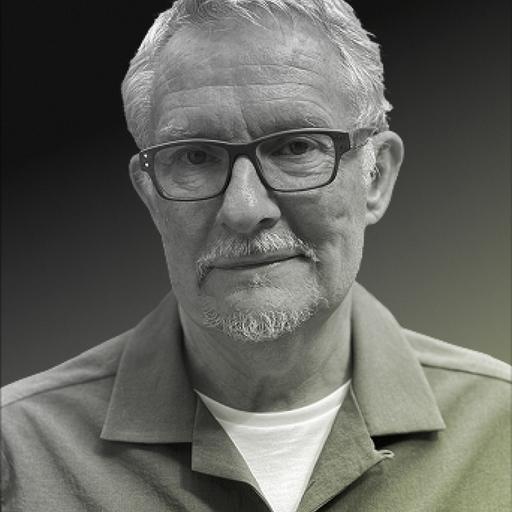
Ambition Strategist & Author
35+ years Building, growing and selling businesses4 global brands Advised Coca-Cola, Unilever, Nestlé and VirginPublished author Ambition: Redefining Success for a Restless AgeMagnetic North Coaching practice
Hugo Brooks is an Ambition Strategist, speaker and author who helps founders, business leaders and ambitious creatives rethink one of the most powerful forces shaping their lives: ambition.
After more than 35 years building, growing and selling brand, innovation and communications businesses, Hugo reached a turning point. Having advised global organisations including Coca-Cola, Unilever, Nestlé and Virgin while navigating the highs and lows of entrepreneurship himself, a single question from his wife changed everything: "Are you sure you want to do this again?" That moment led him to step off the entrepreneurial treadmill and dedicate his second career to helping others build success that is consciously chosen rather than unconsciously inherited.
Today, through coaching, speaking and his book, Ambition: Redefining Success for a Restless Age, Hugo challenges the conventional belief that ambition is simply about achieving bigger goals. Instead, he argues that ambition is a powerful human force that drives almost every decision we make -and that the real question is not how ambitious we are, but whether our ambition is taking us where we truly want to go. Drawing on evolutionary biology, neuroscience, social history and his own entrepreneurial journey, he helps leaders understand the hidden patterns that shape their choices and shows how to align ambition with the life they genuinely want to build.
More from Hugo Brooks
All episodes → Growth Hacking CultureYour Ambition Has No Stop Button. Now What? with Hugo BrooksNov 2026Play episode →
 TNM UnpluggedHow to Make Your Ambition Work for You with Hugo BrooksOct 2026Play episode →
 Mens AnonymousWhat Are You Trying to Prove? With Hugo BrooksOct 2026Play episode →
 Paper Napkin Wisdom · Leadership & Entrepreneurship Insights for Founders and ExecutivesHugo Brooks on Ambition Autopilot: Are You Driving Your Success or Is It Driving You?Oct 2026Play episode →
 The Entrepreneurial JourneyDo You Really Want to Do This Again? | The Entrepreneurial JourneySep 2026Play episode →
 The ups and downs of a small business ownerThe Hidden Cost of Chasing Success Without Asking WhySep 2026Play episode →
 Invest in YouThe Real Definition of Ambition with Hugo BrooksAug 2026Play episode →
 Ask Faleskini - The Midlife Crisis Clarity CompassCan Rethinking Your Ambition Save You From a Midlife Crisis and Severe Burnout? Hugo BrooksAug 2026Play episode →