
October 14, 2026
Ep 225: You Are More Than What Happened to You with Anne Paphitis
Sound bites
I don't like being painted as that, because although I am that, that's not all I am.
In this episode
Anne Paphitis talks about rebuilding life after a toxic, narcissistic marriage and finding ways to heal while abuse and post-separation fallout are still ongoing.
- Rebuilding after leaving a narcissistic relationship and surviving the fallout
- Finding small moments of joy and coping while abuse was still ongoing
- Remembering identity beyond survivor or victim labels
- Using art, drama, study, and other interests to reconnect with herself
- Why community and group support can make healing feel less isolating
Chapters
Written from the transcript. Pick a chapter to play the video from that point.
Transcript
Automatic captions of the conversation. They can contain errors and do not name who is speaking.
Welcome to The Rising Beyond Podcast. I'm Sybil Cummin, a licensed professional counselor who supports survivors of domestic violence and narcissistic abuse, especially those protective parents navigating the ongoing challenges of post-separation abuse. If you're feeling isolated and overwhelmed as you deal with the family court system, the constant communication with your abusive ex, and you're always worrying about if your kids are going to be okay through all of this, this space is here to remind you that you are not alone and that healing is possible.
When you are still dealing with the course of control post-separation, or we call it post-separation abuse, healing can literally feel impossible. It feels like a nightmare that is never going to end. So how do you rebuild your life when the abuse has not completely ended? Well, that is what we're talking about today. I am joined by Anne Paphitis, a survivor. She's a life coach and she is joining us from Ireland right now, but she is originally from South Africa. And we're going to talk about how she, as a survivor, found moments of joy, and started to rebuild her life while she was still in her marriage, and continued rebuilding herself during the fallout of post-separation abuse.
We are talking about that question I get asked all the time is, how can I heal? How can I start that process? How can I be okay from the abuse when I am continuing to be abused? So if you want to just get that started, or you need just a little something to bump because you've felt stuck, this episode is for you. Let's bring Anne on to the show. Well, Anne, I'm so excited to have you on The Rising Beyond Podcast today. Well, thank you for having me. I'm really thrilled to be here today too. Yes, I'm excited that we're reaching people, not just here in the United States, we are reaching people all over because everywhere needs support.
This does not discriminate. It's not just a US issue. Where are you coming to us from? So I'm currently in Ireland, in Cork. I'm not a native to Cork or Ireland. I have only been here for four years. So I came from South Africa and I can vouch for what you're saying. 100 percent, this is not a problem only in the US. It was a problem I experienced in South Africa. And being in Ireland, though my life is different here, I certainly come across lots of people that could do with the kind of support that you offer. Yeah.
So can you share a little bit about what has led you to be kind of passionate about working with people in the space of abusive, toxic, narcissistic, whatever language you want to use, relationships? What has led you here? So having experienced it myself, having gone through a toxic, narcissistic marriage for many years, and eventually managing to escape from that, and rebuilding my life. So dealing with the kind of fallout that you would expect from leaving a narcissistic relationship and surviving that. And I use the term loosely surviving because it is surviving.
But for me, it was about building a new life within that space. And what really made me want to work with other people was, I was just doing my life, right? I was just going through what I needed to do to get through the different things I was getting through. And it was only really when people that I knew, friends and people I met and heard what had happened, or I spoke about what I'd been through, kind of said to me, wow, like, how did you do it? What were the things you did that made you come out, you look unscathed, how did you do that?
And obviously, I did a lot of work on myself as well, but it made me stop and think, things I thought was just normal, the way I was dealing with it, turned out to be things people maybe didn't really know, that that would be a way to cope with it, or to overcome it, or to rebuild themselves afterwards. So then I started to share that with people, and I was just amazed to see that it's a really challenging thing to be in. So it's difficult sometimes to realize that there could be a way to do it in a way that's better for you.
And sometimes you just need somebody to share that with you, or show you a different way, or give you some tools or ideas how to change the way that you cope. And then also, I think it was seeing how much of a difference it makes to have other people who have experienced what you're experiencing, reach out to you and be there for you, so that even if they can't tell you what to do, just sometimes knowing that you're not some kind of strange freak of nature going through this terrible thing, there's other people who have experienced this and have survived, makes it an easier journey.
So that's what really inspired me, was like it felt really necessary to share what I'd been through and my, I say wisdom, not wisdom, share what I'd done, my methodology with other people on how to come through something like that. So that's how it happened for me, really. Yep. And you just like did the best marketing for The Rising Beyond Community. Oh, there you go. Because I fully believe that there is such a difference and part of healing isn't, you know, yes, going to a therapist is awesome and helpful, right?
I'm biased in that because that's what I am. And being around other women is who the community is for, but other people who have experienced the fallout, because it is fallout after you leave. So there's like the abuse when you're in the relationship, and then you leave and of course it doesn't end, it just morphs and changes shape and can be harder than what you experienced while living in the relationship. And having other people makes it, that get it, that believe you, you don't have to keep defending yourself. It is so...
So and very powerful. And what you're saying is true. I mean, it was actually how scared I was of the fallout that kept me in that relationship for longer than I should have stayed. Had I known, like had I met people who made me realize that you can overcome whatever they throw at you, I probably would have left sooner. But I didn't... You don't go... You know, there was no resource. So having like... I mean, this is powerful for people who've stepped out of that space, but for people who are still in that space and looking and going, I couldn't manage knowing there's a community out there that can give you the tools and the support and help you.
Because it's very overwhelming, you know, it's difficult to even think straight when you're fielding all these, you know, missiles coming your way. Had I known, you know, I wish I could have found a podcast like yours, not selling you, but I'm being dead honest. Had I found some resources that made me understand that it is something you can overcome, I probably would have left sooner. So, I mean, I ended up staying for a very long time in the marriage. I'm not sorry because it taught me a lot of resilience and ways to make my life good, even when times were really bad.
And that stood me in really good stead when I was building my life again. So when everything felt like it was all imploding, the years that I'd spent building happiness and joy and beauty in my life, when in a narcissistic marriage, really stood me in good stead when I had to build a new life in the face of the fallout, really. So that's kind of it all ties together, but you're right. And interesting, like you're saying, the communities for women, what was interesting for me as well was I actually met men who'd left narcissistic relationships, who had experienced it.
It's a slightly different relation. It's a different mechanism because I think some of the things we experience going through the divorce, the financial wrangling and the control and power and the way systems are built to make things better for men is generally skewed. So men on the whole have a far less terrible time from that perspective in the aftermath. But that's not to say that there aren't men who experience the same as we do in terms of somebody really making their life hell on earth during and after a toxic relationship.
So just putting that out there, if there's any men who come across this, and think that they can't reach out to communities as well, they might feel weird in a woman only one, but men should pay attention to the information that's out there too, really. Yeah, and we do, like in my therapy practice, we have worked with males who have experienced this. And yeah, everything looks just a little bit different, but it is common. Something you said that was where I'd like to spend our time is rebuilding yourself even when you are in it.
Because so many of the women I work with, right, they left and they have younger children. And they are stuck, air quotes if you're not watching, co-parenting with this abusive person to your child's 18 and maybe even them some. And so, you know, if they've got 10, 12 years, whatever, in the post-separation abuse, I get a lot of feedback on like social media and people email me of like, no, it's not possible. Like it's not possible to heal. It's not possible to find joy, to be okay, to get out of survival mode. When you are in that container, it's not possible to find joy.
And I believe you can. People ask me like, can you fully heal? I don't even know what that means. Like, are you fully healed, right? Like that's like lifelong. But oh my gosh, you can rebuild your life even within that. So let's start there. How did you do that? Because we've talked offline and you were able to find joy and start that process when you were still in it. And then during the fallout and post-separation abuse, you were also able to really start rebuilding. You know, I think the thing is, I mean, thank you for that.
You make me feel validated in that what I've done is worthwhile talking about. But it sounds, and you could probably dissect it a little bit more. It sounds a little bit like avoidance or ostriching. But I think it was about compartmentalizing and kind of having the opportunity to, well, forcefully choosing, making the decision to say, I will not let everything about my life be defined by this situation. And it's very difficult because it does invade all the parts. But I used to actively choose to be, I'm not going to think about this now and put it away in a cupboard, shut the door and focus on the thing that was good, that was going on at that moment.
So whether it was, you've gone on vacation and yes, there was outbursts and issues on the vacation as they would be. But to not allow that, to ruin my opportunity to enjoy the things that were in us. So being on a beautiful beach or being in Disney World with my children or whatever, in case maybe allowing myself to shut that part down, and I can only verbalize it as compartmentalizing. So although I was living in that space, I actively chose to dissociate myself with that as much as I could. I mean, yes, of course, there were times where it did overwhelm me and I'd go through days where I just felt like I don't know if I can carry on doing this.
But then to remind myself, I suppose it comes down to the old-fashioned count your blessings, but it's not really as twee as that. It really was about going, what in my life is good that I can focus on? So instead of only allowing that to overshadow it, I try to focus on that. So that really got me through the marriage, was because I kind of just cut that out of my mind as much as I could. And then when I left, I mean, the bombardment was probably even worse, because then suddenly this person went from sometimes being nice and sometimes being terrible, to just be constantly terrible and trying to make my life, you know, like obliterate my life.
So that was really, really challenging to try and dissociate myself from that. But again, that's what I did. If I chose to do something, if I went to a film with a friend, or I went for coffee with a friend, or I was doing anything, you know, running a literature workshop with students or something like that, I made the conscious decision to shut the door on what was going on in my life, outside of that space for that time that I was involved in it. And it didn't fix anything. I mean, I wasn't resolving the issue. I still had to deal with the issues.
However, those moments are where you existing in a space that is, if you wanna use that term, very healing. For me, those were rebuilding blocks where I could start to build the person I am back up again. And that was a process that was going on. So every time I was being broken down, I was focusing on something that was rebuilding me so that I could remain some kind of whole person within that space. So, you know, you have a hollow section, but all the other bits are full of vibrancy and laugh. So I think that's what I try to convey to people is to do that.
I think that it is, it's like a therapeutic, like modality, not modality, intervention. So if you are out there and you've done EMDR, which is trauma modality, or sometimes with trauma-focused CBT, or these other trauma modalities, there is something called the container exercise. I do it more with kids than I do with my adult clients, and it's because they're more playful. They're willing to do the thing with me. But I ask them because they need to do the hard work in here with me, where there is felt safety, the environment feels safe to them.
We can regulate their insides, so even their inside internal body feels safe to them, and then they feel safe with me. But when they leave here, and I'm thinking this is adults too, when you leave here, life is there. Life is there, and maybe the child is, maybe the parent that's waiting for them in my waiting room is the abusive parent, because that happens. What can we do to keep all of the tough stuff we've done here? Here. And so I do, I ask them, like, let's think of, we're going to think of a container that feels so safe.
And a lot of them choose like a treasure chest, because who doesn't like a treasure chest? I love a treasure chest. Yes. And so they'll, you know, I'm like, what is that treasure chest going to look like? And they'll, you know, we'll put, have them put all the things in the treasure chest and lock it. And some of them are like, well, I need to lock it with this, like, lock, but then we're going to put the treasure chest in this other chest and lock that too, right? They, and it helps me as a therapist, understand the level of fear of experiencing that outside of my room.
So if you are listening to this and you are, sometimes it is really hard to have that container. It really is. And so what I would suggest is, and I talk about all the time, people are probably annoyed them talking about all the time, but it's one of the ways we can heal even within, we can rebuild even when you're dealing with post-separation abuse, is finding any time where it's safe to feel safe. As many times where it's safe to feel safe, because then you can, right, maybe that's when you're looking at the stuff and you're putting it away and then you're having life.
But I do think that kind of finding ways to be present in the moment and having this container over here can be really, really helpful. Yes, I know, I absolutely agree. And I mean, there were lots of little small things that I did to help me immerse myself in that. So, you know, if I was meeting a friend for coffee, say, for example, I'd make sure that I wore something really lovely and put on pretty earrings and whatever so that the value of what I was doing outweighed the negative things that were else happening in my life, if that makes sense.
So I kind of try to raise the importance of how important these things were in my life. You know, if I had friends around to my house for tea, I would get out the special china, you know, my beautiful tea cups and serve it in that, because through, and it sounds so silly when I voice it, but it was all the rituals that I applied to those things that made them into valuable memories and experiences that I could fully, you know, and the act of doing that, you know, baking scones or pouring the tea from a teapot, those acts take you out of that space of, you know, they're things that take your attention away from the things that are designed to break you.
So for me, those things were really important. I mean, I left behind years and years of things we'd accumulated in a big house and a lavish lifestyle. And I took away only things that were really sentimental and things I'd inherited from my grandmother and that sort of thing. And I made it my daily practice to use them. So even now, I'll just show you, this is one of my granny's glasses. I'll drink water out of this every day. It used to live in a display cabinet in my house. But I started doing things like that because then it changes your experience of that because it, I don't know, it heightens the value of it, it heightens the specialness and it just made the experience much more immersive.
So it's almost a bit like play acting, like create this world that you inhabit, that is a different world to the one that you're having to face, the wicked witch or the wicked wizard or whatever, the ogre. The ogre you're having to deal with and you're creating your own fairy tale cottage where you can live away from that. So that was really important to me. Look, I mean, I was fortunate that I had lots of really great people around me that helped. So I did have a community that they were very inexperienced in what was going on, but they were just there so that I could spend time with them.
That's also important. Seek out people who aren't just, where you're gonna meet them and just talk about what you're going through. Meet people who can be positive in your life as well, because it's important to empty the bucket, but you need to fill your bucket with positivity as well. So having friends around you that wanted to talk about things and do other things with you that aren't necessarily focused on that is also an important tool, I think, to have in your box. Yeah, because I think very often, especially when you are in it, you just had temporary orders for your divorce and the parenting plan and nobody's getting it and the legal system and the barrage of messages is coming, all the stuff, the smear campaign happened at the school, all the things, you're in it.
It can be really hard to remember that there are parts of you that are not just a survivor of abuse. And one of my favorite, favorite things in the community, especially when we have like a new cohort, a new group of women coming into the community, is to ask them and have conversations about what is something we should know about you that has nothing to do with the abuse, with the, you know, even with your kids, right? What can we learn about you as a human? What should we know, right? Are you funny? Were you an elite athlete?
Do you love skydiving? I don't even know, right? But what is something about you as a human? Because we're not just, right? Like, if you are experiencing this, you are not just a survivor of or victim of, and that is what your ex wants you to be. That's what they want you to be. 100 percent. No, it's so like, honestly, I can't tell you how that excites me hearing you say that, because for me, that was the most important thing. And that's why I get very, like, I try to avoid saying, I'm a survivor of abuse or a survivor, you know, I survived a narcissistic marriage, because I don't like being painted as that, because although I am that, that's not all I am.
And that's exactly 100 percent right. That is, it's very easy to sit in that space, and it strips away so much of what else you have to offer and who else you are. Those were also tools that I really used, to lean into things that I had kind of just allowed to fall apart or not. Just, you know, they were no longer part of my life. So taking, you know, back, taking up art classes again, for example, taking up art, getting involved in drama with students, studying, you know, expanding myself, not because I wanted more.
Those were just things I'd wanted to spend time on, but hadn't had time to do. Just trying different things, exploring the things about myself and reminding myself about the things and the person that I am beyond, just this, like you say, victim. Because it is very, it's hard to find joy in your life when you're seeing yourself as someone who's been beaten down, damaged, hurt, a victim. It's hard to find joy. It's hard to find joy. So you have to remind yourself that you're somebody beyond that. I love that. I love that.
It really excites me when I hear you talk about getting that message out to people because I think that's the number one message that needs to get out there. Slightly off, digressing, what I ran in South Africa was a school for students that came out of mainstream school. I can't remember if I told you about this, but they had suffered bullying and also homeless. That were maybe where the relationship with their parents were problematic. I think the number one thing that I used to work on with students is to say, you're not just someone who's bad at maths.
You're much more than that. You're not just someone who forgets their books at home, or wasn't good at sport, or didn't like going to the social functions at school, or whatever their case may be within the context. Was to say to them, yes, okay, you don't like those things, or you can't do those things, or you haven't learned how to do those things yet, but these things about you are amazing. Let's think about those. And that changes everything. And I think the same applies to people rebuilding their lives, is we're so focused on these things broke, this fell apart, my marriage was a disaster, I shouldn't have done that.
And you spend all your time unpacking everything, and it's important to go through therapy, certainly, but once you've done that, and you feel not like you're about to need to be sent to a recovery home for a while, you can turn around and look and go, actually, who else am I? What else can I do and explore? Because we're very untapped beings, I think, that's the thing, is none of us really have explored everything we have to offer, are able to do or capable of or interested in or even just enjoy. You don't have to be good.
I think that's the freeing thing about the second life you build for yourself. When we're young, it's almost like, okay, I'm going to learn to do this because that's going to be my career. But when you're later in life after you've gone through this divorce and marriage and your kids are growing up or whatever, you can choose to do something just because you like doing it. You don't have to take up art because you want to sell your paintings at an expensive gallery. You can just paint because in those two hours that you're painting, you're not thinking about what you're going through right now.
So does it matter? No, it doesn't. Quick pause for a moment. If you want to stay in the loop and get more support between episodes, I share reflections, practical guidance, and resources that you can use every day in my newsletter. This is especially for survivors and parents navigating post-separation abuse. The link to join is in the show notes, or you can go to risingbeyondpc.com/newsletter. Yeah, and I think that one of the insidious, horrific parts of how coercive control works is, like number one, it isolates you, and so that plays a lot of different roles.
It prevents you from getting help a lot of times. But I think one of the bigger things it does is if you don't have other people in your ecology mirroring back the good parts of you, right? Because a lot of what we know about ourselves is through other people, like how other people see us. And so if you don't have these people to mirror back your amazingness, then the only person you have mirroring back who you are is your abuser. So they're not a reliable narrative of who you are. And so that benefits them. And so often that identity is what is stripped over time because you're not allowed to go see friends.
You love painting and they will say like, Oh God, well, that's just like a waste of time and money. You're not even that good. Like, what are we to do with this? This just creates a mess in my house, right? Whatever it is. And so being able to take those things back, because I do, I work with a lot of women who truly don't know who they are, outside of who they were told they were by their abusers and sometimes through their family of origin also. And I say, I'm like, no, this is like the fun part. You get to figure out who you are.
It's not fun. It's hard. It's like really hard. It is hard. But you're right. And it is fun as well. It is fun. You can make it fun. But I love that. Like your work is amazing. I wish I'd found you when I was going through what I was going through. I kind of stumbled along trying to figure it out. But like had I worked with someone like you, I think my journey would have been a lot easier and quicker. It wouldn't have taken me as long to leave. And I think my recovery would have been a lot cleaner than just figuring it out.
And I think it's finally, I had this conversation the other day. I was like, when I was talking about this, I think I was talking with someone else about a podcast interview, but we were talking about how even just social media and just it being more like available to people. So social media has goods and bads. There's goods and bads. But being able to hear other people's stories over Instagram or YouTube or TikTok or wherever you're listening and to hear the language of coercive control, narcissistic abuse, gaslighting, Darvo.
Like when you finally, I feel like there's this shift. I think it's super important though to like remember kind of that historical piece of like, I talk about this all the time. I was not trained in domestic violence, like helping victims of domestic violence, was not trained in helping people within this narcissistic abuse framework. I was not trained in grad school, right? And so I think it's so important that we remember that because it is so important to hear survivor stories, to hear the success stories, because very often people are kind of, right, like they get blinders on and are only hearing the horrific stories.
Great. And there are hopeful stories too. There are. There really, really are. And that's really the space that, you know, you're an expert in dealing with people really in the middle of the chaos, in the eye of the storm. But what I like to try and focus on is when things have kind of settled a little bit, you know, the divorce is through and yeah, you're still dealing with stuff. But bringing that hope to people to really show them that there are ways to rebuild your life and to share those stories of other people who have done that, who have rebuilt their lives from whatever.
And you know, it looks different for everybody. So you have to hear a lot of different stories and then pick all the bits out of that to build one that works for you, because it's not, you know, an easy one size fits all solution. It's really about going, you know, let me experiment, let me try this. Okay, that didn't really work. What else can I try? And looking out there. And as you say, social media is a win for that, you know, communities and spaces we can go and see, oh, this, you know, I kind of do that with fashion as well.
I'll go on to loads of these different people who show how to style this and how to style that. And like, there's none of them that you can go and go, right, that's the solution. You have to look and go, well, that person did that with the scarf, or that person did that with the, I don't know, turning up their jeans or whatever. And then you can start to build your things. So if you think of, like, you don't walk into a store and buy the outfit of the mannequin, you're going to walk around the store picking up things.
So it's a little bit like that, you know, you're going to walk around and choose outfits that, and you got to go to the changing room and try it on and see, does this fit me? It looked great on the model or on the hanger, but if you put it on me, it doesn't quite fit. It's a little bit like that building your life again. I did that as well. I tried a bit of this, I tried a bit of that, and I joined these things and tried those things, and some of the things stuck, and some of the things I was like, nah, not for me.
Join a yoga class. Those ladies, we didn't really gel. Finding another class, okay, this is great. I like going there. I enjoy that. So it's a little bit about finding all the bits that, but you've got to be prepared to put yourself out there and also persevere, because like I say, one group of people doing a certain thing might not be the right fit for you. You've got to look somewhere else. A little bit like dating, I suppose. You've got to try a few different things. So that's my other piece of advice to people is don't give up.
If the first thing you try doesn't work, maybe you decide, I'm going to join an art class in an evening and you go and it's like a bunch of stuff that are really boring and you felt uncomfortable the whole evening. That doesn't mean every class is going to be like that. Try somewhere else. So it's about not giving up as well, I think. Yeah. And I'm thinking if you are in that space, I could see a lot of the women I work with feeling like it is them. Like this group, this activity, this thing, it must be me, that. And so how do you help people shift maybe from that, that guess what, it's not always about, it's not always you.
And you're right. And especially I see it with people who come out of narcissistic relationships because that person spent a very long time making you believe you were problematic. You're automatically wearing this persona of someone that's annoying or does things wrong or it's not really valuable. So if you enter into a space and you made to feel like that, you are going to think it's about you and that that's unfixable. But again, that's all I would say is you do, you have to, that's where it's important to be in a community of people to support you.
To come back to a group of people and say, I went to the art class and this and this is what's happening. And other people to turn around and say, well, that's nuts. Those people are, they're the ones that the problem, it's not you. I know someone who tried a different class and they have a total wall there together, try this, or encouraging you to go back out there and try. And don't be scared of making mistakes. It's okay to pick up something and discover that, like, no, that's not for me, or like that group didn't work.
I've done that, gone to, try to Pilates class here or a yoga class there, and I've gone to three different ones in a period of three different weeks because it's got to be what's right for you. And that's the other thing about coming out of a narcissistic relationship is that you have to learn to trust your own judgment. You don't trust yourself enough. So going into that space, like you say, you automatically assume, oh, this is because I am bad at art or I don't fit into, you know, like people don't like me or whatever.
It's judge for yourself, are these people that I like? Is this environment, the way this is run, you know, the whole structure of this, does that, is that something I like? And I think that was the thing I found really hard, especially when I left because in the relationship, there were things that were outside of my choice. You know, I couldn't make choices about certain things. I was kind of carried along with the way the life was structured according to what they wanted. But when I was on my own, I suddenly had to go, do I like that?
Stupid things, you know, having to buy toasters and kettles or furnishings for my own place was very challenging, because I was like, I don't know. You kind of stand there and you're going, is this a good toaster? Is this not a good toaster? But then you start to learn, like, is it really that important if I choose the wrong toaster? If it breaks after three months, I'll buy a new one, you know? So is it a bad idea to sign up for a class? If it's a bad choice, I'll leave the class. But you question yourself like that because you're so used to being attacked for your choices and your decisions.
So learning to be, it's okay if I mess up. And also, what is it that I actually want? Because that's the thing is to get that voice out of your head. Someone's standing over you and going, but why are you doing it like that? Or why are you picking this? Or this is a bad choice? Or, you know, and those things, I mean, I'm, well, almost 10 years out of the, you know, initial fallout period. And there's still days where that voice suddenly pops up in my head. And I'll have to remind myself how far I've come. So, you know, I don't sit here as, you know, the all-knowing goddess who's got it all perfect.
Fully healed. Fully healed. Because that's not even, I don't even think that's a real thing because there's always growth, always things. So it's funny when people ask me about that. Because I'm like, I don't even know. I think that looks different for everybody. Like what fully healed is. But I'm glad that you shared that because I don't want people to, you know, start, you know, feeling ashamed if five, eight, 10 years down the line, a voice pops in your head that you're like, oh, dang, that's his voice. That's what he used to say.
And not, you know, and not beating yourself up about it because that, that will happen. That will happen. And so making sure that you, it's kind of like you noticed that it's there, like, oh, haven't heard you for a minute. And choose a different, choose a different thought. So, Anne, how do you work with people and kind of where do you work with people? Okay. So, so it's actually, it's something I've been trying to put together in a formalized way in the last, probably the last year that I've been putting together.
I've been putting together an actual program and I'm looking to have my first cohort of people that I actually work with in a program, probably launching in January. I'm going to be going around and doing some workshops, some online workshops and in-person workshops just for people to get a taste of the kind of work that I want to do with people. My focus really is on, as I said, not helping people to escape from the marriages or the relationships. Although people are in, I'm certainly not positioning myself as someone who's advocating for people to leave, come to me only when they've left marriages and things.
People could be in positions in life where maybe it's not narcissistic, maybe it's just a boring marriage or just not very exciting or very happy, but they want to add interest and excitement to their lives and make themselves feel like the kind of person they used to be that they've kind of lost. But then, I'm not a therapist. I just need that to be out there. I'm not a therapist. I'm a life coach and I'm a person who's lived this experience. So all of my methodologies are really based on life coaching principles, where you're really in the driving seat, but I'm the person handing you the tools or making suggestions and getting you to explore for yourself ways to really find that journey, and help you on that journey back, the exciting journey.
That's really what it's about, is handholding you through the exciting journey to rebuilding yourself and feeling excited about every single day when you get up and look forward to the day ahead. Because that, for me, was the most important thing to rebuild during my marriage and in the time that I've spent recovering, is how do you go from thinking my life just ended in a dark ditch somewhere to feeling like, actually, there's a whole sunny path right ahead that I can choose to walk along if that's what I want to do.
That's really what I do. I will 100 percent share with you my links to my site, which is live. And I am looking for people to join my cohort, but also, you know, look up, they can see on my site links to online webinars where I'm going to be giving them some tools and sort of just getting a bit of a spark and see if they're interested in the kind of work that I do. Just a little bit of a taste of the kinds of things I do. I do focus a lot on creativity and that kind of thing because I believe it's such an underutilized tool for people to really explore and just immerse themselves in something very different and separated from life.
So yeah, I will share all of that with you so that if anybody is interested, they're more than welcome to reach out to me. And I do, I have got a little bit of a downloadable resource that I'll also share the link with you that your listeners can download. And if they like what they experience using the little workbook or worksheet or whatever you want to call it, they can contact me and we can set up a chat and we can talk about whether what I do is something that they'd be interested in working. I do work with people one-on-one, but I do feel that group work is so important because of what we were speaking about now.
Having a community, a community changes the dynamic in so many positive ways. That is really why I decided to go forward with working with groups of people rather than just one-on-one. Yeah. I know that we have, because we have some members across the pond in the Rising Beyond Community, but I'm starting to try and find local places for people to go as well. Because if we have something in person, it's really hard for someone from Ireland to fly here to Colorado. 100 percent. To do this in-person thing. So that's something in the next couple of years that I'm really hoping to find, is more local to my entire audience.
Because again, my audience isn't just Colorado, isn't just the United States, it's all over. That's amazing. This might be a local option. Yes. I'm not second. Definitely the ones I know. And yeah, so I'm super excited. We will of course have all those links in the show notes. And y'all know that you can always reach out to me via email. I do read them. I do respond. Info at risingbeyondpc.com and it's me doing the responding. So Anne, thank you. Thank you for this conversation. Thank you for having me. And I'm excited we are connected.
And I think that we can do some great things. So yeah, thanks for being here. Thank you for having me. It's been great. And I send all my best wishes and love to all of your listeners because this is an incredible journey and the work you're doing and the community you're building. Thank you all. We do this for you. And so we will catch you on the next episode of The Rising Beyond Podcast. If you're looking for more support beyond this episode, I invite you to join my newsletter. It's the easiest way to step into the Rising Beyond world and receive ongoing guidance for healing after abuse and navigating all the post-separation abuse challenges.
From there, you'll also learn more about the Rising Beyond Community, a place for survivors who want connection, steadiness and support while they're still in the fight. Go to risingbeyondpc.com/newsletter or go to the link in the show notes.
About Anne Paphitis
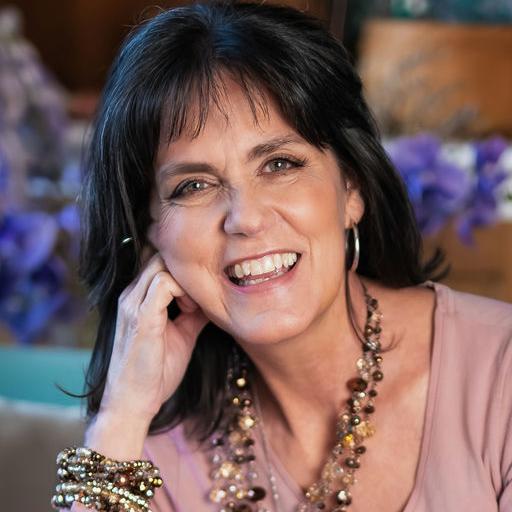
Resilience Coach, Speaker & Personal Reinvention Expert
2019 Began formal coaching trainingFounder Cambridge school for students outside mainstream educationAcquired business Rebuilding a new company
Anne Paphitis builds work from the conviction that life can be rebuilt, even after everything familiar has been stripped away. Born and raised in South Africa, she spent years running a Cambridge school she founded for young people who did not fit into mainstream education - students wrestling with anxiety, bullying, depression or simply falling through the cracks. Watching teenagers who once doubted themselves sit exams, head to university and later return with messages of thanks shaped her belief that change often starts the moment someone finally believes they can do more. A formal coaching course in 2019 gave Anne new tools to work with that same dynamic in adults.
She has reinvented her own life several times: falling unexpectedly in love with Ireland, emigrating, and more recently selling her school and buying another business she is rebuilding. Those lived pivots - the uncertainties, the practical choices and the tiny steps that rekindled hope - are the material of her work.
She is drawn to conversations that lift people out of survival mode and help them reconnect with purpose, confidence and simple joy. Anne prefers dialog and human connection to one-way advice. She loves being onstage or in conversation because she feeds off other people’s energy and watches them leave with a small but real shift.
More from Anne Paphitis
All episodes → These Lads Are MentalRebuilding Your Life After a Toxic Relationship | Anne Paphitis | TLAMNov 2026Play episode →
 She Talks Confidence PodcastFinding the Courage to Begin AgainNov 2026Play episode →
 Last First Date RadioEP 735: Anne Paphitis - Regaining Confidence After a Toxic Relationship or DivorceOct 2026Play episode →
 Where Parents Talk: Evidence-based Expert Advice on Raising Kids TodayWe Don't Have to Fix Everything: How I Teach Teens Resilience Without Becoming a Helicopter ParentOct 2026Play episode →
 Calm Your Daily Stress - Stress Relief for the Busy Midlife WomanReignite Your Spark: Starting Your Next Chapter with Anne PaphitisSep 2026Play episode →
 Ask Faleskini - The Midlife Crisis Clarity CompassHow to reignite your spark during midlife? Interview Anne PaphitisSep 2026Play episode →