Neuroscience
Why Daydreaming Feels Like Guilt and Why the Brain Needs It
Focus alone wears the brain out. The unease people feel when their minds drift may say more about their relationship with freedom than with productivity.

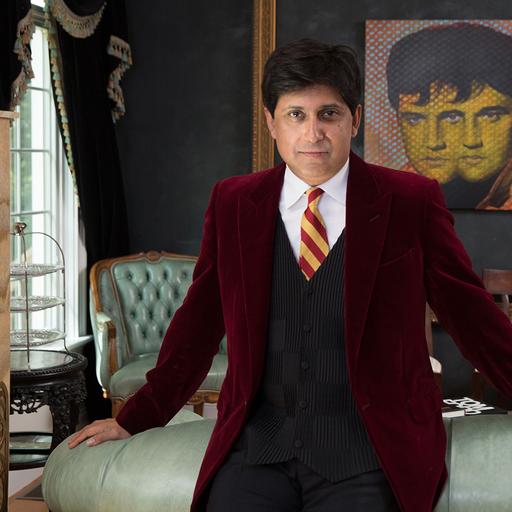
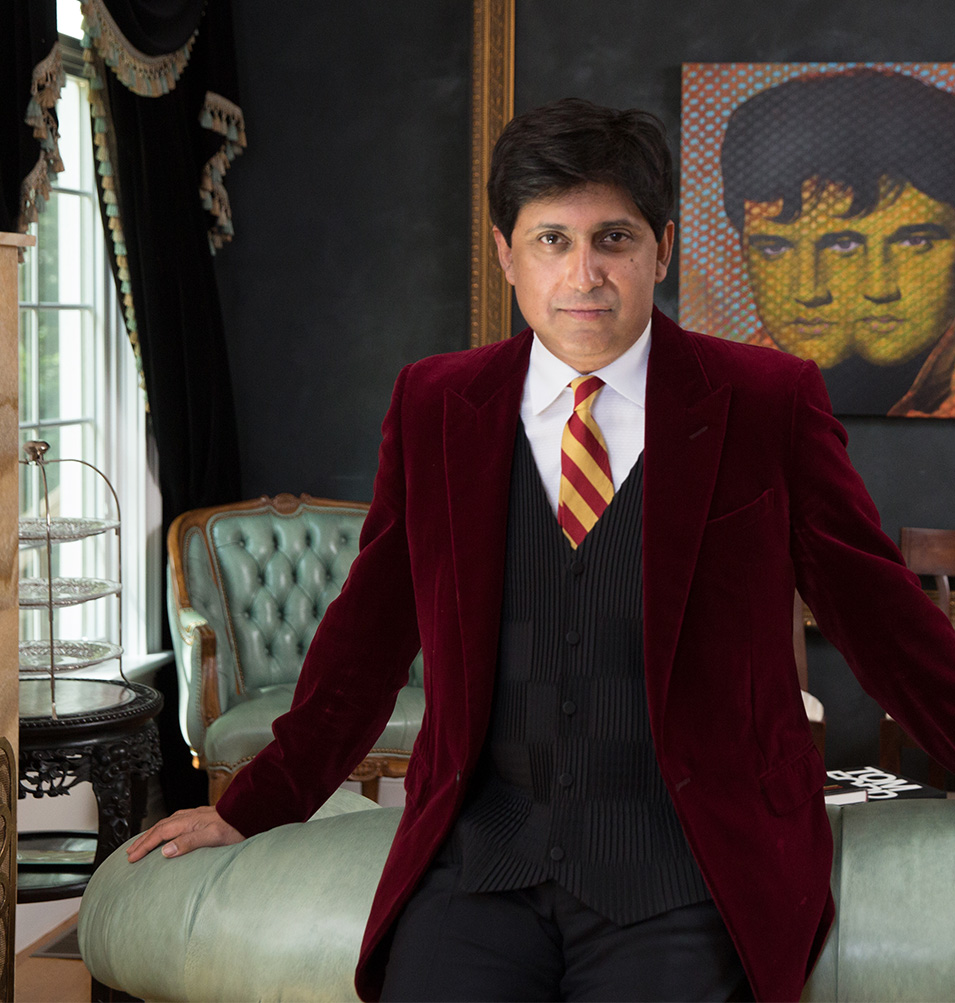
Dr. Srini Pillay: How to Stay Confident, Curious and Connected
Video from Abel James.
Generated from the canonical interview transcript and validated against source data by Guests on Air.
Why does the brain need unfocused time to stay creative?
According to Dr. Srini Pillay, the brain's focus and unfocus networks work as a pair. Relentless focus leads to fatigue, while stretches of unfocus let attention recover and help people become more creative and unstuck. The guilt many feel when they daydream, he says, often reflects unease with the freedom of their own minds.
Most of us were taught that a good life runs in a straight line: study hard, graduate at the top, move to the next top school and keep climbing. Dr. Srini Pillay, a psychiatrist, brain imaging researcher and author who has taught at Harvard Medical School, has spent his career questioning that script and making the case for tinkering and play.
His argument is not that focus is bad. It is that focus on its own is not enough to build a meaningful life, and that the brain is built to alternate between concentrating and drifting. When people deny themselves that second state, they burn out, get stuck and lose touch with the parts of themselves that make their work original.
In a wide conversation with Abel James that ran from music and medical school to a relay race in South Africa, he kept returning to one idea. Curiosity, play and a willingness to fall apart and rebuild are not distractions from serious work. In his view they are how people reach the intelligence they already have.
Key takeaways
- The brain's focus and unfocus networks work together, and constant focus without breaks leads to fatigue.
- Daydreaming can feel guilty because it exposes how uneasy people are with the freedom of their own minds.
- Growth often means letting an old version of yourself fall apart so that a new one can be built.
- A few anchors, such as a clear context or trusted friends, make it easier to explore without feeling lost.
1. Focus needs a partner
Pillay's research background is in brain imaging and anxiety, and he describes attention as a two-part system. The focus networks do the concentrated work, while the unfocused networks take over when the first set is overworked. If you only push focus, he told Abel James, you end up in complete fatigue rather than better performance.
Building periods of unfocus into the day lets people recycle the energy they spend on attention. He says this is how people become more creative and how they get unstuck, and he sees a sound biological argument for making it a daily habit rather than a happy accident. A few minutes of doodling or daydreaming can do the job.
He points to Kary Mullis, the Nobel Prize winning scientist who discovered PCR, as an example. Mullis was on a long drive, far from any lab, when his mind began sorting through images and the idea took shape. For Pillay, that unfocused state is where people get to experience the full range of their intelligence.
2. Why daydreaming feels like guilt
At a conference in London, someone told him they accepted the science of unfocus and got their best ideas in the shower, yet still felt guilty whenever they daydreamed. It felt like being off task and falling behind. His answer reframed the problem: the guilt is not really about productivity at all.
Drawing on Kierkegaard, whom his editor had wanted cut from the book, he argued that people are intimidated by the dizziness of freedom. Everyone claims to want to be free, but many add balls and chains to their lives to keep themselves captive, so they never have to feel how open their options really are.
Fear shapes how people treat their own potential in the same way. He believes most of us hold on to some level of inhibition because we are afraid of losing control. If we look closely at why we hold back our own success, he says, we often find that at some level we are afraid of our own freedom.
3. Break it down to build something new
He contrasts two ways of living. Many people spend their lives on self-esteem maintenance, protecting what they already have. Self-esteem optimization asks more, because every new stage requires you to disintegrate and reintegrate, again and again. You will never rebuild something in a different way if you refuse to break it down first.
He cites a Polish psychiatrist's theory of positive disintegration, which holds that gifted people, and he believes everyone, are willing to fall apart repeatedly. For them, falling apart is like tipping a finished puzzle back into the box and starting a new one. It is a different attitude toward change, not a sign that everything has gone wrong.
Freedom does not have to mean drifting without direction. He says people often confuse flying with falling, which is why they never try to fly. A couple of anchors help, whether that is the brain science he leans on or a circle of friends who accept that everyone oversteps now and then. With those in place, exploring feels far less risky.