Business growth
Mark Mills on Why the Business Model Decides What Growth Is Worth
The Cardpoint founder explains how a £1.50 fee, a contrarian site strategy and borrowed cash turned three cash machines into a network of 6,500.
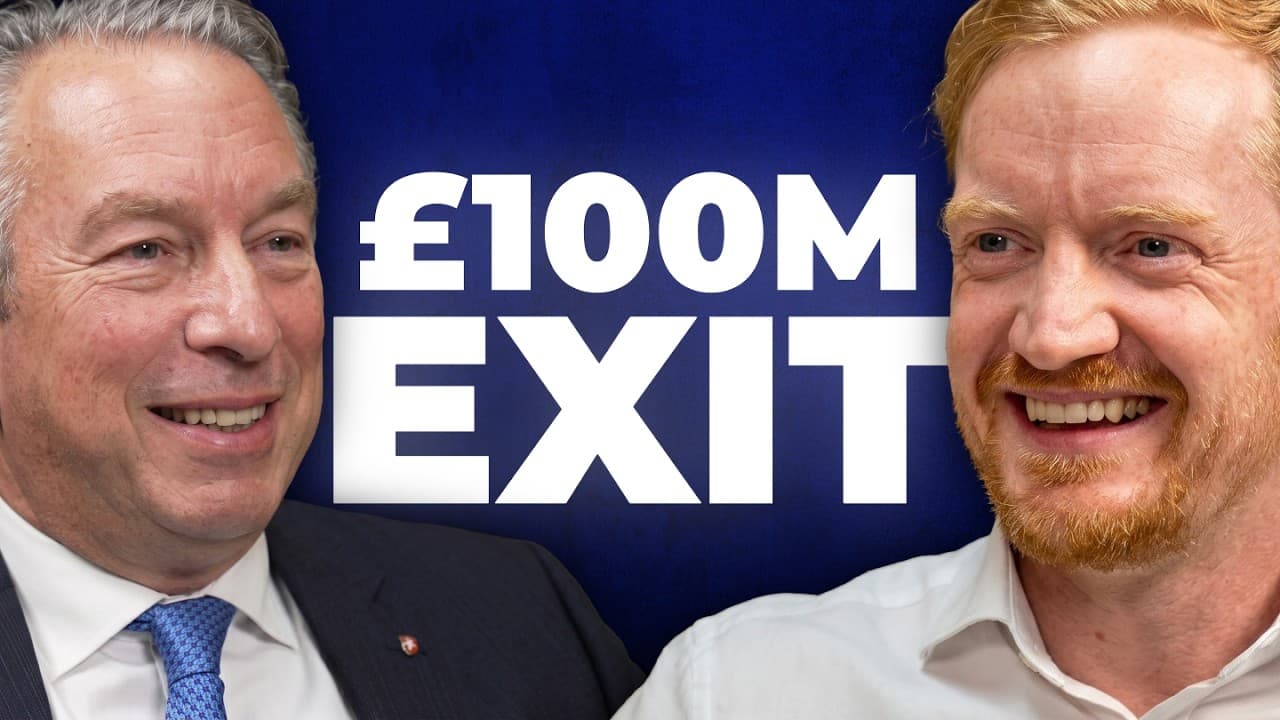
Selling Your Business for Millions: 3 ATMs to £100M Empire | Mark Mills
Video from James Lamb.
Generated from the canonical interview transcript and validated against source data by Guests on Air.
Why does the business model matter before a company tries to grow?
Mark Mills argues that growth only multiplies whatever model a company already has. At Cardpoint, a withdrawal fee paid overnight meant no bad debt and positive working capital, so every new machine added profit. He warns that doing more of a broken model only ends in oblivion, while a sound one lets owners sell their way out of trouble.
Mark Mills describes himself as obsessed with business models, and his years running Cardpoint explain why. Speaking with James Lamb, he traced how a cash machine he first saw in a New York corner shop in 1999 became a business with about 6,500 machines across the UK, Germany and the Netherlands, turning over £98.2 million in its record year.
The lesson he draws is simple. Before an owner pushes for more sales, more sites or more acquisitions, the underlying model has to work at the smallest unit. At Cardpoint that unit was a single withdrawal, and the economics were tracked down to a tenth of a penny, the level of detail he still expects from every business he advises.
Many of the most valuable moves in his story did not need new customers at all. They came from changing how existing assets earned money, from funding the business with someone else's cash, and from putting machines where convention said they would fail. For owners planning an exit, those choices show where hidden value often sits.
Key takeaways
- A fee paid overnight gave Cardpoint no bad debt and positive working capital, so every new machine added profit rather than strain.
- Converting about 500 acquired free machines to a charging model changed the economics of a deal without adding a single new site.
- Cash for the machines came from a bank with a surplus of notes, removing what rivals saw as the main barrier to entry.
- Mark Mills warns that growing a broken model only ends in oblivion, while a sound one lets owners sell their way out of trouble.
1. Get the unit economics right first
Cardpoint's model had several moving parts. The retailer hosted the machine, the customer drew cash, and the company took a fee, first £1 and soon £1.50, that was paid overnight. Mark Mills points out that this meant no bad debt and positive working capital from day one, with only the capital cost of each machine to fund.
Early machines cost about £13,100 and earned back their cost in about 30 months. Because the pattern was so predictable, the team could judge a site from its first week, month or three months of transactions. That formula made it easier to raise money on AIM in 2002, when the business had just 188 machines.
The same discipline shaped how he challenged convention. Advisers told him not to put charging machines in Leicester Square, where free ones were everywhere. He did it anyway, because that was where people went to get money, and those machines became some of the most successful in the estate. Convenience, not price, drove the model.
2. Look for value inside what you already own
In 2005 Cardpoint bought more than 800 free-to-use machines from Halifax Bank of Scotland. On a free machine the company earned only around 28p per withdrawal from the cardholder's bank. Mark Mills worked out that fewer transactions at £1.50 would still earn far more, with lower costs because less cash had to be moved.
So the team converted about 500 of them to charging almost overnight, leaving some free in deprived areas where a fee would have been unfair. He estimates the change added about six million in contribution. The banks could not make that change for political reasons, and the deal later drew an inquiry from the Treasury Select Committee.
He applies the same thinking to cash held inside a company. Owners turning over one to five million with large balances in the bank should, in his view, extract the money, even if tax is due, because people in companies grow lazy when cash is plentiful. Clearing personal guarantees and paying off the family home, he argues, beats idle reserves.
3. Fund growth with other people's cash
Rivals assumed the hardest part of the cash machine business was funding the notes inside the machines. Each early machine needed about £60,000 of cash once refills were counted, so three machines on the first day meant finding about £180,000. Many operators let retailers supply the cash, but that meant giving away much of the fee.
Mark Mills found a banking arm that took in cash from supermarkets and paid out pensions and family allowance, yet still had more notes than it needed. It agreed to supply cash on a notional overdraft, with interest paid only on what sat in the machines. The facility was left open-ended and eventually supported about 500 million a month.
His wider rule follows from that. If the model is wrong, doing more of it only ends in oblivion. If it is right, more sales bring more profit and more cash to solve every other problem. That is why he tells owners to sell their way out of trouble, and to fix the model before they chase growth or plan an exit.