Dementia and caregiving
Living grief: mourning a mum with dementia who is still here
Author Cassie Welford explains why the grief families carry while a parent lives with dementia deserves to be seen and named.
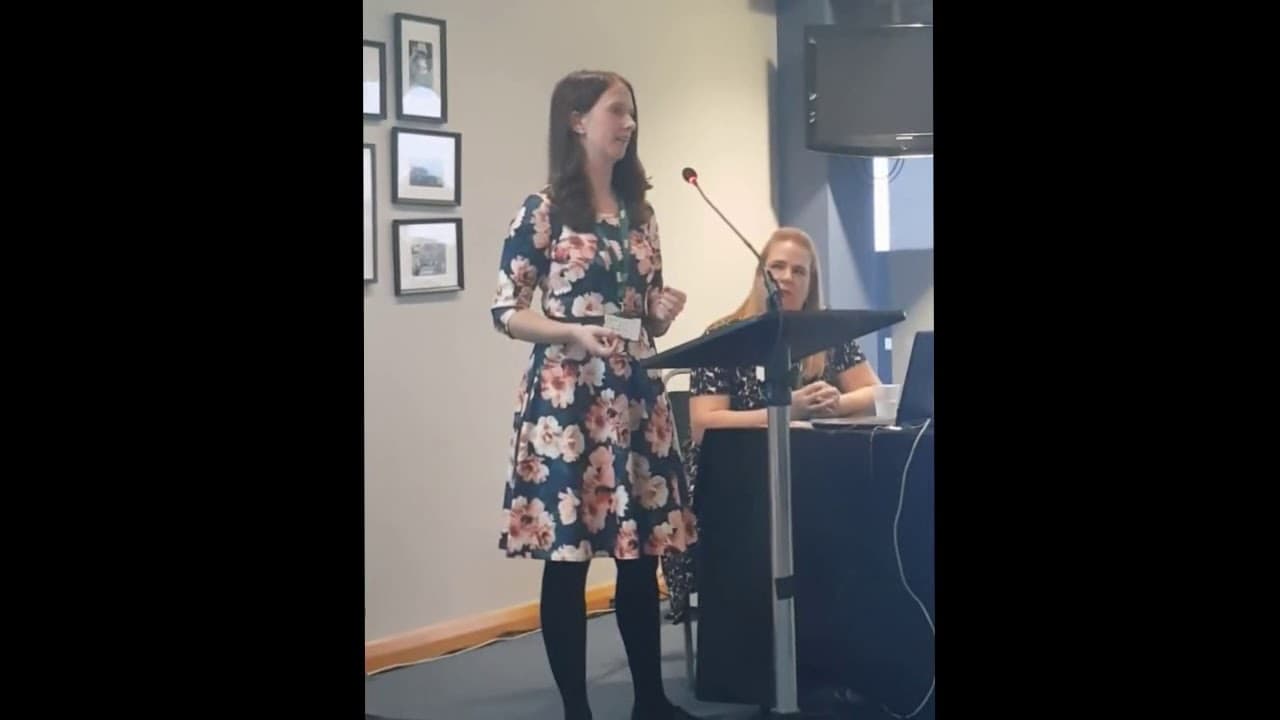
The grief that doesn't count...
Video from Cassandra Welford | Author | Speaker.
Generated from the canonical interview transcript and validated against source data by Guests on Air.
What is living grief when a parent has dementia?
Living grief is the mourning that happens while someone with dementia is still alive. Cassie Welford grieved for her mum for five years while her mum was still here, through the diagnosis, the loss of independence, the care home move and small moments like forgotten shoes. Naming it helps carers see that this grief is real, even when nobody else counts it.
Grief and bereavement are usually tied to a death. In her talk The grief that doesn't count, author and speaker Cassie Welford describes a different kind of loss: grieving for her mum, who has advanced dementia, while her mum is still alive. She had been carrying that grief for five years when she gave the talk.
Her mum was a teacher who loved fun and kindness in equal measure. She was the first into the water on a body board and the first down the slide at soft play with her grandchildren. She also once walked an unwell stranger a mile to the health centre and made sure she got home safely.
The talk follows the slow losses of dementia: the diagnosis, the chaos at home, the care home decision and the small moments nobody else notices. Her reason for sharing it is simple. If her story helps one person, it keeps her mum's philosophy alive and moves people closer to recognising a grief that rarely gets counted.
Key takeaways
- Grief can begin long before a death, as dementia slowly takes away the person a family knows.
- Learning that dementia has no treatment or cure can turn ordinary forgetfulness into a very different future.
- Moving a parent into a care home can bring real relief about their safety without ending the grief.
- Small moments, like a parent forgetting how to make tea, carry losses that other people rarely see.
1. The grief that starts before a death
Cassie Welford opens with a simple point. Grief and bereavement are usually associated with someone who has died, yet her mum was still alive when she gave this talk. Her mum had advanced dementia, and Cassie had been grieving for her for five years. That gap between a living parent and a lost relationship is what she sets out to name.

The early signs looked ordinary. After her mum retired from teaching, the family noticed she was more forgetful and repeated herself more often. Her mum insisted she was simply relaxing now that she was no longer working full time. The family suspected more, persuaded her to see a doctor, and received a diagnosis of dementia that changed everything that followed.
About a week later, Cassie found an online support forum that asked whether she wanted help with the early, middle or end of life stages of dementia. Those words stopped her in her kitchen. It was the moment she understood this was not mild forgetfulness but a condition with no treatment and no cure, and her grief began there.
2. When care at home is no longer safe
Over the next five years, Cassie watched a strong, independent woman who loved singing, dancing and weekends away become scared and paranoid. Her mum would arrive at Cassie's house in tears, unsure where she was, and would not let her husband out of her sight. One day she went missing in her pyjamas and the family had to call the police.
Cassie stepped in to give her dad a break while living 30 miles away, raising two children on her own and working two freelance jobs to make ends meet. The turning point came when her mum phoned during a panic attack and, because of her dementia, could not understand a single word Cassie said to calm her.
That call led to the hardest conversation of her life: telling her dad it was no longer safe for her mum to live at home. Her mum had once made her promise never to put her in a care home. Cassie broke that promise because, as she explains, the woman whose wishes they were trying to honour was already gone.
3. Relief, guilt and the moments nobody sees
A gentle first visit to the care home, framed as a cup of tea and a chat, ended with her mum singing her favourite song at the top of her voice. One hour became a week, and then came the hardest day of all: watching her mum say goodbye to Cassie's dad, believing they were only going out for another cup of tea.
Cassie expected to be consumed by guilt when she left. What came instead was relief that her mum was safe, but that relief did not stop the grief. It returned in small moments, like the first time her mum let Cassie put her shoes on for her, and the day she forgot how to make a cup of tea for a visitor.
The phrase from her talk is now the title of The Grief That Doesn't Count, a collection of true stories from nine women, Cassie Welford among them, who have lived with an unrecognised form of loss. Her first reason for speaking is the one her mum taught her: if you can help just one person, you should. Her second is to see an end to unseen grief.