Why Your Business Won't Scale Without Trust (And How to Fix It) with Nicola Anderson
Nicola Anderson · 27 May 2026
About Nicola Anderson
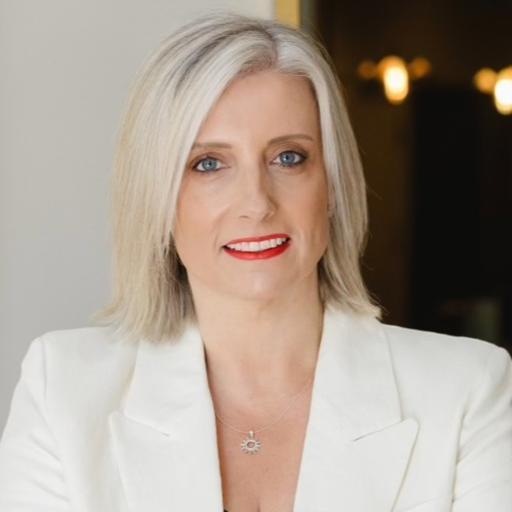
Founder Freedom Consultant: Helping Business Owners Gain Invaluable Time, Freedom, and Control
25+ years Senior operational leadership experience£50m+ Portfolios managed150+ Team members ledFounder Capacity to Grow
Nicola Anderson is a Founder Freedom and Business Growth Consultant who helps founders of scaling SMEs remove founder dependency across structure, team, systems and processes.
After 25 years in senior operational leadership roles inside real businesses, Nicola founded Capacity to Grow because she kept encountering the same pattern - successful businesses that still required the founder to be the decision point. Those repeated experiences of stepping into organisations where ownership was unclear and work kept returning to one person drove her to build a service focused on creating operational independence for founders.
Her credibility is rooted in the numbers she brings to the table: 25 years of leadership, responsibility for portfolios of more than £50m, and management of teams of 150+ across construction and the built environment. She works primarily with founders and CEOs across the UK, and also operates as a Business Growth Partner and fractional leader supporting scaling businesses and exit-ready CEOs.
On a practical level Nicola identifies exactly where founder dependency sits across leadership structure, decision ownership, team capability, systems and processes, and automation. She delivers diagnostics and structured interventions, supports hiring through a fixed-fee Recruit to Grow™ process to ensure new hires reduce dependency, and provides fractional leadership and non-executive direction so founders can step back with confidence.
Book Nicola Anderson for your show
3+ podcast & stage appearances. Remote or in studio, broadcast-grade audio.