21 September 2017
'Video For Light' - PLASA 2017
About Shannon Harvey
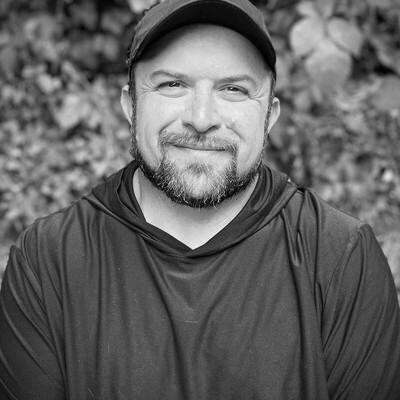
Founder & AI Safety Researcher
15+ years Founding and leading studios and research initiativesApple TV+ Virtual production leadership on Silo and HijackProduction Park Established its research labReflection Labs Founder, independent governance for human-facing AI
Shannon Harvey is a founder, researcher and innovation leader focused on AI safety, human behaviour and responsible technology. He is currently developing research and practical testing frameworks to help companies identify and reduce the emotional, psychological and social risks created by human-facing AI.
With 15+ years of experience spanning technology, immersive media, live production, research and academia, Shannon brings a unique perspective shaped by both systems engineering and a background in performance. He has led complex technical and creative projects, including virtual production for Apple TV+ productions such as Silo and Hijack, research at Production Park, and platform adoption work with disguise. He was also Course Leader for the BA (Hons) Visual Production degree at Backstage Academy, now the Academy of Live Technology.
Shannon originally trained and performed as an opera singer before moving into theatre, and large-scale live production. His experience of performance, audience interaction and safety engineering has shaped the way he thinks about AI: particularly the importance of understanding context, vulnerability, trust and what can happen when systems behave unexpectedly.
His current research explores the often-overlooked side of AI safety - what happens when people trust, depend on or emotionally engage with AI systems, particularly in high-trust and vulnerable situations.
Transcript
hi everybody welcome my name get everything a bit lower a bit shorter my name's Nina done I'm a video designer not going to sound like Alcoholics Anonymous but I I also teach the discipline at RADA I've recently my posters joined header video digital design return I share with Terry Byrd and my my background is there a content designer I come from the world of broadcast and I find that there's very interesting entry into a place there a couple years ago I won a night of elimination award and at the time we joked about the fact that when I grew up I was going to be lighting designer and many…
Read the full transcriptHide the transcript
hi everybody welcome my name get everything a bit lower a bit shorter my name's Nina done I'm a video designer not going to sound like Alcoholics Anonymous but I I also teach the discipline at RADA I've recently my posters joined header video digital design return I share with Terry Byrd and my my background is there a content designer I come from the world of broadcast and I find that there's very interesting entry into a place there a couple years ago I won a night of elimination award and at the time we joked about the fact that when I grew up I was going to be lighting designer and many true words spoken in jest what I want to talk about here is a certain convergence that's happening between the disciplines of lighting on video and want to show you some really dynamic ways of using video as light within shows both women the theatre at end of the scale to the concert and linemen to the scale and as it happens half of my work
at least goes completely unnoticed as video anyway I do a lot of a video by stealth and partly because I think that you have to look at the show as a whole and you have to join forces in collaborate there's been the word collaboration a lot talked about over the last few days and also in this space in the previous session and I think collaborative work between anyone who's dealing with every theater is crucial [Music] but I'm really really happy to be able to introduce the panel that I've got here talk about Who I am Sagat Joshua Pharaon he's a lighting designer and a video designer he comes from a background of Fringe to midscale type shows and he has recently been nominated for a night of manipulation an award for removal men which is a show that's predominately with the projectors so I think it's also really important to happen when panel because a lot of people assume that you need a lot of money and a lot of time to work with video
and actually it could be a very efficient tool when used wisely Sara Cox at the end their sales director EMEA of d3 technologies fantastic platform for both lighting and video designers to work work with Shannon Harvey is the visual production course leader at backstage Academy and extremely forward-thinking academy of people who are going to take over the world Rick fish needs no introduction really recently won the night of illumination award for a lifetime recognition Ian amico Karen her only Ord and has been booked the night for donations for a long time theme running here he's a lighting designer that works very collaboratively collaboratively with video and Pablo Beckett's who is just one night of illumination Award for his work with their fragment 9 on LJ so let's talk about what people think of as as video this image is a bit of a provocation really because you know people come to me and they go oh you're video designer so do you do like tellings yeah and what do you record the shows that's my
get that a lot I'm not even really qualified to do that and actually this just this weekend one of my Google Alerts I have Google Alerts on my face for some reason and came up with a review for the Phantom of the Opera as torch I was involved with from the Boston Opera House and as you can see if the visitors have been expanded by videos and projected when they have done and light flashed shadows by poorly constable so the fact with the matter is that the vistas were printed cloths that were beautifully lit my body constable and the light and shadows were that they refer to you were moments where and palling threw back her lights and allowed Nvidia shadowplay to take over including gobos and also narrative so I go from the point of view of confronting these sort of misconceptions a lot so for me video is light but of course it is I can't really work without light colors so I'm going to talk a little bit about comparative technology and
something that you guys are all familiar with Bing and Plaza Show light basically if we few using video applets you might be using LED panels or screens these all involve light and something that I've used more than the LED end of the scale DLP LED and laser projectors basically that diagram there it's got a lot of multicolored carbons in the middle but it's basically a light it's it's a moving light it's so like with animated gobo but it's still alight and I've got a little note there to mention moving head projectors this is an area of technology which I feel came to market at the wrong time in lots of ways and has been used more in the corporate sphere really than in theater and shake technology I unfortunately they're quite hard to get hold of these days and I'm really quite keen to use them but there are yeah bring on the moving head projectors on upset so I think I think it's quite it it's quite important to talk about why they've why
they've disappeared and and whether they'll come back as well but we'll talk about that perhaps a little bit later and one final bit of comparative technology something that people have been developing fairly recently is their pixel mapping over the lighting fixtures this is potentially really exciting for the lighting designers obviously I come from I come to lighting from a video background and the video and lighting designers I was having to encompass video technology within their work and I think it gets very exciting when your LED screen is a backyard 300 moonlight so I'm just gonna play a little game of spot the video within each scene I just play that with myself for now because I quite literally so in one of these images I'm about to show you I'm usually and I put the images up because they use video ad to support or replace like the first large image all over like that you see on stage there except for the actual fixtures is is video light the image at the top you've
got a character and set made out of light you've got gobos on the screen there's a lot of there's a lot of video there in fact there's very very little light in that picture at all like traditional light in the bottom image the spotlight has been replaced by a video shape which goes with the style that is shown the the in this image the building on top left is completely that with video including edge lighting up lighting that sort of thing bottom left the content or the light that is appearing on the LED patterns that his video supplied by video more than that workflow the stained glass window is a video we have images here that also show video in the subtlest form in the in the main image you might just be able to perceive an image of a woman within that white sphere the rain light effect is supplied by a video and the top its your right as the top right image and the shadow at the bottom there is a classic
moment where all the other lights gone and taken over again all of these a video video based lighting there's actually no traditional lighting in this first image with the green here that you can see it's all done with projectors there's lighting separation at the top there where you the downstage figure is let's introduce with traditional fixtures and the upstages live with a moving texture and yet more examples of the same so there were very few Telly's there they weren't there and not really many screens involved with that so videos right so to support that I think it's probably time to talk through a few case studies in a bit more detail the first case today light to present is golem by 1927 productions and fantastic production that I'm sure many of you might have seen or heard of Paul Barrett designed this one and he was responsible for the set and the LX and also some narrative and character elements and the entire show was lit with just projection and in fact it was lit
with one single 12 K high definition projector from front of house position now this all sounds very firm and efficient and it for this show it worked extremely well you can see how the character necessarily blends with a background this is an animated show where characters take on a format where they are much much less real very not very non three-dimensional and that is also equality of projected light that's been used to great effect in this particular show it can also have it have its issues this one we're going to come back to a little bit more in a bit of a bit more detail later that Sarah is going to talk to us about this is a show where the night was a character and a dynamic dancer within a space well we'll talk about that in a minute with Sarah and this is Sarah this is one of Josh's so designs do you want to save it so this is a show called the sacred paint that I made for Adam offenders Miss
August and it's so he lived with three projectors and something that was a really interesting times about it is that it was the main objective of the show was going to be fully captioned and so to do that we needed to use projection and so we took that as our base palette for light and then generated a lighting and is detected to a panic that was using result we predicted to produce it and so it's a mixture of convicts and textures and text is those three inequalities - like the single performer something that was a real something I'm very interested in is using projectors and videoing as 3dq so using a side light into music that isn't just a proper service this showing was a curved back screen some of your protein kind of surface behind the performer also using the light foot objectives across my back as well so you can see on the top left there is an example of using texture problem objectives as crossly to a sculptor from the screen and
on the right using text and also books with light from the projector so all three images are solely using projectors as much thanks and taking that another step further as I mentioned Josh's is very deft of working on on on fringe level productions and to great effect and a recent production another professional a different scale completely was the tempest of our FC Emmen in Ross worked with Imaginarium to to create this show and they had 27 isn't that right Sarah is about 27 projectors yeah that Eric diagram was insane so that and they and they used a variety of service to to combine two to the final effect most of the going berries were supplied by video and as you can see you can get quite sculptural with going boughs on this particular show it was also backdrop that had more projection treatment on it and then of course there was the character as well that was created live on stage through motion capture in gaming technology unfortunately I couldn't join us today he's just
open frozen ended in Denver over to public this one yes so this this this one verbal J what we wanted to do was enveloped band in a 3d space of light both using video services in this case scantrons and traditional lighting so what we had is three source section two in each band outs kept on to behind them there was by several but separate panels have vanish which is another LED product some low res ending product like mascara and then what we did was we developed during rehearsals we develop content in a way that would leverage the the way they led interacted with the environment so the smoke the other things on stage the lighting and we're to tweak and change the content in order to get so I mean you can see some of these where the you're getting a bloom around the the pixels on the LED so we're kind of doing stuff like that where we control the intensity of the pixel to get more or less bloom in the smoke and
in very much the same ways you get that with a traditional light if you've been down the end of it you get off your watch off from the light and we're trying to recreate that in the video so the two elements were seamless so you weren't really seeing video you won't really like your to see a canvas enveloping the band and going creating these areas flat though so this brings us to tools of the trade really em skills collaborative work of roads and content and Josh was saying to me earlier you've never come across the word workflow per se before he got involved in video because perhaps the lighting designers - acceptors the at alternative to that process at the moment it feels like we need to be thinking more about shows I rather than about separate disciplines it but in order to facilitate that we need to be a lot more collaborative we need to join up our tools and understand each other's tools even more there's a there's a there's a net necessity
in every single show for designers to be talking working on the same page but now comes right down to to all the networks and and systems and media service that are involved and also there's a new question for lighting designers I mean obviously I come from a content makers background into the lighting world but lighting designers are now leading to embrace the need for actual content to make their own gobos and so sometimes and even more so these days that means that you might need to team up and that's really what you're within that lighting design so more on the workflows I think I will hand over to Sarah give me you're not ready later okay I can't remember what I put in it so it's gonna be yeah so I'm on 23 and actually that word workflow is paramount to d3 what we actually sort of develop the company the tool d3 comes out of pure necessity for workflow it comes from United visual artists who are content and the creation house in their
own right and the troubles they had the problems they had d3 books became their in-house toolkit solution and workflow is everything from pitching and presenting so from that design stage where you're trying to test things and at that stage is it a lie is it a projector is it an LED screen these are not conversations at that part in in their workflow they're more concerned with as it looked Epis of work from this angle does resolution play par and then the the industry technology that's required to deliver the artists vision is then so far down the line in the journey of d3 it's sort of almost towards the end of the trees work for eternity so if I world is a stage and everything we see is content that's that's the idea right from whether it's a mighty Lumiere to pixel and anything we might as well look at everything has content and it's the Creator is that creative overall visual could we actually kind of focus be dealing with for video content creative for
lights this is in a technology sense I would say probably the thing people do the most taking content bits wrapping it to said technology fixtures and this has been this it's not a new concept one however what maybe is a workflow worth looking at is we have here a lighting company whose workflow pixel mapping is by using the video content so they make a content template that they can use an After Effects Photoshop or any of those third-party software's and they actually make a Content template here with the way that the pixels need to be treated in the lighting rate by their they're making a video file that video file was composed to music they're using beats and bars and if you don't think about the journey of d3 we actually are beats of our system but more recently as adopted a ours been accepted as a framework flow through to combine both user casings so you can see the content map that's made then the content file that's rendered out and then it goes
into d3 and it's paired up with the virtual environments you can actually see what that looks like if we press player is that still like there is still when the video finished and was looking so we'll move on yeah we may not so we've got the virtual world in a real world combined to to interoperate let's have a look at that so what do we mean by that well we use the pixel mapping workflow or what if we can recreate the technical requirements the technical products around you in a virtual space so we have here on the back you can see this entire scene except for the light beams that you visibly see the white beds everything else is created in a 3d world in a virtual environment using a third-party tool called knotch and what the artist does is he brings the 3d environment into d3 he pairs up every element in this 3d scenes controllable via his console and he is the composer of this 3d environment has a real time workflow he
can move screens in the virtual world and you see what that movement looks like in the stage so I can actually tell you that entire back the entire stage design there is just a big video war but everything you're seeing from truss to the lighting Lumiere's is all being done virtually but it's being controlled or programmed using our tool set which is a console lighting console workflow so this is quite an interesting new thing that we're seeing as technologies driven forward with GPU power giving people the ability to actually use these tools of virtual LAN Tim thank you so so now we've got a concept of virtual lighting there we had virtual lights so if we developed that concept to step further into the virtual lighting we end up with people in loud bright forward concept from Matt Clark one of the directors of noisy little artists but this is actually this was an installation at the Barbican compendium and it's definitely worth having a look at and lots of these all over the place
knows another pendulum the light is conducted with experiments and then it was developed and put into this to the Paris Opera and that talks about it we're not gonna turn to that but what Matt's actually doing is taking the pendulums as the performers as the actors the choreographers and with technology the entire cube is just projection mapped it's all real projection around inside 3d cube and there's no lighting used except for projection but the virtual lights from the pendulums exist inside d3 probably get to it then it's lovely it's not exciting just well waiting for its move on it's kind of interesting because about 10 years ago well more than just soared more than 10 years ago we were talking about media service that were able to be controlled by lighting desks and that was a big that was a big thing back then wasn't it talk to us a little bit about how that's sort of changing I think in terms of lighting desk so there's a few different combinations of workflow we see
where lighting consoles can very much control the virtual lighting and it's that's the development the way that's it that's what I'd like you to see thing again is not which is the third-party content or the virtual lights exist inside the the scene and you can see there's a whole bunch of nodes here that actually shape the light so the light isn't defined by a Lumiere be thick it's defined by this this 3d content or that makes that light and you can expect all the parameters of the light like a moving light you can export the color information that gobo the size of the beam the velocity all of this stuff can be exported it gets moved into the media server and then inside the media server we access those parameters if you like the characteristics of that night we access those in real time as if it was a piece of video so from that we can keyframe we can control any of those elements in real time using a lighter desk so we can
use the the more relevant today tools and programming techniques but to access this virtual lighting idea and of course Anna virtualizing scenario so this is the don't be content map to make sure everything so from from the virtual lighting perspective but you like to convey you've in any way that we want them to they're not defined by where they physically are so if there is not a position to place a light then this workflow does not replace lighting but it is an additional tool set it's an additional tool kit so when you can't place a light in the bottom corner you can turn to your virtual world and then you can grab that light place it any way you like in that 3d scene but you can still expose the properties of the light to a lighting program al you can have the same workflow but they've always had but now they have this virtual like they've got control so that's okay okay so that these technology allows us actually to revolve the workflows there's
more and more technologies expanded and it's all at these tool sets coming to the hands of lights and programmers video programmers we're actually able to reevaluate what that word workflow is and who else now comes into that and has access to those tools of technology thank you very much and that's really exciting and I'd like to open the floor I'd open it up to the floor of the panel at the moment at the stage because I want to give enough time for this subject lots of people will have questions as well so Sarah you say just pick up from where you left off you were saying it's it's a collaborative thing do you think there's a world in which video could replace lighting that were the easy one I think this caught this question has to be definitely handled with care I think that there is a world where the technology is changing workflows are adapting and moving and other skill sets are coming into our industry that understand these workflows particularly game engine designers
those technologists engineers these people really do understand these workflows and if we embrace them and bring them in what we have is an we have an opportunity to expand our toolkits accessible to us to bring shows alive I think but I don't believe in the sense of replacement I believe in a sense of common combining and collaboration yes I think it's really interesting but I think what one of the things that comes to mind when you is that all of people a lot of Technology surely that's all very very expensive I'm going to put this question to to judge the same question actually in your experience and then how you use video as a tool yeah somebody who is working at fringes of ultimate scale theater and a lot of the technology isn't available really a lot so that I use video and they're kind of like desktop projectors they're kind of 600-700 quick units that I have in common you can go near their internal stuff but there's a quality in video design and
using video design as a new light source that I think opens up a whole range of aesthetic opportunities and there's a there's a huge amount that you can do that you can tell you is traditional or even automated those forces and I think there's a real crossover between the kind of textures and digital textures that we can make that we could never achieve in light there's a kind of quality that I've really enjoyed embracing but equally I think there's also our kind of beauty in traditional lighting and the fixtures that we have for those particularly McConnell a warm end of the spectrum and a color rendering index that will currently and we're now in a with projectors and that I think we need to find the balance in the crossover of that as well as workflow so I think there's got to discussions with me there's the physical rig that we use and the different qualities of those bring to the table and whether they were ever fully replace it to them and there's also
the work that video aesthetic design work play for me I'm finding it a really exciting way of designing lighting because it's changing my lighting design process towards money visits and has it changed your process to have to collaborate with so many videos well it's some of my first very early collaborations with with projected light projected content were pretty painful to be honest because we're dealing in the same tool we both have light and one light and bounce allowed the other very happily and we spend a lot of time trying to do that or trying not to do that I was also very frustrated because their light never went out because as we all know video black is really just video not black but that's gotten better as the tools have gotten better and also as the controls got better because one thing that really frustrated me too is that I would be carefully thinking about the timing of how my light moved in and out and that seemed to be something that the content video
designer and programmer type person didn't seem to really think about too much at all and so again what's happened is emerging and I take onboard that what we want are more tools that we can then choose what's the right type of light to use at any one time we don't want less so it's not a question about replacing there may be projects like some of the ones that sounds like josh is doing where that's just what you're using because it's right for that project but it's that combination I think there are qualities of the more traditional light or even some of the more less traditional ways of producing light maybe they LED or whatever that we're now surrounded with that still have a quality of warmth color rendering that other basically a flat projective I never will have so it's really about working together but also I have to embrace as a lighting designers occasionally so there's a big light source place there that I should be able to use as well and so in
a little show that's one it will tunes the light source have happened to be out front and the projector couldn't throw a tiny little spot on a vase that I could didn't have a position to do or the right narrow instrument because of course you could just pixel map that this you know and move it to wherever that face happened to be and as we toured the show so again was a good learning curve for me to say I can ask the projected video content to help me out with what my profits are opened or in lots of ways and I think on the sort of low end of a budget scale don't reduce this this year one with the unicorn benezia one with the national and all of those have almost necessarily just been lit this video because that's the thing we're testing but equally to walk into the room you might just imagine that we had a huge rig of lights maybe because we were able to be so accurate with it and
pre-visualization is another tool that is of course evolving and helping the discussion do you use a lot of previous at backstage Academy I would say my entire workflow is around brevis I also do a lot of professional work as well and essentially I make video games for a living but those video games are millimeter accurate simulations of chefs everything from automation to lighting video everything is part of that virtual world and I think it's it's critical to use the time that you can when it's not expensive when it's not on site and you're trying to figure out how that's all going to come together to make workflow better and that collaboration process is getting much closer as the tools merge I can remember almost 15 years ago I went to a conference that high-end systems was doing here in London called they called it the digital lighting university and it was all lighting people talking about how they were going to control these media servers and projectors using lighting consoles it was all it was
all about lighting controlling video and a few years later it was actually video talking about controlling lighting and it was there's all these things and roundabouts and particularly control side we see a lot of that as well where am I the one that's going to protect that or somebody else and really for me I see everything it's just surfaces and outputs that light is a pixel or a light as a as a source and video as a source whether it's knowing the screen or a projector and being able to understand how we're going to work with those surfaces and sources is key and I tell my students that basically there are two things that are the rules physics and budget and you can usually ever come some physics problems if you have enough budget but you can't do the other you can't solve legend problems with physics yeah absolutely and actually what you talk about in terms of and it will being one work it feels like a concert and life how to embrace that
work for a lot sooner and a lot more lighting designers were considered themselves video designers without even questioning it within the concert world would you say that to do that yeah absolutely I think from from cirno's or stuff I'm involved in probably 67 percent of what we do is it's all previous you know you spend the time this book might say spend the time where you know the least expensive time working out what you want to do that when you get into rehearse which you can really start tweeting stuff and pretty see how things interact and because you've got everything planned you can kind of you know go in there with a really good idea or your warranty this is an area that a larger theta so that was a very and capable of dealing with I remembered ten years ago when I did my first opera and that is the director was astonished and also delighted to see a storyboard he just had never had an experience about video designer it showed him ahead
of time what was going to happen on stage and so there was a lot of fear around video at that time and and how it could mess up an iTunes Island and how big of because when video goes wrong it really goes wrong horror stories I just want to comment that often at the moment most of the shows I'm involved in our projection shows and so tends to be I'm mapping a building or something that actually lighting becomes enhancements of those types of things but there are other times where you you have to come back to the story especially in theater we're telling stories and so unless it's a good reason to use a projected image don't do it sometimes the most simple scene can tell the story better than anything else and so I think choosing the times of how you're going to use content whether that's lighting a video is still critical worried really about telling experiences yeah my content still is provided by actors there the content and I like them as
opposed to having to light content you know and that's still what I'm doing and so it's getting it to work together when it can enhance or give it a texture or something like that what I'm happy to see in my long career is the using of a video projecting content to provide background and location and that sort of very simplistic we don't have to have scenery anymore we can just project a bat cloth that's going the way of the dodo because we all know how uninteresting that isn't how really not very successful and we're not theatrical at it so I think it's incumbent on this next generation to be providing interesting new experiences that are still deeply theatrical and that's not just projecting a sunset or a street scene and it feels like heaven that I mean quite often people so to say sir what are you done on this show companies any video and normally what I say is if there's something that you can't quite work out how it's done you probably drill
down to find a video workflow somewhere there you know the harry potter back in time effect is video and various other effects that people you know don't necessarily imagine to be video but questions yeah and you've got any questions can we have a moratorium light is that owners quite brightest can we just pull the audience are there video people or lighting people here there's a video person okay here's a lighting person why why do you consider yourself one or the other can somebody answer that no one's breath yes well like I'm around I've done both fighting on much like larger scale than well done video my video practice is much more like Josh's enemies like maintenance and it is really interesting to start using video a small scale as lighting tool but the problems that I've come across on a small scale that you can see the pixels and because the audience is quite close to the performance on the small scale as well Josh have you got any experience with that how you use
it how you get away with it oh yeah it's a common problem and something that I joined towards using HD projectors even if I'm just using it for simplistic light shapes and textures and just trying pull back on the size of the pixels unlit a show called pimentos last year that was we could only afford low resolution projectors but they were high brightness and luckily the audience were far enough away the you could see the pixels but all the photographs of the show conceal the pixels so that was a really good learning curve but but importantly by ie you couldn't see the pixels and I guess something there's you'll start to consider the content and with the content reveals it's just kind of quite interesting a high contrast and I think it works because become subtler at work than ever this year but hopefully 4k projector that we receive see one of the people who put up their hands for lighting what why do you worried you have an interest in listening to what we
have to say weren't able to learn about this so I'm still very much a student of lights in the moment but the few shows I have worked on video is coming into it more of all bigger and bigger to point where one of the first shows of a variety designs had been which I had to head up and teach myself how to do in the fail then okay someone else do it for me I just use the projector it's becoming certificates almost necessary for like this new generation of designers to understand but because I think you'll see a lot more not just people being video and lighting and I think I am in a position now where if I learn it now that the sooner the more with independent of it and then or have to worry so much about how I saw getting into brush me with someone Cespedes I can go no really so in the sooner you learn it and the reason I'm here like there should be learning this would be
you can just like ever tell yourself as being able to do both and suddenly you're a lot more employable I had a thought something I've exposed as somebody who's growing as volume and video designer is that you do have to also think about the amount of time that you spend doing either/or and you definitely have to approach my experience I've had to approach it very much of a lighting head and John surgically aesthetically burned and also think about what the kind of aesthetic visually is and the kind of whole range of palette that I better book it becoming that you actually end up splitting your head in a really core severe weight and actually I think embracing teams and then teams being acknowledged as lighting and video as a whole which in concert is about is a much more common thing but in theatre it doesn't seem very common and I've been interested for that to become more thing but it's great to understand both bowls I think don't spread yourself too thin you or
like know how that impacts a twenty or twenty nine menu as well I think just I'm just gonna add something start to say that and I think some of them all it's only larger receiving in producing houses still put their video departments with their sound things and this is strange no anybody want to comment on that from this survey I work receiving house and we're seeing more and more shells come in at mid scale with video in them so my Lampe is here trying to learn a bit more about that instead of my sandy so I think it's starting to change but we had burning doors we had the machine stops we had another one I can't remember that had a giant ramp that the projectors were aimed at which was just amazing that the names lost at the moment but it was just an amazing use of video again with burning doors you're right you couldn't see the pixels by eye but you couldn't the photos and it's like you say the day will
come and 4k projects are a lot more affordable and then people will stop nitpicking about the photos being not as good as what it was in real life but that's what he was saying about lumping AV in the sound and video it started to change the attitudes are starting to change and it will be interesting to see whether that's been five years brings absolutely I think also I mean josh is talking about talking about workflow I'm always talking to the academies that I work with and my students about how video is a team thing in itself especially with the two-sided brain that you need for the technical or the content side of things and then encompassing the lighting is I think it's a great thing because then people really will see it as a team I mean to a certain extent devil's advocate you might have a rig of you know a couple hundred lights to deal with but also on the video side you you're dealing with many fewer fixtures on lots of occasions
so providing the resolution that's good enough I I feel as a video designer I can save the lighting designer a special or two because I can you know put my light there and I just need to make any mark I still think it's on one of the things either I'm not expected to know how to really read or maintain or fix my lights I think video designers are still expected to understand the whole that I think they that you're employed often is a video designer has a one-person band whereas you point a lighting designer you'll get electrician you'll get a programmer and a lot of still on most medium scale to small scale productions unfortunately you're coming in you're having to do the technical specification the technical delivering and the content before you even think about the bit that I'm interested which is the dramaturgy about how we're making merging it all together so I think we're still at a very early stages and I think it's incumbent on the projection world to start to
support themselves the way that Lighting has become supported and the way that sounds and you look how big the sound team is for god sakes if you want to really looked at big team looked at the fundraising team or somewhere for some other than personnel management side but I think it's it's important I think our expectations or the management's expectation I will get in Anita will get into Josh you'll take care of that everything come soon to not in terms of rejection and when it doesn't work quickly and efficiently they're surprised whereas if they expect me to read the lights they'll be very surprised they get a real surprise when I try and make money to tell you that actually weirdly enough that's one of the occasions where being a girl really helps because they that works to my advantage they just don't expect me to be the person use of the ladder which is quite clear dojin I was just at a very interesting and the previous discussion within this space was about female
collaborators backstage and I guess that's one of the ways that it works to my advantage but because I think we've been also seeing over in the US I think that's definite movement in the video sense of team building building actually teams and adding new roles to the to the production environment so Laura Frankfurt off always now a screens producer and this is not something that we can embrace here yet because of budgets we sort of we always love you in Europe when you see the production schedule of how many people are involved in sending a broadcast signal out from a broadcast show and then it comes here in this you know a quarter but the personnel allocated to do those roles so it is about us helping to carve that define that by saying well it does need to be a buffer and there needs to be somebody in front that takes that creative and then feeds it into the teens of a specialized to not content out and then do real-time changes and I
think probably Pamela's got a better idea about me about working in real time with the director next to you yeah so earlier this year we did launch of the sunset edge fake with raw blood which is a 360 degrees shop and broadcast on YouTube show with brought blood in a circular environment with projection way around and the video team on that was just saying it was actually quite large because people who started you know it had the budget people realize now that you need all those different disciplines in order to make this stuff work you can't just rely on one or two people doing multiple jobs as you said it just doesn't work you know when it when you run into a problem you just don't have the the people power to make those problems go away or become resolved so yeah definitely is it's it's one of those things you can do you can do on a shoestring budget if you know if that's what you need to do but as the complexity of
the integration and the technology getting increased you start being more and more specialist people involved to make that short work and I think and a broad understanding of how it all works is really important whether you're a specialist or not you need to know how all of your tools kind of work even if you don't know exactly and you know you know sort of a site-specific yeah you know you're changing macros in it or rewriting code but you're just a broad understanding or needs to happen is is absolutely essential what I've seen happen as well actually attending sometimes splits it really really informed the design I mean I'm by training a very content based designer and it's been a revelation for me to use much more basic content I spent six years in broadcasting film before I even walked into a theater as a professional and that was a big learning curve for me as well and so sometimes you know you need to team up with people and introduce them into theater which is
a very again a very different workspace to work on content and where you go into a space and you know that every single piece of content will be changed during the course of a technical rehearsal and to understand that from a film backgrounds very hard so sometimes finding your team you can get that and start working with that is really useful it will also inform a and Josh's designs or your designs are very light touch in terms of the content treatment the very sort of dynamics that an aesthetic will evolve potentially out of necessity and about out of constraint for I show you that was nominated for four nights of the dimension called a rebel man and I used four projectors splited pretty much like 80% was projection but content worries we started tech with it's a Content most of which were blocks and as some kind of like textual Striders and then we use catalyst to transport all that content into the 3d space and these and respond to the performers in space and
respondents with the tech as I would a lighting designer really and there was something there's so much in the qualities that I could find in the projectors that evolved through the tech and the three previous and something that was I think I got six times my content by the time I finish the tech but I just started this really small public and then just evolved actually it's been using we often have some similar thing where you're you know you're creating content and you're obviously working predominately with a just an a computer screen whilst we're producing that content and often the the temptation to make it more complex than it needs to be is quite it's quite strong especially when you show it to your clients or other people involved just on that flat screen because they kind of have that look on their faces are they gonna be a lot more interested in that but then when you kind of bring that into a previous environment or if you're lucky enough to have a lot
rehearsal time and you can start those things into the real space or into previous then you can really see how those elements are going to interact and often I find I will I will be sparing stuff that but we've taken stuff that will be taking layers out and making it more simple just because we try to get often what we're trying to does not make the video in look like video they're saying we're trying to make it look as a part of the whole lighting canvas you know it wanted to be indistinguishable between the two two areas yeah so it's an iterative process basically Beyonce's reading this will probably way beyond a time where we should have been mentioning generative content really because that's something that's gonna run a sort of job I think really and I'd like to disagree with that I think there's great opportunity we we are a critical point in in video design with technology this this year the computing technology that we have right now is allowing us to open
the door into not having to render anymore and for video suddenly this changes everything because a lot of the time we've been spending trying to make content I mean I I the show in last year that was for 4k projectors and it's 16 thousand pixels wide of content and it's not 4k movie or an HD movie that I'm having to render but everything I did for that show was live I made the content for that show in less than two weeks out of images that were rendering in real time because because I have the tools and because I have the technology but more importantly because it saved me time and I can actually make choices late in the process and that's that's a critical thing is especially in live shows or theater you need to be able to make those choices about the design changes of how the textures are going to work in rehearsal and not be waiting for a render farm to spit out content you have to be able to move to
that and there's actually opportunity for better collaboration I want my scenic video that's driving the whole scenic scene to actually be controlled the lighting in that scene to be controlled by the lighting the desk let them let them control the lighting of what time of day it is or the direction of where the Sun is coming from in 3d space so that rays of light and volumetric particles are casting shadows and all of that should be happening live all of that so there's there's really good opportunity and we're talking about the collaboration process of future jobs and things for people to know that there's a job for a content there's a job for a lighting person there's a job for a computer programmer those are all collaborative things and when I when I try to recruit people into my course I look at somebody as a fine art person or a computer programmer or a lighting designer or an architect those are all really interesting collaborators to be working with and they should learn about
each other they should learn about what each other needs to be able to make better content yeah just to say from that and it's not not a company branding pitch literally everything that dries deeply from day one to now to ten years time is one environment one well show environment you know where do I bring the same where change in lighting you can see that knock-on effect to the video team that overnight you can have people making changes and there's the next he comes in the next morning they see those real-world knock-on effects and I think that it it maybe it takes tools like that to start to bring people together in one shared environment where you can at least start to see how these things affect each other life changes people might have the impression also that liven generative content needs to be by definition sort of very politically or very one-dimensional but if I could imagine doing though man's and again which I did in the West End last year and we created
a 3d scene of trees that were generated almost at random and then rearranged according to the designers desires and they were this to show that happens over the course of 24 hours so there was a lot of very realistic lighting that we were producing and of course the lighting there supports the narrative and it was actually at the only thing that really told us what was going on during the day was on them on the video element because then the rest of the show happened within one room poor thing but if I could imagine a workflow whereby lighting designer could input into that and help me like those trees and help me to generate those effects and you know all the all the sort of atmospheric effects that we were collaborating on sort of off to be a fact and I think that would be an extremely exciting thing one of the stands here earlier this week and we were so mapping it's over a bunch of a stand it were actually pixel mapping all
the fixtures and as quickly as possible in the front creative process with the lighting designer I aimed to give the lighting designer as much control over the entire show as possible and so I basically set it up so that he had choice of what video he wanted to work with and he had choice over when the timings of that work and as quickly as possible I was able to wash my hands and go to the pub and it was great and he was able to have full control of the whole pallet of what it was and technically it was all working it was all great and he stood till 4:00 a.m. it's like great awesome fantastic Wayne is now helping me to do my work better and it looks good and he's really happy about it and I'm really happy about it and I got to leave early it's nobody the video guys didn't have any breaks at the moment yeah and what people about two minutes left I just want to say are there
any more questions we've done a lot of talking here and in which case um I'll leave they'd really yeah way to start I would say as quickly as possible understand 3d space as quickly as possible right now if you do not understand 3d space in digital it's time to learn because everything we do now relates to how surfaces and the world and the virtual version of that works and if you can learn cinema 4d or Maya or any of those tools you will be an advantage right now and actually if you don't you're going to find you're not you're not collaborating with anybody because everybody is going to be working in 3d space so go learn in 3d in question for you yeah I definitely I definitely active able to represent as yo particularly previous site with us you know understanding how the workflow is particularly you know get into three get to previous because you can really start playing around with concepts and seeing how they're going to turn out early on before you
even even go to speak to your client will speak to your you know your producers or whatever you can really play around with stuff in that environment and kind of workouts directions to go well I think I'm the dinosaur I started run started out playing with lights and I would still encourage people to get their hands on whatever tools they want to work with whether it's a projector or whether it's a par cab whether it's an incandescent light bulb if they still existent or it's an LED which probably still exists or a fluorescent tube and start playing with them and using them and learning how they were remind would it be that still I think and working with other people to see what they these things mean as just understanding what tools mean and what they pay because they will make different things at different times to different people and that's what's exciting about everything that we do bring it together eyelids after that and say assume things get a projector in the room and
find the beautiful qualities event will find always beautiful in these new digital products but from the beat in there as opposed to voice necessarily kind of sophisticated and showy and I think actually is simplicity there's a simplicity in this night complex by working that I think is really exciting and of course we're going to come at it for completely technology-driven handsome III not don't know if you see I actually think that meted to reality virtual realities these technologies are here they are coming and they are growing the difference between our world and their world is that we create shared experiences and they create an isolating singular experience so if we actually look at the technologies that are coming in that world that we are already embracing I think that's a good place to start of how we can actually create these new worlds in our live shared experience we can I be even more of a dinosaur and just say start with a story and see what the story needs because sometimes it really doesn't
need any of this does [Applause]