24 August 2020
Content creation for the world of extended reality Xr
About Shannon Harvey
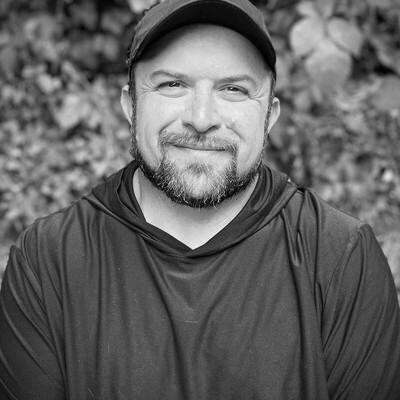
Founder & AI Safety Researcher
15+ years Founding and leading studios and research initiativesApple TV+ Virtual production leadership on Silo and HijackProduction Park Established its research labReflection Labs Founder, independent governance for human-facing AI
Shannon Harvey is a founder, researcher and innovation leader focused on AI safety, human behaviour and responsible technology. He is currently developing research and practical testing frameworks to help companies identify and reduce the emotional, psychological and social risks created by human-facing AI.
With 15+ years of experience spanning technology, immersive media, live production, research and academia, Shannon brings a unique perspective shaped by both systems engineering and a background in performance. He has led complex technical and creative projects, including virtual production for Apple TV+ productions such as Silo and Hijack, research at Production Park, and platform adoption work with disguise. He was also Course Leader for the BA (Hons) Visual Production degree at Backstage Academy, now the Academy of Live Technology.
Shannon originally trained and performed as an opera singer before moving into theatre, and large-scale live production. His experience of performance, audience interaction and safety engineering has shaped the way he thinks about AI: particularly the importance of understanding context, vulnerability, trust and what can happen when systems behave unexpectedly.
His current research explores the often-overlooked side of AI safety - what happens when people trust, depend on or emotionally engage with AI systems, particularly in high-trust and vulnerable situations.
Transcript
just like show business we're a couple of minutes late welcome to another episode of ahead of the curve i'm your host jeffrey platt today i've got a uh my guest shannon harvey on board with me from uh creative alchemy one shannon welcome to the show thank you very much jeff it was a pleasure to be here nice to see you nice to see you as well so shannon can you give me a little bit of a background of where you started and where you came from kind of the same way we kind of kicked these shows offyeah absolutely um well my my world of pixels goes back about 15 years um i've originally did my…
Read the full transcriptHide the transcript
just like show business we're a couple of minutes late welcome to another episode of ahead of the curve i'm your host jeffrey platt today i've got a uh my guest shannon harvey on board with me from uh creative alchemy one shannon welcome to the show thank you very much jeff it was a pleasure to be here nice to see you nice to see you as well so shannon can you give me a little bit of a background of where you started and where you came from kind of the same way we kind of kicked these shows offyeah absolutely um well my my world of pixels goes back about 15 years um i've originally did my bachelor's in opera and then changed over to directing in school i was at carnegie mellon and then i did a master's of entertainment technology and for about the last 15 years i've had a real focus on basically the integration of video game type systems into live theatrical performances um that's been that's been a huge part of my
life um so yeah my masters was focused on thatand then i went from there and worked with phillips and i worked at disguise um so i've kind of gone between being a consultant working on projects and helping people with various products and technologies in lighting and video and uh yeah thinking about the integration side and workflow and and those areas over the last couple years i've done a lot more consulting and i also was the course leader for the ba live visual design course at backstage academy in yorkshire up near leeds and head ofresearch and production park so brilliant stage is now part of tate um and so i was the head of research there working on large concert tours and those types of things so kind of broadly all over the place but more more mostly focused on a lot of previews a lot of 3d a lot of 3d workflow stuff and automation integration lighting how all those big types of shows come together and what the technology behind that is but also
how the stories are told and how how we create good experiences that'sawesome it sounds like you got a pretty uh wide range and a pretty diverse background so just out of curiosity where you're originally from because your accent does definitely does not line up with being in being from england yeah yeah i'm uh i'm originally from colorado um born in boulder a long time ago now i haven't been in the u.s for um many many years i've i think i've been outside the u.s now i think i've passed my half-life so i've been an expert american longer thani've been in than in the us as a citizen so um yeah i've lived in the uk for almost 15 years before that i lived eight years in australia i'm 41 so yeah i've passed my half-life so yeah i've actually just about passed my half-life being here in the u.s so it's kind of kind of weird and kind of eerie in some ways you know when you're you realize that you've been born and spent
part of your life in one place and then all of a sudden you transitioned and you've woken up one day and you wentoh crap like i i am no longer where i'm from anymore yeah i've honestly found like an expat as like the defining factor of who i am when people ask me particularly in europe people will usually ask me if i'm canadian first like they don't want to offend me and i think it's also because my accent while it's american like i've i've been in australia for a while i've been here for a while so i say like slang that's very british even yorkshire slang but i do it with really hard r'sand l's and language is funny you know my kids have really strong accents but they aren't like me at all because their mom is english and they now go to school in yorkshire so they have this kind of yorkshire thing going on but anyway life and culture life takes you where you're going to be right it's true i've moved
a lot and traveled a lot with these types of roles and that's just part of our our existence right until until this year anyway well you know i think this year has kindof changed the dynamics for just about everybody and everyone um you know i know a lot of the viewers that have been watching the show week after week have commented on a lot of the changes and life changes and things that have happened over the course of the last several months good and bad you know we we've seen a lot of dynamic shifts and changes especially within the live entertainment industry it's been a little bit of chaos kind of going on there but i think things are starting to finally settledown a little bit i hope so man i i unfortunately think we're we're about to be hit with so much bad news in our industry uh things are things are collapsing people are going to fall apart so i think it's a it's a rough ride we're in for a rough ride
and and i think what i when as i've talked to people and i've communicated with different whether it's clients or co-workers or colleagues or whatever you know i think everybody is in this position where where for uswe had to pivot right we we had no choice like i couldn't wait for live events to kick back on to to make something of that so we had to make creative and critical decisions and just start going for it and saying you know coming on lockdown we want to be doing something we want to be we want to be seen doing something and be out there doing something to hopefully give other people some inspiration that actually there's another path behind besides just like sitting and waiting with your headin the sand for something to fix itself which doesn't seem very likely from a lot no that doesn't that whole theory of mentality doesn't seem to work very well does it well it's different attitudes and everyone's taking different things from this whole experience and you know it's
it's a shock like we mourned for the first couple of months what life was right and and i think for for our industry in particular you know mental health is an issue that hasn't really it hasn't really found roots in what itis and it's such a it's actually a dysfunctional system what we've built you know we've got massive companies who are horribly indebted in finance from all the equipment that they've got with certain artists and in this level with clients in this level but actually all the basis of all of that is on freelance basis of people who are artisans who have no union have no protection have no have no collective agreements at all about how this should all go forward and unfortunately we were not resilient asan industry we are not resilient as an industry and um and so i think i think it's an interesting thing to evaluate going forward is like how do we want this to look because if we know that it's not going to look anything like you
did before and we also know that who who knows who's going to be standing at the end of it but you know how do we want this to look as a community i think is an important question that probably should be looked at um or discussed at least yeah and there's no doubt about thati've actually got a few people coming on to the show in the weeks to come where we'll be kind of diving a little bit more into some parts of that conversation at least and i agree with you wholeheartedly i mean you know laura frank creating framework as kind of a sense of place for community for a number of artists inside of our industry in the live events industry to kind of come come together as a community and try and work things out um but i i think you're right i mean the mental impactjust by itself is absolutely tremendous and uh you know it's this whole event has changed people's lives i mean it changed mine for sure um but
i know it's changed yours and it's changed in a lot of other people's uh lives kind of throughout this so yeah absolutely let's kind of spin this around a little bit more on a high note and start about start speaking about some of the things that you have been doing and some of the good things that have been coming out of this and some of theplaces that you've been experiencing and you know i i know uh in in our last conversation last week you know you're talking about your just the health of your kids and you know the the experiments that you've been going through and and the company that you've been kind of building up and uh you know these areas that you've been looking in in terms of content and content design and creation and storytelling within an extended reality environment so let's jump into that a little bit and uhyeah well i think i think the whole um extended reality xr push that's come over you know been been really stimulated by
covid it's been really interesting to see i think you know there were a handful of companies who were really starting to do stuff over the last year really pushing forward and you know there's been a lot with um with unreal and notch and the skies and these companies who have been all kind of layering in this but it's still been and it is still essentially beta research teams outthere working in in isolation in a bit like their the integration might be completely different from group to group and you know the process is something that's still being defined and still being still evolving and um and and i think there's there's been there's kind of been a couple of things going on the first is um uh there's been a a surplus of kit that's been available so a lot of people have been like oh well let's build something and then we can at least playwith it and test it i think that's totally valid and valuable but my question has been around how how
do we communicate that to clients and how do we help creatives tell stories in this new medium how do we what what are the possibilities for for creative use and and what does it cost and what is it what is the what are the challenges and what are what are the places that you really need to think about and so um coming out of lockdown uh i got together with some uh some former students of mine umsome lovely gentlemen kailyn and ashley you have a company called lucid and um lose the technologies and they we agreed that we would basically put together uh the kit we needed to be able to play in this space and to be able to understand this space and to work on it and and create something that we could potentially offer to to clients or at least that we would understand how it works so that we can know when we're asked questions about how it works how to answer um and because i think that's really thebig thing
is it's a real it's a real jump to think in 3d for a lot of people it's an even bigger job to think about volumetric film right it really some really big challenges with that so um so going back in uh kind of beginning of june we we decided we manifested everything we needed and we put together a space um and we started making some stuff and at the end of june i i came to this point where i was like i've done the tech demo thing brilliant i've nailed that got that ican show that i know how ar works and i know how an led screen works and i can do tracking and i got that resource but then i was like you need to create something like don't have a client necessarily like we're we're two months into this r d process we're not going to necessarily know and actually the supply chain's pretty broken down really where you know your your agency's got people on furlough the clients decided they've they've written
off this year and other than theirtick tock they're they're not really bothered about the tour or anything else that they were planning to do so like how where does that client and what clients fit in like with the experience i have i'm not going to compete with ilm i'm not going to i'm not going to be making the mandalorian next week right but what can i offer to clients today and how do i bridge some of those gaps those were all the questions that we kind of were left with at the end of that tech demo phase where we were like okay wellhow do we how do we create case references for ourselves so that we can understand these processes and these questions and this workflow a lot more um so in july uh i put together a team uh some more of my former students who are available one of the great things that i've had is i've got over 60 students that have worked with a really good resource pool to pull from
yeah yeah i can i can immediately drop in and all of them are you know under 25s are going to be more affected i mean i i really feel forkids from school and everything like you know my kids and the and the students that i've had and everything like trying to figure out university stuff right now and whether to go back because it's virtual all this stuff it's like it's a mess right and people who are reaching graduates coming into this work market there's just nothing there's no chance and most of them right now have been furloughed and are now getting fired right and that's from every event company that they could possiblybe in and so i immediately went to the two who were closest geographically because that's a thing and they're actually close friends so we already were already kind of forming a bubble as it were like we could work together in a bubble and we were already going to be in that contained space and we we had a few opportunities we
had a training video that somebody had asked us to do and we had a workshop that a disguise had asked me to do um and we knew that we could make our own kind of sales pitch aboutwhat this technology was but most importantly was that i decided that i i needed to do a narrative piece like i needed to understand more than just create a tv studio and let somebody present live in that space like what happens when you need to make specific shots and you have a specific storyline that you're trying to share in how this piece is going to go and um and so we made a list of like what are the technologies what are the things that we want to test and put into this show and what's the story that will help usto tell that through line and what what is the intention like why do i need xr why do i need extended reality to tell this story why do i need uh augmented reality effects why do i
need a real-time engine producing this environment and by asking those questions and making something we have so much more information now than we ever would have had before because we've gone through essentially a self-contained case study that allows us to like yeah mold and pull the right resources together to be ableto now answer a lot of those questions and and some insights that i've been surprised i mean like questions about color and tracking and where um and how how you like the amount of time and effort required to get to shot when shot is locked like once you've done that you're not necessarily going back and doing much post-production in fact do none but actually in what i've been experiencing since we shot was actually there's some things that we can do in post-production and there's somethings that we should do still in post-production so finding that balance is like it's really interesting and um and so yeah it's been a it's been a fascinating journey and in 28 days in july we built four
pieces and um we are about to release uh imagination which is our short film it's only a couple minutes long but it's packed with tons of ideas and innovation and again that question of intention let's find the intention of why we need to use this technology and why i couldn't havejust filmed it in a uh in a nice building somewhere right why do i need to go through this process and use an led stage and do all of that you know why do i need to do that that was really the big question that i had so that's actually a really good question like why extend the reality so let's just get into that a little bit more it'd be interesting to hear from the viewers too you guys working as well tightly in a bubble um are you guys also working in extended reality or been playing expedited reality you knowwe've spoken about it a lot recently but you know we've we've really talked about kind of the concepts of extended reality we've talked
about technologies behind extended reality uh we've talked about some of the impacts but we really haven't actually dug into why extended reality um you know there are of course some key fundamentals the other thing that poses another question especially dropping to film or dropping to tape is um you know the elements of that you brought up a really good point just aminute ago you know consistency consistency in shots and going from scene to scene so it would be interesting to discuss that a little bit but let's kind of dive into the whole why extend the reality part first yeah sure um i i've got a great piece that i um i've discovered which is um i'd like to have a debate and vincent's here so this is great we've so where do you decide where color is is ultimately chosen and and how do you make that choice like if i'm if i'm if my end result is thecamera but then i want to be able to do color correction after that right like should
i shoot log and raw 10 bit and be able to then take that final footage into davinci but if i'm going to do that how do i deal with the led that has to be a specific color like you need to have all of that really well thought out and actually like originally i was doing all this work in in maya and substance to do all of my world building but then i start taking that into notch or unreal and that's actually a slightlydifferent color space and maybe it doesn't quite you know different monitors and like how are you calibrating through your whole process to then ultimately get onto led and into camera right like yep there's some really interesting questions about what is the best workflow to get from an efficiency point of view in making in making the stuff so that you can get to camera as quickly as possible right and color is really hard as vince insane right like we we found the consistency in trying togo from room to room
even even different angles in the same room were was really challenging in being able to get an accuracy in in our color space and that after the fact the most amount of production part the most amount of production uh post-production that i've had to do has all been about color um and so that's totally understandable because you've got to be able to follow a chain of consistency and that consistency happens from the creative process all the way through delivery and ifyou're not tracking proper color spaces or chroma spaces within your within color and your color depth bit or bit rate and everything else or color depth then you're you're gonna not come up with the result that you're looking for at the end absolutely not going to be consistent and and this is the thing about shifting the workflow like the whole thing about what is the advantage for xr right we're going back to that for a second so other than i can swap out the environments potentiallymore rapidly and i don't have to
do major location shoots or those those aspects right like those are obvious wins for virtual production and particularly under the pandemic conditions being able to have a space that can be adaptable for different types of shoots and different types of environments in in that way is is a huge advantage when we start to get into ar then the intention i think needs to be a little bit greater rather than just going for like okay i'm going to have pretty stuffflying around the person or whatever like what what are the interactions so people talk to me and they're like oh dust or i want to see a group of butterflies flying in front of the thing because that's an important key moment or they want specific lighting atmospherics and stuff like that so those are some of the intent and some of the questions but fundamentally that still comes down to the story right that comes down to how what what in the story is driving the need for why that should be a key thingyeah
well there's some comments coming in so yeah renviewer i think i'm pronouncing that right you know it's basically starting out because the pandemics force change an adaptation of change into virtual production um i can tell you renvier you're not alone yeah and i totally get that that's a driving factor for creation of studio spaces i don't know if that's a driving factor for clients using it and because ultimately clients want quality they want consistency and theywant they want to have something that adds value in the chain that actually makes the process easier more efficient and in some way better than what it would have been to do it in another way uh and so it's an interesting question you know and i hear over and over and over from from colleagues in the industry and i their posts online all over where people are so disappointed with with the way that virtual events are currently happening to the point where they're like let's not try to do virtual live eventsbecause that just seems like a
bad idea and it's like well so what are the problems that people are having and how do we how do we address some of those from a creative intent question this this whole point of like how can we like i've been watching the the democratic national convention and there are some atrocious moments in it and it's calling out for for really good extended reality you know support and in some way and like use of stages in every single state across the entire countryto be able to bring key people into an environment together to be able to present something right it's calling out for that type of creative idea but there's no way that that would have happened in the time that it needed to given the current conditions so we you know like these are all also a time of trial and error no matter how big or small there's going to be bumps in the road and if you just ignore it and you don't try it then you're not going to be able
to experience it you're not going to beable to learn what works what doesn't work absolutely and i think at the moment it's from a lot of people that i've been talking to there's huge questions about like i want to get into this i want to try it how do i get my hands on this how do i build a showreel so that i can show that i can do this and it's like well i i that's this this is exactly the problem that we were at eight weeks ago nine weeks ago we said we needed to we needed to tuck in i think vincent's inthe same boat you know the e-book studio they they've now done real client work that's that's brilliant you're one of the handful you know a lot of people are still trying to figure out how to turn the system on and and some people don't even have access to the kit yet you know we're we're talking about still extremely beta software across every manufacturer that we're working even the
workflows i mean you know i was actually talking to vincent a little bit offline about workflow just a few daysago and there's there's a lot of pieces of the workflow that have to still be worked out and sussed out absolutely yeah i mean i i was one major thing for me was i did all my pre-work in my own all of my world assembly that was stupid i won't do that again i i will always now do my world assembly on whatever engine i'm i'm going to be rendering out in fully rather than trying to build it essentially build it twice yeah that's it the department of redundancy department yeah yeah and there are things like thatthat i i thought workflow that i was doing had major it was was the way that was going to be most efficient and it wasn't and you learn from that you go okay now now how are we going to progress that and how are we going to make changes with it so yeah um i i really
feel like um you know this this whole thing is really about establishing a new medium and we're now defining what the rules of that medium are and and how to best get the most advantage from that medium because it's you know the the use in cinema andthe use in tv and stuff it has to be at least as good as if not better in what its intention is in order for it to be every single shot of a of a feature film is going to be used in this way and you know the mandalorian is a really good use case but and a lot of people are trying to push for that now with various things but then you look at you know avatar or something and they're still building massive complex sets and yes they're integrating more digital into that but there's stilla physicality that cinematic people are going to request and require right and music videos and and and other markets you know fashion and things they might they might be capable of
going into a virtual type of thing but they still have an aesthetic that they're that a demand for quality and a demand for consistency and a demand for broadcast that has to be you know has to be really clearly established and and i think that's that's yet to be fully realized in the in our in our collective work imean like there's some good examples but it's all coming out so fast and we need to be able to you know and i think a lot of that's also the desperation and the concern that a lot of companies are are really struggling a lot of individuals are struggling and they they're desperate for a win and we should be working together to try and figure out how to communicate that to our clients and and get as many people working as we can really i couldn't agree with you anymore at all i mean you know that in in partis actually a small piece of why i even started the show was to try and bring people
together connect people to other technologists to other parts of the industry that they might not be aware of and you know create those connections with people so that people can start to build these collaborative spaces you know and and be able to work more together than separated and we see that quite we've been seeing that a lot in the past but it's a different world right things have changed a lot you bring up a really goodpoint about um there's different levels and different tiers of production and production quality and budget and you know a lot of the things that we've been basing everything off of has been on the higher end we haven't really spoken about what mid tier looks like and even what lower tier and lower tier bid budgets look like and how those are how those are going to work into um basically the markets and the way that we work because not everybody can afford you know hundreds of thousands of dollars or evenmillions of dollars on on just the equipment
side let alone the production side and the production so so i'm willing to talk about this because i i own my own ip and i have uh i i'm my own client so i can talk about a bit of that um you know look uh if i i took some baseline numbers which actually probably aren't what you'd want to charge for commercial you know commercial things um we we've come to a price that that i can rent if i want to to rent the space that that i helped withwith lucid in their space and and that's the commercial rate that they're renting out per week per day and they gave that to me essentially in kind for the work that we did because we're also promoting their business right so in in total i paid everybody but i probably only spent about five percent of what the commercial value of that total work would have been and um and i in total calculated about 158 grand would have been the total cost for the content
for everything for four projects that wefilmed in eight days and of those four projects sixty percent of my time was spent on the uh on the short film of which is only two minutes two to three minutes of actual content in the end and the majority of that that was the majority of the time effort we spent because of the level of detail and the amount of integration and the amount of consistency that we needed to be able to put into that particular project um our little sales demo was probably the cheapest the training video that we did and thelive presentation we did they were actually you know at a pretty reasonable price point from in comparison to if you were doing that event in person you know or less actually than if you were doing that event person but i think the pressures of putting all of that work on the front end were also really interesting because it was a rush to get four projects done in 28 days with a team of
four like that was a lot of work yeah i can just imagine and and that was also the thing is like identifying likehow much work did we do how many hours did we put in how much how many well you know getting those stats back and being able to analyze that and be able to publish it as well is something that i'm really i'm wanting to be able to share that as a case reference with the community so uh that is coming um and uh and yeah we're our goal as i said has really been to to explore these questions and to ask these questions and then to give our feedback and say you know these are where this is where we can see someefficiencies and being able to make this more this more this quicker these are where this is the the major hiccups that we found these were the problem areas that we came across because you know everybody's going to have problems with tracking right everybody's going to have problems with color
space everyone's going to have different configurations of led that they're thinking about somebody's going to be using spike or they're going to be using moses but they're going to beusing black tracks so they're going to be using a combination of and stage precision somewhere in there and then somebody else is like well screw d3 we're not doing that let's go straight to unreal right like yeah i think chad actually just brought up a point you know right here in in the group just mentioning about that couple of seconds ago about the workflows just being so diverse right now absolutely and from my point of view as a person that really wants to be focused on on content and oncreation and on on workflow in general i want to be able to build a world that can drop into a green screen virtual production studio or my own real world can go straight into an unreal display or if they happen to be using disguise you can go there because actually you might have three different
members of a company who are in three different major capital cities worldwide and that's what's available and you need to bring all that together in some way right so every question every project is alwaysgoing to have these different integration questions and we've just taken it up literally a notch sorry for the pun um because the integration right now is so much more complicated in in all the different number of systems and also how how fresh they all are you know i love being in the groups for these things because it's like oh great axel's put out another version of stage precision and it it works with this new version of unreal and oh i've got to download that one now and then oh and oh now i've got to upgradethe x that's the d3 one though back to that one right so there's it's it's crazy how fast that change is happening like sometimes every day yeah well right now i mean that's that's what's being worked out right so those workflows those changes the
tracking software plays an integral part in it so there's going to be updates every single day delivery of content um yeah you know which bills are are just refining and refining and refining those workflows we created a terabyte in amonth with four people and uh and that was that was including all of our captured footage on the other end and you know just just managing that data managing the pipeline like you know major feature films and stuff have been working on major pipeline stuff for years and it's really locked down and really and really solid right live events we try to lock in a pipeline but usually it's different groups of of uh of different uh depart different liberal companies sometimes from completely differentparts of the world who are working on individual pieces and and and getting a a systematic pipeline to camera is actually a lot different than getting it purely the screen in in a live show in some ways so it's just interesting to see how like people are coming out from
different angles and you know chat was just mentioning like i think more unreal virtual production green screen people might actually be more of the cinema film people whereas you know you've got all these live events people who arelike i've got 4x4 sitting on the shelf let's let's go let's go to town right or yeah it's more likely your gx2s or whatever the familiarity of working inside of software you know you can take notch artists that can do beautiful work instead of notch and they don't have to work inside of another software like unreal and they can produce a fully they can produce a fully produced uh extended reality piece just by using those alone right i just know that the viewers know there's a lot of commentsthat are populating which is awesome there's been some great questions that have been popping up if we don't get to them right away we will work on getting to them throughout the conversation yeah i mean christy popped one up um a little earlier in the feed about
clients being too overwhelmed with the reality of the effects of the pandemic to or or are clients too overwhelmed with the reality of effects of the pandemic to embrace extended reality yeah look i i think for an early adopter period we picked abad one but you know i mean like it is a really serious challenge like a pandemic stricken early adopter period you want to try and get clients to engage and to be excited about a brand new thing that literally is being done by groups of people who are wearing masks and bubbles like it's it's exciting and it's new and it's different but a lot of companies are are still really struggling with whether or not they should even spend money right now you know if you're you know a lot ofcompanies have just gone nope not gonna do it until 2021 and the trouble with that is that a lot of companies won't be there to be able to do that work in the future and that's i feel bad in north america
because i don't feel like they've had the same support that we've had here in england you know i feel like i've been actually supported a little bit and even that like we've got protests going on here and i've got no government assistance for what i'm doing other than more debtright so you know that's the reality of the situation for most of the companies that are trying to go and do this stuff is that we're all you know especially in the independence we're we're doing this because we feel a need to create and to continue and to to be creatives who are out there doing something that's what drives me is to is to take people on a journey and help tell stories and create things right i i'm not desperate to to do that i have time i've got enoughto be able to make that happen but the reality is i'm doing that on my own because i need to and i need because i feel that this is something that is going to be
huge you know this new medium is going to be epic it lift that side keep using puns um that's just about to say that's quite funny you know it is a new medium it is a new medium in 2006 i was doing my master's thesis and i wrote a part of my paper that was on creating volumetric uh projection effects for live shows and it was all about oh whether we couldcontrol fog and do projection mapping and and try and bring that into the live environment and bringing game engines in and all this and like my master's thesis is basically now what i'm doing and now i can work in volume and 15 years later i have the tools to be able to do that and and i like i look at that and i'm like wow that's really cool and i and i look at back at like ray bradbury and ray kurzweil and people like don marinelli who've been like writing for years about how there'sa the convergence comes towards the holodeck closer
and closer by the day and actually by working in volume that's what we're doing right that's what we're getting closer and closer and closer to it every single day absolutely and the transformation on that to the every industry not not just live events not just corporate communications not just music videos and artists and all to all of those people that that transformation to be able to work volumetrically to be able to for to be able to create two camera livewith generative effects that are that are working well that that is going to be transformational for some mediums some some arts will get a renaissance because of that and new arts will be formed new stories are going to be able to be told because we couldn't tell them without those tools and for me that's that's what drives that drives everything story drives everything well it also ties into uh interactivity and being able to interact with your medium and your content as well right i mean extended reality hasopened that up within the within
the uh the gaming engines and real-time engines because just of their their native ability to be able to do it in real time but there's also other elements that can be easily integrated you know into the scenes because i could see scenes and see places where you're already starting to see some very early adapt adoptions of it on things like netflix but being able to kind of guide your own ways down these stories and interact directly you know with yourself or with groups ofpeople going through an adventure or or a situation in a branded storyline based um environment right yeah absolutely there's some really interesting um the the the stuff around like banner snatch and what they did with the netflix and all that there was certain amount of success with that and creating that that that narrative you know the narrative interaction i think you know that's a huge piece for for audiences to be able to interact with with the performance in some way is such a a key thing andwe're seeing some
great examples like um there was the the lighting show that happened very recently and there was a couple of shows that have happened where people are creating they're using their own engine builds and unreal but then they're feeding in generative content that's coming from multiple sources or they're allowing people to have a web gui to be able to control certain aspects of that show and you know that's wrong that's all really exciting stuff but i'm really excited to see where thatkind of narrative interaction or where you know doing live theater or live circus or live opera in an xr stage where maybe actually the way that the audience is responding at home in some emotional way or some you know some poll is actually impacting not only color but maybe also the density of of the environment around them or the way that the environment is affecting the actor yeah is people draw on it drawn into that story and i think there's some you know we're we're at the cusp of ofactually engaging with
audiences in ways that we never could in a live theater space because we have their attention and their integration in a one-to-one relationship you know the intimacy i think you know i've been amazed by some of the stuff like um you know like tomorrowland and and all the big massive festival dj sets that have come out which are unreal worlds and all that they're beautiful right huge beautiful epic i can run around great but where's the intimacy like i'd rather be having a one-to-oneconversation with that artist in some way or you know and also where's the story to it yeah you know you've got these big beautiful sets and these djs playing but it's just like being at a fest you know it's being being at a festival without really anybody around you or at least they've been embedded in you've been embedded in an environment with people around you yeah i i really you know i i think people have struggled that's why you know every corporate presentation person is going igot another zoom
call and yet at the same time that for a while for like for march and april man everyone was so excited to be able to have that level of connection and now it's like oh dear i've got to do another one of those you know and and i feel for you know i feel for everyone like you know we we want that connection we as humans need that we crave and we need that social interaction we we we need to be around a store a fire telling stories because that's our cultural demon heywelcome to my welcome to my campfire shannon yeah absolutely man this is my campfire [Laughter] you and i and everybody online sitting here commenting it's awesome there's a really great book that i highly recommend if anybody can actually find it because it's only a single print edition and it's very very very rare uh and it's called the death and resurrection show from shaman to show business by a gentleman by the name of um rogan taylor and um and he
he writes he basicallycreates a direct path of lineage from um pre uh pre-agrarian society no nomadic tribes and cultures in in the pre-prehistoric era moving all the way through early christianity and uh and the festival plays and and the the wagons that they used to take to be able to tell the bible stories through and then takes that all the way through into um through the greeks and the romans before that like he follows this lineage all the way up to people like john lennon to say that they are shaman that they are mystics they are peoplewho are telling us stories they are people who are are enriching our lives through the medicine of the of storytelling of of myth of magic and and that's that's where that's where i find that i like to imagine that we are right now with all this new stuff is you know that that's why i call myself a creative alchemist not only the name of the company but like i like i like the concept that everything
we do right now is mutable there's there's a transformational quality to the space there's atransformational quality to the storytelling that suddenly we can we can we can literally cross blend senses we can we can go for a scene aesthetic experience that we're trying to to shape and guide the story with with the use and enhancements the augmentation of this type of technology but it has to come back to the root of why does the story need this this emotional connection to the audience and how do we how do we use this technology in this new medium to evoke that connection more for people and yeahthat's that's really my that's my soapbox i'll hop off it now and you've just told a wonderful story and you've had me engaged i'm sure everybody that's been watching and engaged as well just in the story that you've just told about about the book and it brings up a really good point because we've we've been talking about this again week after week is how do you create that
engagement how do you create that interaction inside of you know virtual productioninside of virtual environments and it's been something i think that people have been experimenting with a lot i mean microsoft teams actually just came out with uh this new feature where instead of having basically windows it takes everybody and and basically chroma's them into a uh into a like stands band stands and and seating so that you're getting these different aesthetics and uh you know you're starting to see companies get creative and start and push it but it's it's still i think kind of the uhthe holy grail to being able to open up yeah absolutely production kind of holds absolutely well you know i i'm i'm interested to know where i mean i i'm really interested to see how it goes for this entire year and what you know it's the both the bar has been lowered and also the bar has been raised simultaneously with no rules about how distribution or or how how you know other than do i get enough
people to see it is really kind of a defining factor at the moment in in helping to tell the story of extendedreality as a medium and that's that's something that should be celebrated by everybody in the community that's trying to do that and i i really i'm really excited by what i see coming out of different studios and i'm like wow look what the guys in thailand did yesterday holy hmm or wow they're shooting another thing at evo that's that's amazing right like it's exciting to me to see across the world how everybody is learning and building and creating and it's awesome and what a cool time tobe in our in this medium what a cool time to be using this kit it's great you know what just for fun i'd love for the viewers if you guys could comment just put in one line where are you from it could be just the country could be just the state doesn't matter i'd love to see where everybody is from that's viewing right now because
you bring up a really good point you know and i think that's one of the really wonderful things about what the age that we are living in todayand it's also i think something that's really been driving the need for us to still interconnect and we're interconnecting a lot more through technology which has been driving a lot of the advancements i think inside of virtual production and inside of extended reality pipelines so shannon as well kind of diving a little bit in back into the storytelling within extended reality what have been some of the biggest challenges that you've had in portraying a story within extended realityum nice yeah i think for um well so i'll just take this case example that we have for um uh this case example we're using right now so this little show imagination um uh this little little short film that we've created imagination it's only 11 or 12 total shots long the consistency thing that we mentioned earlier um trying again finding the dealing with things like scale like what
is the you know you're dealing with world scale but then you change a little bit about where that camera perspective is andonly it doesn't quite match where you were the scale before and like it's it's really interesting working within this uh you know you learn things like sometimes moving the world is far better than trying to change where the camera is you know and adjusting different connections are um that's really been interesting i think um the major first hurdle that everybody has to overcome is going to be the tracking problems and and how they deal with understanding where people and things are and andthat's that's a key critical thing to working volumetrically and working in extended reality is you really have to know where everything is and across multiple systems and and the the connections between that um but again for me the real core piece was around how do i how do i link together a narrative experience and a full story into into this and how do i i mean i i went
for the effect that i was trying to fill it with with different things like i have 14 different effects or processesthat i was testing through the making of the projects that i have so um we were using a reality capture photo geometry or laser scan 3d model from a swedish museum we were doing real-time performer and real-time camera tracking we we were doing augmented ar on that performer from a rigid body we're doing mdi instead of ray tracing because we didn't have gx2cs we only had gx2s so instead of doing ray tracing we were using ndi on mirrors so that we could feed the virtual scene back into mirror elementsfor example um we were using perception neurons so we created a digital avatar that could interact with our real performer and had certain levels of of success with that but we didn't have hands we didn't have face so we had to create a character that uh that would connect that didn't have to be visually expressive in the face to tell the story um
we're dealing with a brand new actress my daughter who had never acted before so children and animals as they say but she was tired and some of your demoreels it was pretty awesome just to see the expressions on her face when she saw the results were yeah and i think for her it was uh it was this amazing realization she spent all week telling all of her friends at school i'm gonna be star in a movie it's gonna be great and she was so excited to tell all of her friends and then she got there and she was like actually the movie has nothing to do with me other than i'm a prop and it's all about the world that you're building and the environmentand and when she held that realization about how much effort was going on into creating the world around her it was it was a really interesting for us for a nine-year-old to have that realization it was quite phenomenal it was the first time she'd ever come to work with
me which was really interesting but also just like here i am working with my own child in a bubble with in a in a under not lockdown but still restricted conditions uh you know remotely with the team because we're up in edinburgh away fromhome you know like how how do you deal with just the day-to-day you know mix of all of that is really an interesting challenge and um yeah so working with a new team like my team even though i worked with all the team before for every single person there was a new software to learn there was a new workflow to understand there was a new a new process to go through and so scaling up everybody into that workflow was was a huge challenge and so that was yeah really interesting to to pull that togetherum yeah and and for me the the end result is really about the analytics that i can pull off of the whole experience and that i can look at the story and i can look at
what worked and what didn't and i can now implement that into the workflow going forward and and what are the next steps what do we want to test next what are the areas that we really want to uh work on you know ask the story what's the story you want to ultimately tell absolutely yeah and at the moment i'm starting to look for thati'm working on what is what is the next thing that i'm going to create myself um because i really believe that as a as an artist in the medium that i want to create original things as much as i want to help other people and so i'm already looking at what the next story i'm going to tell is um that's that's coming soon yeah no and that that's amazing i was just looking at some of the comments also flying flying around and it looks like my friend brett and my wife are havinga little bit of fun punting around in in behind the scenes which is actually again really awesome
because it kind of tells the whole story of what we're doing here today right yeah it's really nice people from all over the world that have tuned in um just to kind of prove the point about collaboration and about what's going on and how interconnected we really are which has been absolutely amazing i know that there's been a lot of production that's been going on of course over in the ukthere's been a lot of collaboration that's been happening from the uk into la for example into different studios and a lot of different means of communication methods and communication protocols i know there's been vpns virtual private networks being built uh in between different countries for people to be able to securely remote in to do their thing inside the production environment so it's really neat to see all of these different things kind of come together and these companies start to worktogether uh as well well i just want to say it's great to see some really familiar faces and thank you everyone for coming
to like engage in this conversation with with jeff and i it's really it's awesome to see some you know really important people in the industry checking out what we're doing so thank you all for for joining us myself from my from me i appreciate that so shannon how would people uh get in touch with you i know we posted a little bit earlier um but how would people kind of engagewith you yeah and one creative hyphen alchemy dot one is our our website we are actually in the process of we i think it's the third time this spring that i've updated it um we've decided to push ourselves as extended reality architects um i know there are great world builders of stuff out there but we we want to focus on the story and the way that that all comes together and how we can help clients to tell their stories that's really my my goal and i want to work with studios all overthe place from my point of view i want to work
with the client to help bring them to work with a different studio depending on where they are geographically or what the what the tools are that they need because you know there's some great systems out there that people are building and i can't wait to try some of the the fun stuff on some on some stuff i've done some work with mark roberts for except mark roberts motion control for example many many years ago but i know they've just built an xrstudio that's got a a robot in it and i'm like man get me there i want to i want to play and so i'm really excited to i'm really excited to hopefully tell help clients to be able to identify you know where is the best system for being able to do what i need to do in the location that my people are because that's really the big thing right now is people aren't traveling if you're not 20 miles from the the headquarters or where the ceo's yacht is right now it's
you knowthat's that's a reality of the situation that we're gonna be dealing with for some time so you know how can we help people tell stories and and and how can we share this story how can we share the extended reality journey that we are all on and get as much excitement behind this new medium as possible and and stand it alone it's not it's not cinema it's not film it's not theater because the delivery systems are all over the place right i mean hell we're here right now goinglive on on two social media channels more than anything just basically streaming straight live and there's a reason why productions and shows can take the same suit yeah and we're starting to see a lot more every single day we're seeing new podcasts pop up new webcast pop-up it's been insane it's almost so much information to keep track of you know it's like how many different and how many different software manufacturers uh demos did i need to watch in april and may i watched
a lot of them but like there wasso much information that suddenly was freely available and that's brilliant like it's been awesome to watch the uptake of that and and the upskilling that everybody's had to do it's been it's been incredible and um and i encourage everybody you know to do that more and more anyway but one last thing for me jeff i just want to say so this week we are going to be premiering this film um i was hopeful it was going to happen yesterday i thought it might happen today uh i'm on the lookouti wasn't sure but yeah yeah keep an eye out on uh you know check out our facebook page and also instagram et cetera and uh for creative alchemy one and um yeah check check that out and i'm also gonna post a a breakdown shot by shot uh discussion of what i was trying to achieve technically and i've also got a fairly sizable paper uh academic type paper that i'm writing right now to just break down the
process that we went through and i'll be publishing that um i don't know when that's gonna happenbut pretty soon it's it's definitely in the works i've got a rough draft already and i'm just getting some industry people and the manufacturers themselves to look over it so that i don't say something that i'm not supposed to or um because i'm too open about what we're doing but you know i just want to make sure you know from our point of view it's about how do we how do we establish this medium going forward and and uh yeah i'm i'm real pleased to havebeen able to be here and have this chat with you jeff thank you well i'm very honored to have you on the show and it's been just fantastic having you here so thanks for taking the time to be with be with me here today as well it's always wonderful um having these incredibly engaging conversations about well just about everything i mean again covered an enormous amount of topics and speaking of
that i'd like to uh let you guys know who's coming up next week um i've got ted palace actually on fromnew york city um he's kind he's been in in the industry for quite a long time very experimental technologist he's dabbled in a lot of different areas um between digital art content development uh real-time ender engine and experimenting within those different technologies so make sure to come in and check it out next week and we've also got a pretty incredible lineup of different speakers that are confirmed which is awesome that are coming up all the way through to the end of october nowand uh actually vincent on here is gonna be a part of one later on in september and uh we've got a lot of wonderful content coming down your way so everybody as i say every week thanks for tuning in and stay ahead of the curve thanks shannon thank you