
17 April 2020
Panel Discussion: Leadership, Accountability, and Human Behaviour | Align Leaders Summit 2020
About Trehan Stenton

AI Integration & Change Leadership Advisor
$4M Dental group he built and ledADOPT Creator of the AI adoption frameworkMBA, PMP, CCMP Business, project and change credentials90% Cut in overtime costs delivered
AI rarely fixes a broken business process - it exposes it.
Trehan Stenton helps growing organisations turn AI ambition into practical, measurable business improvement.
As the founder of AI Integration Partner, Trehan works with leaders at the point where many AI initiatives begin to stall: after the excitement of experimentation, but before the technology has been successfully embedded into everyday operations. His approach starts with a deceptively simple question: are the processes, priorities and people inside the business actually ready for AI?
Trehan’s perspective has been shaped by a decade of building and growing businesses in Australia, including establishing three offices across three distinct brands. He has also built and managed a three-location dental group generating $4 million in annual revenue, where he led change across a multi-location operation to drive employee engagement, strengthen compliance and sharpen the focus on patient experience. His broader experience spans healthcare, professional services, finance and manufacturing, with operational improvements including a 90% reduction in overtime costs, increasing compliance from 20% to 95%, and the recovery of $60,000 a year through finance-process redesign.
Through his ADOPT methodology, Trehan brings together AI readiness, leadership alignment, governance, workflow redesign and human-centred change so organisations can understand where they are today, decide where they want to go, and bring their teams with them.
Transcript
[Music] so I'll be moderating from the background scenes folks I know you can't see me but that's probably just as well excused you've got a far better looking collection of yeah exactly well done Samantha she just mentioned that the spare seat was for the sixth sense so I'd like to encourage any of you that have any questions for our assembled panel either specifically related to any of their presentations or generally related to any of the concepts we discussed to throw them out unashamedly for those of you that are listening in remotely I will be taking your questions and and speaking them…
Read the full transcriptHide the transcript
[Music] so I'll be moderating from the background scenes folks I know you can't see me but that's probably just as well excused you've got a far better looking collection of yeah exactly well done Samantha she just mentioned that the spare seat was for the sixth sense so I'd like to encourage any of you that have any questions for our assembled panel either specifically related to any of their presentations or generally related to any of the concepts we discussed to throw them out unashamedly for those of you that are listening in remotely I will be taking your questions and and speaking them out loud to our panel so without any further ado let's hear from you what questions do you have of these people thank you Ben thanks for the question bit look what I would say is a common misconception and an observation from our short time in the corporate world has is that a lot in many organizations are trying to incentivize in the wrong ways and we're not actually asking our staff what
it is that they want or need where we're making assumptions that are not founded in fact and it is in turn resulting in you know a transient workforce high turnover and we're just missing the mark but the answer is literally sitting in them in front of us it's literally behind the person that you're trying to engage with and I'd say people are incentivized by different things some are finance some people have you know a certain standard of living and they need they need money there's no surprises there but what about the mother that needs to come into work late and needs to leave early and in order to do that she's happy to work in an organization that has a good positive culture understands that level of flexibility and that's enough for her to engage in that team for a very long time what about the person who is focused on professionally developing themselves and they want to be a part of an organization and the did the choice to go one way or the
other is determined by the one that will invest in their professional development they'll put them on courses like this today or engage them in communities where they can actually professionally develop themselves what if it's about perks you know someone needs a vehicle or someone needs you know salary sacrifice in order to have a certain standard living but they actually don't need a lot of you know disposable income maybe it's a combination of any of the above but what I what I would suggest is the answer is actually sitting in front of you most of the time and we very rarely ask the right questions and we in the eighth-mile consulting often engage with organizations that are in a state of flux and they're experiencing all the frustrations and all the friction associated with high turnovers of their employees and no one's ever actually asked them why it's it seems like an opportunity to me thanks Toby thank you bit I'd like to add to that of course we've made lots of mistakes and we tried
to mean to incentivize staff with with payments but at the end of the day money has always been a hygiene factor and and it's more about what you talked about in terms of what you can offer in the workplace and for me what I try and with my team is tell them that I'm here to serve them and that's my role really is to help support them and grow in the role that they want to do and and what do they want me to do because i blatantly say to them your success is my success so what do you need to do that and recognition is a significant part of that in terms of in front of the team or individual they're all just saying well I really appreciate the work that you do you do a great job you really make a difference you're aligned to our values and I really appreciate them and we're kind of going through a bit of a challenging time at the moment in our business and and I
can't even deep dig dig down even deeper every day just thanking my staff what they do showing the contribution that they make and seeing where I can help support them so the one thing that I think we've we've commented on a little bit and we've brought to the front and a lot of our posts and our content when we engage with leaders both in strategic and operational level is and the one thing that we like to see is they exhibit this this attitude of it's not about me we spend a lot of time talking to leaders saying it's not about you you know you're worried about how you look how you feel how you need to professionally develop your leadership style how you need to professionally develop your communication but it's not about you you're a leader your responsibilities and your service are to the people that you're leading so the one defining characteristic and thing that I would put there is it's not about you and if you can see that in a leader
hold on to them so I was reflecting then on the values of our company which which are our values as well and the focused open-mindedness genuine and supportive and you've taken supportive so I'm gonna take open-mindedness and I think being open minded and really listening to what people have to say before passing judgment or before even giving advice is key because there I know sometimes there are no right answers and and you just need to hear people out in order to get them to to perhaps have the answers for themselves I think think the one probably for me is has probably talked about for about intentions or that you're here to do the right thing I think if you can kind of show the team what your purpose is and why we're doing this stuff and and they and that you follow with your behavior and the way in which you carry that through in the workforce then people walk back you to the help they'll support you and and follow behind we've had somebody
that's resigned from the role and and I just said to look I still love you as a staff mean but could you just even work for me part-time I don't care what it does to hours a week it doesn't matter and she was prepared to do that because she she valued that I I led by my intentions and that my tension was with good things for that for the team and for the staff themselves and people resonate towards they and I think maybe in the current not in the current environment in an environment in general there's a lot of insincerity or corporate kind of feeling around things and it doesn't seem genuine but if you're genuine the way which you you approach things and you're open and honest whether then I think people will follow you from a leadership perspective as well for myself personally it's empathy it's the one thing that I think I want to represent in leadership I believe that using empathy it works with leading your teams but it also works
with leading your clients if you can understand your client then you can meet their needs well so having that empathy in a space for leading clients having the empathy in a space for leading your people but having empathy for yourself you know I mentioned about the imposter syndrome the self-doubt and if you're able to reflect that empathy to yourself then you're able to move beyond those things and be the leader that you need to be for yourself as well as for others for me it's service it's service to your family it's service to your team and it's service to others and service takes form in different ways in different places and every context has its own relevance but what I'd say is if you're not running a lens of how can I provide service and relevance to others in this exact moment then you have missed the mark as a leader question thank you and Lana Thank You panel and I am get a lob in from the from the side as I reserve the
right to do so for me it's self awareness because having the ability to understand your own limitations as a leader then provides you the opportunity to surround yourself with people who bolster your areas of opportunity and also provide us all with the important objectivity we need as we don't always see the world through other people's eyes so that's my - Bob Weir thank you what other questions do you have assembled audience thank you John I think you've got to put personal checks and balances in place so having a sort of defined values and ensuring that you act within those value sets is your step 1 and 2 is surrounding yourself with those people that tell you what you need to hear not what you want to hear so you're building a support network and a series of checks and balances that keep you honest with yourself and that's they're the two things that I would offer to be able to maintain accountability to yourself but also that self-awareness it's very much in that in that
vein but so I'm part of a an advisory board essentially with other business owners who are also not in competing fields and that's exactly what we do well helding we're putting out there what it is that we want to achieve putting out there the things that we're doing and then putting up a mirror to ourselves with their feedback and just being open and listening to what they do to what they have what they have to say aside from that there's a bit of meditation some flow tanks I don't know if I'm going to be doing too many of those away I do believe they kill 99 percent of germs for just some self-reflection time to actually you know Robin is really having other people tell you just to have a look at your own behaviors well I I like to reference what I said as well in if I ever feel like I'm the big fish in a little pond then my pond probably is not able to teach me much more so I've always
got to be willing to push myself to jump into the bigger pond and understand that when there's with self self awareness and self reflection there's there's points that you can come to a wall where you're going to be unconsciously incompetent and so you need to be in those bigger ponds for those people who have been there before you and they can tell you what things that you need to start being aware of so that you can gain that knowledge and then have new awareness on yourself to continue forever improving when you say self-awareness I think honesty and I break it into two parts it's being honest with others and it's being honest with yourself and being honest with yourself is a lot harder than being honest with other people would you would you not agree right well you know touching on Johnny's point the easiest way to be honest with yourself is to surround yourself with people that provide objectivity you know using Peter Keith's metaphor before about have you ever heard yourself on on
a voice recording and it sounds completely different to what you thought asked you mate or record yourself you know so what I'd say is if you if you are genuinely on the pursuit of self-awareness the easiest way to do it is provide yourself with an objective source to give you the information you don't necessarily want to know but it will come and with it comes clarity if you choose to accept it but it's very difficult to achieve but once you have achieved it it's worth everything in the world - yeah I think along those lines as well you've got to kind of be open to it as well so like any opportunity anything happens you've got to seek it out look for people that can give you their feedback and then probably be resilient enough to kind of take it on board even if you don't like what's being said and that's a self-reflection but I think in terms of and sometimes we all tend to be very harsh on ourselves and I don't really
think it's at times warranted and we're probably our own worst kind of enemy at times and I just think we need to kind of cut ourselves some slack and realise that you know we're not perfect and nobody actually ever isn't everybody's kind of the same level I manager of mine taught me once she said she was a senior executive team and she's talking about the ext and she said you know what they all put the undies on one leg at a time so you know we kind of need to self level and em realize that not to be so harsh in ourselves but look for those opportunities to get the feedback right thanks John good question Kelly yes give a balanced view I mean in today's don't know it's just a lot of sort of macro things that are challenging for everyone employees and leaders as those leaders was keep sort of get your view on how do you how did you pick up on employees spending mental well-being state and at what stage do
something to me we talked about sleep I can't remember who talked about sleep but we talk about sleep a lot at work and and I do check-in about whether people are getting enough sleep and that's a big one I think it's a big indication of where they're at as a starting point at least and beyond that I would say it's paying attention to little nuances little changes that are maybe happening and recognizing if their works dropped off or if something's dropped off for their their attitude seems off it's it's possibly something bigger than then then what's in front of you one one man's opinion you have to invest your most important resource into knowing your people time it is the one finite resource you have the more time you invest the more you know the more you understand and the more you can see the behaviors change and if you're receptive to that then you can see those changes and do something about it on a practical level ask and don't just ask how are
you our second third fourth fifth open questions and get the answers that you want you don't need to be saying hey you look upset because you've already put a wall up you're judging someone and you're telling them what they look like and ask open questions and invest time just to add to that Kalyn there are four preconditions for under resourceful behavior spelt out in an acronym called halt H stands for hungry egg stands for angry L stands for lonely and T stands for tide so it's always a really useful strategy when you are checking in with your people to just have those four preconditions in your head because I happen to share my household with an extraordinary woman with red hair and green eyes and she happens to do a two of them in a combination she called hangry I'm sure some of you are familiar with that precondition so I know that a rational conversation at that stage is unreal the most important priority is food and yes she's not in the room so
I can speak with complete impunity great question thank you what other questions do we have from the sorry position anyway maybe [Music] to have the whole section which is [Music] we implemented a scale of 1 to 10 in our stand on the scale of 1 to 10 how to therapy and so just go round and people is going to have to add its honestly you know you don't have to explain the details on it it's just simply arm to be about a six and I've been there for two weeks or on the three and I've been there so it's a safe way for people to enter into the conversation as well great thanks Lana other questions please great you're talking about succession and having someone at what stage in your leadership as a leader as soon as you take over your position you're preparing your hand over as soon as you are there you're setting the conditions for someone to take over because you're effectively as the leader you want to write yourself out of
a job all right so as soon as you start you start setting the conditions for someone to come in and take over your place because the person above you should be doing the exact same to you and it should be a flow-on effect and the easiest way if even if you're not confident in the position the easiest way for you to become confident is to get to a point where you can teach so I'd say straight away as soon as you take over that position you're setting the conditions for someone to take over successfully take over you try and direct them about how okay that is that you answered your own questions and you know what would what would you do effectively to grow that person to a point they could take over your position there's no point growing someone into you and to be you because everyone brings different capabilities standards and a way of thinking you don't want to push that out the way you want to bring that individuality into the position
so you find how if they want that position to start with how would they do it you can always ask the question and then find a way to grow their capabilities and what they're good at into being how to achieve the responsibilities or the roles of that position again one man's opinion I'd say one way that I found very successful in developing people in succession behind us is get them to do the planning for the tasks that you are responsible for so get them involved in the development of the strategy get them involved in the development of the project and although they might not have accountability or responsibility for its outcome they've been involved in it and they've had a piece to play and if even one or two of their ideas get onto the drawing board and into the delivery then you've got them they're part of the team and you know if nothing else they'll just get the confidence to be able to engage in like projects so I think that's a really
valuable and inexpensive way to get to get that followership and that succession and get them thinking if I was in that position what would I do great thank you we have a question from our non present audience this is a question from Pete question directed to you Neal do you feel we are in a currently in a mid-cycle an economic slowdown with a quick recovery at the other side or in cycle position with far more detrimental lasting impact thank you for thinking well thank you it was it was a Pete yeah his name is Pete Pete well thank you for thinking that my opinion matters because it because part of my philosophy as I mentioned earlier and I'm not trying to dodge the question is no forecasting and the reality is is that it doesn't matter what I think in this regard I haven't studied the economics of where it is and I could ask I could ask 50 economists the same question and half of them will say one and half and they'll say
the other and so I'd prefer to to respond by saying take you to if you're asking the question because you're trying to make some decisions about your own personal affairs is customize it to you I understand what sort of risk you are willing to take understand where you sit and how much risk you're willing to take if you're wrong on that question or where we may be sit on that scale and if you're not confident then seek advice and and get somebody who is able to customize it for you so that it doesn't matter what the answer is to that question thank you I hope that answers your question I have a question for the panel what is the single discipline action that you think is the most important thing you do for you on a routine basis so when Pete has always asked me the question who are you the three things that again after working through a workshop on it I'm a father I'm a leader on I'm a communicator the one thing
that I try to do and I'm going to try I do one che one way shape or form is spent on with my son and that is the one thing if nothing else I can can do in a disciplined fashion is spent on with him it's a very good question yes excellent for me I kind of think of what I do to kind of get through things as I I'm probably a bit more pragmatic about things and I'm not so hard on myself and and coming back to what I said before in time everything passes so you know things are kind of going crazy around me and I try and keep myself calm and and think that I can manage through this situation whom the team can help me do this there are other ways of doing it so I'd kind of seek advice but every night I sleep well I don't go to bed and worry about things and I don't wake up in the middle of night worrying about things I guess as
long as I know I'm like when I went to school as long as I know I'm doing the best thing I can do that's about as much as I can kind of manage really and then the rest will there's a plan in place or things will sort themselves out mine may come across a little bit morbid but I when I'm making my decisions the discipline that I like to take is to ask myself if I was on my deathbed right now would this matter and therefore the decision I'm taking so then that decides whether I'm going to weigh on it longer or just move forward and if it is something that's going to matter then what's something that I'm going to be able to die in peace with what's a decision that if I make now if it's one that matters that when laying there I'll be in peace that's that's the discipline that I hold on myself for me it's prioritization so what what impact and effect are you going to achieve with the
next action and for what purpose so that might be you know my family you know am I going to stop work now am I going to go spend time with the kids which I often get wrong and I am work late and I make mistakes there and I'm probably good not head nodding in the background but I try and run a prioritization I try and go you know I've got two or three or four maybe ten things to do what things are going to bring that in in effect and I've found I've gotten better over time I'm certainly not where I need to be but over time I've gotten better and that's allowed me to really knuckle down on those things that achieve a disproportionate effect to the energy that I put into them and you know that might look like I might be able to send you know a LinkedIn message here and that might be able to reach you know 26,000 people and I might have achieved service in that way for this
day but at the micro level it might be I might turn the computer off and I go spend time with my family what's going to have the the highest impact and effect what are my priorities in terms of family friends work etc and sometimes they need to shift and change but by and large family get wins each and every time so that is really important to me priority of effort and I think it helps manage time and it makes time manageable so I thought to daily disciplines that I do have is is actually meditation 10 minutes of just breathing and meditation and just not trying to think of anything actually just trying to forget everything and then the other is and it's it's linked to what Dave said there but it's more work-related which is to understand when I come in in the morning what is the most important thing to achieve today and to do that first thing to not leave it till the end of the day because it doesn't get done it's
every day what is the most important thing and tackle it first what other questions do we have from the audience okay well we were you going to ask a question is it okay for the panel to ask each other questions okay over the you lot it was about assisted sales so how do you go about creating that culture of actually getting assistance it sales sales people assisting each other I can speak to a couple of examples there we had when we have personal targets of we had a target of 18 we needed to sell 18 vehicles and we could sell across any range so just this will be a specific but it's an example so when we were able to sell either Honda or Hyundai and the client themself may have been looking for that what mattered most of the client was the better outcome was the Honda my personal knowledge base was stronger in the Hyundai so I would go to the Honda salesperson and say to them if you help with this because
you've got a stronger knowledge base there we will share this sell so then it was a split Commission right so then the client got the best outcome because they had two salespeople assisting them in that result they got the knowledge that was necessary on the vehicle so they didn't get me trying to guess my way through the answers they had the salesperson with the best knowledge in the best position for that answer and so then that Commission got split because it was a shared duty that was delivered and people when it was difficult to hit target it was easier to sell with two people so you were actually spreading your capabilities across the team so that's that's one example there so allowing people to actually share a share or sell another was giving a team goal so rather than just giving personal goals of 18 we had a team goal in Haeundae so we had to have 35 for Hyundai and so we would focus on what do we need to do today in order
to achieve the 35 where are we at how close to are we and how many you know test drives everything do we need to do today to get that number as a team so there would be a team reward if we got that so we would reflect at the end of the day as well how close will we to get to it what do we need to do as a team to achieve it thank you good question Neil I have a question for the panel as well and and this is a question that is not specifically related to leadership per se but what if the person looking to engage your services is the issue how do you deal with that we draw an uncomfortable honesty it's the answer don't know I can elaborate all you want but to tell that person that and we've done it many times and have you ever considered that the problem is you and typically how have they responded to that actually quite positively funny enough and and you know
not all but most I would say respond quite positively and in fact for the first time in their life they have a somebody they can actually trust who's not telling him what they want to hear is telling him something they need to hear and most of the time those are the people that engage us and we actually build really strong rapport and Trust with most of our executive coaching people have come to us because they've either self admitted that they have an issue but for the ones that have kind of been sucked into the process they've had that discussion with us or with someone else and so raw and uncomfortable honesty what other answer is there well let's wait to hear yeah I I do agree but yes it's a it is honesty though I have had some altering responses they're not always happy to hear that so well sometimes I am more honest with people about what it is that's going on I think that you've got to be careful about when and where
and I think that that is something that Jonathan also says in the many posts I've read that you guys share is careful and where where you give that information who's around at a time so is it is it relevant environmentally are they you know psychologically safe space to receive that information and how are they feeling like what you said with the halt if they're hungry or if they're tired they're not going to receive that information well so I first have to measure if it's an appropriate time to be sharing that with them and if it's not then in we can progress with the difference scenario so we can say okay let's address what we're wanting to achieve what is the current state look like what is the desired state and what are we going to move in the middle of the ground there and let them tell me what's the problem so instead of me having to tell them if they're in one of those states where me telling them is just going to end
up with a slap in the face then we'll let them tell me what that what they believe the problem is until they are in a better situation to receive that information I kind of think the pins on what level you're dealing with the business if it's an operational can't level at times people within the business don't have the courage they have a conversation and and when you do have that conversation you can put it in such a way that you you're kind of saying well this is kind of what you say but this is the behaviors that I seemed to see exhibited are you aware there's a kind of disjunct between the two because and how do you perceive it because people unless they're made aware of some sort it's not necessarily a fault that they're doing the wrong thing so we had a dental assistant that was not 18 she's young she's first-time and in the workplace and she wasn't turning up on time who makeup wasn't good he wasn't doing the right thing
so I said to the team in that team leader I said have you had a discussion with them you know did you have the courageous conversation but do it in a nice supportive way so she had this conversation well then just didn't know do you know that these are the things I've observed are you aware of this as soon as it moved from how I like described her subconscious to consciousness for her and that was our duty to do that now she's excellent she wants to do all these things but previously they would have just got rid of fired her and said oh you're no good and and and off but I feel kind of proud that I had the courage to say it to my supervisor who didn't had the courage to say to this person who's now doing really well so I think it's all horses for courses but I think if you're doing it from a good place your intentions are good and um not driving another agenda well I think that's
probably what we can expect to do so specifically with regards to clients I agree we give full Frank and fearless advice of course in the nicest possible way that doesn't offend necessarily but one thing that that I think I have an advantage is I we create a strategic cash flow plan for a client and we can talk to the plan so we can say well the plan says this but we're not but but and so all the input numbers don't lie and so we know exactly where we should be on that plan and when there's only two people involved clients and us and the plan and we've delivered on our side it becomes self-evident where the issue is and but we're doing in a nice way and talking about what are the things that we can control what are the things that we can focus on here and what are the behaviors that we can change and so rather talking you know seeing directly to them that they're the problem we talked about there's a
problem and together collectively try and solve the problem even though it is obvious it's them obviously all I'm going to say that is uncomfortable honesty because we built a reputation on it what a another part of it that I'd add is in each identify whether you want that client they might be the problem but the problems that the client is bringing to you might be them but they may also be values-based if you don't share the same value set then chances are you might want to rethink working with them at all you know if their actions contravene your values I would rethink about whether you want to work with the client at all depending if that's the problem the work to understand the problem and then give that completely honest feedback great thank you pal Peters prolific listener he's got another question and it's not me from case any of you wondering the question is this Peter has said that neutral thinking is getting spoken about these days in terms of mindset more regularly neutral
thinking his question is what is the view on this type of mindset versus a positive mindset that is predominantly encouraged for obvious reasons I'd like to respond to that first if I may sir so Peter in terms of the way the science works language has a direct link on chemical production via the endocrine system as we've already discussed so in the 60s and 70s if you were alive at that stage as I was a lot of the a lot of the messenger messaging that was coming out into business was to think and say positive things and you'll lead a better life and what it required was the leap of faith the science has now caught up with the thinking and because we now have empirical evidence linking language to the endocrine system then understand that everything you think and everything you say will have a chemical output and it has not you do not have conscious control over this it is all driven by the subconscious brain so in the earlier example I I mentioned
asking someone how they're going you could receive it a number of responses but understand that the response of not bad is producing a particular chemical array as opposed to the response of exceptional which is producing a different chemical array so whilst it is not yet socially acceptable for us to be perceived as you know being higher life or being upbeat it's not necessarily a of that's supported in this country I would encourage you to think positively at all times because the choice is yours you can think positively and know you're producing positive chemicals or you can think neutrally and be beige one man's opinion pedal anything else I've spent a lot of time thinking and reading on this this neutrality of things are not good or bad not labeling them as as one or the other obviously in a commercial world that's a lot more difficult to do but I believe where you can change that mindset and work with that mindset is in whether you're applying it to the outcome and the objectives that
you're trying to achieve and if you're attaching to those outcomes and objectives and those being good or bad that's where you have that turbulence much like the graph that Neel showed if we attached that it was good or bad in the actual results on the graph then there's turbulence and then your feelings can sway between those where if you move it to what you were saying Peter to your identity and the situation being an opportunity to live to your identity and to live to those values it doesn't matter what the situation is whether you apply good or bad and so then that's where the neutrality comes in to not apply whether it is good or bad but just see it as an opportunity to live to your values I find that that is a way that I've been working through the challenges that I face even though that using the word challenge is technically saying that it's a bad skew I'm still a work in progress but that's that's why it's a few Peter back
from being a later and physician and it's a question neutrality is good and it works well it's a balanced approach to things but the clogs that you need to have a conversation as a leader with most people a neutral position never knew to which generally don't want to lose nature because they don't know about that so how would you have anyone to the panel the PAL themselves see reading the room if you will on when is the time to be made sure and the part that you just copied you it's not it's not an option of being okay Robbie thanks but I would argue that it's actually really challenging for any of us to be neutral about anything because of the fact that we all have both conscious and subconscious biases and filters neutrality of thinking actually relates more to a concept that we're in the eighth mile have continued to focus on which is rather than saying everything's neutral we say everything is contextual so equally you can in context things can be good
or bad right or wrong but if you understand the context then that's a better way to manage neutrality than to simply be neutral per se so I'm challenging the the labeling of the actual term to say that I don't think it's about simple neutrality of thinking I think it's about being discerning and understanding the context OSE competing with people and we see like people into seeing that in an average guy so it's more of a position of poverty and then I'll take action while the action is a pause before you act [Music] then what you have to do great great question Pete that's stimulated a lot of discussion have you got any others for us whilst whilst we're waiting for Pete to craft and other questions which me is going to ask the question now so what are the questions do we have from the audience or the panel [Music] military as well [Music] I've always thought of it and I've tried to simplify it in my mind that a responsible person is the is
the Builder and the accountable person is the overseer and the accountable person ultimately the buck stops with them and there they have to have the relationship with the responsible person to build it so the the how that might look in practical terms is a p.m. working to a executive the accountable person would be the executive the responsible person is the Builder is the PM so let's turn it into our company as an example so Sam is our very capable marketing manager if per se she decided to go rogue and create some crazy messaging and and and do a Trump Twitter style and just go rogue ultimately Jonathan and myself would be accountable for that she would be responsible for her actions but we would be accountable as the overseer and so I see that Johnno and I in that context have accountability for the entire business but people have to be responsible for their actions same kind of post yes I would agree with that yes it has it has to be actively sought well
I think it and see yeah I would I'd answered by going like this what is it about these acts and these behaviors that people are avoiding you know why are we worried about things going wrong why are we worried about reporting it at all you know and I say you know the trickle feed of that the logical progression is we're talking about different types of cultures we've got cultures that accept accountability and responsibility in everything that they do and we have ones that are not and I'd say the ones that are not are probably the vast majority at the moment and that's what we're that's the battle we're trying to fight for and the mechanism that we use or the weapon that we use to do it is raw honesty on our own behalf and in fact today is testament to that we're trying to show what it looks like to be accountable for your own actions it's okay that you're doing the wrong thing in fact it's great that you have identified that something
went wrong because now we're in the best position to ever fix it so you know our brand is built on this model of accountability and responsibility and actively you know I look behind me you the the the the value is accountability and the action to that is actively seeking responsibility and it's that interrelationship it's okay for things to go wrong it's not okay to not accept responsibility for them that that's my perspective I think maybe contribute to that I think that something that you do very well with this business and it also speaks to what Peter was talking about with a sense of identity and how you link your sense of identity to your values what Dave and Jonathan have done very well with this business is they've built where they say they're good people helping good people what they attract then is people who see themselves as good people and when you are wanting to encourage accountability and this is something that I asked with my son and I know Rita asks with her
daughter is what kind of person do you want to be and when you ask are you the kind of person who are nice with your friends of a four year old they get it and if a four year old can get it any of your employees can get it what kind of what kind of person what kind of person do you want to be what kind of person do you want to be and are you being that kind of person in taking this action if you're linking it back to their identity that's where I think you'll have more people taking accountability Connolly what are you trying to develop within that if you're trying to create them from a Pataki responsibility but you've got to teach them how to count Academy so that's what leadership is the leadership is being in Canada being responsible for something is something that everyone tries to I want awesome job with an awesome job that doesn't mean you're entitled to it yet so you've got it where to be game
you've got to work with there as a waiter and be a lady yourself to teach them okay responsibilities good but it also comes with the category and that's that for many for many people stepping into a leadership position for the first time and my first leadership opportunity was an abject disaster I was put in charge of a team of 12 people who nine months later every single individual went to my boss and said get rid of him or we're all leaving so that was a it was a stark lesson so whether or not you actually whether or not you actually hire your people or whether or not you inherit your people the simple filter for all behaviors I like to push things through around three things competence confidence and attitude so how we prepare people for the responsibility is obviously by supporting them around their competence can they actually do the job have we hired the right skills can they do how we trained them well then confidence is the other thing because you know
in working with salespeople for many many years what often appears as a competence issue was in fact a confidence issue and yet if the leader had had the opportunity to pull the trigger they would have pulled the trigger so defining the distinction between those two things assists if we if it turns out to be an attitude problem then I'm from the school of be slow to hire and quick to fire because there's not much you can do with attitude I always recommend people hire for it and whether or not you've well if you have the opportunity to build a team yourself then you've got a greater chance of having that success but if you inherit stuff and that's a lot tougher in regards to the military context the best leader relationships that I've been involved in under those leaders that actively encourage their team to find opportunities and gaps whilst concurrently accepting the risk if it goes wrong because ultimately we're talking about risk and opportunity here you know because what that encourages is a
really fast and agile moving team with really quick decisions and everyone knows that they're protected and they feel that their back is covered so they run even faster they don't have to worry about what's going on behind them because they're just moving forward and I've got a leader that absorbs the friction over the top of that and allows them to stay focused on the task and if it all goes wrong and sometimes it does the buck stops with them and they go this was my decision it was they yes they did the actions but I did the actions because I I was overseeing them and I think that ability to absorb the risk if it goes wrong is how you build that responsibility and accountability accountability in the culture and I've never seen achieved any other way this is what happened here's how I take it absolutely I mean I mean John O and I on a multiple times a day will will chip each other behind you know in the right environment in the
right way and we'll correct so we'll be correcting ourselves as a team it'll be like you missed the mark here you need to you need to bring in back here or just this was an observation you just didn't see he didn't have scope to see and we're we're self-correcting as fast as we're making mistakes because we're doing it from an angle of love we actually give each other bad news because we respect each other so much that the idea of them not having that information in order to be able to protect themselves and our reputation is far worse than not then telling them the bad information in the first place and so for us we were constantly trying to protect each other by giving each other the bad news as quickly as it's coming in because we've got we've got another question from Petey he had he had communicated to me that he was done he was done but I said no don't stop now and he's he's risen to the challenge so this is
a question specifically targeted to you Dave and Johnno what specific mechanisms do employ to be able to emphasize with others in civilian world given that nothing we ever talk about is life or death I said it before you need to invest the time in understanding the perspective Dave and I have a different perspective on certain issues so in our brains we prioritize according to that so you know as an example if you've got a shower that doesn't have fast flowing running water that's a big issue for you you think that's that's a massive issue when you've gone without running water for six weeks then the water pressure means absolutely nothing when you get it but so we try and take our perspective out of the picture for a brief period to understand what that issue means to the person who's giving it to and then you try and empathize with that like what Sam was saying before trying to empathize from that perspective to see how important is this to that person and why and
why and then how do we fix that or how do we look at it so trying to put yourself in someone else's brain space and look at their perspective because you know if you're two weeks out of somewhere like Afghanistan and someone starts talking to you about problems you look at them as if what are you talking to me about that is not a problem it's one of the key frictions we have when we come back from overseas paraphrased it so let me ask it specifically so how do you take a non-military problem and not and resist that instantaneous reaction of compared to what that's nothing and still be respectful and available to support them with what might be a really minor issue but for them is a huge issue how do you how do you do that if fight for context it's all about context and we've touched it as a as a guiding theme throughout this whole day is context you know what one person does in the absence of information and looked
at from the outside in compared to what another person does we'll get critiqued in very very different ways you know all you've got to do is look at the media and they'll pick an angle and then they'll run with it because they lack content and then everyone rallies behind that message and then the damage is done and it's unstoppable so what I'd say is we really do spend a lot of time to try and understand for this person what what is it that's influencing their world right now and why is it having this effect what I would also say is you know I look at the look at the Corona Vice they put the military thing to the side all right the corona virus now is has been a mechanism now for the first time we're going to actually have to trust our teams and that's that's got nothing to do with the military but for the first time our societies across the Western world another getting pressure tested in a way they've never been
so all this theory and academia that we've had around building teams and managing our staff and whatnot is now getting pushed as it would in the military into a pressure test and how we coping some some companies are doing well some are not some are just absolutely lost the plot in areas in Sirte society we've lost the plot so I say to you you don't need to worry about military analogies that's what we've got because we've just got time in that space but they're all around you right now we're in one the fact West livestreaming is eight miles last-minute adjustment to suit a changing environment around it so we are you know that there's pressure pots all across the world go put your team in them and see what happens but believe it or not we're actually in one right now so it context is everything and I it's an SI question the military analogy is irrelevant it's just our background it helps us look at things through a lens in a slightly different way
but it doesn't take away the meaning from any of those people like more than anything else great thank you Pete's also said thanks no no he's there is a real Pete Thank You Samantha it's not just me so what final questions I'm conscious of time we we are getting to the point where we probably need to start to wrap this session up what final questions we have for the panel well if there are no final questions I think we're gonna to call this and and wrap the day we're going to conclude with a little session that I'm going to run it won't be more than ten minutes but it's certainly a way for us to close out the day and demonstrate our appreciation for you so panelists thank you very much [Music]
More from Trehan
 EP-46 Trehan Stenton, If AI Is Changing Jobs. How Will the Next Generation Learn to Lead?
 AI Adoption Is a Process Problem, Not a Tooling Problem (feat. Trehan Stenton)
 The Advantage of AI, Why multi-site DSOs That Wait Will Be Left Behind
 From AI Curiosity to Safe Adoption with Trehan Stenton
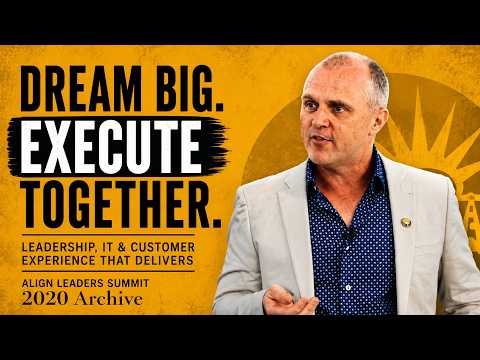 Dream Big. Then Build Systems That Can Deliver | Leadership Summit 2020 Archive
 Handling Uncertainty in Small Business - OSB Webinar