Related articles
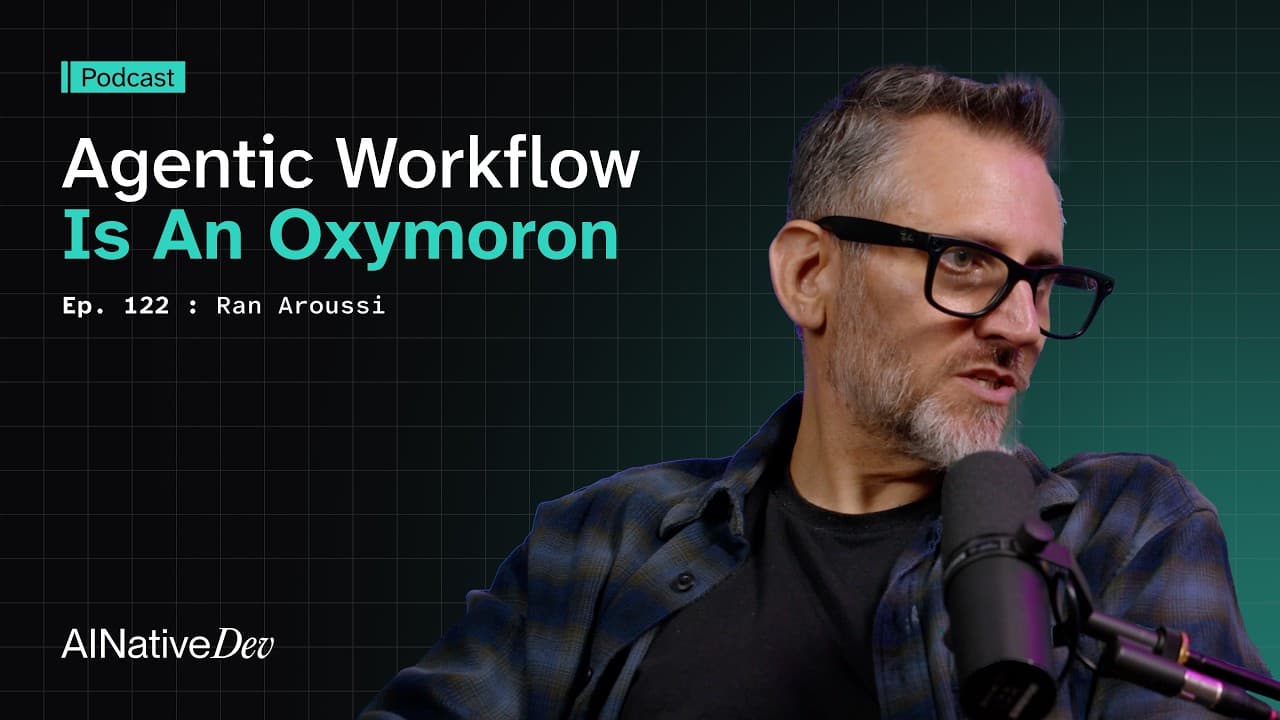
Multi‑Monitoring Agents: The New Dev Skill
Why multi-monitoring agents, layered memory, and inspectable formations matter for production safety and hiring in an agentic world.
Article68% match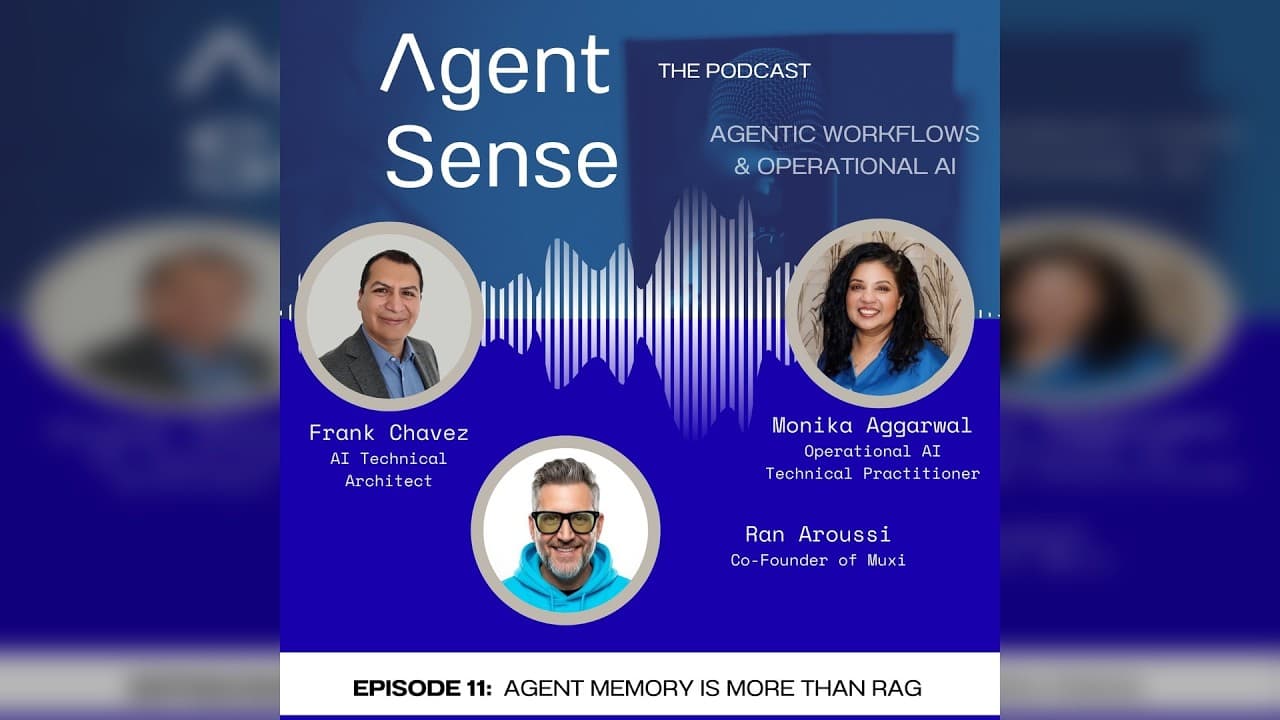
Agent Memory Is More Than RAG
How enterprises should build memory, retrieval, and governance for production agents.
Article62% match
About Ran Aroussi

Founder of VarOps • Building software and Resident AI into companies that can't afford to guess.
35+ years Production coding experience30M+ Open-source downloads per month50K+ GitHub stars3B+ Ads delivered daily by systems he built
Ran Aroussi has spent 35 years building software infrastructure. Now he thinks we’re building AI for businesses backwards.
Most companies are adding copilots, chatbots, and agents, then asking employees to learn how to use them. Ran’s argument is almost the opposite: people shouldn’t have to adapt to AI. AI should adapt to the company.
He’s the founder of VarOps, where he’s building what he calls "Resident AI": AI that lives inside an organization, learns how it actually operates, and works through the tools and workflows people already use. No new destination. No constant prompting. Ideally, employees barely notice it’s there.
The idea grew out of a problem Ran believes the AI industry has underestimated: AI doesn’t understand organizations.
A chatbot might have access to every document, meeting, and message in a company and still not understand why a decision was made, which unwritten rule matters, who actually knows how something works, or that the official process hasn’t been followed in three years.
Retrieval gives AI information. It doesn’t necessarily give it understanding.
Ran’s work focuses on building that missing layer: a living model of the organization itself – its knowledge, decisions, relationships, processes, and unwritten operating context. He describes it as an "Organizational Language Model" (OLM) rather than another LLM with access to company data.