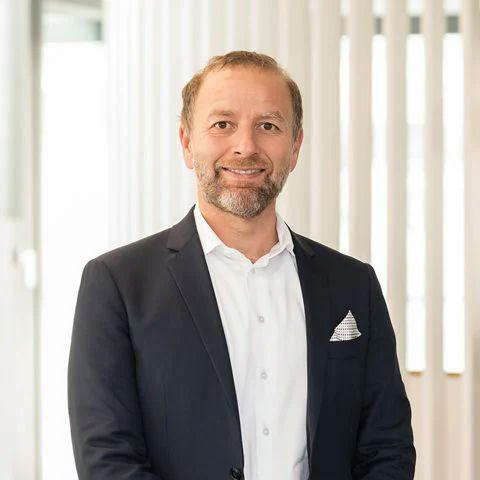
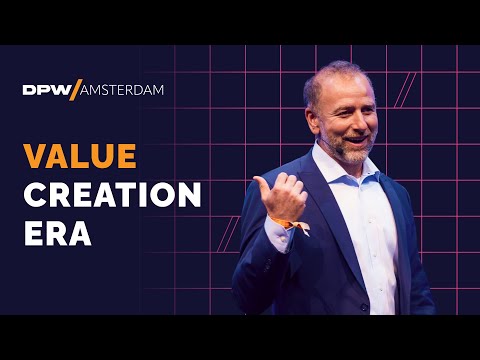
Meet Mauro Erriquez
Mauro Erriquez spends his days where volatility, technology, and industrial reality collide. A senior partner at McKinsey & Company based in Frankfurt, he leads the firm’s global Product Development and Procurement Practice, advising materials, chemicals, automotive, machinery, and other industrial clients on performance transformations, resilient growth, and supply-chain strategy.
Before joining McKinsey, Mauro began his career in industry as a purchasing team leader at General Motors. That early experience on the factory and supplier side still shapes how he talks about procurement today: not as a back-office cost cutter, but as a strategic function that directly shapes margin, resilience, innovation, and sustainability.
Over his career at McKinsey, Mauro has led large-scale procurement and supply chain transformations for global pulp and paper, steel, aerospace, machinery, telecoms, and advanced electronics players, including private-equity-owned businesses. His work ranges from designing “spend digital twins” to give procurement teams real-time pricing power, to helping industrials rethink their energy strategy in the face of shocks, decarbonization targets, and tariff uncertainty.
Mauro’s writing and research focus on what procurement looks like in an AI-enabled, net-zero world—covering topics such as generative AI in negotiations, data-driven decision making, digital marketplaces, long-tail spend, and the role of procurement in the energy transition. He is a co-author of McKinsey’s Reimagining Procurement work, where he and his colleagues set out a practical agenda for C-suites and CPOs who want procurement to be a true competitive advantage rather than an administrative function.
He’s equally focused on people: Mauro is deeply involved in what he calls “procurement 2030” thinking—what capabilities, operating models, and next-generation talent the function will need as AI, geopolitics, and sustainability reshape global value chains.
As a podcast guest, Mauro connects big-picture shifts in procurement, AI, and industrial strategy to concrete stories from the field, giving leaders pragmatic ways to act now rather than admire the problem.