
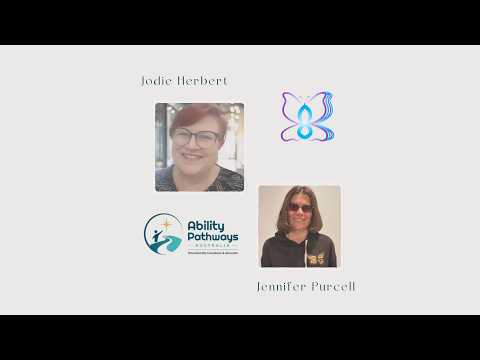
Meet Jodie Herbert
Jodie Herbert is a disability and neurodiversity advocate, workplace inclusion strategist and founder of Ability Pathways Australia, helping organisations, carers and people with disability bridge the gap between policy, intention and real-life implementation. After more than two decades in market analytics, Jodie combines her professional expertise with a lifetime of lived experience as a carer, including supporting family members with complex disabilities, to develop practical solutions that help people thrive at work and in everyday life.
Known for combining compassion with rigorous analysis, Jodie does not rely on opinions alone. She has produced detailed evidence-based reports that have contributed to national disability funding discussions, including a 113-page submission to the Australian Senate examining the economic and human impact of proposed National Disability Insurance Scheme reforms. Her work focuses on turning complex challenges into practical systems that organisations, leaders, managers and support networks can realistically implement and sustain.
Central to Jodie’s work is The Implementation Gap: the often-overlooked space between what has been promised, planned or agreed and what is required to make it work in practice. Informed by Implementation Science, she examines the less visible conditions that determine whether workplace policies, inclusion strategies and reasonable adjustments succeed or fail during delivery.
Jodie is a public voice on autism, neurodiversity and support pathways for people with significant disabilities. She speaks on what paid work can look like with significant autism, how employers can support neurodivergent employees, and the human impact of disability policy on families and carers.
Jodie helps translate inclusion commitments into everyday workplace practice. This includes identifying hidden barriers affecting performance and retention, improving the implementation of reasonable adjustments, strengthening manager capability and creating clearer systems of responsibility, communication and follow-through.
Jodie believes workplace inclusion is not about doing more. It is about doing things differently, with greater attention to how change will actually be implemented. From supporting employees with disability to helping organisations retain talented people through simple, meaningful adjustments, she shows how inclusive workplaces can strengthen engagement, productivity and organisational performance.
Whether she is discussing autism and neurodiversity at work, the future of work, disability advocacy or Australia’s evolving disability reforms, Jodie brings a unique perspective grounded in lived experience, data and practical implementation. Her conversations leave audiences with a deeper understanding of how closing the gap between intention and delivery can create stronger workplaces, more capable leaders and better outcomes for employees, families and organisations alike.

