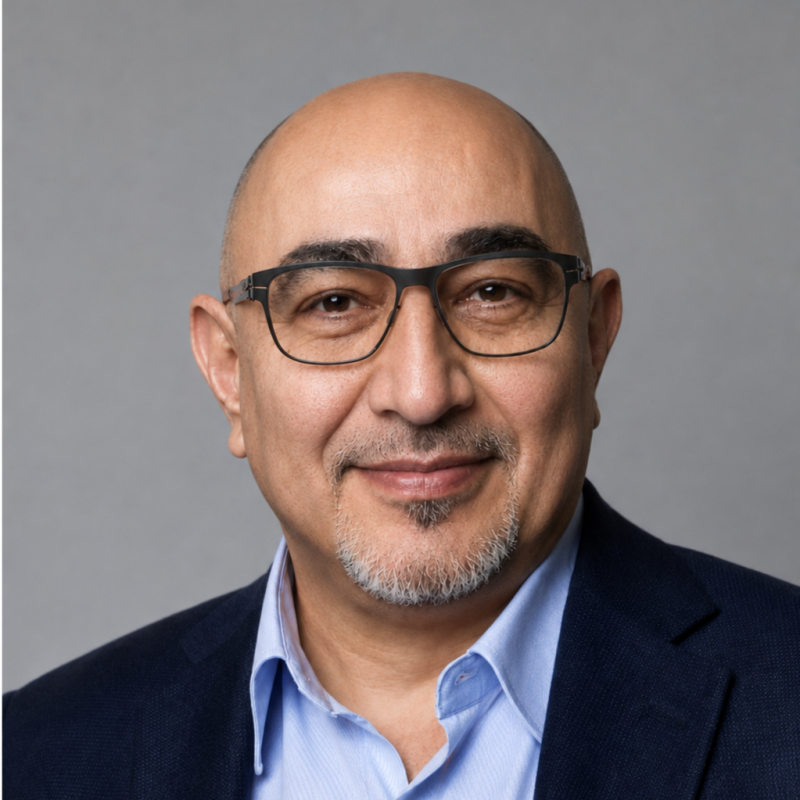
Dr Hussein Rifai media



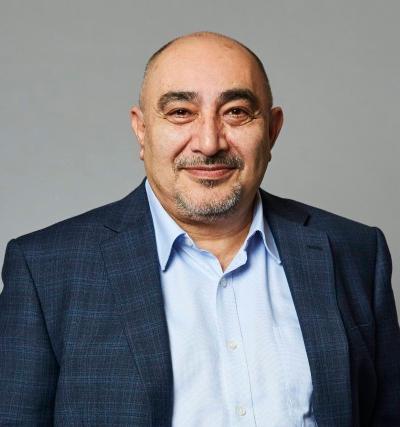
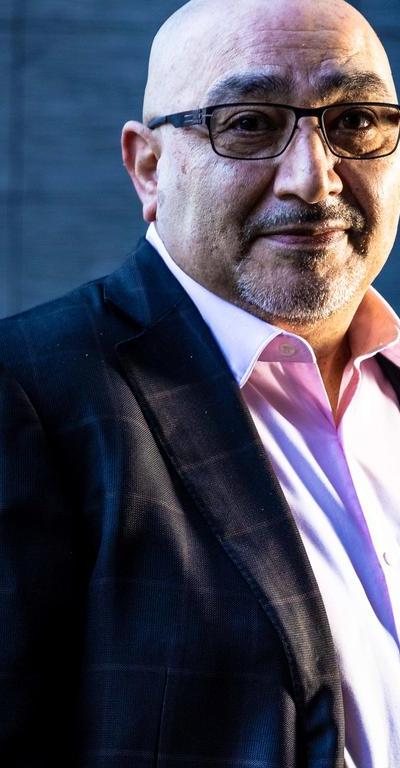
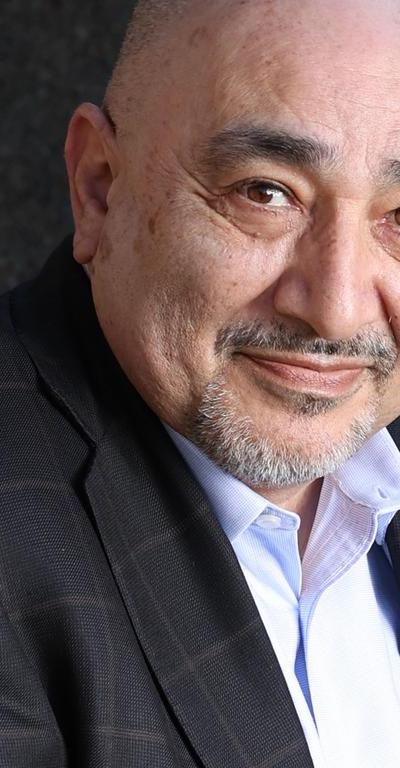
About Dr Hussein Rifai
Global Business Leader, Investor & Author of The Chaos Theorem
Dr. Hussein Rifai is an Australian entrepreneur, investor, chairman, author and lifelong student of people whose extraordinary journey has taken him across more than 85 countries, multiple industries and some of the most challenging boardrooms in the world.
Born in Nablus and raised in Jordan by a respected judge and an award-winning poet, Hussein grew up at the intersection of discipline and imagination - two influences that would shape a life defined by curiosity, reinvention and a willingness to challenge convention. His career has taken him from engineering and senior roles with global organisations including Procter & Gamble, Johnson & Johnson and Ernst & Young, to entrepreneurship, private equity, investment banking and corporate leadership.
He later founded investment businesses, advised companies and governments internationally, and became widely known in Australia for helping lead the turnaround of SPC, one of the country's oldest and most recognised food companies. His leadership has also placed him at the centre of difficult public conversations, from workplace decisions during the COVID-19 pandemic to going undercover to help expose the exploitation of migrant workers and modern slavery within food supply chains.
But Hussein's story extends far beyond business.
Across four decades he has experienced extraordinary success and devastating setbacks, migration and cultural reinvention, financial loss, family tragedy, love, betrayal, fatherhood and the constant challenge of beginning again. These experiences form the heart of his forthcoming memoir, The Chaos Theorem - a deeply personal exploration of resilience, identity, leadership, family, belonging and the beautiful unpredictability of life.
Rather than offering a formula for success, Hussein speaks candidly about what happens when the formula fails. His perspective is grounded not in theory, but in lived experience: leading through uncertainty, rebuilding after failure, navigating cultures and contradictions, and learning that character is often revealed most clearly when life refuses to follow the plan.
Today, Hussein brings the insight of an experienced global business leader, the curiosity of a lifelong traveller and the warmth and humour of a natural storyteller to conversations about resilience, reinvention, leadership, migration, identity, family, purpose and what life's chaos can teach us about who we really are.
Episode angles ready to record
Ideas That Survive Scrutiny: disciplined thinking before amplification
Executives and founders are being encouraged to write, speak, publish, and comment more often, but greater visibility also makes thin ideas easier to spot. The misconception is that a bigger platform…
Living With Uncertainty: what four decades of disruption reveal about values and capability
We are taught to build a plan, make good decisions and assume that enough discipline will eventually give us control, yet Hussein’s life repeatedly proved otherwise. Across more than four decades…
Resilience as Adaptation: rebuilding identity when there is no former life to return to
Resilience is often described as recovering from adversity and returning to normal, but Hussein’s experience suggests that the deepest setbacks change the definition of normal altogether. Losing a…
Identity Across Borders: how migration reshapes belonging, family and ambition
Born in Nablus, raised in Jordan and Kuwait, educated in the United States and eventually making Australia home, Hussein has spent much of his life moving between countries, cultures, religions and…