
Daniel Bird Key Topics
Why Most Investors Lose Patience Before the Real Value Shows Up
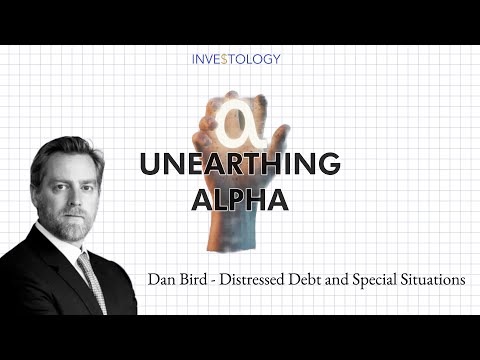
Long-horizon and distressed deals don’t play by quarterly rules-and that’s where most investors fall short. Boards demand progress, dashboards show red, and discipline cracks just before value begins to surface. Daniel Bird has spent decades in these trenches, from corporate restructurings to special situations that take years to unwind. He reveals why true returns depend on governance that tolerates uncertainty, teams built for setbacks, and leaders who stay calm when everyone else wants to cut losses. For allocators chasing durable value, Daniel reframes patience not as passivity-but as the ultimate edge.
Why an in-house investing sleeve gives families the flexibility funds can’t
Lockups and crowded fund trades limit a family’s ability to respond when markets shift or opportunities appear. Relying entirely on external managers creates blind spots in liquidity, pacing, and deal choice. Daniel has seen how even a measured internal allocation - not a full-scale platform, but a sleeve that sits alongside existing managers - can restore flexibility. It allows families to generate cash flow on their terms, pursue overlooked opportunities, and maintain oversight without losing the benefits of trusted external relationships.
Why Credit Cycles Reveal Market Stress Before Stocks React
When credit tightens, refinancing windows narrow, and defaults inch up, the real economy starts flashing signals long before equity indices wobble. Daniel Bird has spent three decades decoding those early warnings across liquid credit, private debt, and distressed workouts-from structuring billion-dollar deals at Merrill Lynch to steering portfolios at Hayfin. He shows investors, boards, and founders how shifts in lending standards, spreads, and covenant strength reveal where risk is building and opportunity is quietly emerging. Rather than chase stock sentiment, Daniel translates credit data into clear insights on timing, liquidity, and discipline-helping decision-makers stay ahead of market turns instead of reacting to them.
Why Most Portfolios Fail to Balance Liquidity and Long-Horizon Deals
In theory, liquidity and long-term investing should complement each other. In practice, they often collide. Daniel Bird has seen it firsthand-running liquid trading desks as a bank MD and managing multi-year private credit portfolios. He exposes why most “balanced” portfolios break down: governance gaps, misplaced hedges, and blurred strategy between teams chasing yield on different timelines. Daniel shows how to reconnect public and private playbooks under one disciplined framework, where speed doesn’t kill patience and each return driver earns its place. For family offices, pensions, and founders, his approach turns portfolio balance from a spreadsheet ideal into an investable reality.
Why Special Situations Fail When PE Teams Chase Them Like Startups
Private equity firms love the thrill of special situations-but too often, they bring a venture mindset to a credit problem. Daniel Bird has seen this mismatch repeatedly: aggressive growth assumptions, loose downside protection, and exit plans that depend on luck rather than structure. Drawing on decades across public and private credit, he shows how a disciplined, credit-first lens-anchored in cash flow, collateral, and contingency-turns chaos into control. For PE teams hungry for high returns, Daniel reframes special situations not as moonshots, but as precision plays where resilience beats hype.
Latest episodes


Key topics
Why an in-house investing sleeve gives families the flexibility funds can’t
Lockups and crowded fund trades limit a family’s ability to respond when markets shift or opportunities appear. Relying entirely on external managers creates blind spots in liquidity, pacing, and deal choice. Daniel has seen how even a measured internal allocation - not a full-scale platform, but a sleeve that sits alongside existing managers - can restore flexibility. It allows families to generate cash flow on their terms, pursue overlooked opportunities, and maintain oversight without losing the benefits of trusted external relationships.
Why Credit Cycles Reveal Market Stress Before Stocks React
When credit tightens, refinancing windows narrow, and defaults inch up, the real economy starts flashing signals long before equity indices wobble. Daniel Bird has spent three decades decoding those early warnings across liquid credit, private debt, and distressed workouts-from structuring billion-dollar deals at Merrill Lynch to steering portfolios at Hayfin. He shows investors, boards, and founders how shifts in lending standards, spreads, and covenant strength reveal where risk is building and opportunity is quietly emerging. Rather than chase stock sentiment, Daniel translates credit data into clear insights on timing, liquidity, and discipline-helping decision-makers stay ahead of market turns instead of reacting to them.
Why Most Portfolios Fail to Balance Liquidity and Long-Horizon Deals
In theory, liquidity and long-term investing should complement each other. In practice, they often collide. Daniel Bird has seen it firsthand-running liquid trading desks as a bank MD and managing multi-year private credit portfolios. He exposes why most “balanced” portfolios break down: governance gaps, misplaced hedges, and blurred strategy between teams chasing yield on different timelines. Daniel shows how to reconnect public and private playbooks under one disciplined framework, where speed doesn’t kill patience and each return driver earns its place. For family offices, pensions, and founders, his approach turns portfolio balance from a spreadsheet ideal into an investable reality.
View all topics →
Latest episodes
Key topics
Why an in-house investing sleeve gives families the flexibility funds can’t
Lockups and crowded fund trades limit a family’s ability to respond when markets shift or opportunities appear. Relying entirely on external managers creates blind spots in liquidity, pacing, and deal choice. Daniel has seen how even a measured internal allocation - not a full-scale platform, but a sleeve that sits alongside existing managers - can restore flexibility. It allows families to generate cash flow on their terms, pursue overlooked opportunities, and maintain oversight without losing the benefits of trusted external relationships.
Why Credit Cycles Reveal Market Stress Before Stocks React
When credit tightens, refinancing windows narrow, and defaults inch up, the real economy starts flashing signals long before equity indices wobble. Daniel Bird has spent three decades decoding those early warnings across liquid credit, private debt, and distressed workouts-from structuring billion-dollar deals at Merrill Lynch to steering portfolios at Hayfin. He shows investors, boards, and founders how shifts in lending standards, spreads, and covenant strength reveal where risk is building and opportunity is quietly emerging. Rather than chase stock sentiment, Daniel translates credit data into clear insights on timing, liquidity, and discipline-helping decision-makers stay ahead of market turns instead of reacting to them.
Why Most Portfolios Fail to Balance Liquidity and Long-Horizon Deals
In theory, liquidity and long-term investing should complement each other. In practice, they often collide. Daniel Bird has seen it firsthand-running liquid trading desks as a bank MD and managing multi-year private credit portfolios. He exposes why most “balanced” portfolios break down: governance gaps, misplaced hedges, and blurred strategy between teams chasing yield on different timelines. Daniel shows how to reconnect public and private playbooks under one disciplined framework, where speed doesn’t kill patience and each return driver earns its place. For family offices, pensions, and founders, his approach turns portfolio balance from a spreadsheet ideal into an investable reality.
View all topics →