
Sample Podcast Questions for Daniel Bird
- 1
When wealthy families bring part of their investing in-house, what are the first steps that make the difference between flexibility and unnecessary complexity?
- 2
What are the biggest misconceptions families have about outsourcing investments to funds, and how can they keep control without building a huge in-house team?
- 3
You’ve worked across both fast-moving liquid markets and slow, multi-year restructurings. How do you build a portfolio that balances those very different timelines?
- 4
When a business is in trouble, what separates the investors who stabilise it from those who make things worse?
- 5
Why do private equity teams sometimes misjudge special situations, and how does a credit lens change the way you plan for downside risk?
- 6
What does it really take for boards and investment committees to succeed with messy, long-horizon investments?
- 7
Credit markets often send signals before equities do — what are the signs you look for that a cycle is turning, and how should investors respond?
- 8
How should founders who’ve sold businesses think differently about managing their wealth compared to building their company?
- 9
What kinds of smaller or complex deals tend to get missed by big funds, and why can they be so valuable for families or institutions with the right setup?
- 10
Having lived through multiple market cycles, what principles have stayed constant in how you evaluate risk and opportunity — and what has changed most in today’s environment?
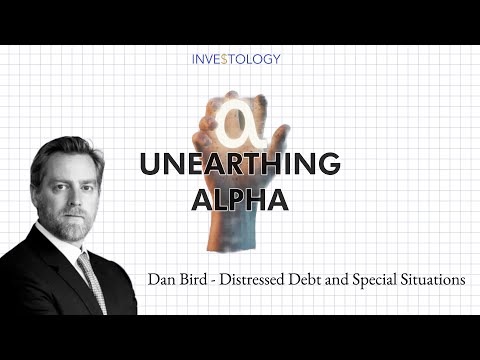
Latest episodes


Key topics
Why an in-house investing sleeve gives families the flexibility funds can’t
Lockups and crowded fund trades limit a family’s ability to respond when markets shift or opportunities appear. Relying entirely on external managers creates blind spots in liquidity, pacing, and deal choice. Daniel has seen how even a measured internal allocation - not a full-scale platform, but a sleeve that sits alongside existing managers - can restore flexibility. It allows families to generate cash flow on their terms, pursue overlooked opportunities, and maintain oversight without losing the benefits of trusted external relationships.
Why Credit Cycles Reveal Market Stress Before Stocks React
When credit tightens, refinancing windows narrow, and defaults inch up, the real economy starts flashing signals long before equity indices wobble. Daniel Bird has spent three decades decoding those early warnings across liquid credit, private debt, and distressed workouts-from structuring billion-dollar deals at Merrill Lynch to steering portfolios at Hayfin. He shows investors, boards, and founders how shifts in lending standards, spreads, and covenant strength reveal where risk is building and opportunity is quietly emerging. Rather than chase stock sentiment, Daniel translates credit data into clear insights on timing, liquidity, and discipline-helping decision-makers stay ahead of market turns instead of reacting to them.
Why Most Portfolios Fail to Balance Liquidity and Long-Horizon Deals
In theory, liquidity and long-term investing should complement each other. In practice, they often collide. Daniel Bird has seen it firsthand-running liquid trading desks as a bank MD and managing multi-year private credit portfolios. He exposes why most “balanced” portfolios break down: governance gaps, misplaced hedges, and blurred strategy between teams chasing yield on different timelines. Daniel shows how to reconnect public and private playbooks under one disciplined framework, where speed doesn’t kill patience and each return driver earns its place. For family offices, pensions, and founders, his approach turns portfolio balance from a spreadsheet ideal into an investable reality.
View all topics →
Latest episodes
Key topics
Why an in-house investing sleeve gives families the flexibility funds can’t
Lockups and crowded fund trades limit a family’s ability to respond when markets shift or opportunities appear. Relying entirely on external managers creates blind spots in liquidity, pacing, and deal choice. Daniel has seen how even a measured internal allocation - not a full-scale platform, but a sleeve that sits alongside existing managers - can restore flexibility. It allows families to generate cash flow on their terms, pursue overlooked opportunities, and maintain oversight without losing the benefits of trusted external relationships.
Why Credit Cycles Reveal Market Stress Before Stocks React
When credit tightens, refinancing windows narrow, and defaults inch up, the real economy starts flashing signals long before equity indices wobble. Daniel Bird has spent three decades decoding those early warnings across liquid credit, private debt, and distressed workouts-from structuring billion-dollar deals at Merrill Lynch to steering portfolios at Hayfin. He shows investors, boards, and founders how shifts in lending standards, spreads, and covenant strength reveal where risk is building and opportunity is quietly emerging. Rather than chase stock sentiment, Daniel translates credit data into clear insights on timing, liquidity, and discipline-helping decision-makers stay ahead of market turns instead of reacting to them.
Why Most Portfolios Fail to Balance Liquidity and Long-Horizon Deals
In theory, liquidity and long-term investing should complement each other. In practice, they often collide. Daniel Bird has seen it firsthand-running liquid trading desks as a bank MD and managing multi-year private credit portfolios. He exposes why most “balanced” portfolios break down: governance gaps, misplaced hedges, and blurred strategy between teams chasing yield on different timelines. Daniel shows how to reconnect public and private playbooks under one disciplined framework, where speed doesn’t kill patience and each return driver earns its place. For family offices, pensions, and founders, his approach turns portfolio balance from a spreadsheet ideal into an investable reality.
View all topics →