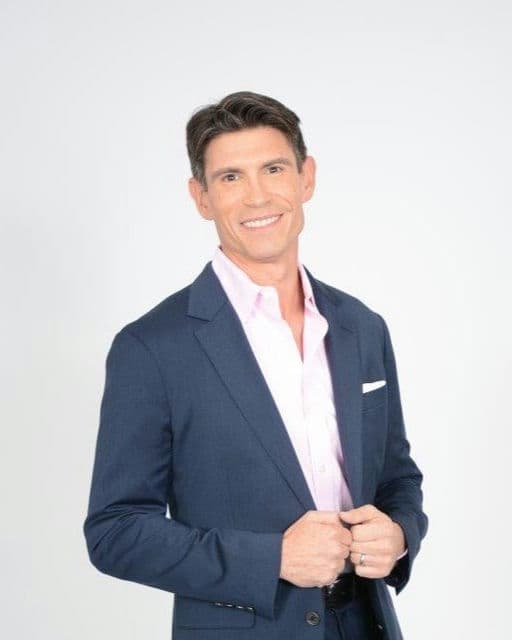
Chris Maduri Key Topics
The risks change in retirement, so the plan has to change too
The mindset that helps someone accumulate wealth is not always the mindset that helps them live off it wisely. Chris can break down why retirement introduces a different set of risks - including sequence risk, decision fatigue, longevity concerns, and emotional stress - and why a plan needs to adapt accordingly. This creates a timely conversation around retirement readiness, market anxiety, and how to create stability when the stakes feel higher.
Replacing the paycheck is only part of the job, because retirement also changes how you live, decide, and relate
The years leading up to retirement force people to think not just about income, but about how they will spend their time, handle uncertainty, and navigate this shift with the people closest to them. Chris can bring the conversation down to earth by showing how market stress, decision fatigue, and changing roles at home all collide during this period, especially for couples trying to picture retirement differently. His insight helps listeners understand that a strong plan does more than protect assets-it reduces noise, supports better decisions, and creates room for a more intentional life. This gives hosts a conversation that feels practical, timely, and highly relevant to pre-retirees trying to prepare for more than just the numbers.
Why retirement planning fails when it only prepares the money and not the person
A lot of people nearing retirement look financially prepared on paper but still feel unsettled when they think about what life will actually feel like without work anchoring their time, identity, and sense of usefulness. Chris is well positioned to talk about how financial planning and personal transition need to happen together, because uncertainty about purpose often shows up at the exact same time people are being asked to make high-stakes decisions about money. He can help audiences see that the emotional side of retirement is not separate from planning-it shapes confidence, decision-making, and whether someone can actually move into this next stage with clarity. That makes this a compelling conversation for shows that want something deeper than surface-level retirement advice.
In retirement, living off your money creates a different kind of anxiety
Once the paycheck stops and someone starts drawing from their own assets, money often feels more personal and more stressful. Chris can speak to the emotional side of that transition and explain how thoughtful planning helps create peace of mind, not just projected income. This angle works especially well for shows that want practical insight into why retirement feels so different emotionally than people expect.
You have to retire to something, not just from something
A lot of people work hard to escape pressure, deadlines, and responsibility, only to discover that freedom without direction can feel disorienting. Chris is well positioned to talk about why purpose, structure, and meaning matter just as much as income in retirement, and why the loss of professional identity often catches people off guard. This is a strong angle for podcasts that want to explore the emotional and psychological side of retirement in a practical way.
Latest episodes

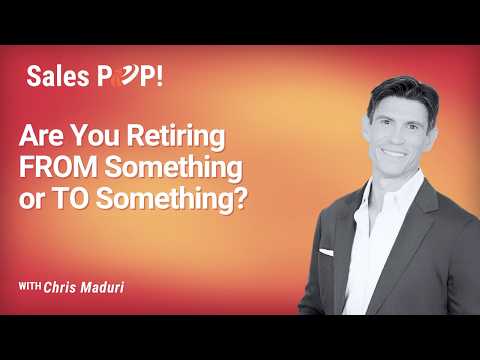
Retirement Planning: The 5 Red Flags to Avoid with Chris Maduri
Sales POP! Podcasts: Insights from Top Experts in Sales, Marketing, Leadership & More.
Episode 99: How Seniors Can Protect Retirement Income with Annuities and Home Equity
Serving Seniors Podcast
“Retiring TO Something and Not Just FROM Something” with Chris Maduri, CEO of Vibrant Retirement
The Transition Bridge Podcast
Key topics
In retirement, living off your money creates a different kind of anxiety
Once the paycheck stops and someone starts drawing from their own assets, money often feels more personal and more stressful. Chris can speak to the emotional side of that transition and explain how thoughtful planning helps create peace of mind, not just projected income. This angle works especially well for shows that want practical insight into why retirement feels so different emotionally than people expect.
Replacing the paycheck is only part of the job, because retirement also changes how you live, decide, and relate
The years leading up to retirement force people to think not just about income, but about how they will spend their time, handle uncertainty, and navigate this shift with the people closest to them. Chris can bring the conversation down to earth by showing how market stress, decision fatigue, and changing roles at home all collide during this period, especially for couples trying to picture retirement differently. His insight helps listeners understand that a strong plan does more than protect assets-it reduces noise, supports better decisions, and creates room for a more intentional life. This gives hosts a conversation that feels practical, timely, and highly relevant to pre-retirees trying to prepare for more than just the numbers.
Why retirement planning fails when it only prepares the money and not the person
A lot of people nearing retirement look financially prepared on paper but still feel unsettled when they think about what life will actually feel like without work anchoring their time, identity, and sense of usefulness. Chris is well positioned to talk about how financial planning and personal transition need to happen together, because uncertainty about purpose often shows up at the exact same time people are being asked to make high-stakes decisions about money. He can help audiences see that the emotional side of retirement is not separate from planning-it shapes confidence, decision-making, and whether someone can actually move into this next stage with clarity. That makes this a compelling conversation for shows that want something deeper than surface-level retirement advice.
View all topics →
Latest episodes
Retirement Planning: The 5 Red Flags to Avoid with Chris Maduri
Sales POP! Podcasts: Insights from Top Experts in Sales, Marketing, Leadership & More.
Episode 99: How Seniors Can Protect Retirement Income with Annuities and Home Equity
Serving Seniors Podcast
“Retiring TO Something and Not Just FROM Something” with Chris Maduri, CEO of Vibrant Retirement
The Transition Bridge Podcast
Key topics
In retirement, living off your money creates a different kind of anxiety
Once the paycheck stops and someone starts drawing from their own assets, money often feels more personal and more stressful. Chris can speak to the emotional side of that transition and explain how thoughtful planning helps create peace of mind, not just projected income. This angle works especially well for shows that want practical insight into why retirement feels so different emotionally than people expect.
Replacing the paycheck is only part of the job, because retirement also changes how you live, decide, and relate
The years leading up to retirement force people to think not just about income, but about how they will spend their time, handle uncertainty, and navigate this shift with the people closest to them. Chris can bring the conversation down to earth by showing how market stress, decision fatigue, and changing roles at home all collide during this period, especially for couples trying to picture retirement differently. His insight helps listeners understand that a strong plan does more than protect assets-it reduces noise, supports better decisions, and creates room for a more intentional life. This gives hosts a conversation that feels practical, timely, and highly relevant to pre-retirees trying to prepare for more than just the numbers.
Why retirement planning fails when it only prepares the money and not the person
A lot of people nearing retirement look financially prepared on paper but still feel unsettled when they think about what life will actually feel like without work anchoring their time, identity, and sense of usefulness. Chris is well positioned to talk about how financial planning and personal transition need to happen together, because uncertainty about purpose often shows up at the exact same time people are being asked to make high-stakes decisions about money. He can help audiences see that the emotional side of retirement is not separate from planning-it shapes confidence, decision-making, and whether someone can actually move into this next stage with clarity. That makes this a compelling conversation for shows that want something deeper than surface-level retirement advice.
View all topics →