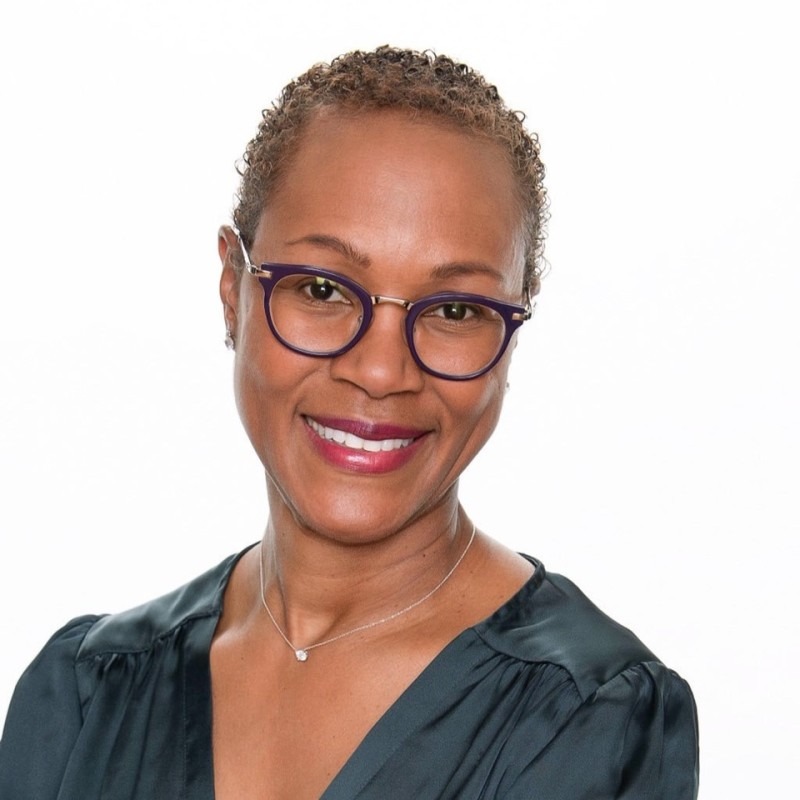
About Bridget Smith, CMR, PACS
Award Winning Author of Why Did You Say That?
Bridget Smith has spent more than three decades inside corporate America, building a career in healthcare and pharmaceuticals while paying close attention to something many leaders overlook: the lasting effect of their words. That observation became the foundation of her book, Why Did You Say That? Five Things Managers Say That Stifle Creativity, a work shaped by what she has heard in boardrooms, field teams, and everyday workplace conversations, and by what she has lived herself.
Over the years, Bridget has moved between sales leadership, market access, coaching, and governance, building a career that has asked her to influence people in very different ways. She has helped healthcare providers navigate complex systems, trained teams, served as Chair of the Board of Trustees for a Los Angeles charter school during the construction of a $14 million facility in the middle of the pandemic, and now coaches college students as they prepare to enter the working world. What ties those chapters together is her attention to the moments that shape people more quietly: a manager who shuts down an idea, a leader who folds their arms and closes off a conversation, a young professional who starts to question whether they are allowed to fully be themselves.
Bridget speaks about leadership as someone who has had to keep finding her footing across different rooms, different cities, and different versions of herself. She grew up in Atlanta, lived in Chicago, spent thirty years in California, and returned to Atlanta with a broader sense of how people see one another and how much curiosity matters. She speaks candidly about being a woman in business, about the judgments people make in an instant, and about her own responsibility to question the assumptions she once made herself. That honesty gives her work its weight. She is interested in what happens when people feel dismissed, but even more in what becomes possible when they feel recognized.
As a podcast guest, Bridget brings warmth, candor, and lived perspective to conversations about leadership, communication, creativity, identity, and the words that shape how people work, grow, and relate to one another.
Episode angles ready to record
For Bridget, leadership has never been confined to titles, boardrooms, or performance reviews. Raising her daughter alongside a demanding career sharpened her understanding of how words shape…
Bridget’s work is grounded in a simple but confronting question that also became the title of her book: Why Did You Say That? Drawing on decades in corporate environments, she unpacks how everyday…
Bridget has seen a shift where people hold back from asking questions or showing curiosity because they don’t want to say the wrong thing or expose themselves. Having worked across different regions…
Across three decades in corporate environments, Bridget has watched the same phrases do the same damage again and again. Comments like “this is how we’ve always done it” or “it is what it is” may…