
October 1, 2026
Jason Flom with Jeffrey Deskovic

I was 16 years old when I was arrested.
Sound bites
My mission in life is to fight wrongful convictions. And that's how I make sense out of what happened to me.
In this episode
Jeffrey Deskovic talks with Jason Flom about his wrongful conviction, exoneration, and the work he has done since to fight other miscarriages of justice.
- Arrested at 16 for the rape and murder of a classmate, then convicted despite DNA evidence that did not match him.
- False confession came after police questioning and a lie detector test, with no physical evidence tying him to the crime.
- DNA testing in 2006 identified the real killer and led to his release after 16 years in prison.
- Built a new life after exoneration, including graduate study, law school, and admission to the New York State Bar.
- Uses the Deskovic Foundation and his legal work to help challenge wrongful convictions and support other exonerees.
Chapters
Written from the transcript. Pick a chapter to play the episode from that point.
Transcript
Automatic captions of the conversation. They can contain errors and do not name who is speaking.
WEBVTT - #593 Jason Flom with Jeffrey Deskovic Speaker 1: I first covered Jeffrey Deskovic's story back in 2017, which Speaker 1: was the first year of this podcast. Jeff's story is Speaker 1: one that I've come back to over and over again Speaker 1: over the years, not only because of the 16 years Speaker 1: he spent in prison for a murder he had nothing Speaker 1: to do with, I mean nothing at all, but also Speaker 1: because of what he's chosen to do with his life Speaker 1: after his exoneration. It's a hero's journey.
And Jeff's story has... Speaker 1: A powerful connection to the two cases that we recently Speaker 1: revisited on this show. I'm talking about Andrew Krivak and Speaker 1: Anthony DiPippo. Because the same freaking polygraph operator who helped Speaker 1: extract the false confession from Jeff when he was just Speaker 1: 16 years old was later involved in the interrogation that Speaker 1: produced Andy Krivak's false confession. Yeah, these things, they happen Speaker 1: again and again. The same people are usually behind them.
Anyway, Speaker 1: years later, Jeff and the Deskovic Foundation not only helped Speaker 1: to free Andy, But Jeff even put up his own Speaker 1: house as collateral for Andy's bail. Yeah, you heard that correctly. Speaker 1: That's the type of guy he is. So recently I Speaker 1: joined Jeffrey and filmmaker Gia Rizvi at the Sag Harbor Speaker 1: Cinema for a special presentation followed by a talkback that Speaker 1: we did together of 16 years. The 16 years is Speaker 1: Gia's amazing documentary about Jeff's wrongful conviction, his exoneration, and Speaker 1: all the work he's done since.
I spoke there about Speaker 1: Jeff's incredible journey from being a young teenage kid railroaded Speaker 1: by the system to an attorney and advocate who fights Speaker 1: for others day in and day out to make sure Speaker 1: it doesn't happen to them. If you've been listening to Speaker 1: Bone Valley, The Devil's Quarry, which I hope you have, Speaker 1: and if you haven't, today's a good day to start. Speaker 1: Jeff's story provides important context for the cases of Anthony Speaker 1: DePippo and Andy Krivak.
And moreover, for how these wrongful Speaker 1: convictions happen in the first place. So now, check it out. Speaker 1: Here's Jeffrey's story. Welcome back to Wrongful Conviction with Jason Flom. Speaker 1: Today's guest is someone fans of the show will recognize, Speaker 1: Jeff Deskovic. Speaker 2: Jeffrey Deskovic spent more than a decade in prison for Speaker 2: the rape and murder of a classmate. It was a Speaker 2: crime he did not commit. Speaker 3: A 16-year-old is arrested for rape and murder. He's grilled Speaker 3: by police and given a lie detector test, and eventually Speaker 3: the police talk him into a false confession, even though Speaker 3: DNA did not link him to the crime.
He served Speaker 3: 16 years in prison before new testing shows another man Speaker 3: committed that crime. Speaker 2: In January 2006, the Innocence Project convinced prosecutors to take Speaker 2: another look at DNA evidence. New testing technology cleared Deskovic Speaker 2: of the 1989 crime, identifying the real killer and releasing Speaker 2: Deskovic into a world he no longer knew. Today, Deskovic Speaker 2: is a free man. Speaker 1: Jeff, welcome back to Wrongful Conviction. Speaker 4: Thanks for having me, Jason.
It's always a pleasure. Speaker 1: And Jeff was here before with Amanda Knox and Jared Speaker 1: Adams when we did a very special Wrongful Christmas, where Speaker 1: he spoke so eloquently about what it was like being Speaker 1: locked up in a maximum security prison on the holidays Speaker 1: when Everyone else is out celebrating and the world's going Speaker 1: on without you. But this time, I'm really glad to Speaker 1: have you here, Jeff, because your story is so important. Speaker 1: And so I want to get right back into that.
Speaker 1: You grew up in White Plains? Speaker 4: No, I grew up in Peekskill in Westchester County. My Speaker 4: case happened in White Plains. That's the county court. Speaker 1: People are going to scratch their heads or shake their Speaker 1: heads when I say this, right? In your case... DNA Speaker 1: evidence was presented at the trial that proved scientifically, with Speaker 1: no doubt, that you could not have been the perpetrator Speaker 1: of the beating, rape, and murder of the 15-year-old victim, Speaker 1: Angela Correa.
There is no way on God's green earth Speaker 1: that you could have been the perpetrator, and yet you Speaker 1: were convicted anyway. And that's what makes, it's just, I'm Speaker 1: going to shake up the whole justice system and go, wait, Speaker 1: that's not possible. It can't happen. And you were basically Speaker 1: a child when this happened. Speaker 4: I was. I was 16 years old when I was arrested. Speaker 4: And by the time the trial happened and I was Speaker 4: wrongfully convicted, I was 17. So, yes, I was a child.
Speaker 4: And I had very small awareness of what was going on, Speaker 4: totally dependent on the lawyer who was inept in a Speaker 4: lot of ways. It's fair to say that I was Speaker 4: particularly vulnerable. Speaker 1: It's such a tragic thing that happened to start with. Speaker 1: And this was a young girl who was in your school. Speaker 1: Were you in 10th grade at the time? Speaker 4: I was. Speaker 1: So you were in 10th grade. She was in 10th grade. Yeah. Speaker 4: She was in two of my classes as a freshman Speaker 4: and one as a sophomore.
She was an immigrant from Colombia. Speaker 4: She'd been in the country for about a year and Speaker 4: a half. She lived a very, very sheltered life, as Speaker 4: I understand it, in which she never went outside unless Speaker 4: she was with her older sister or with her parents. Speaker 4: And this one particular day, she received a assignment in Speaker 4: her photography class to take some pictures of some foliage. Speaker 4: The teacher assigned male students with the female students, like Speaker 4: a buddy system for safety.
And this male student who Speaker 4: was assigned to her played hooky on the assignment. And Speaker 4: so when Angela went to her house with her sister, Speaker 4: her sister went to the restroom. And when she came Speaker 4: back out, Angela decided to venture out on her own Speaker 4: that one day to take the pictures. And unfortunately, that Speaker 4: proved to be her last day. Speaker 1: It's unbelievable. I mean, it's really an incredible story. The Speaker 1: one day this poor little girl decides to, you know, Speaker 1: be brave, right?
Speaker 2: Right. Speaker 1: So she ends up brutally beaten, raped, and strangled, right? Speaker 4: Yes. Speaker 1: And this must have caused pandemonium in the community. Speaker 4: It absolutely did. There hadn't been a murder in Peekskill Speaker 4: for about 20 years. Speaker 1: Wow. Speaker 4: And the whole city virtually shut down. I mean, Parents Speaker 4: were coming right to the high school, dropping their kids Speaker 4: off and picking them up. There was repeated town hall meetings. Speaker 4: The mayor and police were attending and giving safety tips, Speaker 4: and people were vocalizing concerns.
Speaker 1: Well, yeah, there was a monster on the loose. Speaker 4: Exactly right. Speaker 1: A real monster. Speaker 4: There was. Speaker 1: And so, yeah, as a parent, I would certainly be Speaker 1: doing the same thing. I wouldn't let my kid out Speaker 1: of my sight until this thing was resolved. So this creates, Speaker 1: as we know, a lot of pressure. right? On law enforcement. Speaker 1: They got to get this thing off their desks. Who Speaker 1: knows what could happen, right? There's going to be articles written.
Speaker 1: There's going to be TV. There's going to be all Speaker 1: that stuff, right? When you have a high profile case, Speaker 1: especially involving a child in a community where murder hasn't Speaker 1: happened in 20 years, it's a pressure cooker. So how Speaker 1: the hell did they end up picking on you? I Speaker 1: didn't know you when you were 16, but I can Speaker 1: imagine that you would be an extremely unlikely candidate for Speaker 1: a brutal crime like this one. Speaker 4: Yeah, I would agree with that.
So, well, when I Speaker 4: was 16, I kind of lived a double life in Speaker 4: a sense, in the sense that in school, I was quiet. Speaker 4: I was to myself. I was a little bit withdrawn Speaker 4: because I wasn't really familiar with those kids, and I Speaker 4: didn't quite fit in with them. But after school, in Speaker 4: the apartment building where I lived at, which coincidentally was Speaker 4: right across the street from the high school, I was Speaker 4: kind of like the life of the party. So myself Speaker 4: and one other boy that lived there.
I mean, there Speaker 4: was a big group of kids that lived in the Speaker 4: complex and in the areas around it. And pretty much Speaker 4: whatever I would suggest would mostly be what we would do. Speaker 4: I mean, we would swim, we would play basketball, ride bikes, Speaker 4: play Monopoly, video games, movies. We made up some games. Speaker 4: We made up a game that was like baseball, except Speaker 4: it was played with a tennis racket and a tennis Speaker 4: ball and the ball had to be thrown a certain way.
Speaker 4: And I was a different person there. So the police Speaker 4: story is that in the course of interviewing students from Speaker 4: the high school, some of them told the police, hey, Speaker 4: you might want to talk to Jeff because he's quiet Speaker 4: and to himself. So originally, the police looked at the Speaker 4: victim's stepdad, who was married to the victim's mother. But Speaker 4: at some point, he realized that he was a suspect Speaker 4: and he hired a retired New York City detective to Speaker 4: investigate the crime.
And so that persuaded them to move Speaker 4: off of him. Then they looked at another youth in Speaker 4: the high school and they started using interrogative tactics, which Speaker 4: they would use on me later on. But the difference Speaker 4: is that he had a stepfather in the home. And Speaker 4: so the stepfather went down to the police station and Speaker 4: broke up the interrogation. And they initially wouldn't let him Speaker 4: in the room, but He broke up the interrogation and Speaker 4: he got his stepson an attorney.
And so that was Speaker 4: the end of that. I, on the other hand, didn't Speaker 4: have a stepfather in the home. So there wasn't anybody Speaker 4: to intervene for me. Speaker 1: It was just you and your mother at the time? Speaker 4: Myself, my mother, and I lived with my grandmother. And Speaker 4: then I had a younger brother. So the police story Speaker 4: is that some of the kids in the school told Speaker 4: them that they might want to talk to me. And Speaker 4: their other theory as to why they focused in on me, Speaker 4: they said that my emotional reaction to the victim having Speaker 4: been murdered was disproportionate to what my actual relationship with Speaker 4: her was, which was to say there was no relationship.
Speaker 4: I mean, I knew her name, she knew mine. We Speaker 4: weren't even on a high buy basis. So her being murdered, Speaker 4: it kind of struck me because that was really my Speaker 4: first encounter with death. I thought that was something that Speaker 4: happens to people at the end of life. I had Speaker 4: a chance to briefly get to know the family. I Speaker 4: went to the WIC and People were invited back to Speaker 4: their house, to the Correa house. to have coffee and Speaker 4: talk to the family. And there was cookies and stuff.
Speaker 4: And so I guess you could say, you might say Speaker 4: I was kind of a sensitive, sentimental type of person. Speaker 4: And so it kind of touched me. Speaker 1: A little bit. By the way, you might say you Speaker 1: were a normal type of person, right? And it always Speaker 1: boggles my mind how these authority figures suddenly become expert Speaker 1: psychiatrists or psychologists. And we see it over and over again. Speaker 1: He acted too sad. He didn't act sad enough. He Speaker 1: was too upset and not upset enough.
He ran into Speaker 1: the fire. There's all these cases where that becomes a Speaker 1: factor when it's ridiculous. Nobody knows how anyone is going Speaker 1: to react in times of trauma. And I would say, Speaker 1: like I said, that your reaction sounds to me like Speaker 1: a sensitive person who is just experiencing something in their Speaker 1: own community with somebody that's an innocent young girl, of Speaker 1: course you're upset. Speaker 4: Yeah, I agree with you completely. And I want to Speaker 4: add that this really shook up the whole city to Speaker 4: the point that free mental health counseling was offered to Speaker 4: anybody in the city who wanted it.
So this affected Speaker 4: many people emotionally. Speaker 1: Had you ever been in trouble before? Speaker 4: No. Speaker 1: Never been in trouble. So the cops, at some point, Speaker 1: they come and pick you up. But your interrogation is Speaker 1: really at the root of the entire problem. And it Speaker 1: is a perfect example of everything that's wrong with interrogation Speaker 1: techniques in this country, even today. It is. Speaker 4: There was a six-week run-up to that day. So I Speaker 4: had interaction with the police from the time they initially Speaker 4: intercepted me on my way to the high school.
Up Speaker 4: until the day of the course, false confession, in which Speaker 4: half the time they would talk to me as if Speaker 4: I was a suspect. And then half the time they Speaker 4: would talk to me pretending like they needed my help Speaker 4: to solve the crime. They would say things like, the Speaker 4: kids won't talk freely around us, but they will around you. Speaker 4: Let us know if you hear any rumors. They made Speaker 4: me the center of attention. They would ask me opinion questions. Speaker 4: It's exciting, right?
Speaker 1: Yeah, it was. Speaker 4: Congratulate me, my opinions being correct. My fantasy childhood career Speaker 4: was actually to be a cop. So this unexpected early Speaker 4: opportunity to do this quasi-police work was part of how Speaker 4: they pulled the wool over my eyes, along with my age. Speaker 4: I was 16 then. They used to buy pizza. And listen, Speaker 4: I grew up in a single parent household, as we mentioned, Speaker 4: and that directly intersected with the good cop, bad cop routine. Speaker 4: And then I started looking up to the cop who Speaker 4: was pretending to be my friend.
Speaker 1: But as a father figure. Speaker 4: As a father figure. Yeah, exactly. Speaker 1: I mean, again, you were 16. So, OK, so there's Speaker 1: sort of. Sort of spinning this web and seducing you Speaker 1: and trying to get you to say something that would Speaker 1: be incriminating. Now we know that's what they were doing, right? Yeah, exactly. Speaker 4: And so finally at the end, they told me that Speaker 4: they received some new tip that was in the police Speaker 4: file and they wanted to share that with me.
But Speaker 4: to do that, I would first have to take and Speaker 4: pass a polygraph. So help us to help you to Speaker 4: help us, typologic was employed. So instead of going to Speaker 4: the school the next day, I instead went to the Speaker 4: police station where I thought the polygraph was going to Speaker 4: happen because through the rumor mill of the city, I Speaker 4: had heard that other people had been polygraphed at the Speaker 4: police station. But actually, they drove me from Peekskill, which Speaker 4: was in Westchester County, they drove me 40 minutes away Speaker 4: out of county to the town of Brewster, which is Speaker 4: in Putnam County.
So they drove me to Brewster to Speaker 4: this polygraphist, former Putnam County Sheriff's investigator, Daniel Stevens. And Speaker 4: he was an officer, but he was dressed as a Speaker 4: civilian and he never identified himself as a cop. And Speaker 4: he never read me my Miranda warning. So I thought Speaker 4: that he was a civilian. So he gave me this Speaker 4: manual to look at about how the polygraph works. And Speaker 4: it had a lot of really big words in it Speaker 4: that were beyond my comprehension, but it I didn't care Speaker 4: because I was there to help the police.
So who Speaker 4: cares what the thing says? Or so I thought. They Speaker 4: put me into a small room and the polygraphist, Stevens Speaker 4: became like a virtual coffee dispenser. I mean, I must Speaker 4: have drank six or seven cups and no sooner would Speaker 4: I put the cup down than the cup would be Speaker 4: halfway filled up. And, you know, he's giving me another one. Speaker 4: And it seems pretty clear in hindsight that the purpose Speaker 4: of that. Speaker 1: Was to make me nervous. Speaker 2: Right.
Speaker 4: Exactly right. So once he finished the coffee routine, then Speaker 4: he straps me into the polygraph machine, which was fairly heavy, Speaker 4: so now I'm kind of immobilized. It's a very small room, Speaker 4: and that's when he launches into his third-degree tactics. So Speaker 4: he invaded my personal space. He raised his voice at me. Speaker 4: He kept asking me the same questions over and over again. Speaker 4: And keep in mind that I'm not used to interacting Speaker 4: with adult males and the way he's conducting himself.
And Speaker 4: he's kind of a mountain of a man. And I'm 16, Speaker 4: like maybe 140 pounds soaking wet. You know, so it's Speaker 4: really frightening. So each hour that goes by, my fear Speaker 4: is increasing in proportion to the time. So Stevens kept Speaker 4: that up for about six or seven hours. Towards the Speaker 4: end of the interrogation, that's when he said to me, Speaker 4: I guess by then he was just frustrated by not Speaker 4: having been able to get me to confess to that point. Speaker 4: He said, what do you mean you didn't do it?
Speaker 4: You just told me through the polygraph test results that Speaker 4: you did. We just want you to verbally confirm it. Speaker 4: So when he said that to me, that really shot Speaker 4: my fear through the roof. And at that moment, the Speaker 4: officer who had been pretending to be my friend, he Speaker 4: came in the room and told me that the other Speaker 4: officers were going to harm me, that he was holding Speaker 4: them off, but he couldn't do so any longer, that Speaker 4: I had to help myself. And then he added that Speaker 4: if I did as they wanted, that not only would Speaker 4: they stop what they were doing, but that I could Speaker 4: go home afterwards, that I was not going to be arrested, Speaker 4: being young, naive, frightened, 16 years old, In fear of Speaker 4: my life, because the fact that I didn't know where Speaker 4: I was and that I knew that nobody else did either, Speaker 4: that loomed very large in my mind.
Speaker 1: It's incredible. I mean, it's total disorientation, right? Speaker 4: Yes. Speaker 1: I mean, and it's, you know, it's diabolical. But if Speaker 1: what you want is a false confession, this would be Speaker 1: the textbook. Speaker 4: This is the way to do it. Yeah. And then Speaker 4: I was emotionally overwhelmed also. And then there's the push-pull dynamic. Speaker 4: You know, there's the... possibility of harm, but then he's Speaker 4: thrown me this false life preserver and I took the Speaker 4: out which he offered.
I made up a story based Speaker 4: on information which they had given me that day and Speaker 4: in the six weeks run up to that day and Speaker 4: by the time it was all said and done, I Speaker 4: had collapsed on the floor, curled up into a fetal position, Speaker 4: crying uncontrollably. Obviously I was arrested. Speaker 1: Yeah, I mean the whole thing was a lie. It's Speaker 1: like a fucking charade, right? And it was easy for them. Speaker 1: I mean, the miracle is that you didn't confess sooner, actually.
Speaker 1: And you know, it's interesting, Jeff, we know that false Speaker 1: confessions happen typically much later, like yours. And you were Speaker 1: among the most vulnerable people that's ever been put into Speaker 1: this position, being that you were alone, you had no Speaker 1: way out, you had no way to get home. You Speaker 1: were in 10th grade. I mean, 10th grade, you don't Speaker 1: know what the fuck you're doing when you're in 10th grade. Speaker 1: You're You had very real concern that you were going Speaker 1: to be beaten up or worse.
Speaker 4: Right. Speaker 1: You know, the fact that you were able to hang Speaker 1: on for, you know, almost nine hours in this situation Speaker 1: is a testament to your strength, even in this most Speaker 1: terrifying situation that you found yourself in. So now you're Speaker 1: expecting to go home because that's what they told you. Speaker 4: Yes. Speaker 1: But they lied again. Speaker 4: Yes. Speaker 1: And so you signed this piece of paper. Speaker 4: No, let me. There was no signed confession. I never Speaker 4: signed a confession.
And there was no audio or video. Speaker 4: It was just the cop's word as to what happened. Speaker 4: And as a result of that, when we got to court, Speaker 4: they conveniently left out the threat and the false promise. Wow. Speaker 1: I mean, it's actually strange, Jeff, that they wouldn't have Speaker 1: just put a piece of paper in front of you. Speaker 1: Because at this point, you would have signed anything. You Speaker 1: would have said that you stole the Mona Lisa, right? Speaker 1: If they asked you to. Speaker 4: Yeah, sure.
Yeah, of course. Speaker 1: I mean, whatever. Speaker 4: For a penny and for a pound. Look, man, I Speaker 4: already decided I wanted to get the hell out of here. Speaker 4: Tell you what you want to say. Yeah, this is Speaker 4: the next thing you want me to say? Come on. Speaker 4: Get me out of here. Make good on your end. Yeah, Speaker 4: you want this extra thing? Come on. You got it. Speaker 4: Can you honor your word now? Speaker 1: So now you're arrested, and now the nightmare really begins, right? Speaker 1: Because you're as unprepared for this situation as someone can be, right?
Speaker 1: You have no experience with criminal justice. You're not a Speaker 1: big guy. You're not a tough guy. You're not emotionally developed. Speaker 1: to a point that you could be in any way, Speaker 1: you know, steal yourself for what's going on. You're not Speaker 1: educated enough to understand the proceedings. You don't have a Speaker 1: family that's able to hire, for lack of a better word, Speaker 1: a dream team to help you. And so arrested in 1990. Speaker 1: And now you're held in jail. Speaker 4: I am.
Speaker 1: Awaiting trial. Speaker 4: I was in jail for like 35 days, and then Speaker 4: I got bailed out. I got bailed out. At the time, Speaker 4: my mother was dating a business person, Jack Ekesian, who Speaker 4: had a carpet store, Ekesian Carpets, and he was willing Speaker 4: to bail me out, which he was hammered in the Speaker 4: newspaper for just the fact of. bailing me out. And Speaker 4: he lost quite a bit of customers as a result Speaker 4: of doing that. Speaker 1: Wow. Innocent until proven guilty, right?
Speaker 4: So they say. Speaker 1: Not so much. Speaker 4: Not so much. Speaker 1: So even he's tarred by this reputation that you have. Speaker 1: And now you go home, you're not in school anymore. Right. Speaker 1: You've been kicked out of school, I assume. Speaker 4: Yeah, they would not allow me to go back to Speaker 4: school until the case was resolved. And, you know, I Speaker 4: naively thought, you know, when I got bailed out, I Speaker 4: was going to go back to my life. But there Speaker 4: was no going back to it ever.
Speaker 1: So what did you do? Just stay in the house? Speaker 4: I stayed in the house. Yeah. I mean, I was Speaker 4: afraid to go out, to be frank with you. That Speaker 4: was a pariah. And the parents of my former friends Speaker 4: would not allow them to play with me. Speaker 1: Of course. Speaker 4: And even if they had, I doubt very many of Speaker 4: them would have wanted to anyway, because they thought I Speaker 4: was guilty because that's what the headlines and everything else Speaker 4: was saying. And I couldn't go to school.
I couldn't Speaker 4: do anything. So yeah, I just, I stayed in my house, Speaker 4: but that was only for a few weeks though. I Speaker 4: tried to kill myself. I felt my life was over Speaker 4: and I took an entire bottle of extra strength Tylenol Speaker 4: that had not been used. And I took every last pill, Speaker 4: and I went to sleep, and I intended to never Speaker 4: wake up again. Speaker 1: Wow. I had to take a minute to think about that. Speaker 1: I didn't know that part of your story. And Jeff Speaker 1: and I have spent a lot of time together, but Speaker 1: they've never shared those details with me.
It's really hard Speaker 1: to deal with. Speaker 4: My point of mentioning that, though, is that that resulted Speaker 4: in my being involuntarily committed into a mental hospital for Speaker 4: six months. Wow. Speaker 1: So now... The worst is still to come, but you've Speaker 1: now gone through this crazy, rapid decline from a happy-go-lucky, Speaker 1: goofy kid, not a care in the world, except for Speaker 1: maybe a test coming up, right? Speaker 4: Right. Speaker 1: Or maybe you have a date or maybe you don't Speaker 1: or whatever, you know, all the things you go through Speaker 1: in adolescence, to being locked in a terrible jail, then Speaker 1: basically being under house arrest, being ostracized by your friends Speaker 1: and the whole community.
being pilloried in the newspapers and Speaker 1: the media, and now you're in a mental institution. And Speaker 1: then the trial comes. Speaker 4: And then the trial comes. And just before the trial, Speaker 4: the results of the DNA test comes back from the Speaker 4: FBI laboratory, which shows that the semen found in the Speaker 4: victim didn't match me. Speaker 1: Right, because remember, she was raped, right? Speaker 4: She was raped, yes. And by the way, the lieutenant Speaker 4: who oversaw everything In the letter that he penned to Speaker 4: the FBI asking them to expedite the testing, he wrote Speaker 4: in the letter that the DNA testing would either show Speaker 4: my guilt or it would exonerate me.
But when it Speaker 4: came back and it didn't match me, my lawyer did Speaker 4: try to get the indictment dismissed against me based on that, Speaker 4: but the judge denied that motion. Speaker 1: That alone seems so just incomprehensible to me. I mean... Speaker 1: That just doesn't make sense. The judge is impartial, right? Speaker 1: We know the prosecutor has an agenda, but the judge Speaker 1: is impartial. Yeah, I don't know. I don't understand. I mean, Speaker 1: I know that back then DNA wasn't, it wasn't as...
Speaker 1: It wasn't as well known. Speaker 4: But to be clear, I mean, DNA started being used Speaker 4: in the court system as early as 1987. And we're Speaker 4: on trial now in 1990. So it's been around for Speaker 4: three years. So while not in currency like now, it Speaker 4: is not exactly totally unknown. Speaker 1: Right. And it's perfect. Speaker 4: Right. It's the gold standard. Speaker 1: Yeah. So your DNA doesn't match. This is an inconvenient Speaker 1: truth for the authorities. And the judge allows this circus Speaker 1: to go on.
So you go to trial. Speaker 4: Yes. Speaker 1: And at the trial, was the DNA allowed to be introduced? Speaker 4: Yes, it was. Speaker 1: So again, how does it end up that you get Speaker 1: convicted under these circumstances? Sure. Speaker 4: So firstly, as I mentioned, the cops left the threat Speaker 4: and false promise out of the story. So, I mean, Speaker 4: the story is still, there's enough red flags pertaining to Speaker 4: circumstances around the confession to call it into question, but Speaker 4: the threat and false promise weren't there.
So that's one factor. Speaker 4: Another factor is there was prosecutorial misconduct and fraud by Speaker 4: the medical examiner. So in order to answer the DNA evidence, Speaker 4: the prosecutor got the medical examiner to commit fraud. So Speaker 4: when an autopsy is done, there's written and audio notes Speaker 4: which are taken contemporaneously as the findings are made. So Speaker 4: it was only six months after doing that initial autopsy, Speaker 4: and only after the DNA result didn't match me, that Speaker 4: this medical examiner for the first time suddenly claimed, he Speaker 4: suddenly remembers, right, six months later in and hundreds of Speaker 4: autopsies later, he suddenly remembers that he found medical evidence Speaker 4: to show that the victim had been sexually active, which Speaker 4: is what opened the door for the prosecutor to argue Speaker 4: that it didn't matter that the semen didn't come from me, Speaker 4: that that didn't mean I was innocent, that just meant Speaker 4: that she could have had consensual sex close enough to Speaker 4: the murder and rape so as to explain away the DNA.
Speaker 1: But that still wouldn't explain it away. It would just Speaker 1: explain that there would be a mixture, right? Speaker 4: Exactly right. Speaker 1: So that doesn't make any sense. And also, let's just Speaker 1: reflect for a moment on the other victim in this case. Speaker 1: And there are more, right? Speaker 4: Yes, there are. Speaker 1: It's not just you and Angela. Speaker 4: No, it is not. Speaker 1: Let's just reflect for a minute that the authorities were Speaker 1: willing to go so low. They had to know that Speaker 1: you were innocent.
Speaker 2: Yes. Speaker 1: But they were so determined to convict an innocent boy, Speaker 1: because you're a boy. Yes. That they were willing... To Speaker 1: drag the reputation of a 15-year-old girl through the mud, right, Speaker 1: and put her family through that when every indication is Speaker 1: she was a girl who was like as goody-two-shoes as Speaker 1: you could be. Speaker 2: Yes. Speaker 1: Wouldn't even leave the house by herself until that one Speaker 1: fateful day. I mean, it's so disgusting, right?
This girl Speaker 1: who deserves at least to have her reputation protected is Speaker 1: dragged through the mud. It's just disgusting. Jeff, let me Speaker 1: ask you this, because you've become an expert in criminal justice. Speaker 1: You've accomplished so much since you've been home in terms Speaker 1: of your education, in terms of your investigative skills, in Speaker 1: terms of your advocacy. You are one of the top Speaker 1: people in the state or tri-state or maybe even the Speaker 1: country now in terms of your breadth of knowledge of Speaker 1: how these things work, to your great credit.
And there Speaker 1: was no physical evidence connecting you to this crime. Is Speaker 1: it possible for someone to beat, rape, and strangle someone Speaker 1: and not leave any physical evidence at the crime scene? Speaker 3: No. Speaker 1: It's impossible? Speaker 4: It's very, very close to impossible. And just to delve Speaker 4: into this a little bit more, one of my statements, Speaker 4: I said that I hit the victim over the head Speaker 4: with a Gatorade bottle because Gatorade was made in glass bottles. Speaker 4: But if you look at the types of injuries that Speaker 4: the victim had on her head, a bottle would not Speaker 4: be capable of making that type of injury.
And on Speaker 4: top of that, there was no broken glass at the Speaker 4: crime scene. There was no shards of glass in the body. Speaker 4: There's no relationship to the physical evidence and the statements Speaker 4: in the confession at all. Speaker 1: Right. So there was no physical evidence. No. Your confession stunk. Speaker 4: Yes. Speaker 1: Because you didn't know. Right. And there was DNA to Speaker 1: prove that you didn't do it. Now they conspire somehow Speaker 1: to drag this girl's reputation into the mud and in Speaker 1: order to protect this false narrative that they've created.
Speaker 4: Right, but there's three other things that they did fighting Speaker 4: the DNA. So taking his lie a step further, the Speaker 4: prosecutor then named another youth by name that he claimed Speaker 4: probably had had sex with the victim. But he never Speaker 4: had a DNA test to prove that, and he didn't Speaker 4: even call him as a witness. He just made the Speaker 4: unsupported argument to the jury. And then another thing was Speaker 4: that I later learned through civil litigation that when the Speaker 4: DNA didn't match me, the police went back out into Speaker 4: the field, and they interviewed 17 witnesses who knew the Speaker 4: victim in one capacity or another.
And all of them Speaker 4: told the police that there was no boyfriend, there was Speaker 4: no consensual sex. But the cops never documented any of Speaker 4: those interviews so that they didn't have to turn those Speaker 4: over to my lawyer. And the third thing was that Speaker 4: the police fabricated a statement and attributed it to me. Speaker 4: They claimed that I said to them, speaking in the Speaker 4: third person, they claimed that I said, well, I don't Speaker 4: know if the perpetrator ejaculated or not.
So that word Speaker 4: was not in my vocabulary as a 16-year-old. And we Speaker 4: proved that in the police reports where they referenced that, Speaker 4: they only came up with that after the DNA didn't Speaker 4: match me. That was never in their early written reports Speaker 4: of the interrogation. So they fabricated that to help the Speaker 4: prosecutor against the DNA. Speaker 1: You know what's bothering me greatly, aside from all of Speaker 1: this right now, Jeff, is the idea that there must Speaker 1: have been meetings, right, where they were like, uh-oh, like Speaker 1: at various different stages, uh-oh, the DNA doesn't match, uh-oh, Speaker 1: the witnesses are not connecting any boyfriend, uh-oh, everything that Speaker 1: they had said was turning out to be not true, right?
Speaker 1: All their theories were going up in smoke, and there Speaker 1: must have been at some point sit-downs where they got Speaker 1: with the medical exam, I don't know this, I can't Speaker 1: prove it, but I'm guessing... Well, a medical. Speaker 4: Examiner testified at that position in the lawsuit. He said Speaker 4: that the day after the DNA didn't match me, he Speaker 4: got a phone call from one of three people, and Speaker 4: he said that they told him that the DNA didn't Speaker 4: match me, and he had to come up with some Speaker 4: kind of a theory by which the case against me Speaker 4: could continue and a conviction could result.
Speaker 1: Unbelievable. I mean, it's unbelievable. I mean, I can't fathom it. Speaker 1: So there you are at trial. Speaker 4: So that's on the prosecution end. But I want to, Speaker 4: the other part of how I got convicted was the Speaker 4: public defender who supposedly was the best lawyer in legal Speaker 4: aid of Westchester. He was terrible. He very rarely met Speaker 4: with me. Whenever I would try to explain to him Speaker 4: that I was innocent and what happened in the interrogation room, Speaker 4: he was always shutting me up.
One time he told Speaker 4: me he didn't care if I was guilty or innocent. Speaker 4: He never explained to the jury the significance of the Speaker 4: DNA not matching me. He never used the DNA to Speaker 4: argue that this so-called confession was coerced and false. When Speaker 4: we hadn't decided if we were going to go with Speaker 4: a bench trial or a jury trial, he came to Speaker 4: me one day and told me that the trial judge Speaker 4: came to him off the record and told him to Speaker 4: pick a jury because he didn't want to be responsible Speaker 4: for acquitting me.
So my lawyer was supposed to put Speaker 4: that on the record and ask the judge to recuse Speaker 4: himself because that's a prejudicial type of statement and also Speaker 4: suggest that the judge is feeling public pressure because again, Speaker 4: virtually all of the coverage is guilt presumptive oriented. So additionally, Speaker 4: my lawyer was not supposed to represent me because of Speaker 4: a conflict of interest in that this other youth that Speaker 4: the prosecution was falsely claiming had had sex with the victim, Speaker 4: was represented by another lawyer in legal aid, which meant Speaker 4: that the defense couldn't ask him to give a DNA sample.
Speaker 4: The defense couldn't subpoena him in order to explode the Speaker 4: consensual sex theory. Speaker 1: Because it was their other client. Speaker 4: Right. And then the best thing, or worst thing of all, Speaker 4: was when it was time to cross-examine the medical examiner, Speaker 4: whose fraud was so large in this case... He never Speaker 4: even bothered to cross-examine him. He stood up in open Speaker 4: court and with a big smile on his face, as Speaker 4: if him and the medical examiner were great friends from Speaker 4: back in the day, he said to him, you're going Speaker 4: to be pleased to know that I don't have a Speaker 4: single question for you.
Wow. He never interviewed nor presented Speaker 4: as a witness my alibi. I was actually playing wiffle Speaker 4: ball when the crime happened. And... He wouldn't allow me Speaker 4: to testify at the pretrial hearing to put the threat Speaker 4: and false promise on the record. And when it was Speaker 4: time for the defense to try to put a case on, Speaker 4: he said to me that it wasn't his job to Speaker 4: prove that I was innocent. It's up to the prosecution Speaker 4: to prove that I was guilty. And he didn't think Speaker 4: that that had happened.
So add it all up. I Speaker 4: was wrongfully convicted of murder and rape. Speaker 1: It's unreal. I mean, this stuff goes on in America. Speaker 1: It's just... it's just insane. So you end up getting Speaker 1: convicted and sentenced to? Speaker 4: 15 to life. At the sentencing hearing, I begged the Speaker 4: judge to overturn the verdict because I was innocent, and Speaker 4: I referenced the DNA to support my contention. And he Speaker 4: actually told me on the record, maybe you are innocent, Speaker 4: conceding that there is a doubt.
But the DNA doesn't Speaker 4: match me. How could there not be a doubt? But Speaker 4: you might think that he would step up for justice Speaker 4: and overturn the conviction by reversing any number of rulings Speaker 4: that he made against me in the course of the trial. Speaker 4: But he didn't do that. He took the easy and Speaker 4: politically expedient way out, which was to sentence me to Speaker 4: a term of imprisonment of 15 to life. Speaker 1: 15 years to life. Now, you're only 17 at this time. Speaker 4: Correct.
Speaker 1: So this is basically, it's an incomprehensible thing to face Speaker 1: for anybody, but least of all for a child. And Speaker 1: then you end up in some of the worst prisons Speaker 1: in America. And you go into these places unprepared in Speaker 1: every imaginable way. And you go in under the worst Speaker 1: possible circumstance, which is it's someone who's been convicted of Speaker 1: raping and murdering a child. Speaker 4: Exactly. Speaker 1: How the fuck did you survive in there, Jeff? How Speaker 1: did you keep hope alive?
Speaker 4: All right. So in terms of how I kept hope alive, Speaker 4: definitely belief in God was one thing. Another thing was Speaker 4: I didn't look at it like I was doing 15 Speaker 4: to Life. I thought I was just doing a year Speaker 4: or two until the next appeal would be decided, which Speaker 4: I was sure I was going to win because I Speaker 4: knew I was innocent and I still naively believed in Speaker 4: the system. I found different things to throw myself into mentally. Speaker 4: I used to go to the law library and learn Speaker 4: about the law so I could feel a little bit empowered.
Speaker 4: I used to read nonfiction books. I would cut pictures Speaker 4: of nature scenes out so I could look at them Speaker 4: and travel there. Mentally, when I would play sports like Speaker 4: ping pong or basketball or chess, I engaged in this Speaker 4: elaborate delusion like if I was a professional player and Speaker 4: so was the other person and the people on the Speaker 4: sidelines were the fans. But it was not like kids Speaker 4: fantasizing about being a professional athlete. This was more like Speaker 4: my mind couldn't deal with being there anymore and I Speaker 4: had to get out of the prison mentally for a Speaker 4: couple of hours by this elaborate delusion.
sometimes I'd listen Speaker 4: to sports radio, but it wasn't listening to sports radio. Speaker 4: It was a connection to the outside. And I'm not Speaker 4: going to the prison assignment in the morning. I'm going Speaker 4: to work or I'm going to school. It's not the warden, Speaker 4: it's the superintendent. And you try to, it's normal that Speaker 4: if you're going to make a phone call, it's got Speaker 4: to be collect or a strip search as the price Speaker 4: for a visit. And you know, you try to normalize Speaker 4: the madness in your own mind.
I had to fight Speaker 4: off feelings of hopelessness, helplessness, thoughts of giving up, suicidal ideation, Speaker 4: thoughts of suicide came into my mind at times. And Speaker 4: so this was as much a psychological thing as it Speaker 4: was physical. I mean, I didn't have the luxury of Speaker 4: losing my mind because I knew that especially when my Speaker 4: appeals were over and exhausted after I was in for Speaker 4: 11 years and they no longer give you a lawyer. Speaker 4: And the only way back into court is if you Speaker 4: can find something new that wasn't known previously.
So I Speaker 4: started writing a countless number of letters trying to find Speaker 4: a lawyer and investigator to take my case for free Speaker 4: because I didn't have any money to hire one. Speaker 1: Right. And I want to point out a cruel irony here, Jeff, Speaker 1: which is that for many of the clients of the Speaker 1: Innocence Projects or other innocence organizations, the DNA is the Speaker 1: silver bullet, right? And ultimately, when the DNA gets discovered, Speaker 1: they get a new trial because it's new evidence.
But Speaker 1: you had already presented the DNA. You had actually shot Speaker 1: that arrow already, right? And so you're actually fucked because Speaker 1: of the fact that, you know. Speaker 4: The timing of it. Speaker 1: It's so strange. Speaker 4: You know, that fact... See, I used to collect articles Speaker 4: on exonerations and That used to grate on me, though. Like, Speaker 4: all these people were going home because of the DNA. Speaker 4: And I'm like, well, why do I have to be Speaker 4: an exception?
The DNA doesn't match me either. What does Speaker 4: it matter when the result was actually obtained? I mean, Speaker 4: it means the same thing. Speaker 1: Meanwhile, let's spend a moment talking about the actual perpetrator. Yes. Speaker 1: Because every time, and I sound like a broken record Speaker 1: when I say this, But every time that somebody like Speaker 1: you gets convicted wrongfully, the actual perpetrator, they stop looking Speaker 1: for him, right? The case is closed. And in this case, Speaker 1: the consequences were very real, as they are in most Speaker 1: cases when these things happen, right?
And I think that Speaker 1: the people that are responsible for your wrongful conviction, there's Speaker 1: an argument to say that they are responsible for another Speaker 1: tragedy that happened. Can you talk about that? Speaker 4: I can. Yes, schoolteacher Patricia Morrison, who also had a Speaker 4: couple of kids. She was from Peekskill. And she was Speaker 4: killed by the same perpetrator, Stephen Cunningham. She was killed Speaker 4: three and a half years later as a result of Speaker 4: Cunningham being left free on the street while I was Speaker 4: doing time for his crime.
Speaker 1: Now, you say the real perpetrator. How do we know that? Well, here. Speaker 4: Great. That's a great question. I'm so glad you asked Speaker 4: because the DNA matched him. because he got caught for Speaker 4: the second murder, which resulted in his being incarcerated and Speaker 4: having to give up a DNA sample, which was put Speaker 4: into the data bank. And so when I eventually got Speaker 4: the further testing with the Innocence Project's help, it matched him. Speaker 4: And then he subsequently confessed, not just to the authorities, Speaker 4: but also to a reporter on video camera, In the Speaker 4: prison visiting room, that video is available on the internet.
Speaker 4: So just to be clear, there's no coerced false confession there. Speaker 4: And he pled guilty in court. Speaker 1: When did this happen? Speaker 4: That happened... him being caught for the original crime. That Speaker 4: happened 12 and a half years after he killed a Speaker 4: second victim. So there was a point in time we Speaker 4: were both concurrently in the same prison system, although not Speaker 4: in the same prison. Speaker 3: Wow. Speaker 1: So Patricia Morrison today would be probably a lot of Speaker 1: sitting around with her grandchildren, you know, probably be a Speaker 1: retired school teacher by now having a nice life.
Her Speaker 1: children would have grown up as they deserve to, as Speaker 1: everyone deserves to with their mother. The rest of her Speaker 1: family wouldn't have gone through this horrendous loss. None of Speaker 1: it had to happen, you know, except for the fact Speaker 1: that they went on this crazy witch hunt to convict you, Speaker 1: Jeffrey Deskovic, of a crime that they knew you didn't commit. It's, um, Speaker 1: It's a tragic, tragic byproduct of this horrible malfeasance, coordinated Speaker 1: in this case, that resulted in you enduring a nightmare Speaker 1: that none of us who haven't been through it could Speaker 1: ever imagine.
You somehow or other managed to find this Speaker 1: extra moment layer of strength and courage to persevere, to Speaker 1: not give up and to ultimately win, right? And to Speaker 1: be vindicated. Correct. We've talked about some of the darkest Speaker 1: moments that anyone could imagine. Is there a flip side Speaker 1: to it? Was there a moment of joy, ecstasy when Speaker 1: you were finally vindicated and freed? Speaker 4: Yeah. I mean, it was a surreal moment. I have Speaker 4: to say the luncheon afterwards was surreal.
And after that Speaker 4: is where reality, you know, the reality hit the road, Speaker 4: the tires hit the road, however you want to phrase it. Speaker 4: It'd be great to say there was this great party, Speaker 4: this raucous party that lasted to the crack of dawn. Speaker 4: But in reality, who was there to socialize or party with? Speaker 4: I mean, I'd long since lost track with my connection Speaker 4: with my old friends and my extended family. And everybody Speaker 4: was virtual strangers, even my immediate family, very, very limited visiting.
Speaker 4: So I couldn't relate to the people there, I felt Speaker 4: out of place and I couldn't really communicate with them. Speaker 4: And that's when a lot of my difficulties post-exoneration started happening. Speaker 1: You talked very beautifully about your mindset of being able Speaker 1: to escape the walls by having these almost out-of-body experiences, Speaker 1: these mental exercises that you put yourself through to transport Speaker 1: yourself to a happier place. Were there any friendships that Speaker 1: you developed in prison?
Speaker 4: Yeah. I would like to remember exoneree Frank Sterling, Mike Roberts, Speaker 4: and Sammy Swift. So those are the three people that Speaker 4: I want to give a shout out to. Speaker 1: So, yeah, you came out into a world that had Speaker 1: changed a lot. You literally had spent half of your Speaker 1: life in prison. You were arrested when you were 16 Speaker 1: and you were exonerated when you were 33. So all Speaker 1: those years when everybody else was developing their career, getting Speaker 1: their education, developing their social networks, their relationships, or even Speaker 1: starting families, you were stuck in hell, actually, right?
Speaker 4: Yeah, fair to say. Yeah, exactly right. As well as Speaker 4: everybody was, you know, incrementally adjusting as technology would come out. Speaker 4: When I came out, I never saw a cell phone, GPS, Speaker 4: the internet hadn't been invented, all these different ways of bankings. Speaker 4: Culture had changed. I was totally a fish out of water. Speaker 4: I didn't fit or belong anymore. Speaker 1: You talked about the things that you did to survive Speaker 1: in prison and the friendships that you developed, the people Speaker 1: who were able to be a support system for you Speaker 1: and you for them.
Is it as bad as everybody Speaker 1: thinks it is? I want to give people an idea Speaker 1: of what this experience is really like because we don't Speaker 1: do prison in America like they do in the rest Speaker 1: of the Western world. we focus so much on punishment Speaker 1: and basically, in a lot of ways, torture, where in Speaker 1: other Western countries, they focus on rehabilitation. Speaker 4: Yeah, so I think that the image that a lot Speaker 4: of people have in their mind, I think they over-dramatize Speaker 4: the gang thing, and they think that everyone just is Speaker 4: raping each other all day, every day, and I think Speaker 4: that some of it is, it's not as bad as Speaker 4: they make it seem, but then in other ways, it's Speaker 4: much worse than what people imagine.
I mean, There was Speaker 4: three or four stabbings or cuttings every day in Elmira Speaker 4: where I was, and there was plenty of gang activity Speaker 4: and lots of violence that didn't involve weapons. The guards Speaker 4: were very disrespectful, and most of them, not all of them, Speaker 4: they were very disrespectful, and just, you know, the medical Speaker 4: care was terrible. The food was terrible as well. So Speaker 4: I would describe it as a nonstop obstacle course featuring Speaker 4: the guards, civilians, and inmates all as obstacles to the Speaker 4: main objective, which was to try to prove your innocence Speaker 4: and regain your freedom.
It was every day a living hell, Speaker 4: without a doubt. Speaker 1: And to stay alive. Speaker 4: And to stay alive. Yeah, every time I left my cell, Speaker 4: I never knew if I was going to make it back. Speaker 4: When I arrived in Elmira, the guards asked me, you Speaker 4: want to go into protective custody because of your charges Speaker 4: and how young you are, and this increases the likelihood Speaker 4: of you being a victim. And I asked them, well, Speaker 4: what's that? And they explained to me, well, you know, Speaker 4: you would be in your cell like 23 hours a Speaker 4: day and you know, you wouldn't go to programs, but Speaker 4: then again, nobody would be able to harm you.
And Speaker 4: I quickly on the spot, I made a decision. Imagine Speaker 4: making this decision, going down this line of reasoning, right? Speaker 4: At 17 years old. I just thought to myself, you Speaker 4: know what? I'm already here. I'm not going to agree Speaker 4: to make my time even worse. So I'm not taking Speaker 4: this protective custody. I'm going to go to general population. Speaker 4: I'm going to take my chances. And you know what? Speaker 4: If somebody kills me, Well, I guess I don't have Speaker 4: to worry about doing this life sentence that I've been Speaker 4: given for a crime I didn't commit.
Speaker 1: Well, I mean, it's unbelievable. So you come out, Jeff, Speaker 1: finally exonerated. You've proven what you've known all along. But Speaker 1: now you face a whole other set of obstacles. How Speaker 1: did you transform yourself? Because at one point you were Speaker 1: almost homeless. Speaker 4: Correct. Yes, exactly. I almost went to a homeless shelter. Speaker 4: I lost a temporary apartment that this religious community was Speaker 4: putting me up in. Nobody would take me in. Thank Speaker 4: God for Mercy College, which had given me a scholarship Speaker 4: to finish the bachelor's degree because I was 30 credits Speaker 4: short of that at the time that former Governor Pataki Speaker 4: had cut the funding for that.
So that made its Speaker 4: way into the newspaper. And so Mercy College gave me Speaker 4: the scholarship and the meal plan. And when I lost Speaker 4: the housing, they allowed me to stay in the dorms. Speaker 4: I was never able to obtain gainful employment because I Speaker 4: didn't understand the technology. All the potential employers wanted somebody Speaker 4: who could hit the ground running rather than some little Speaker 4: bit of patience on the job training. I did get Speaker 4: a job as a weekly columnist, but the problem was Speaker 4: that it was a weekly newspaper, and so they only Speaker 4: wanted one article a week.
I was making like $ 250 Speaker 4: an article, which is really good, but that was the Speaker 4: only income I could count on per month. I started Speaker 4: doing speaking engagements, but that's almost like being an actor. Speaker 4: You only get paid if you get booked, and that Speaker 4: wasn't consistent. So it was very tight financially, and then Speaker 4: I had to deal with all the psychological after effects Speaker 4: of my experience, and then the technology, and then just Speaker 4: being just straight up lonely and depressed because there was Speaker 4: no social circle that I had, and I wasn't able Speaker 4: to make another one.
Speaker 1: You really were alone in the world in a lot Speaker 1: of ways. But somehow or other, you have transformed yourself literally, figuratively, physically, mentally, spiritually. Speaker 1: And I think everybody can learn from that. I have. Speaker 1: I mean, I've learned a lot from hanging out with you. Speaker 1: And we've had a lot of laughs over the last Speaker 1: several years. But you're doing so much good stuff now. Speaker 1: And you're taking your experience and applying it. in the Speaker 1: real world in a way that's already having a very Speaker 1: positive impact.
And talk a little bit, Jeff, about your Speaker 1: education and your goals and what you're doing now with Speaker 1: your foundation. You've been able to help exonerate other people. Speaker 1: How incredible is that? I mean, that's got to be a. Speaker 4: It is a storybook. Speaker 1: It is. Speaker 4: I'm beside myself about that. It's incredible. Speaker 1: No, I can see how you're lighting up right now. Speaker 1: Talk about it. I've seen you around those guys, and Speaker 1: it is the best feeling. It's why all of us Speaker 1: in this movement do what we do, because it's an Speaker 1: unbelievably great feeling to be able to see somebody like you, Speaker 1: thanks to the help of the Innocence Project and other Speaker 1: great organizations, be able to come out and get your Speaker 1: life back on track.
Speaker 4: Sure. So from finishing the bachelor's at Mercy College, I Speaker 4: then graduated the John Jay College of Criminal Justice, got Speaker 4: the master's degree with my master's thesis on wrongful conviction Speaker 4: causes and other reforms. And I'm in my second year Speaker 4: now at the Elizabeth Hobbs School of Law at Pace University. Speaker 1: Wow. Speaker 4: So in terms of my foundation, after being home for Speaker 4: five years, very difficult five years as we've went over, Speaker 4: I was able to receive some financial compensation and I Speaker 4: decided I wanted to go from being an individual advocate.
Speaker 4: I mean, I used to, I was doing presentations and Speaker 4: doing media interviews and lobbying elected officials and going to Speaker 4: legislative hearings and It was part of the effort where Speaker 4: we fought off capital punishment reinstatement efforts in 2007 in Speaker 4: collaboration with New Yorkers Against the Dead. Penalty. And I Speaker 4: was involved in the successful campaign repealing the death penalty Speaker 4: in Connecticut. So doing all of that as an individual advocate, Speaker 4: and it wasn't enough.
I wanted to get into the Speaker 4: exoneration game. You know, I was tired of helping out Speaker 4: on cases on the peripheral, and I wanted to be Speaker 4: more directly involved. So when I received some compensation, I Speaker 4: decided to take things to the next level, open a non-profit. Speaker 4: So I committed a million and a half dollars of Speaker 4: that compensation, and we opened the Jeffrey Deskovic Foundation for Justice. Speaker 4: And our goal is to exonerate innocent people, both in Speaker 4: DNA and non-DNA cases, with a policy change component to it.
Speaker 4: Our first exoneree was William Lopez, who we helped exonerate Speaker 4: collaboratively along with his pre-existing attorneys, Richard Levitt and Yvonne Shivers. Speaker 4: We did the investigative work. It's kind of like a Speaker 4: building is built and it's missing a section, and we Speaker 4: helped put the section in. So Bill was in for Speaker 4: 23 and a half years in a wrongful conviction case Speaker 4: in Brooklyn, and so that was our first success. A Speaker 4: second exoneration was William Hawhey.
That was totally in-house rather Speaker 4: than collaborative. So William Hawhey did eight years and four Speaker 4: months on an arson case in Putnam County. So that Speaker 4: place that they brought me to for the polygraph, I Speaker 4: was able to reach back there and exonerate somebody there. Speaker 4: So a little irony, a little extra satisfaction. Speaker 1: Full circle. Speaker 4: Full circle. Yeah, so he was in for eight years Speaker 4: and four months. We were able to get four other Speaker 4: innocent people out through other means, which turned out to Speaker 4: be less than exoneration.
So Lorenzo Johnson, that was a Speaker 4: collaborative effort. We did some investigative work. We were able Speaker 4: to convince the parole board in three other cases that Speaker 4: our clients were innocent. So that's six people, and we Speaker 4: were part of the effort that we got the laws Speaker 4: changed in New York on interrogation and ID reform, although Speaker 4: they watered that down a bit. And we've been very Speaker 4: close the last three years working in collaboration with the Speaker 4: group It Can Happen to You, which is a coalition group, Speaker 4: which I'm an advisory board member of, trying to pass Speaker 4: a bill that would create a commission on prosecutor conduct Speaker 4: to an oversight board for prosecutors.
Speaker 1: So this is all amazing, amazing stuff. It is full Speaker 1: circle in so many ways. Like most of the other Speaker 1: exonerees I talked to, you have committed yourself selflessly and Speaker 1: tirelessly to helping other people avoid the same fate that Speaker 1: you went through when you could just as easily be Speaker 1: off doing whatever you want, and no one would blame you, right? Speaker 1: You could be off vacationing, right? But instead, you're channeling Speaker 1: all your energy and your money, your personal money into Speaker 1: helping others.
And that's just a beautiful, amazing thing. And Speaker 1: it's one of the reasons why I love being around you, Speaker 1: because you're just like a, such a great positive influence Speaker 1: on everybody that you touch. So Jeff, we have a Speaker 1: tradition here at Wrongful Conviction, which is that at the Speaker 1: end of the episode, I like to turn the mic Speaker 1: over to you for closing thoughts, anything you want to share? Speaker 4: I have a dream. Imagine if there were 25,000 people Speaker 4: in the world who could afford $ 3 a month on Speaker 4: a recurring basis, who felt that it would be worth Speaker 4: it to sacrifice the $ 3 in order to play their Speaker 4: part in helping to free wrongfully convicted people.
That's a Speaker 4: budget of close to a million dollars. If a person Speaker 4: goes to Google and types in Duskovic Foundation then Patreon, P-A-T-R-E-O-N. Speaker 4: A link will come up. If they click to that, Speaker 4: everything is laid out there exactly how the money would Speaker 4: go for lawyers, investigators, paralegals, other essential personnel to really Speaker 4: having a robust entity. If we could have these type Speaker 4: of results on basically a shoestring budget, imagine if we Speaker 4: really were armed for bear.
I need people obviously who Speaker 4: will be willing to part with the $ 3, but we Speaker 4: also need people to help make the campaign go viral. Speaker 4: If we could somehow do, we need volunteers to help Speaker 4: do that. If we could somehow do that, I mean, Speaker 4: we could make a really big dent. I made the Speaker 4: big contribution to the organization to give us our running start. Speaker 4: We had paid staff and we got some good results. Speaker 4: Fundraising didn't go that well. And I had to convert Speaker 4: things to where we're a volunteer entity now.
We have Speaker 4: maybe 14 volunteers, which is great, but you need people Speaker 4: to go full-time as opposed to people who are fitting Speaker 4: it in, in between their paid work, their personal life. Speaker 4: It's great to bring lawyers into cases and connect people Speaker 4: with that, like we did with Andy Krivak, and bring Speaker 4: lawyers in to do pro bono work after we've screened Speaker 4: the case and Yeah, that's nice. But in a lot Speaker 4: of the cases, work that could really be done in Speaker 4: the course of six months is being done in two Speaker 4: years because it's being done on the side as paid Speaker 4: cases are done.
So I really would love to be Speaker 4: able to have a full-time paid staff again. You know, Speaker 4: my mission in life is to fight wrongful convictions. And Speaker 4: that's how I make sense out of what happened to me. Speaker 4: And with that, you know, I want to... Thank you Speaker 4: for having me here. And, you know, I think this Speaker 4: podcast is an awesome idea. And we need to continue Speaker 4: to raise awareness. And this is certainly one of the Speaker 4: methods of doing that. So kudos, Jason Flom.
Speaker 1: Right back at you. Once again, I want to give Speaker 1: the website. It's deskovic.org. That's D-E-S-K-O-V-I-C dot org. And go Speaker 1: to the website. Learn about the mission. Get involved. You Speaker 1: can help. Everybody can make a difference. It starts right here. Speaker 1: So this has been an extraordinary experience for me. And Speaker 1: I want to thank our amazing guest, Jeff Deskovic, for Speaker 1: sharing his experience, strength, and wisdom. Speaker 5: Don't forget to give us a fantastic review wherever you Speaker 5: get your podcasts.
Speaker 1: It really helps. Speaker 5: And I'm a proud donor to the Innocence Project, and Speaker 5: I really hope you'll join me in supporting this very Speaker 5: important cause and helping to prevent future wrongful convictions. Go Speaker 5: to innocenceproject.org to learn how to donate and get involved. Speaker 5: I'd like to thank our production team, Connor Hall and Speaker 5: Kevin Wardus. The music in the show is by three-time Speaker 5: Oscar-nominated composer, Jay Ralph. Be sure to follow us on Speaker 5: Instagram at wrongfulconviction and on Facebook at wrongfulconvictionpodcast.
Wrongful Conviction Speaker 5: with Jason Flom is a production of Lava for Good Speaker 5: Podcasts in association with Signal Company No. 1.
About Jeff Deskovic
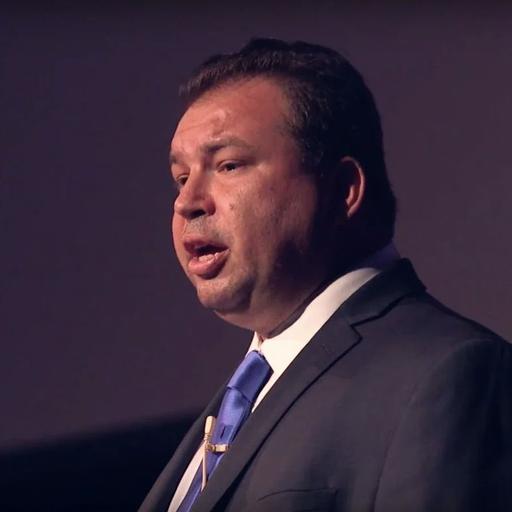
Exoneree, Attorney and Nonprofit Founder on Resilience, Mental Health and Rebuilding a Life
16 years Wrongfully imprisoned before DNA exoneration15 people Helped free through the Deskovic Foundation9 laws Helped pass to prevent wrongful convictions200+ Articles authored on justice reform
Wrongfully convicted at 17, Jeffrey Deskovic lost 16 years to prison for a crime he did not commit before DNA testing exonerated him in 2006. He then rebuilt his life: a master's degree in criminal justice, law school, admission to the New York State Bar in 2020, and a criminal defense practice.
He turned that loss into a mission. As founder of The Jeffrey Deskovic Foundation for Justice, he has helped free 15 people and supported nine legislative reforms. He is the subject of the award-winning documentary short Conviction (Amazon Prime) and the documentary 16 Years. He has given several hundred talks and written more than 200 articles.
On a podcast, Jeffrey speaks to resilience and reinvention as much as justice: surviving the unthinkable, rebuilding identity and a career after a lost decade, finding purpose in pain, and building a nonprofit that changes laws. He also explains plainly how false confessions and wrongful convictions happen, and what ordinary people can do about it.
His central message: turning pain into purpose.
Beyond justice reform, Jeffrey speaks about mental health and trauma recovery after prison, starting a career from nothing after a lost decade, and the entrepreneurial side of reinvention: founding a nonprofit, building a criminal defense practice and growing a speaking and writing career from scratch.
More from Jeff Deskovic
All episodes → Empower Global "Be an Encourager podcast"From Wrongful Conviction to Resilience, Justice, and HopeOct 2026Play episode →
 The Locked up Living Podcast: Surviving and thriving in prisons and other challenging environmentsJeffrey Deskovic (Audio); The 7-Hour Police Interrogation That Sent a Teen to Prison.Oct 2026Play episode →
 Turning A Moment Into A MovementWRONGFUL CONVICTIONS ARE NOT RARE ACCIDENTS_THEY ARE SYSTEM FAILURES WE CAN PREVENTOct 2026Play episode →
 Well, That F*cked Me Up! Surviving Life Changing Events.S6: EP32 - Jeff's Story - Wrongly Convicted At 17 Years Old!Sep 2026Play episode →
 You Are A Lawyer: Take Risks and Change Careers in LawFrom Exonerated to Attorney and Advocate feat. Jeffrey DeskovicSep 2026Play episode →
 The Infamous Ex-ChiefJeffrey Deskovic: Wrongfully Convicted at 16, Exonerated by DNA After 16 YearsAug 2026Play episode →
 You And The Law Podcast | Justice System InsightsThe Real Victim of A Wrongful ConvictionJun 2026Play episode →