
May 17, 2022
How Story-Listening Defeats Innovation Bias
In this episode
Graham Brown joins Innovation Storytellers to discuss how Japanese youth shaped mobile technology and how story listening can help brands avoid innovation bias.
- Teenagers in Japan were using pocket pagers and early mobile phones in ways that pointed toward SMS and mobile data before carriers built those features.
- Mobile companies initially dismissed youth behavior, even when it hinted at future revenue from messaging and data packages.
- Young people often reveal future trends through their social use of technology, sometimes by bending devices into new purposes.
- Podcasting works best when the audience’s problems and interests guide the message, not just the guest’s planned talking points.
Chapters
Written from the transcript. Pick a chapter to play the video from that point.
Transcript
Automatic captions of the conversation. They can contain errors and do not name who is speaking.
Great innovation stories make change possible each week on the innovation storytellers podcast i invite innovation leaders to share how they overcame the obstacles to introduce breakthrough ideas to the world through the power of story i'm featuring guests from tesla td ameritrade corning cisco bloomberg and so many more listen in to learn how you can tell a more effective innovation story and change the future for the better welcome back i'm susan lindner i'm your host of innovation storytellers and today i've invited another fellow storyteller to join
Me in this discussion around innovation and getting your point across to the audiences that really need to hear your message i'm joined today by graham brown who is the founder and ceo of pickle and co an award-winning podcast agency that is ai powered data driven and b2b focused in its clientele and is based in singapore he is a published author on the subject of the digital transformation of communication works including the human communication playbook the mobile youth voices of a connected generation and which he documents
The rise of mobile culture in the early 2000s in japan china africa and india and also brand love how to build a brand worth talking about so we're going to be talking about all of those beautiful things in addition to graham's fantastic background in telecom in the 2000s so um for any of you too young to remember the advent and the giant shift going from you know that phone that lived on your grandmother's wall with a dial or maybe some buttons if you were lucky my
House we still had dials um on our phones um but it was a massive massive shift taking place and i wanted i want to talk about that so let's get into it graham welcome to innovation storytellers hey susan it's great to be here i'm excited a good warm-up as well well thank you and you know this conversation that i like to have with other communicators never begins with where we are in this moment there is a foundation of um why this became so relevant for each
Of us i know my listeners know that you know my desire to tell a great story was all about helping women shift from prostitution to entrepreneurship in the brothels of thailand in the 90s that's where i found the power of storytelling to really transform lives but it sounds like you identified the power of story and really listening to your customer really listening to groups and audiences when you were talking about this convergence of big telecom and gen z youth like that these two things were really
Colliding in the early 2000s and you were watching it all unfold so tell us about a how you got into that because nobody majors in this topic when they're in university number one and number two what did you see when that cataclysm was happening so how did i get you're right i didn't graduate with a mobile youth degree i graduated actually in 95 i graduated with a degree in ai which was completely useless back then in 95 i mean fast forward to today next century i
Would be sort of picking out jobs in google and meta but back then i think the only options were you could go into maybe mit and teach if you knew somebody and that was it so with my ai degree they gave me one option which was teach english in japan and so i took it and you know the requirement actually was do you speak english so i thought yeah i could do that was this the jet program no i applied to the jet program and i
Applied to like private schools as well they were like a lot of private jet was sort of the government run program but the you know it was all sort of very much dependent on you know we want to have a blonde head guy in sort of north tokyo and i didn't sort of fit into that you know the box filling matrix that they had so i got a start with a private school had a large national chain got my passport to japan because japan in 95
And we talked about innovation we're still here you know you're talking sony toshiba tdk you know those 120 180 tapes all those kind of things it was still you know cds md's it was still very innovative so cut a long story short at the time i was in japan 95 to 96 to 98 the mobile phone industry was really taking off and ahead of the world and japan had the advantage because it was very consensual in its approach to innovation as opposed to you know the
More sort of western models which are more diverse the fact if you have this sort of very top-down model of innovation you can force innovation through very fast but it's very inflexible long-term so they got it they got products out fast you know ntt docomo was a world leader in mobile internet one of the first to have mobile payments in 98 they had like an app store way beyond apple in terms of their sort of innovation tech you know their capabilities but what was really interesting
In all of this is you know i was teaching kids i was teaching teenagers as well as a few sort of older businessmen and i was witness teenagers i'm talking girls 13 14 15 come to class initially bringing in these little uh what they call pocket bell pocket bells and they were like little pages like pink pages but they were like you know their dad's pages initially and they started painting them i was like curious like why are you carrying a pay why do you need
A pager 13 14. now one thing i learned is like how they were corrupting these technologies so what they were doing because the original pages you couldn't send text so you could only type numbers in the old days like 95 96. that was that was it just grand piece of technology epidemiologist working for the centers for disease control in new york there you go it was it was medical professionals who had them right right and you had a good reason because you were on call or
But you know for kids to have them it was just strange but i kind of discovered that they were they were creating these languages so for example if they said you know i want to meet you at shibuya which is a big meeting place in tokyo they would type in like the numbers shibuya and then a time so i'd see you at shibuya at 7 30. and so they created the first versions of tech speak in like 96 97 and there were lots of stories about
How young people were like positively or corrupting technologies to make them better and we've seen this obviously with mp3s file sharing social media music etc etc later on but that really inspired me when i came back to london in the late 90s looking for a start of my own business i thought the only thing i really know is what's going on over there and i've seen this opportunity so that's where i got my start was knocking on the doors literally a mobile phone company saying i've
Seen the future then they all said to me we don't do kids little did they know right it would become the biggest part of their revenue and the driver of their own innovation in the next two decades to come hmm absolutely well you go you know if you look at the advertising in the late 90s it was all aimed at road warriors men middle-aged and you know it was like carrying the big phones the big chunky things that you mentioned and you know that was the
Focus because they were the high paid individuals nobody even if you look you know text messaging which has generated over a trillion dollars of revenue for the mobile phone industry trillion dollars you know that was first included in the mobile phone protocol gsm as an afterthought nobody thought about charging for it was actually used by engineers as a test so you actually in the late 90s the first text messages you ever received were these random messages you've got on your phone and it said test ignore
I'm serious like you'd get this what's that you look at your phone and it would say test ignore but then teenagers thought what is this thing that keeps coming into my phone can i actually use it and they found they could send text messages for free because nobody thought about charging for these engineers at all and then they realized actually if engineers can send this for free i can send it to my mates for free and that's where text messaging started so what interestingly they taught
The mobile phone industry how to make money out of data amazing amazing and i remember at the beginning right you'd get the you know text message and and data fees may apply and you're like right and this is like this is when we bought data plans and we bought by the minutes that came after but you know before the podcast you and i were talking about you know focus groups that you would do with youth mobile right and getting people to really understand you know to
See it live can you share some of those experiences around where we get blind to the innovation that's sitting right in front of us because for so many of us we're we don't want to be set in our conceptual thinking about who our customer is what they need what they respond to and how to serve them not just in this moment but moving forward but it starts off with our own bias as innovators right we might be stuck on a particular hypothesis like you said you
Know the road warrior hypothesis um for far too long before we begin to dive into a new target market you're right the bias is key and even before people started talking about bias as a thing in the corporate world it was very strong and there were some great examples of some wonderful stories of taking young people into corporates and it was like meet the kids you know it was like bringing the irony was susan like they had kids every breakfast table every morning they would sit
There and their 13 year old daughter would be texting on the phone they saw it and yet you know when they got their corporate clothes on their whole mindset changed when they were in corporate mode they behaved very differently and in one instance you know i remember with a music comp a record label so in you imagine 2000s record labels were still relevant back then and um you know they brought young people in to do these folk focus groups in the days when you know you
Stuff them with pizza and ask them questions and then somebody will kind of like surreptitiously write this down in the corner and it very sort of i mean you know as an anthropologist i'm sure you could see all the kind of like red flags and alarm bells going with you know this as a method for understanding how people get data and understand innovation how you know biased and how unrealistic it is that they would bring young people in to ask them about music because at the
Time if you think about it in the early 2000s music revenues were on the way down you know they hadn't yet monetized ringtones that hadn't really happened yet remember buying ringtones right that had and they were losing a lot of money to napster and the mp3 file sharing and obviously we hadn't yet seen itunes take off so we were kind of in this gap period where they were lacking innovation and whole you know trying to very defensively hold on to their position or how can we
Squeeze a bit more money out of cds and i remember like after asking these teenagers about their habits and you know technology they were using these they said now thanks for your time and on the way out grab some gifts on the table and this sort of these teenagers kind of shuffled out the room and they were sort of glanced at this table where these stacks of all these kind of cds were lying there and they just kind of looked and went in there and walked
Out and the biggest learning point for the execs and you know there was a group of they must have been 30s or 40 years old was that those last 30 seconds where actually they didn't value even their products for free you couldn't even give this stuff away they you know didn't want a cd didn't want it in their house didn't know what to do with it so it's you know you talk about bias it's there right in front of their faces so the real work is
To happen there isn't it how do you take people out of that situation so they can be exposed and a bit vulnerable yeah and to find a way to put those biases at bay and i think you know when we work in innovation there's someone who needs to be going don't miss that right that wasn't a small thing you know and sometimes these things are around us all the time i think it's why we also need just some downtime some quiet space so we can stop
And observe what's happening around us and you know one of the things that you mentioned earlier is you know the corrupting of the technology right that they were taking these that they were taking these um pagers effectively and painting them and making them their own right which is such a japanese cultural thing and also such a teenage girl thing and um you know which gave rise to like the sidekick you know that we need you or even you know the the um the ipod with that
Click wheel that design actually matters to us and we care about what things look like and feel like and how it they relate to us personally and never underestimate the desire of a teenage girl to keep or spread a secret right the fact that you could you know say i'm gonna meet up at this particular place in tokyo but use code is the greatest thing since passing notes in code right it's it's it's addictive and wonderful and fantastic so these are all things that can also
Help to make our technologies and our innovation stickier when we get inside the hearts not just the minds of the folks that we're talking to yeah what we tend to do and this is why you need that person like you say to kind of prompt you and poke you is that we get defensive we look at that corruptive behavior and we immediately see it as a threat even though those teenage girls all they're trying to do is find a better way of using this and you
Look at the history of a lot of technology of how it's the hackers you know these people that existed on the fringe who took a product and made it better because they found out a different way of using it and the owner of that product becomes defensive and they can even get legal about this and threaten action to stop people doing these things i mean file sharing classic example if we didn't have file sharing we wouldn't have spotify we wouldn't have the app stores that we
Do now but that started off with people effectively illegally sharing copyrighted material right because the reason why they were doing it and the reason why teens were sharing is because that whole era of growing up with vinyl you remember those wonderful 12-inch artworks gatefolds that you used to get and you'd go around your friend's house and you'd rifle through their record collection and you'd pick up a record pull it out of the box and talk about it and look at it it's art and all the
Design on it and you'd read the stories and it became this social tool for people to interact and when that went into cds that all got lost right and that's the point these these products are social tools for young people so if they lose that social currency that they used to have they look for other stuff and we've seen for example i mean there are very positive benefits coming out of this that if you correlate cigarette consumption and cell phone usage by teenagers throughout the late
90s into the early 2000s and even up to 2010 it's almost like an inverse correlation because what happened was is that you know i just think you remember this before i went to japan 1995 i remember sitting in a bar and i was a young graduate at the time and everybody put their cigarette packets out on the table you know and each one was like a different brand a different statement about themselves you know there was a marlborough and camel and stuff like that they said
Things about you and when i came back from japan and then had the same situation 98 99 they weren't cigarette packets they were mobile phones and so you don't need to be a cigarette manufacturer but any manufacturer looking at that thinking oh well my competition is the other guy in my sector but actually it's not it's the other people who are innovating in such a way that they're eating up that psychological emotional benefit that your product used to give your customers and that's really important because
People don't see it in that way they only see it in terms of the nuts and bolts and the widgets that they produce or the problem to be solved right but it's also solving an oral fixation it's solving a status issue it's a communications uh opportunity and sooner or later it was going to be mobile payments too and our whole social lives would live in that little device yeah you're right about the status and the communication if you're a smoker back in those days you used
To go outside and outside the office have a cigarette with somebody else and the break time it was a social thing right yes relationships were started in the smoking cycle kidding so yeah right right and it also um and maybe it also made us a little bit more insular you know in terms of uh what that did to us less lung cancer though so that's a plus yeah absolutely well it's amazing all the years and years that are even banging on to young people about not
Smoking and then the mobile phone came over and solved the problem right yeah well that uh until the vape came but then um but then you could also um you know the other part of that is kids were saying they got so many messages from don't text and drive at this point they had become so addicted to texting they're like yeah thanks i don't want to buy a car either so i remember going to an innovation lecture where the teen cell phone use was the greatest
Indicator of whether or not a young person was going to get their license on time and buy a car within the next year and it turned out people were delaying even getting their licenses or even the desire to learn to drive because they got the message so clearly you can't text and drive thank you i'll keep texting well how about that there's a great example isn't it of like one industry being impacted by another which are completely unrelated and then if you even look you know
If you go back a few generations with cars you know if you think about movies like american graffiti that you know they really are the symbolization of the right of passage aren't they for if you're a teenager you get a car you know if you're a teenage boy you can have girls in the car you can drive around town with your buddies yeah yeah that's what it's all about and it's like your first taste of living outside and communicating outside of your parental control right because
You can go and do things you can hang out in places right and yet this small device came along that could do many of the things that a car could do sure it couldn't take you from a to b but it could get you to communicate with people outside of your physical locus your domain right and it could give you status if you had a phone you were like the kid now at school who had the car right you had this status symbol that other people
Didn't have so in that sense it played on many of the psychological drivers that cars had i mean you ask any auto manufacturer who say how does this compete with mobile phones it doesn't but they're both competing for the same wallet that's the point when it comes to innovation is that that wallet is fixed it's a pie if you're gonna have a big slice i'm gonna have less right and that's how it works right especially with young people who have a fixed pie what we all
Do really but it's more obvious there because there's less competition in different factors well and less opportunity for credit card debt so but you know shifting that viewpoint on you know a being a great listener be understanding the stories that our customers are telling us and our willingness to receive them but also you know thinking about how we're commit communicating our stories of innovation to others and um you know this feels very meta is two podcasters talking to each other about about storytelling and about innovation
Through a podcast what do innovators not know about podcasting that you think would be helpful for them to understand in terms of getting their message across hmm it's interesting but a lot of people go into podcasting thinking this is the message that i want to get across and this is what i want to talk about but actually really what's important is what does your audience want to hear what's their problem what's their frustration their pain points you know what's broken in their life and you know
There is absolutely a message that you need to convey which is obviously the solution to that but what tends to happen is that a lot of people start out putting their stall out saying this is what i know and yet people who don't care what you know unless they know that you care that's wait can you say that again can you say that again so we really get that people don't care what you know unless they know that you care and there's a real sense that
What makes a great podcaster is the ability to speak to the pain the frustration of the listener you know i really understand you i've been there you know i'm like yourself like the people you've had on your podcast that what they're really good at is you understand that that audience that avatar and who exactly they are what their frustrations and why they're banging their head against the wall and what's the big change that's really you know keeping them up at night the challenge is is that
We switch expert mode on when we go on to a podcast and really what we should be doing is saying you know okay just turn that off a little bit and let's talk about the problem what is the problem and i understand it and like i'm walking in their shoes and i empathize with them right so to answer a question i would say that it's really you know you've said it yourself about listening it's really about starting with the problem that's what a lot of people
Kind of miss the opportunity on when they go on a podcast it's like stay there you spend all your time talking about the problem and you've got your audience already and yeah i think we're kind of going to pitch mode a little bit don't we maybe it's training maybe it's corporate expectation get the powerpoint out do the bullet points but the reality is that doesn't really engage people does it i'm sure you sat through a lot of presentations yourself where you had death by powerpoint on
The other end so i think we've got to kind of switch out of that a little bit and that takes a bit of rework doesn't it so this this medium of communicating around innovation through a podcast what makes this what makes this medium powerful and why do you think stories transmit so well here hmm yeah i love the fact we're getting into a storyteller and i know you i mean you're a good storyteller yourself susan even when we first chatted off air we exchanged our personal
Stories and how important that is to connect with each other because you really get a place of person and you know even though that may not be an experience that you understand you really understand their backstory a little bit like all good movies you kind of understand through the backstory of the hero we care about that person so the point about podcasting is firstly it's long form you know i'm not this isn't a tic toc video is it where we've got 30 seconds to do a
Silly dance and then you know how many likes do we get it's long form so we have the bandwidth to go deep into the subject area and if you think about stories themselves like what do stories do if you look at sort of your brain on stories this is what we don't really appreciate i suppose we know the power of story you know we all know the power of gather round when we were kids you know how that kind of engages and how stories took us
On magic carpet rides and on journeys and we we know the wonder the magic of stories and yet we don't really necessarily draw a line between that and the world of business and the missing part here is that what if you look at how our brain functions that the human brain has a weakness and that is that it cannot distinguish between past and present and future the human brain it doesn't understand doesn't have a concept of past or future it only understands experience so even when
You sort of visualize something in the future you are actually in a way experiencing it just in the same you would see a dream or if you like remember or you listen to a song and it makes you cry because you remember you know that time when you you and whoever you know the story so we we experience it we don't understand that that's past it's it's all the same and so because of that when it comes to business and particularly innovation the challenge with innovation
Is that what you're doing as an innovator whether you're a startup founder or a team leader or a ceo or steve jobs on stage is you're pitching somebody an idea which is an unknown future and the one thing that human beings dislike more than anything is the unknown future because you know you look at all movies the bad guy is always this sort of formless unknown entity that's like the worst you know dark lord dr evil or whatever we really you know darth vader you know
Sauron whatever it is you know thousands and thousands of years we've been telling stories about the the unknown futures and how we're fearful of them but what a story does is it connects an unknown future with a known experience that's the power of a story because what it does even if you look at the most basic form of a story which is an analogy which is what i call short form storytelling which is where you say it's like the a of b it's like the uber
Of pet care i just made that up but if i said it's the uber of pet care that's my my startup's the uber of pet care you're like i can kind of understand it what it's about i understand the mobile grooming truck that comes to your house that that on demand and there might be a taco in there we don't know but it's a passion a delivery at the same time that's pretty cool well you get you already get the idea right we have a mental
Picture that starts churning right when we use that that that analogy is extremely powerful and that's how all stories work because they you know if you look at the archetypes you read things like joseph campbell's hero with a thousand faces you know the hero is pretty much the same whether it's gilgamesh or jesus christ or luke skywalker is the same movie same plotline same story like regurgitated thousands and thousands of times the point being is actually the reason why we like that and the reason why
The next movie you'll go to see on netflix or at the theater will have the same plot line it's because we enjoy it when somebody takes the unknown away from us and connects it with a familiar you know oh that ending is how i would expect it we like that known hollywood ending people enjoy it that's why you don't have weird endings in blockbuster movies it's because they become unfamiliar and the point of what a story does is it allows people to put that unknown into
A box so probably the greatest example of this is we take something like steve jobs when he stood on stage and sold the ipod you know he didn't stand up and say this was the world's best mp3 player which interestingly microsoft was doing with the zoom he stood up and said this is a tool for the heart if you think about it we understand that we understand heart we understand music we understand love connection relationships feelings and this is what it's about and it's a tool
To help us connect with all of those phoenix and that yeah i get it and that's a great example of analogy it was a story and stories don't have to be you know epic epics that's the word bingo they don't have to be like these trilogies they can be a one-liner it can be even one word yeah but a great story like that is like good danish furniture you know it is handcrafted and hewn where you can't see the joints all you see is the beautiful
Grain and simplicity of the wood and that takes for frickin ever right it's not it's like we wish like oh yeah it's a one-line story or it's a beautiful tagline like that right a thousand songs in your pocket or it connects at the heart like that takes effort to hone away all the dross and the crap and get to the good stuff otherwise we get stuck with such and such as a b2b platform specifically for the optimization and utilization of blah blah blah blah right i
Mean you just like well the corporate side can you put b2b in that tagline like can you add that can you just just put that in there can you get our company name thank you you're absolutely right it's the whittling of the arrow isn't it right it's the it's the um craftsmanship that allows you to keep honing down until you get to essence and that's not easy and the other thing about great that great design you know that feels like such an intangible and yet takes
Such incredible work and thoughtfulness um is is the emotion it's intending to convey and so we often talk about storytelling i often talk about story telling not just as a pen and paper exercise but a neurochemical one and so getting really clear about what are the emotions we want to have unleashed on our listener and then being a really thoughtful guide through those emotions so that includes you know an understanding of how cortisol and adrenaline work in the body when the movie starts with um you
Know a car crash you know and the desire to make the heart beat faster you know and then you know or i often use the example of bambi's mother getting killed within the first five minutes of a nice children's walt disney i cried when that happened we all cried right and that um individual that man made a decision to say i want to break the hearts of children around the world when i start this i want to make them feel they're vote vulnerable i want to
Invoke a child's greatest fear i want to put it on a platter and serve it to them and then i'm going to guide them through that forest with their happy little friends thumper and the rest and i'm going to take them to the journey that now makes it okay but these are decisions that we make in storytelling and story design that says what is the arc of the emotion that i take my listener through and where do i want to get them to by the end
And so it becomes really clear that if we don't have a handle not only on the words that we're expressing the time that we're using but also when the story is over what do i want people to do what do i want them to feel what do i want them to remember and you know to to as a consummate storyteller is to keep those three keys in mind otherwise the words just leave us but when we attach those neurotransmitters we exude a feeling in the body
My palm sweat my heart races now the story is my own because it lives in my body not just my memory and so it becomes a really powerful concoction of neurochemicals right and bodily responses that say i will never forget that story and it's your you know your examination of our brain doesn't know the difference between past and future and you can still go i cried from the time that you were a little kid and so i just i think it's i think this is part
Of the reason why i love storytelling is that it involves every part of us every part of us and it's such a primal a primal means of communication that it can't not work and we just keep looking for new mediums like this one like in podcasting where we get the chance to do that again we get the chance to connect to the primal parts of us that just want to hear a story that just that gather round like you said yeah you're so right about the
Emotional aspect of it it's primal isn't it it speaks it's almost like a the main line to our soul which cuts through thousands of years of layers right well it still speaks to us i mean you the stories i mean even if you go way back you go right back i mean those cave paintings in las go which were dated at 26 000 bc potentially and you know you've got pictures of buffalo stampedes this is in the south west of france right and so bear in
Mind this is nearly 30 000 years old like pre-history pre-agricultural revolution and they were these tribes painting these pictures on these walls and there's such a beautiful asp there's such a beautiful part of it in that lascaux painting where a child of potentially five years old because of the bone structure of her hand had basically dipped her hand in the paint which was whatever some sort of ochre and like ash mixed together and stuck her hand on the wall and there's this handprint which is nearly
30 000 years old in the war and like if you were to give a paint pot to a kid today in any nursery around the world regardless of what cultural language they would do the same thing exactly i find it that 30 000 years that's that primal aspect of saying hey this is me folks i'm here that kid is saying that this is an expression of me this is about me i'm part of this as well and that's timeless right and that is that drive to
Tell a story and be heard connect yeah absolutely i mean that you know you think about you talk about podcasts now and are we seeking out new mediums how that sort of changed over the last few years with the pandemic how a lot of people took to podcasting during that time really because you know the total addressable market for loneliness is seven billion people right that's sort of something we've never solved we're always seeking out and in many ways it's like it's oxygen for us right
I mean it's not just we talk about kids being addicted to technology but we're all addicted to what technology does for us which is help us connect that's right you know if you take away you know if you even look at what they do to people when they put them in solitary confinement which is like for the worst offenders in society you know you lock them up incarcerate them and then you put them in solitary because they're too bad for prison or jail is that the
Actual cognitive function of their brain declines dramatically because without human contact we we lose it literally that's right gosh graham this has been like such an enlivening conversation um everything from japanese trendsetting youth all the way up to the real heartfelt work of great innovation storytelling so thank you so much for joining me on the podcast today how can people get in contact with you and who should be getting in contact with you grant yeah so firstly where you can find me go to my website
Which is grahamdbrown.com d is the important part because otherwise you get the wallpaper company different experience different type of innovation different type of storytelling and then there's the other guy that the country and western singer we're talking about t graham brown that's not me so it's graham d brown um if you're interested in podcasting if you're interested in you know how you can tell better stories to communicate as a brand and how you can talk about your work in more engaging ways whether it's data storytelling
Or you know talking about your brand in a more human way then have a look at some of the work there it links out to the work that i'm involved in and if you're interested happy to have a chat fantastic graeme brown thank you so much for joining us on the innovation storytellers today it's just a pleasure having you thank you susan now you might be asking susan why innovation storytelling well the truth is that an innovation story told well not only breaks down communication barriers
So you can drive change and new growth but it also helps other people remember and champion your work and it propels your best ideas forward faster to secure you the runway resources and recognition you so richly deserve in other words stories are memory making devices that significantly reduce the time it takes for you and your innovation to be understood but like many leaders you probably never got the memo that storytelling skills would be central to your success well i've got some good news for you it's
Not too late because i've got you covered whether you need an expert to come and speak to your innovation leaders you need training in the art and method of innovation storytelling or you just need the support and guidance of a consultant who can get you where you want to go in less time visit www.susanlinder.com today to learn more and to set up a call to discuss your needs i'm so looking forward to connecting with you and to helping you tell a great innovation story if you
Like what you heard so far don't forget to subscribe so you never miss another episode and leave us a comment tell us what you think of this episode we'd love to hear from you and if you didn't like what you've heard just forget everything i've said
About Graham Brown
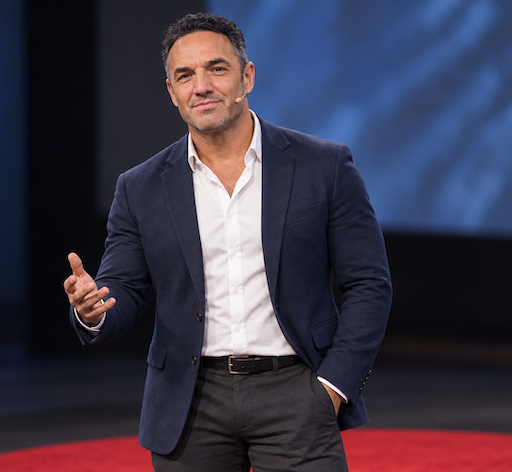
Author and Podcast Guesting Specialist for Corporate Leaders
2001 Founded mobileYouth16 books Published author250+ clients Served across 60 countriesUniversity of Sussex AI & Cognitive Psychology graduate
Graham Brown is an author and founder of Podcast Guesting Pro who helps corporate leaders, founders, and storytellers get booked on aligned podcasts and build thought leadership.
He began his career studying youth mobile behaviour and founded mobileYouth in 2001 to understand youth marketing and mobile culture; that early work serving clients such as Nokia, Vodafone, MTV, and Disney shaped his focus on audience insight.
Over time he moved from youth research into audio after seeing business leaders struggle to communicate authentically at scale, which led him to found a full-service corporate podcast agency and develop programs to train hosts and producers.
His route into podcasting combines formal study in Artificial Intelligence and Cognitive Psychology at the University of Sussex and Entrepreneurship training at Harvard Business School Online with decades of client-facing agency work.
He helps corporate leaders, startup founders, and storytellers find their voice. He leads Pikkal & Co, an award-winning corporate podcast agency, and runs Podcast Guesting Pro.
He previously hosted Asia Tech Podcast and previously grew mobileYouth to over 250 clients in 60 countries; his agencies operate from Singapore with partner studios across Australia, Austria, Canada, Croatia, Ireland, Sweden, the UAE, the UK, and the USA.
More from Graham Brown
All episodes → Office Hours with David MeltzerJosh Chodniewicz, Gary Coxe, Graham Brown | Office Hours #621Jun 2024Play episode →
 The High-Performance CEO ShowEpisode #76: The Future of Leadership: AI Innovation, Storytelling Mastery, and Human Connection with Graham BrownMar 2024Play episode →
 The Leadership Communication Show with Michael PipernoThought Leadership with Graham BrownJun 2023Play episode →The Leadership Communication Show with Michael PipernoThought Leadership with Graham BrownJun 2023Play episode →
 Rise | Evolve Leadershipevolve | eps 50 | Graham Brown, CEO | Pikkal & Co.Feb 2023Play episode →
 Limit Break StoriesGraham Brown | The Power of Storytelling for Building a Strong BrandJan 2023Play episode →
 Coffee With CoachesGraham Brown - How the Science of Stand-up Helps Jumpstart Your Story | Conversations with Coaches | Boxer MediaJan 2023Play episode →
 Speak With PowerTransform into a Magnetic Storyteller with Graham BrownDec 2022Play episode →
 Coaching CallGraham Brown - The Digital Transformation of Communication & building your brandDec 2022Play episode →