EP-44 Csaba Toth, AI Is Changing Work. Are People Ready?
Csaba Toth · October 7, 2026
About Csaba Toth
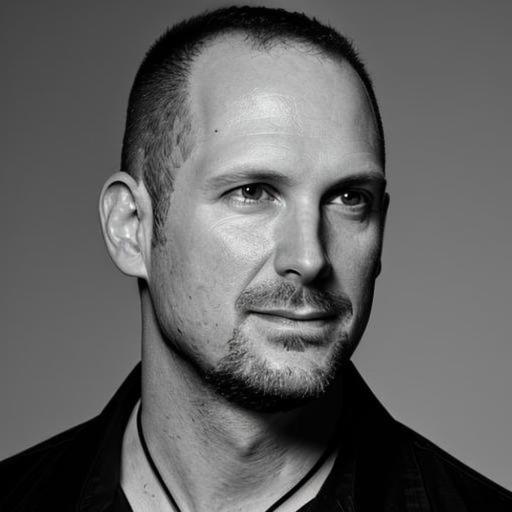
Expert in the Human Side of Digital Transformation, Founder of ICQ Global & Creator of ICF-Accredited Leadership Frameworks
900+ Teams supported by his frameworks250+ Certified partners worldwide51 Countries reached1 book Author of Uncommon Sense in Unusual Times
Csaba Toth’s work began with a failure that changed how he understood leadership. He lost his first business after assuming that speaking the same language, having strong qualifications, good intentions, and what seemed like common sense would be enough to lead people well. It was not.
That experience pushed him to examine why intelligent, capable people can still misunderstand one another, why some teams thrive while others quietly unravel, and why so many transformation efforts fail despite significant investment. Having grown up between cultures and worked across very different organisations, Csaba saw how personality, cultural background, bias, motivation, and psychological safety shape the way people make decisions and work together.
He founded ICQ Global after noticing a persistent pattern: organisations were investing in training without data, coaching without diagnosis, and culture change without meaningful measurement. The result was often short-term enthusiasm with little lasting change.
Csaba went on to create the multi-award-winning, ICF-accredited Global DISC™, Growth Zone™, and GameChangers frameworks. Together, they help organisations measure nine key biomarkers of high-performing teams, including personality, cognitive diversity, psychological safety, motivation, and the behavioural patterns that can quietly derail performance.
About this episode
What happens when organizations prepare for technological change—but fail to prepare the people who have to make that change happen?
Csaba Tothworks at the intersection of cultural intelligence, psychology, leadership and organizational transformation. Originally from Hungary and now based in the UK, his work focuses on understanding the human factors that determine whether people and organizations are actually ready for change.
In this conversation, Csaba argues that one of the biggest problems in transformation is not a lack of technology or even a lack of investment. It is a measurement gap: organizations often measure what is easy to see—engagement, participation or how much people enjoyed a programme—rather than whether people are actually ready to change.
This becomes particularly important as AI changes the workplace. Csaba argues that companies don't transform on their own. People transform. And if the people responsible for implementing a new technology are working in silos, lack motivation, don't understand the future they are being asked to move toward, or fear what the transformation means for them, even a technically excellent project can fail.
We also explore why culture is more complicated than national stereotypes, how remote and hybrid work can reveal aspects of people's personalities that were previously hidden by workplace norms, and why understanding an individual's values and beliefs can be more useful than simply knowing where they come from.
A recurring theme throughout the conversation is agency. As the traditional promise of a stable career becomes less certain, people may need to become more proactive about their own learning, relationships, adaptability and future—not because they should simply accept uncertainty, but because they cannot control everything that happens around them.
For leaders, Csaba's practical advice is straightforward: understand whether your people are ready, communicate the future clearly, and understand what the transformation means for them.
In this episode
00:00 - Why self-awareness matters in an unpredictable future04:57 - The values and beliefs that quietly drive our decisions08:15 - What the pandemic revealed about people and organizations10:41 - The measurement gap in organizational transformation13:35 - Why national culture is not enough to understand people16:48 - Cultural stereotypes and the danger of confident assumptions17:42 - Why companies often wait until transformation hurts19:18 - What psychology can teach us about preparing for the future21:35 - How to measure transformation readiness24:20 - What's in it for employees during transformation?27:04 - The illusion of career security and the rise of agency30:17 - Cognitive dissonance and why people resist reality33:09 - Can we preserve the past while still evolving?36:04 - Why leaders need to look beyond visible symptoms39:33 - What leaders should do before a major transformation
The Future Was Yesterday explores how technological change is reshaping work — how work is organized, how organizations and society are affected, and how people can adapt.
If you found this conversation useful, follow the podcast and share it with someone who is thinking about how AI and technological change are affecting their work or industry.
You can find me on LinkedIn or write to theprojectsaule@gmail.com.
Here you can find more about SAULE.
Thanks for listening. We learn from each other.
See you soon.
Keywords: AI transformation, future of work, AI and leadership, organizational transformation, transformation readiness, cultural intelligence, workplace culture, AI adoption, change management, business psychology, leadership, employee engagement, human side of AI, organizational change, future of work insights
Guest: Csaba Toth


Book Csaba Toth for your show
3+ podcast & stage appearances. Remote or in studio, broadcast-grade audio.