Counterpunch, reality therapy, and giving young people real tools for life with Mercedas Taaffe-Cooper
Mercedas Taaffe-Cooper · October 16, 2026
Interview with Mercedas Taaffe-Cooper
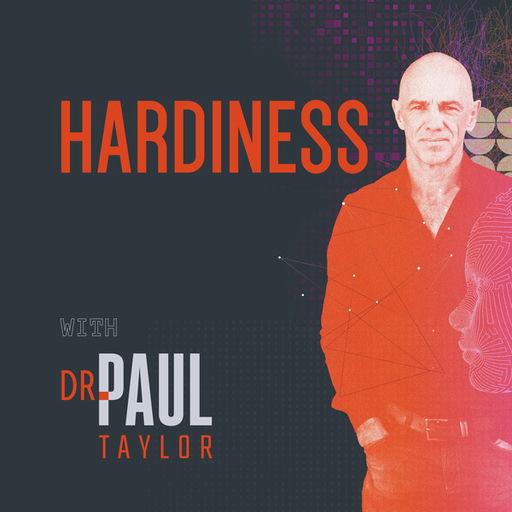
Podcast: Hardiness with Dr Paul Taylor
October 16, 2026 · 49 min
The biggest mistake in youth mental health? Treating kids like they’re broken instead of teaching them how to move, act, and build resilience. Mercedes Taaffe Cooper reveals why early intervention and education, not endless labels and talk therapy, are changing the game…
Listen
About Mercedas Taaffe-Cooper
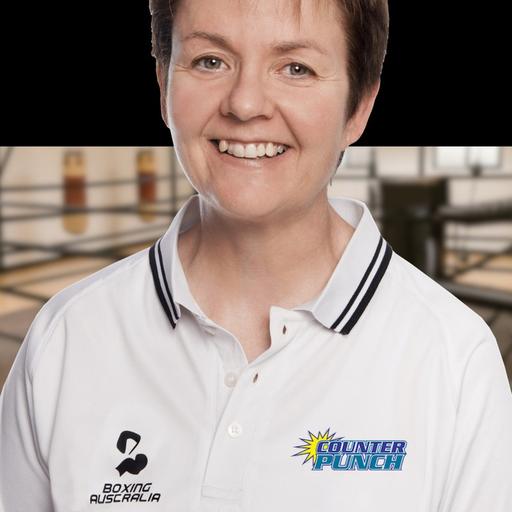
Registered Psychologist, Founder and Boxing-Based Adolescent Resilience Coach
40+ years Working with young people25 Martial arts & boxing titles1,000+ Young people coached since 1987Since 2010 Registered psychologist
Mercedas Taaffe-Cooper is a registered psychologist, founder and boxing-based adolescent resilience coach who delivers physical activity-based resilience training for adolescents and trains facilitators to scale the program.
She moved from competitive kick-boxing and martial arts into coaching after a decade representing Ireland in kick-boxing and winning European and World titles; the gap she noticed was that young people needed practical, embodied skills for emotional regulation and connection rather than only talk-based interventions. That observation led her to develop a program that pairs combat-sport training with psychological skills teaching.
She brings over 35 years of presenting and coaching experience and formal academic credentials that include a BSc in Psychology, a first-class honours degree in Sports and Exercise Science, and a Master’s in Clinical Psychology from the University of Tasmania; she became a registered psychologist in 2010. CounterPunch was piloted as part of her Master’s thesis, was validated by the Menzies Research Institute during its Northern Territory trial, and since founding CounterPunch Pty Ltd in Mt Barker, South Australia, she has run recurring teen groups and built a facilitator training pathway.
Day-to-day she combines sports and exercise science with clinical psychology to run CounterPunch teen groups, deliver CounterPunch Facilitator training via an evolving online learning management system, tender and partner with local sports institutes, and provide supervision and course materials for facilitators.
About this episode
The biggest mistake in youth mental health? Treating kids like they’re broken instead of teaching them how to move, act, and build resilience. Mercedes Taaffe Cooper reveals why early intervention and education, not endless labels and talk therapy, are changing the game for young people. Paul and Mercedes unpack the deeper problem with the medical model, how normal adolescent struggles get turned into diagnoses, and why that can create more harm than help. Mercedes shares the personal journey that took her from elite boxing and coaching the Irish team to clinical psychology, reality therapy, and ultimately building Counterpunch, a program designed to help kids learn through action, not just conversation.
You’ll discover:
Why reality therapy and choice theory focus on doing rather than overthinking How the "front two wheels" car analogy helps kids understand thinking, feeling, and behaviour Why combat sports can be powerful tools for confidence, regulation, and self-awareness How a 24-week, three-phase program moves kids from connection to leadership Why peer mentoring is often more powerful than adult advice for adolescents Mercedes also explains how Counterpunch works in boxing gyms and youth-facing settings, why it’s especially effective for kids who feel isolated, and how the program is now scaling online so more facilitators can deliver it. From goal-setting and embodied learning to social connection and self-efficacy, this episode makes a compelling case for giving young people practical tools before problems become crises. Essential listening for parents, coaches, teachers, and anyone working with young people who wants to create real change, not just another conversation. If you care about building confidence, resilience, and lifelong skills, this one is for you.
Timestamps(02:11) Mercedas Taaffe Cooper’s background in boxing, coaching, psychology, and moving to Australia(03:59) Discovering reality therapy and choice theory through research and training(05:48) Building Counterpunch from pilot program to scalable youth model(07:56) Reality therapy explained - focusing on action instead of just thinking(10:19) Why action is the real engine of change for young people(13:43) Why Mercedas rejected the medical model and built a strengths-based program(15:05) The harm of overusing labels and diagnoses with kids(18:05) The original research, the boxing component, and the first curriculum ideas(20:21) Moving from government pilot to a private program in South Australia(21:19) Taking the training online and building a replicable system(23:03) What a Counterpunch session looks like from induction to a 24-week structure(24:21) VSMART goals and linking values to physical progress(26:16) The three phases - body awareness, relationships, and leadership(27:13) Why martial arts and team sport build resilience and confidence(32:38) Why group connection and peer mentoring matter so much(34:15) Why combat sports work for youth communication and trust-building(36:31) Battle in the Hills and using boxing as a progression pathway(39:03) How embodied learning and physical challenge reinforce psychological tools(42:11) Why boxing is used as a medium, not the end goal(43:29) Why combat sports are different from professional violence(45:49) Respect, manners, and life skills learned through martial arts(47:15) Who the program is for and how youth-facing professionals can use it(49:08) How to get involved and the four Ps for potential facilitators(50:12) Final reflections on skills, not labels, for young people
Quote “The biggest difference between reality therapy and cognitive behavioural therapy is that it very much focuses on the doing rather than the thinking.”
Resources
Website: https://counterpunch.com.au/
LinkedIn: https://www.linkedin.com/in/mercedas-taaffe-cooper-3b3623117/
Instagram: https://www.instagram.com/counterpunch_life
Facebook: https://www.facebook.com/counterpunchAU/
YouTube: https://www.youtube.com/@counterpunchlife
Support the Podcast
If you found this conversation valuable, consider subscribing and leaving a review on your preferred podcast platform. Your feedback helps us continue to bring you insightful discussions on important health topics.
See omnystudio.com/listener for privacy information.
Guest: Mercedas Taaffe-Cooper


Book Mercedas Taaffe-Cooper for your show
3+ podcast & stage appearances. Remote or in studio, broadcast-grade audio.