
November 18, 2026
Can Letting Go of "Doing" and Embracing "Being" Finally Heal Your Burnout?
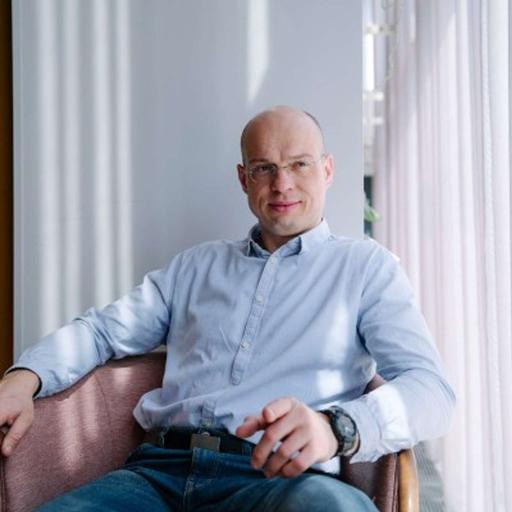
When we've done everything and we know that nothing's worked, that's when we can actually choose differently.
In this episode
Tamara Kowalska talks about burnout, chronic illness, and how shifting from relentless doing to being can change how life feels and works.
- An unnamed nervous system condition and extreme burnout forced a loss of normal activity and created months of stillness and discomfort.
- Life can feel worse when every strategy has been tried and nothing has worked, because that can open the door to choosing differently.
- Attention matters: asking what is being focused on, and what is being ignored, can interrupt compulsive narrowing and expand awareness.
- Much of life already happens without control, from heartbeat and breathing to the sun, seasons, and digestion.
- A year of doing about 10 percent of the previous pace coincided with improved living conditions and a new way of operating in the world.
Chapters
Written from the transcript. Pick a chapter to play the episode from that point.
Transcript
Automatic captions of the conversation. They can contain errors and do not name who is speaking.
SPEAKER_00: Welcome to my podcast where we speak about burnout and midlife crisis. I'm proud to present my guest tonight, Tamara Kowalska. Tamara, welcome to the show. Please tell us more about yourself. What is your story? SPEAKER_01: Ah, thank you. Hello. My story is that I have spent a lifetime so far wandering through my life. And I'm very happy to be able to say I have. It's led me in wonderful places. And it actually led me to being able to create a method by which to approach life because let's face it, life can be very difficult.
And I think even more importantly, life can be very uncomfortable. Um, and I work as an existential guide, which is kind of like a coach, kind of like a counselor, but more of a guide. And um, I help people who have sort of reached the end of their rope. That's typically who comes to me, people who have, and I say this in my book, I've just written a book. You've done everything and still nothing's worked, you know? And people come to me and they think that that's a really horrible place to be. And what I'm able to show them is that that's the best place that you want to be.
Because when we've done everything and we know that nothing's worked, that's when we can actually choose differently, meaning we stop doing or we stop doing so much. Or we notice how much we're doing and how uncomfortable it makes us. Um, so that's that's what I do. I work with individuals, couples, groups. Um, and I I recently wrote a book. Um, and the impetus for that was that over the last 15 months, I've actually gained um some real evidence that that this method that I propose can be a kind of an anchor in difficult times.
And I I got that evidence because I became very unwell myself with a nervous system condition that has no name, uh no diagnosis, no treatment. And um, you know, lots of people, including my neurologist and counselor, and I've worked with horses, you know, acupuncture, light therapy, I've done everything. Um, and there's lots of different opinions, but the fact of the matter is I think it comes down to a kind of burnout, you know, just what you talk about on your show. Um, but like an extreme burnout. Uh, 15 months ago, I had um just a regular cold flu virus, and and it came with a tremor in my body, and it was a really uncomfortable tremor, like if you drank, you know, way too much coffee, and you just have that shakiness inside, and you could never see my hands shake, my body didn't shake, but inside my body, throughout my body, was a tremor 24-7 that lasted months, and they didn't know what is it.
Is it MS? Is it some? So I went through all the tests, uh, you know, no no relief for a very, very long time. And um, and you know, what I came to understand is that when people live with chronic illness, the the the most invisible but most uncomfortable moments can be at night. There's nothing to distract you, there's no one else around, it's nighttime, and the mind goes and and you know, creates all these catastrophic stories, and there's fear, and everything is so present, you know, in that darkness, in that stillness.
And I was left with many, many nights in that darkness, in that stillness, in that actual terror at times. And um, there was nobody outside of me who could offer any relief. Um, and so I decided because I've already, I had already been, you know, working with my clients with my method. I hadn't called it a method yet, but I'd already been using it. And I was like, I remember one night I was like, well, maybe I should apply to myself, you know, what I'm telling my clients to do or what I'm suggesting to my clients or um engaging my clients with.
And when I did, some like truly miraculous uh experiences happened for me that were different than what I wanted. What I wanted was to be rid of this illness and to be okay. I didn't get that because I'm still struggling with it a little bit, but I got something that I never could have imagined, that something I couldn't even have created as a goal because it was so outside of the realm of my imagination. And and and you know, experiences that I value so much that are so important to me and that have actually changed how I operate in the world.
So yeah. SPEAKER_00: Uh I I read your book and it's amazing. Uh as we talked in uh before the show, uh, it's one of those books that you have to to to read because are um are like a fundamental work and it's uh important. Um first I would like to address the elephant in the room. Um, how did you get the name for your method? Because uh I don't see Howard two possibilities. Please correct me if I'm wrong, uh, if I I may go on a uh limp here. Um first one is uh uh the some mushroom that uh uh could be uh so has the same name as your method.
SPEAKER_01: Really? SPEAKER_00: Yes, and I didn't SPEAKER_01: know that. I'm so excited. SPEAKER_00: Magic mushroom. So so yeah, it gets you it it gets you into hallucination state. So it's uh SPEAKER_01: yeah. SPEAKER_00: Uh so uh what is the story behind the name of the method if uh um SPEAKER_01: well before you just spoke, I had one story, but I'm gonna now I'm gonna change my story. I think that there was a special mushroom that uh decided I needed to write this book and create a method, and somehow, you know, through its mycelial network, uh found all the people to put in place for me to do this.
So that's that's my newest version of the story. SPEAKER_00: But SPEAKER_01: my old version of the story is simply that um in the summer, uh as I started to improve, my condition started to improve. And um I uh one day I was just thinking, you know, what what do I need to do at this point in my life right now? And it came to me that I I have to extend beyond the boundaries of where I'm already existing. And you know, in this day and age, that happens through through the internet, right? Through these, um, and so I thought, okay, how do I do that?
So I actually went on Chat GPT, I was like, what do I need? And figured out I needed a marketing agency, and I found one. And then within a couple of weeks, I was working with an amazing team at um agency Atlas in Calgary, and they listened to me and they listened to my story. And what the the the lovely gentleman did was he looked at my names, Tamara and and Kowalska, which is Polish, and he looked up the meanings of them. And you know, the meaning of Kowalska is a Smith, you know, and uh uh Smith sort of extracts the the the the precious or the or the value of the metal through this work, right?
So he loved that, and he decided to just flip them. So it's my last name and then part of my first name. So that's that's SPEAKER_00: yeah, it it's it's amazing. Um let's get a bit into the book. Um the book is still not uh published, if I understand correctly, or is no, SPEAKER_01: I'm hoping by the end of this month that's the plan. Yes, it will be available on Amazon. Absolutely. SPEAKER_00: Okay, thank you. So um what I really liked uh uh early in the book you you you write about human being, not human doing. And uh I really like the concept of how it important it is that we are, uh and that we are here and now.
You also talk about how we are anxious about um the future. You didn't mention that we are depressed about the past, but it was like uh that we we need we need to live here and now, and that we want or that society expects of us, uh so it's societal induced, that we want to do something and that we have to control everything, and that everything can only be changed uh by work. And then you state the obvious, and I I really it's genius how you uh describe that, how baby does not need to do anything and does not need to control anything, and it's developing.
So, our situation, regardless if we do something or we don't do something, um is changing, maybe improving, maybe going for the worse, but it's changing. So we are not at all. So the feeling of we are being stuck here now, as you said, that most of the people think that they're on the end of the rope when they come to you, it's just that feeling is somehow uh wrong because the um the fact of the matter is that just by being and living another day, we change things. Um so I would like to ask you uh this is so genius that uh we we need to we we need to basically make space for being because we're filling all our space and time with doing.
Uh can we discuss a bit about that? SPEAKER_01: Sure, sure. Um I I learned this again uh through my experience with this illness over the past few well year. Um that um I I all of a sudden overnight lost the capacity to do because uh my nervous system was so haywire, and my whole body, entire body was buzzing, buzzing, and it was terribly uncomfortable for a time. I couldn't even drive, I couldn't get in a car. So I lost the the universe took away my capacity to do. And I that means I couldn't, I couldn't engage with a screen, so I couldn't watch TV.
I try I ordered a bunch of my favorite books. I thought, oh, this will be great. Well, Hathered and way into my my book, my body tremor increased to the point that I had to put it down. So um I no longer got tired, I trembled, so I couldn't do anything. And for months, um, I still worked part-time, um, but for months, I when I wasn't working or eating or sleeping, I was laying still and looking out the window or laying with my eyes closed. And the most amazing thing happened. I after the year, I found myself, you know, situated in a new living experience, which is the best living experience I've ever been in.
Community living with some wonderful people who created a new office for me because I needed a new office. Um, you know, all of these things in my life improved while I was doing 10% of what I used to SPEAKER_00: do. SPEAKER_01: And so I asked myself, what gets in the way of us doing this regularly? What gets in the way of us just lying down and looking out the window for a month? You know? Um it's it's this fear, it's this belief that if I'm not doing, if I'm not making something happen, then nothing good is gonna happen, or nothing's gonna happen at all.
SPEAKER_00: Would you would you say that we can solve all the things just by being, or there's this distinguished mix that we have to somehow uh learn how to do between uh being and doing? SPEAKER_01: So um one important thing is that we are actually already being all the time. We are being. Um, and there's lots of other things being, and there's actually lots of other things happening, you know. When I mentioned them the book, like the sun rises every day and sets every night. And that's a pretty important thing, right?
Like if that doesn't happen, then the rest of our lives literally probably don't matter. So also too, the seasons change, right? So these really important things that we need for our very existence are happening all the time, and yet we don't feel like we need to control them. We trust, we trust that the seasons are gonna change, we trust that the sun's gonna come up in the morning and set at night. SPEAKER_00: You say that the most determinantal things, like the the most the things that that influence us the most, uh happening without us.
SPEAKER_01: Absolutely. Oh, absolutely. Heart beating. I don't know how my heart beats. If it were up to my mind to beat my heart, I would be in trouble because I don't know how it's happening. Um, what else is happening? My my lungs are breathing, you know, even when I'm asleep. Uh, my food is digesting, the body. I mean, I say um oftentimes if you gave me an orange and asked me to extract the vitamin C from this orange, I wouldn't know how to do it. My mind, I'd have to learn. I would need lab equipment, etc. However, I actually can extract the vitamin C from that orange simply by eating SPEAKER_00: it.
SPEAKER_01: Because my body knows and has the the it has the knowledge, the intelligence, and the capacity to do that. So there's so much already happening for us that we're not in control of and that we trust so much that we don't even think about not trusting it until something goes wrong. You know, if I get a stomachache, oh now all of a sudden I'm interested in my digestion, right? SPEAKER_00: So SPEAKER_01: there I you're right. The the things that we that our lives are hinged upon are happening for us. We are not making them happen.
SPEAKER_00: So how should we learn? Because society somehow induced us in work, and uh, if you want better result, you have to work more. That is somehow um societal expectation or something that we are programmed to do. But how can we um let's say uh uh erase this program and understand that okay, we have to work and it it's necessary probably, uh, but a lot of things will happen for us. And um, I would also like to uh understand your point of view, uh how um worrying and uh compensating our uh uh our being uncomfortable with too much work uh basically stops us, or do you believe that it stops us for being and achieving the best results because uh we are so afraid of just being and then we are escaping into doing.
SPEAKER_01: Okay, so yeah, I think I'll start backwards and go um achieving the best results. I think the key is to know what you know, identify our for ourselves. What does that mean for me? What did the what does that look like for me? Um, and people might say, well, I want to have money, I want to have a comfortable home, I want to have uh healthy relationships. Okay, well, that's not the end of the the inquiry. What do those things give us? Healthy relationships, a comfortable home. What do those things give us?
Well, I would bet that anybody continuing to ask themselves, well, what does that give you? What does that give you is going to end up at the final answer, which is, I will feel better. I will feel better than I'm feeling. I won't be scared, I won't be angry, people won't bother me so much, I won't feel ashamed, I won't be embarrassed, all of those things essentially, and that's the subtitle of my book, When am I going to feel better? Because that's what everybody wants to know. And so that's really important because that's the end goal that we want.
We all want to feel better when we focus on making money, or we focus on finding the right partner, or we focus on you know making our kids, you know, have all A's or whatever. Those are not the goals, those are the strategies that we believe we need to use to achieve the end goal, which is I just want to feel okay. Does that land so far? SPEAKER_00: Yeah, yeah, it's it's a bit abstract, but it's uh it it explains a lot. Um I will uh go to my evergreen question uh about um how important are uh there's so much uh so your book makes it feel um like uh simple and you have uh hands-on advice in it, and I really like that uh on the end of each chapter.
So it's an amazing book, but um gaining knowledge and and then it's it's not just about knowledge, but then integration in our life and doing the right thing, not just knowing what the right thing is. Um what would you say is the best way? And I will give you a couple of examples so you can uh just put it in in perspective. Um for example, our listeners right now they're trying to uh get new info and probably they wish or desire to change their life somehow, and they're looking for the best method. And uh I'm really pleased to have you on the show so that you have uh a method.
And uh that is uh something that they can do. Um it it just costs time, they they have to dedicate time to this uh instead of our uh so other content that is available on uh these platforms. Um so this is something that they can do for free, except for their time. Uh and then we have books like for example, uh your book SPEAKER_01: that SPEAKER_00: they can read. I also have uh I I I've written 20 books, and uh a couple of them are self-help. Um and and then there are workshops that they can attend, um, and there are online workshops and there are in-person workshops.
Um, and then you said that uh you're um a guide or uh and and there the the there this you said guides, I would say mentors, coaches, therapists. Um we let let's let's call them tools. Which of these four tools is useful uh to what occasion? How would you propose uh our listeners and our viewers uh to go about it if they want to change their life? SPEAKER_01: Yeah, beautiful. Um it's important for everybody to know that we have everything that we need to to operate differently in the world or to learn about ourselves.
Um and so the first most important thing, and this is the first question in my book too, is for us to start asking ourselves, what am I giving my attention to? To when I ask myself, what am I giving my attention to? I immediately stop operating unconsciously, and that's important because that's where our compulsive behaviors live in the unconscious, and they drive us unconsciously. So we have to start bringing to our conscious attention what is it that I am focusing on? What is it that I'm ruminating on? Where am I giving my attention?
And I say giving, not paying. We often say, Oh, what are you paying attention to? No, no, no. I I say giving because it reinforces the agency. I have agency. I can I'm giving my I'm giving my attention to you at this moment, you know, gratefully. But if I'm just sitting at home or I'm washing the dishes, my attention can be stolen by ruminations, by anger, by things like that. So bring that into the consciousness. What am I giving my attention to? And then the second very important question is what am I not giving my attention to?
Because we live in a in a in in a in an expansive world, you know, both outside of us and inside of us. And oftentimes what we do is we we narrow down our attention to to to the problems in our lives or the the text message that you know we didn't like to receive or something that our boss said to us. And we narrow our attention and and we fixate on this little thing. Meanwhile there's an expansive world available to us in that moment that we're it's not that it's not available it's that we are not opening our vision to it.
So it's really about expanding the horizon. So I would say that anybody who starts asking themselves that question at least every hour on the hour is going to start noticing something different. I don't know what I don't know what the change is going to be. That's what makes my method different. And I'm not talking about setting a goal and working toward it. I'm talking about well let's have a look at what's here that you're not even seeing because this is an incredible world that we live in. You know all these wonderful things are happening for us all the time I put a seed in the ground in May and in June I have flowers like that's incredible.
You know I don't like that's amazing and and and there's the world operates like this all the time. So those are the two most important questions what am I giving my attention to and what am I not giving my attention to SPEAKER_00: amazing insight thank you Tamara before I let you go I would like to ask you where can our listeners and the viewers get in touch with you? SPEAKER_01: Yeah um so the covera method.com is uh my website and they can um access my email through the website and get in touch with me that way I am also on Facebook Tamara Kowalska I'm on Instagram Tamara Kowalska I'm in LinkedIn uh quite easy to find SPEAKER_00: Tamara thank you again for all this insights thank you for the amazing book and I hope uh we uh you will get uh or we will schedule another interview uh further down the line uh to discover what what what what have other people discovered in the book because for for me it's one of uh fundamental works and I would like to stress that even if I wrote uh a lot of books uh you you have this certain way of um uh writing uh that is um relatable and uh it's it makes it easy to use it every day and especially all these uh cases that uh you're given and examples uh they're amazing so the book reads uh really really good and I I think it's easy to put it in practice so thank you for this book.
SPEAKER_01: Oh thank you for this opportunity it has been such a pleasure having this conversation with you
About Tamara Kowalska
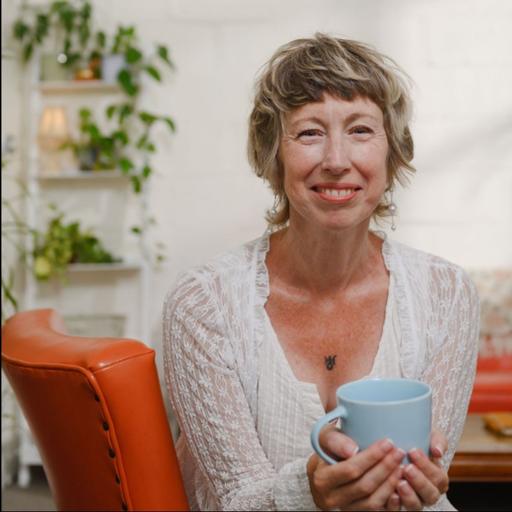
Existential Guide & Founder of the Kovara Method
What if you don’t need fixing? What if you simply need to see your life differently?
Tamara Kowalska is an Existential Guide and the founder of the Kovara Method, a distinctive approach to personal insight, self-inquiry and transformation. She helps people look beyond the stories and beliefs that can make life feel limited, fixed or impossible, opening up a wider view of who they are and what might be possible.
Her work is grounded in a powerful idea: often, the problem is not that something is wrong with us, but that we have become focused on one narrow interpretation of our experience. Through thoughtful questioning, compassion and somatic awareness, Tamara creates space for people to recognise what they may have been unable to see before. Rather than prescribing answers or trying to fix people, she supports a co-creative process in which insight can emerge naturally.
Tamara’s perspective has been shaped by an unconventional journey. With a background in teaching and experience living and working internationally, she went on to establish a drop-in centre for homeless young people in Windsor, Ontario. Over nearly nine years, she grew it from a small initiative into an established organisation with its own building, a team of ten and multiple programmes.