
July 28, 2026
EP319 - Mergers and Acquisitions for Exponential Growth with Guy Bartlett
Sound bites
Integration starts with the why. Because if you're really clear about what it is you're doing and why you're doing it, every business that you look at will be in that context.
Don't start with the money, start with the human impact.
In this episode
Guy Bartlett talks about mergers and acquisitions as a path to growth, with a focus on the human side of buying, selling, and integrating businesses.
- Starting with the end in mind before buying a company
- Buying businesses only after getting clear on why the acquisition matters and what will happen after the deal
- Using military discipline, planning, and fast decision making in business
- Putting the people involved first when negotiating exits or acquisitions
- Considering an owner’s life after the sale before focusing on price or deal structure
Transcript
ShowHide
Automatic captions of the conversation. They can contain errors and do not name who is speaking.
Always start with what's the end in mind. I can teach you how to buy a company. That's relatively straightforward. But why you're buying it and what you're going to do with it is far more important. Integration starts with the why. Because if you're really clear about what it is you're doing and why you're doing it, every business that you look at will be in that context. The first time I look at a business, almost immediately I'm visualizing me in that company. And I have to get comfortable that that's a business that I want to step into.
Because the money follows everything else. What one key piece of advice would you like to give to all the entrepreneurs watching and listening today? Hey, and welcome to another episode of The Business Growth Show. I'm your host, Athin Cassiotis. And today I have a powerful guest. His name is Guy Bartlett. And he is a seasoned entrepreneur, M&A expert and founder of Fidelis Advisory, where he tells business owners go grow through acquisition, succession planning, and successful exits. And with nearly 30 years in business and more than 20 years of transaction experience and 42 years of military service, Guy brings practical insights on acquisition led growth, leadership, and building lasting business value.
Welcome, Guy. Thank you for being on The Business Growth Show. Thank you, Athin. Really nice to be here. Yeah. Awesome, mate. I'm sure it's going to be very impactful for everyone watching and listening now. And you are a successful entrepreneur. So for those people who don't know who you are, yeah, please introduce yourself by telling us more about you and your journey. I guess I'm a little bit different to most people in the sense that I joined the regular army, the British Army, when I was 18 years old, thinking I would be a career soldier.
To my astonishment, I got some school grades that propelled me towards the officer route, and the army said, hey, we'll sponsor you university. So I transferred to the reserves. So of the 42 year service, 41 of those were in the army reserve. More of that a bit later, but that set me off on a different path. I started to work in industry, worked in marketing and advertising for a number of years, and the heyday of the British advertising scene in the 1980s, became fascinated with direct marketing and ended up doing retail direct marketing for some famous brands and businesses here in the UK, which led me into business.
I was headhunted with the promise of one day, my son or I'll also be yours. Grew that business to multiple six figures. Then had the classic shareholder fallout, but not before I'd figured out that the best way for us to grow would be to acquire parts of our supply chain. So I became really fascinated with M&A and how to buy businesses. Started buying companies in 2006. I bought 13 of my own, about 27 million of revenue. Not all of those are in my portfolio now. And then people said to me when I was six deep, they were like, you know, how have you done this?
So I started coaching people in 2014, and then Fidelis Advisory grew out of that as a done-for-you service, really. And here we are 12 years later, and we've done about 170 million of acquired revenue, or business transfers, as I call them. And I really love the most important part of it for me in the transaction is the people piece, working with people, helping business owners, many of whom need to retire because we're in that demographic shift, and helping younger, ambitious people like I was 20 years ago, you know, kind of want to grow back, but do well, do it properly, learn from my mistakes of which there are a multitude.
So I'd rather share the things that went wrong to help people avoid those kind of spare traps and avoid some of the pain that I've been through, and just do things in a better manner because at the heart of every business, no matter whether it makes widgets or sells a service as people, so that's my passion really. Yeah, awesome, mate. What a great story. And I love how it all, yeah, eventuated and what you're helping with now, and there's definitely a lot of value here, so it's going to be awesome. One thing I want to touch on first is the military, right?
Because it's very unique, right? Spending 42 years, even though the majority were in Army Reserves, which is still the military. So I'd like to know from maybe the mindset and the skills perspective here, of like, what did you learn? What do you think you took from that experience which helped you in business, you know, and life from there? There's so many transferable skills that you get from the military. So, for example, discipline kind of is probably the number one thing most people think about with the military.
So routine, discipline, getting up early in the morning, owning the morning, as some people call it, but also lots of other skills like planning ahead. There's the thing, I've literally just done a piece of work on something called the OODA loop. And this is really interesting from it came from Colonel John Boyd, who observed in the Korean War how the less effective equipment, the fighters that the Americans were using against the opposition in MIGS, were still out shooting the opposition pilots. And a lot of it was around observation and reaction.
So the OODA loop is observe, orientate, decide and act. And the idea is you get inside your enemy's thought process and you get ahead of them. And you might have heard in business of blue ocean strategy. So kind of the transferable skill set of something like a military context of the OODA loop to blue ocean strategy, I find fascinating. And obviously the benefit of being in command as well. So commanding soldiers at pretty much every level other than battalion. And you learn about people, you learn about how to motivate people.
Some people need motivation with a kick up the ass. And some people need an arm around their shoulder. And we were talking about football before we started. And you see those different techniques in managers as well. And, you know, business is so much a people sport. Teamwork is absolutely essential in business, is fostering that teamwork and building a culture that people need. And when you buy a business, you buy somebody else's culture. It's kind of like a manager coming into the previous manager's culture and all of those things.
So the army taught me so much. Obviously, staying fit and healthy, that's an important part of it as well. I was very fortunate. I did two tours of Special Forces Selection, spent a year with the marines, and that taught me resilience. It also taught me the inner game. How do you master your head top computer? Because what we think about creates emotion, our emotions govern our actions. So if you can control your emotions, and you can keep going in adversity, and you have that resilience as well, which is crucial in business.
So those are the sorts of things, really, that I've benefited from, from those years of service, really. Yeah, awesome. I love all of that. So many amazing elements. And yeah, I love the motivation side of things, because you're right, you know, you always hear those football soccer stories of like, I needed to cuddle him, I needed to lose it at him or something. The good old Ferguson hairdryer techniques I remember hearing about and stuff like that back in the day. So yeah, it's the man of management, right? Because whether you're playing a competitive sport or whether you're playing like business, which is another way of performing, right?
That you've got to be able to perform at your peak there, because you're in this long-term game. And I think that resilience one, I think is a big one as well, especially with the younger people of today. I think is that people want everything now, instant gratification of these younger people that don't realize, we had to work so many hours growing up, whether it's your generation or my generation, a little bit younger, to get to where we are and hit those challenges, where they just expect that it's Netflix, I click a button and things happen to me now, or Uber Eats and it comes to me straight away.
It wasn't like that before. So yeah, building that in, important. I still think it's interesting just touching on the next generation or the younger generation. Still think that my observation is that they have within them the innate ability to find that resilience. A lot of it is about experience and circumstances and support and guidance, I think. So yes, you're right, that there is a proportion of people who want that instant gratification. But there's also, I still think that within our human species, we have the ability to find that.
You see it in some of things like, I don't know if it extends across to Australia, but in the UK, we still have the, what's called the Duke of Edinburgh's Award, where the kids go off and do these kind of two-day adventures. And I think even a small amount of exposure to something like that gives them a sense of what resilience means as well as teamwork, really. So I'm an optimist about the human race, but I get your point. That's good. I'm definitely optimistic as well. And I think this is where sport is a big factor.
Anything that, whether it's military, whether it's maybe martial arts, sport, even music, something that you do something for a period of time and you have to improve yourself and you get setbacks as well that happen. And it's like, how do you deal with that? And that keeps happening. I always said, I don't know if you've ever done door-to-door sales before, but I remember I got 50 no's in a day, right? And it was like, you have to get a no, you have to like, nah, it doesn't matter about that. No, the next one's a yes, right?
And you just keep going. And that was such a great lesson of how to build resilience. So it's like, how do I look at it? How do I put myself in situations? Or I've got an 18 month old child now. How do I put him in these situations? So he builds the resilience. So I'm hoping that whether your parents, whether you've got young team members in your team, in these businesses that you're buying maybe, or that you've got in your current team, how do you put them in situations that allows them to build that skill as well?
Yeah. Yeah, 100%. And I think, isn't the report called Get to the Know? I think it's kind of basically saying what you're saying and sort of keep going. And most things in life are a numbers game. It's the same in acquiring companies. You probably filter 100 companies to get to one deal. So you got to have that resilience. You got to have that ability to just next, next, next, and just keep cycling through. It's just, I don't know, I don't... There's probably some mathematical equation that sits above it. But I've heard of the Pareto principle.
I don't know what this is called, but it's the same kind of thing, really. But also, I think team sports are important because they help you to understand the dynamics in a team and respond accordingly and take responsibility for your job in the team. You know, we touched on football, we touched on rugby, lots of other team sports. If you think about rowing, if it's a four or an eight, each man or woman in that boat has their job to do. And the whole team depends on each person doing their thing. And I, you know, there was a guy called Ben Hunt Davis, who was a British Olympic rower.
There's a really interesting story in terms of mindset. And he was in, I think they were a four and they tipped up to world championships and all that kind of stuff on a regular basis and regularly got beaten by the Germans or the Italians or the Australians or whoever. And they were never, they never won the races. And then they got a new coach and he was kind of challenging them, to say, what do you really want? Do you want to win or you're not bothered? Because as athletes, you train on a Friday, then you go down to the pub and you eat curry and then you have a hangover.
And what do you want to do? And they transformed themselves with one simple mantra, will it make the boat go faster? Is what I'm doing now going to make the boat go faster? And that simple mantra in their heads transformed everything. And they won everything. And it's so small, there's a book by Jeff Olson called The Slight Edge. It's that sort of incremental tweaks, that constant tightening of the nut to make everything really effective. And I think those sort of same thing in special forces, same thing in elite sports, same thing in the best businesses.
Best businesses are always trying to find the thing that tightens the nut. What can we do today? And each person has their role to play in that team as well. And I love that piece of work effectively. That's kind of my job as the CEO is to challenge the team, is to challenge the clients, is to find the way to think differently. Like the Udalupe, how do we take this situation and improve it? How do we make it better? And always with a, for me, an eye on culture. Yeah, awesome, I love that. And talking about that 1%, you know, better every day type mentality, which I love, right?
What can we do to improve in it? It compounds massively over time. A lot of business always think growth, right? It's like, how do I grow this business? You know, and it's always the, if I'm not growing, I'm dying, sort of saying, right? So we do want to be growing the business. We don't want to stay stagnant. But you know, obviously, there's only limits, right? Of how much you can grow from either cutting costs to an extent, right? You know, screwing those shoes, or ideally growing, going out there and getting clients.
So I guess the way is acquisition, right? Is here. And do you want to maybe talk about maybe what holds people back a little bit there of them growing, and then getting into that acquisition mindset, right? Of what, you know, what that can actually provide to the business. Yeah, let's start with organic growth. So I've grown three separate, seven-figure companies from scratch. So it's doable, it's perfectly sensible, and it's what you should be doing in your business anyway. So I always kind of think of whatever your core business is, whatever you do today, always be looking at ways in which you can achieve that, and being on top of your numbers, understanding your numbers.
And if you're not a numbers person, get someone on your team who is, it's as simple as that. Because not everybody is a numbers person, but you have to understand what's going on in the numbers in your business really. And then look at what is a realistic growth rate. So factors like how big is the market that you're in? Do you really understand who your ICP is, your ID or customer profile? How much have you really kind of drill down into that? So you get who is you're talking to and what your appeal is. And if you'd get those fundamentals, then your existing core business should be working to a rhythm.
As a friend of mine who calls it the rhythmic acquisition of customers. So if you've got that working, then your core business will sustain you. That's the time when you can then start to say, right, how do we accelerate that? How do we then go to that next level? Which is where I was when I started. So we were doing, I think back then, this is 2000-ish, 2002, we were doing about one and a half million, which made us a top 10 agency in terms of fees. Nice lifestyle, earning good cash, but ambitious, wanted to go to the next level.
And I'd watched Sir Martin Sorrell build WPP, still building it then. And so I had an inspiration there and it was kind of like, okay, how do we do that? So I started to look at, we were a retail direct marketing agency, which meant we were producing quite a lot of direct mail. So we were using fulfillment houses, printing houses, and it occurred to me that if we bought those suppliers, we would expand our customer base, we could cross-sell the services and products to a wider customer base, but retain more of the profit in the group really.
So that was the pure logic that I went through. And when people ask me, where do I start? That's usually my start point. So what do you do now? What would make sense for you to acquire into your sphere of influence, whether that's up the chain or down the chain? And often suppliers to your business are a good place to start because you know each other and focus on business owners who are into their 60s because they are definitely starting to think about what's my exit. And a lot of business owners don't even realize they can sell their company.
They just kind of assume that they're going to close it. So those kind of start points really are the triggers. And then it's really a question of, like I said before, is thinking about what's the impact on your business and you as a buyer. So you touched on people shy away from it because they think they need a lot of money. That's not true. There's a well-trodden path called a leverage buyout, which is the technical way in which a business can be bought. They think that they need a lot of time. And like anything in life, if you systemize what you do, you don't necessarily need to be distracted or spending 24 hours a day trying to find businesses to buy, etc.
So everything works to a system. We perfected a five-step system that we use, and that's still what I do today. That's what I started with and it's what I do 20 years later. So working logically through a process will get you to the end result. And then as we said before, Athin, it's just a numbers game. Ask enough people and sooner or later, people will say yes. Here's a really simple thing. So in your phone, everyone's got one of these. Mine's an iPhone. In your phone is a network. And within that network, there'll be people who know people.
And I like that phrase, six degrees of separation. So all you got to do is say to people in your network, hey, I'm now looking for companies that might be up for sale. And the ideal person would be someone in their 60s and 70s. Do you know anybody like that? That's it. And that will start the ball rolling. Really simple. Don't worry about going to brokers. Don't worry about all of that stuff. Literally just start with a conversation. People down the pub, people at your club, someone that you might know. The guy comes to fix your boiler.
He's looking a bit tired and old. He's like, what are you going to do with your business? Just have that conversation. And before you know it, you'll be talking to people seriously about the potential for acquiring their business and building into what you do. So people often think that it has to be a high level thing. And it doesn't. We're all human beings. And it's just apply that human psychology at the start. And you'll be amazed how quickly that ball will start to roll. Yeah, awesome. I love that. So many great points.
I want to delve into all of these. But first, you mentioned about this five step system, right? So do you want to maybe just at a high level share what that is? And then we can probably delve a little bit deeper into some as well. For sure. So the first and most important thing is understand your why. You probably come across Simon Sinek's why. Simon's book is more about the culture of the business and what are you trying to do as a business. My why is why you're doing it in your life. Because we only get so many hours and days on this planet.
And I think business should be... I hesitate to use the word fun, because not always fun, but business is there to serve us. That's why we do it. Otherwise, you might as well go and get a job. So if that's the case, then be clear about what an acquisition will do for you and what your end goal is. So always start with what's the end in mind. I can teach you how to buy a company. That's relatively straightforward. But why you're buying it and what you're going to do with it is far more important. And actually what you're doing with your existing business.
So I get people to really kind of delve into. I do an exercise called the 80 be do and have, and I get people to visualize what they're going to be do and have when they're 80. Because most people don't think about that. And then it kind of gets people to one of two conclusions. They can do the things that they think they want to do quicker. They don't need to wait till they're 80, which is nice. Or they're not thinking big enough. And then we get them sort of expanding their mindset, really. And that's the foundation for everything that we do in acquisition.
So the next step is once you've got clarity around what you want to buy and why you want to buy it, it's much, much easier then to go to the next step, which is then just reaching out to the marketplace, understanding what kind of business you want to buy, what size, what scope, what sector. And that's that next step, really, is sort of chunking down or chunking up the scope. You want to focus on businesses where there are lots of them. In the trades, it's a really good example, if you like. So usually in most advanced economies, there are lots of electricians.
So it's kind of finding the style and type of electric, electrical contractor that you might want to buy, for argument's sake. So that's one example. So not much point buying or trying to buy coal mines, there's not many of them, as the extreme other end of the example, really. The next step is then getting into the skill set of valuations, deal structuring, and negotiations. So understanding what it is that you're looking at, how you value it, how you might make it pay for itself, and then obviously having a conversation with the sellers.
The next step is then agreeing what that deal looks like working through all of the due diligence, the legal structures, the assessments of the financials, which naturally leads to the deal itself. So getting the deal done. And the final phase is integration. And integration starts with the why. Because if you're really clear about what it is you're doing and why you're doing it, every business that you look at will be in that context. So I say to people, big fan of rugby as you know, Johnny Wilkinson, sorry, scored the winning drop goal against Australia.
But when you read his book, he talks about visualization and you see now, I think he kind of led the way really, the way that he would envisage the ball going over the post and the flight of the ball from every different conceivable bit of the pitch. And in a way, I do that when I look at a target company. The first time I look at a business, almost immediately I'm visualizing me in that company. If I was in that company, what would that look like? What would I be doing? What would my team be doing? How would we impact on that business?
And I have to get comfortable that that's a business that I want to step into, that I would really enjoy being in that business. Because the money follows everything else. People make the mistake of focusing on the numbers and the K&L and the balance sheet. It's not about that. I promise you, it's not. The money will follow if you get all those other components right. And that's basically the steps that we go through. Yeah, awesome. I love it. Very simple, effective, and it's just, yeah, having the awareness of what these are, so you have the knowledge and then you can obviously get the deals done.
Let's talk a little bit around the supplier side a little bit more now, because you mentioned that I think it's a good example, right? Like, look there first, you already know, you have a relationship, right, with them, so that helps with the, you know, they're older, likely, let's say, even if they're not potentially, but it could go either way. How would you then approach that deal? Because you talked about the two things about time and money, right? Now, time, let's assume, is not really a factor. Maybe it's the money element, right?
Depending how big the supplier is. So how would you sort of approach that? You have the leveraged buyout that obviously needs assets as well, depending on what assets are in the business. So, you know, obviously there's different ways of structuring the deal as well, there's you don't pay everything upfront and stuff like that. So you don't want to maybe just give an example or something like that of what people could think about, of how I could approach a supplier and ideally get that deal done. Yeah. So again, always take it back to the human component, really.
Think about the people involved in that business. I've got a meeting later today with a chap who is in his eighties. He's been running this company for years and years. I probably would say that being involved in his business has kept him going and motivated for quite some time. But he's now in remission from cancer and his wife is going through cancer treatment. And it's finally dawned on him that actually that's more important than the business. So I don't say that to denigrate him. Far from it, he's a lovely guy.
But there always comes a point where somebody has to face that reality, that we all leave our business one day, one way or another. So do you get to choose what that looks like or is it forced upon you? Don't start with the money, start with the human impact. I've seen transactions where, to give you an example of a civil engineering business, Guy had made lots of money, great lifestyle, really nice property, but decided, funnily enough, his wife was pressurizing him to do the classic thing, come and spend more time with me.
And this is a true story. I'm not making this up. So we got really excited, looked like a really good business to take on. We spent some time with him, we crafted the deal, we worked out the numbers. And then it was predicated on them buying property. So they lived in Surrey, which is in the south of England, and they were buying somewhere in the northeast of England. And they went and bought the house. And then they spent two weeks together, and his wife said, sort of back to work. I'm doing my head in. Because he'd run his business from six in the morning till seven at night for years.
She just was freaked out by him being around all the time. She got used to living her life, and they hadn't spent any time going, what does that look like? What are we actually going to do? And so I use that offer as an example with people thinking about selling, or saying that they want to sell to go, but what are you going to do on the other side? Because when we're business owners, so much of our identity is caught up in our own company, in our own business, we are our business. So I will always try and encourage a conversation with someone who I think might be interested in selling, or who should sell, given their age and situation.
Start with that and go, look, you got to let go at some point, what does that look like for you? And just have that conversation, because so often the deal will follow the vision of what comes next for them. How much money do they need? Why do they need it? What do they want to do? Do they want to work part-time in the business? Do they want to be a non-exact chairman? Do you want to still have some kind of hand in the company? Or they like, I'm done, I'm out. I'm off to Greece or I'm just going. And so there's such a spectrum between, I can't, I don't really, can I do two days a week, three days a week to, I'm out.
And every human emotion sits in that spectrum. So a wise buyer will have the human conversation long before you get into the numbers. And the numbers will follow that human connection. They just will. Yeah, awesome. I love that. And yeah, I'm Greek background myself and not being biased, but a lot of people in Australia say it's the best place in Europe to go to in the island. So I can see the, you know, why people would like that and spend some time over there. So yeah, it's awesome. And yeah, I think it was a great example, right?
Of, yeah, it's like anything, right? It's like in business, whether you're dealing with clients, whether you're dealing with partners, whether you're buying a business, it's always a people element. People buy people, right? People, you know, it also will be is, where are you going to get the deal over the line? Because potentially, let's say they have multiple offers. But if you really understand them, and maybe you're not giving as much money out front, but they go, you know what? Guy, I trust you more. I want to sell you the business, right?
Like that can happen, right? As part of the deal as well. 100%. Legacy is a massive part of, I'd say 90% of, not all the vendors, that would be wrong, but 90% of vendors, for them, legacy is a big thing. You know, who's taking over my company? Do I trust them to not break it up and get rid of Mary, who's been in accounts for 30 years, and all that kind of stuff, really. But I'll give you a real life example. So, clients of mine approached me and said, we've got a slightly odd situation, we're not sure what to do. So I was like, okay, tell me more.
And they had a business which nearly died because of COVID. They run essentially summer camps and holiday camps for overseas students, youngsters. So for example, Chinese kids come over to the UK, work through the syllabus, and then China is a long way away. So often their parents say, just stay in the UK for the summer. So they need something to do. So these guys run education, stroke camps, and stuff like that. That's the easiest way to describe it. And they just about survived COVID. It was touch and go. And I think it was 20, 2023, 24.
24, we did the transaction. And they came to me and said, something out of the blues cropped up. We were having dinner with a kind of a competitor, but over in Ireland. And the founder of my company, her parents knew this guy's parents. It was a kind of a family connection. They're both in the same industry. And they were literally just having dinner and talking like you do about, you know, what are your business plans? What are you going to do? And she was kind of like, Celine was like, well, you know, we're thinking about now we're back on our feet.
We're thinking about maybe expanding somewhere else overseas, perhaps in Europe. And he just turned around and said, buy me. And she was like, do you want to buy me? And exactly because they knew each other and liked each other, and there was a bit of a relationship, and it turned out that he was not well. And he was at a point where he, for his health, really needed to let go of the business. He wasn't in his 60s, but it's just that circumstance. And so because they were still recovering from COVID, chances of them raising a load of cash and buying the business was zero.
But the business had a lot of cash. The euro sat in the bank account that he wanted to get out, his stored equity value, if you like. So we structured the deal where my client, the buyer didn't put any cash in at all, but the multiple seven figures sat in the bank account were released to the seller at completion, and then the rest was leveraged through share of the profits. So 15 million euro business acquired with no money in, because of that human connection. Not because of any fancy spreadsheets, they came later, or complicated legal arguments.
Trust me, they came later as well. But yeah, essentially that core element of, I like you, you like me, I need some help, you want to grow, hey, let's do a deal. And that's the best I could give, you know, sizable deal, 15 million euros. Most would be quite happy to overnight take their business from where they are to an extra 15 million. And it's a true story. So, and there are others at different levels that, you know, I've done a very similar deal at 250,000 revenue. But it's the principle, you know, those guys sent me a picture of them bracing in the pub after the deal completed.
That's what I get a buzz from, is seeing that transformation really. Yeah, awesome. I love that story. And, you know, maybe just at a higher level, right? There's a couple of things here, because this really comes into the phase around the valuation, the structuring, right, of the deal and stuff like that. So, do you want to maybe share, obviously, valuations potentially could be EBITDA multiples or other ways of valuing. You've got different ways of structuring the deal. Like you said, how it's structured there. Do you want to maybe go at a high level of maybe some of the main ways you're structuring and what's realistic there?
And sometimes it's telling the seller as well, right? Because they might have an expectation of, oh, don't I just get the money out front? It's like, well, no, most deals don't happen like that as well, right? On how those, do you want to maybe share a little bit about that side so that you're putting it forward in the best way to be successful? You're right. And all too often, people go straight to the P&L and then they start calculating multiples of profit, whether it's EBITDA or pre-tax. What I do is I say go to the balance sheet first.
And most people don't sadly don't really understand what the balance sheet is. And there's two reasons for that. So the financial education is not particularly good. Most startups pretty much focus on business plan that's all about cash flow and profit, etc. So it's unfortunate, I think, that not enough time is spent teaching people about a balance sheet, really. And the way I explain it, a balance sheet is, if it's a good balance sheet, should be like an inverted pyramid. So the bottom of the balance sheet are your liabilities, and the top of your balance sheet are your assets.
So if it looks like that, if you were to draw a shape of the value of the assets at the top, it should look like that. And if it does, then that's a good place to start. Because then, if you're thinking about, and I call it equity release. So if it's your business, Athin, you look at your balance sheet, everything up here, you've created. That's your equity, yeah? So intellectual property, which creates value. So the assets that sit in your balance sheet, the tangible assets that might be equipment or property or whatever it is, and then the current assets are the next things that we focus on.
So what's your stock like? What are your work in progress? What's the value sitting there? What about your debtor book? How strong are your customers? How much money is tied up in your debtor book that could otherwise be released? And obviously cash, cash is cash. And then in the example in Ireland, they had 5 million euros sat there that wasn't needed for day-to-day operational costs. So there's a lot of money. And I've seen that quite frequently, businesses just sit on cash because they don't want to draw it down because they pay tax on it.
So they just leave it and they don't deploy cash particularly because the business is a lifestyle business, pays everything that they want. Why would I then go and invest that cash and so on? So there's lots of psychological reasons to sit behind it. So that's your start point. If you look at the strength of the balance sheet and you can trace over two, three years, does that balance sheet grow? Is it steady? Is it depleting? That's the story of the business in effect. And the next point is that the shareholder funds or the equity value in that balance sheet is the shutdown value.
So if the seller can't sell the business but they've got to leave or they've got to cease trading, that's the figure that is the value of the business today. It doesn't matter what you and I say what the multiple is, that's it. And in the UK, less than 20% of businesses that go to market sell. So okay, so it's pretty stark. So that's what you have to start with that conversation to go, look, my start point is your shareholder value. Basically, because that's your option. It's a binary thing, close it or sell it. There's nothing else.
So understanding that in a sympathetic way enables you then to say, look, your shareholder value today is maybe 800,000. But if we now look at the P&L and we look at the cash generative ability of this business, and maybe some of the hidden potential, because every seller tells you how amazing their business could be, then you go, okay, so if we were to apply a multiple of three or four times EBITDA or profit before tax, that gives us a different figure, and that might give us a figure which is ahead of those shareholder funds.
And now you're planting the seed in the mind of the seller, like, right, okay, so this needs to be strong going concern. I need to present this business. Imagine you're selling your car. You know, you're going to take it to the valetors, you're going to get it cleaned, you're going to get your service records out, you're going to present your car to get the best possible price. Well, that's what a business owner should do if they're looking to get the best deal. So it's those sorts of things that get people to think about and understand and always have that conversation with the business seller as well.
Because I want to know, do they get this or not? If they've, and 90% just go, oh, my accountant deals with a balance sheet. And you're like, but then at least you know, they don't get it. So there's almost a bit of education that you have to gently do. You have to go, look, I get it. I understand why you leave it to your accountant, but here's the thing, dot, dot, dot. Yeah. And then you're not being confrontational, you're not. The worst thing that happens in M&A is offer and counteroffer. We never make an offer, ever.
We just don't do offers. What we do is proposals. Here's how we construct this. Here's why we construct it this way. Here's the benefit to you. Because if I make you an offer, our training, our human nature goes on. He's left a bit in there. I'll go back with, I want to hire a figure. Because it's the science of the market. We haggle. We don't haggle. We just break everything down and go, okay, here's how this works. This is what we think can be done and that's achievable. Because again, the lawyers are taught to compete with each other and I hate that.
I want to collaborate. I want to find the best possible deal structure that's good for the company. Think of it like a triangle. So top of the triangle is the company. It's an entity. It's a thing. A buyer and a seller. A triangle can't fall over, can't roll. So we get the foundations right, then those three components will self-support each other. The buyer will get looked after and paid out. The seller will be happy because they'll have a good business at the end of the process. But top of the tree, the company will be looked after.
And I say that having failed, having all businesses, seeing them collapse, seeing them fall over, trust me, it's painful. And that's 20 years of pain etched in this forehead going, okay, don't do it that way, do it this way. And protect the company for all the parties. It's much, much safer and easier for everyone involved. The people in the business, the seller gets ultimately what they want. It might take a bit longer, but they'll get it. And you, the buyer, are going to end up with an asset that's worth having. Otherwise, what was the point?
So those are the approach that I take. Yeah, I love that. So much gold, what Guy just shared there, everybody on how to look at those situations, how to have those conversations, how to educate the sellers especially, and take them through that process. I love the no offers, just proposals, that was gold, especially that one where. One last key thing that I think important for people to realize, because a lot of people think, oh yeah, I just buy this business, and it just keeps going, and then that's it. Whether it's the same as yours, whether it's a supplier, whether it's a whole new industry, right, that you're going into.
So that integration piece, I think, is people don't realize what really needs to happen. I know you talked about the people side, which is important, but there's so many other elements to that, to make sure that it succeeds, right, and continues that momentum. So do you want to talk a little bit about what people don't realize and the best possible chance of success there? Yeah, so if you think about, there's three core elements to any business. There's the customers, the suppliers, and the staff, okay? So each one of those, you have to approach in a slightly different way.
Let's start with the staff. So most people are not aware that their owner is looking to sell because the owner is terrified that if they let the cat out of the bag, everyone will start leaving and value will be reduced. And there's some truth in that. So usually, it's a bit of a clandestine affair. And I'm talking about owner managed companies. I'm talking about small, medium sized enterprises. I'm not talking about corporates. It's different ball game there. But even then, you can have disruption. You might have a large corporate, maybe 50 million revenue, well over a hundred staff.
But at a management level, often people still feel, I don't want to be bought by XYZ, and I'm going to start looking for the exit door, really. So start with the people. And most people are afraid that you're going to fire them, weirdly. Now, as a buyer, that's the last thing that I want to do. I don't want to, I don't have to start to hire new people, unless obviously someone misbehaves, or they turn out to be hopeless or whatever. But generally speaking, when you're buying a profitable business, the team work, otherwise they wouldn't be making money.
So I don't plan on any disruption in that team. I want to get to know the people. I want to get to understand who I've got, what their strengths and weaknesses are, what their ambitions are, if they have any, what their own personal vision is. And very often by approaching it that way, you get people to tell you honestly, the flaws and the things that, you know, well, if it was up to me, we'd do this. That's a great expression when people give you that. You know, if Fred had listened to me, we would have done why. That doesn't mean to say that you accept, face value everything that people say to you, but it's that intelligence gathering exercise.
You know, it's kind of like back to the military. Gather your intelligence, understand the battlefield that you're deploying onto. And then again, think at a simple human level, a classic example, we bought a business. And the first thing that we said to the team is, look, what would help you day to day to have a better work experience? And you know, the simplest thing that made a massive difference is everybody said, could we have two screens for our computers? Now that's like, I don't know, couple of hundred quid, you know, it's like nothing.
But the difference in their attitude and behavior, just because we listened and gave them something that made their day to day job easier, was dramatic, genuinely dramatic. So you don't need to have grand visions and plans, you just need to listen at a human level, you know, what makes your job better. Maybe someone, you know, has to pick up the kids and their work hours are a bit of a challenge. So just adjust, you know, help people to do, have a better work experience and enjoy what they do. So simple things like that.
We use a tool called Contribution Compass, which is an analytics tool. And I like it because it tells you what people on the planet to do and doesn't worry about what their weaknesses are. Because I did a test like that many years ago, and I'd done Myers-Briggs, I'd done disk, I'd done all those kind of things. And what I found with those is they tended to focus on, you know, you're weak at this, work harder at it. And what I love about Contribution Compass, it says you're not on the planet to do admin, so don't do it.
Find someone in your team to do it. So it's all about your energy, your flow, what you're here to do, and get a team to do the stuff that you're not. And we use that to understand where each person is most in flow, and make sure that they're doing the thing day to day that they're most in flow to do. Instead of trying to get them to do stuff that they don't want to do innately, what's the point? That's not going to help anybody, and structure your team around it. So we do that, conscious of time. So customers, customers don't really want to know about the ins and outs of the business.
They just want to know that you're going to turn up and do the thing, or deliver the product on a regular basis. But pay attention to change of control clauses in contracts, particularly if you have big customers. So let's say you're a medium-sized company and you're working with corporates. Those relationships are normally governed by some kind of proper contract. So you have to scour through that to see if we buy this company, is there a chance that XYZ PLC will get rid of us? Because there's been a change of ownership, and I've seen that trip people up as well.
So understanding the trading relationship between the company and its customers. One of the things that we often do is encourage the owner to stay for maybe six months, maybe 12 months in order to maintain that continuity with the customers. You've got to manage that carefully because now your company, not theirs, but nonetheless, that's important. And that flips on to the supply side as well. So I bought a business once that there was conflict between the owners. They had a lot of business to work through, but they were at a point where they'd sort of split really.
And within a month, we'd bought the business. What we hadn't anticipated was that all of the suppliers would immediately change all the credit terms. So the business was trading on 60-day terms with its suppliers. And as soon as we bought it, that cut to 30. So all my carefully laid financial planning, my spreadsheets and all the rest of it, my cash flow was just like tatters. So I had to re-bank in the first month straight after I bought the company in order to be able to manage that supply chain environment. So transition is really important in the way the business operates, customers and suppliers.
But crucial to that is obviously the cultural fit for the staff and getting to know them, spending time with them. So it's a core function of leadership in effect. And if you're not a people person, for God's sake, get somebody who is alongside you. Because I'm not critical of people or not people person, there's nothing wrong with that at all. But know what you're good at. And if you want to go and do acquisitions because you're a bit of a techie and you see the techie side, fantastic. But for heaven's sake, get someone who is good at that cultural shift, that people piece, because it's vital, absolutely vital.
Otherwise, people just leave and then, shit, now I've got to sort that out. Now I've got to find a lot of people that I didn't plan on having to do. And the costs of that and the disruption and all that goes with it. Yeah, amazing. Thank you for sharing all of that. And yeah, just, you know, obviously the people in the business, so important. They all have that contribution compass side that you were talking about is like focus on what you're really good at, make sure that, you know, that wheel is turning really well, well oiled.
And yeah, the relationships, the customer suppliers, the contracts, all of that. So it's so important on, yeah, when you're thinking about going ahead, how it's all structured and moving forward and that relationship transfer. So, mate, so much gold that you've shared with us here today, Guy, and as we're starting to wrap up here today, what one key piece of advice would you like to give to all the entrepreneurs watching and listening today? One key piece of advice. I carry this over from my father who always said to me have an inquiring mind.
So always ask questions. If you're the smartest person in the room, you're in the wrong room. So just constantly learn, seek knowledge, understand how does that work? Why does that work? If you're raising finance, understand that. Ask questions, ask questions, ask questions. Everywhere you go, ask questions. And never, never cease to learn about business, your environment, you know, successful people, what did they do? What can I learn from them? I think the day you stop learning, it's funny, isn't it, when we're kids, we're at school, we're forced to go to school, and we kind of go, I can't wait to finish school, I don't have to do something called learning.
My entire life since school has been learning. So I think that's probably the number one thing. If you don't have an inquiring mind as an entrepreneur, I don't think you're going to get very far. Yeah, completely agree, mate. So important, always growing and learning. I tell that to my son every day as well, as much as I can with him as well to instill it when he's young. So hopefully everybody's there, right? Because yeah, what I've found is the business only grows the level of the business owner as well, right? So you've got to keep growing yourself to grow at that same time.
And mate, you've shared so much with us here today, and we connected through our networks, and we learned about your awesome journey from the 42 years of military service, which is amazing, and all those lessons that you brought to having nearly 30 years in business and more than 20 years of transaction experience, mate. You're an awesome guy, so knowledgeable, and you've shared really the key things that people don't really talk about, I think, here today, right? Some of these key other elements, people could talk about, oh, how do we value a business, or how do we structure a deal or no money down or something like that?
But it's these other elements that you talked about, which is actually going to get the deal over line, especially the people element, right? Being, you know, connecting on that side. I think that's my biggest takeaway, and I hope everyone's here today from all those multiple elements, right? That all these different people, depending on what stage of the process that you're in, that guys shared with us here today. So, mate, I'm sure you're going to continue to help, yeah, business owners, growth, acquisition, succession planning, and successful experts.
We're very grateful that we could look forward to partnering as well. So, Guy, how can people find you and get in contact with you? Yeah, so easiest way, you can look me up on YouTube. I do have a channel and there's quite a lot of videos on there, all about the kind of topics that we've talked about. So quite a lot of open sharing on there. My website is fidelisadvisory.uk. So just go and check us out on there and drop us a note. I have a link tree, which I'll share with you. I know that you'll share with the audience as well.
So on the link tree, there's a link to the book that I wrote, which is a digital book called Business Magic, and to buy companies with none of your own money. So if your audience would like to read that, it covers the five steps that we talked about earlier. So it's probably a really good start point. It was kind of written as a manual how to do this. So I'd love people to get hold of a copy of that. So in the show notes, you should find that information. And just hit me up. I coached an Australian client who was in the UK, went back to Australia and successfully acquired in Australia as well.
So what we do works in Australia just as well and elsewhere in the world. So love to help people. Yeah. Awesome, mate. Ryan, definitely check out all those elements, that resource about all the steps. Sounds like it's gold. So get your hands on that and reach out. You know, to Guy in those different elements. As he said, mate, it's been a pleasure in viewing you. Thanks for being on The Business Growth Show. Thank you, Athin. It's been great to be here. Thank you for watching and listening to The Business Growth Show, where we talk about everything on business growth.
And please like, subscribe and leave us a five-star review. You can find me on LinkedIn, Facebook, Instagram, and YouTube as Athin Cassiotis, or visit my website, athinkassiotis.com. And if you want to grow and scale your business, you reach out to me on any platform to see for a good fit. So until next time, remember that our business grows, we learn skills and take action using them in spite of fear. So let's create wealth and freedom together.
About Guy Bartlett
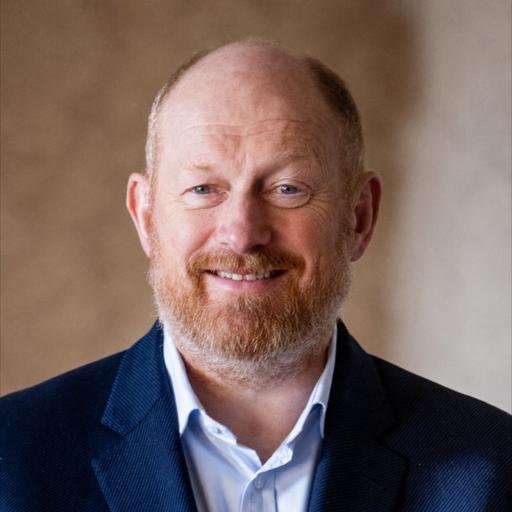
Fractional M&A Expert Helping Business Owners Grow Through Acquisition
Nearly 30 years In business£145M Transition revenue acquired by coached clients42 years Military service2006 First deal
Guy Bartlett is a UK-based entrepreneur, M&A expert, military veteran, and founder of Fidelis Advisory, a Cheshire-based fractional M&A firm that helps ambitious business owners grow through acquisition, exit successfully, and navigate the complex realities of buying, selling, and transitioning companies.
Guy is not simply an adviser commenting from the sidelines. He leads a team of acquisition experts with hands-on experience in strategy, sourcing, negotiation, finance, deal structure, and post-acquisition integration.
With nearly 30 years in business and more than two decades of transaction experience, Guy brings a rare combination of commercial insight, deal-making expertise, and people-first leadership. His career began in sales, marketing, direct response, and data-driven growth, where he helped scale an agency from £32,000 in fee revenue to almost £7 million in turnover within six years. That journey gave him his first exposure to shareholder structures, acquisitions, and the realities of building business value beyond day-to-day revenue.
Since completing his first acquisition in 2006, Guy has bought, built, advised on, and guided businesses across multiple sectors. He later founded Business Buyers Club, where he helped entrepreneurs understand acquisition as a serious growth strategy, with coached clients acquiring an estimated £145 million in transition revenue.
More from Guy Bartlett
All episodes → The Franchise Scale Up Show with Guy CoffeyBuying a Business? What the Spreadsheet Won't Tell YouOct 2026Play episode →
 The Exit Teams Podcast with Bob TankesleyHow to Build a Business Buyers Actually Want (with Guy Bartlett)Aug 2026Play episode →
 The Next 100 Days PodcastGuy Bartlett - Buying BusinessesAug 2026Play episode →
 Master Your Merger PodcastGuy Bartlett on What Actually Kills Deals and What to Do About It | Master Your Merger S2Jul 2026Play episode →
 Before You Buy or Sell a BusinessInside M&A from a Soldier's Perspective: How Guy Bartlett Built a 170 Million Dollar Track Record Buying and Selling SME BusinessesJul 2026Play episode →