Future of Work
Why the 40-40 model of building wealth no longer works
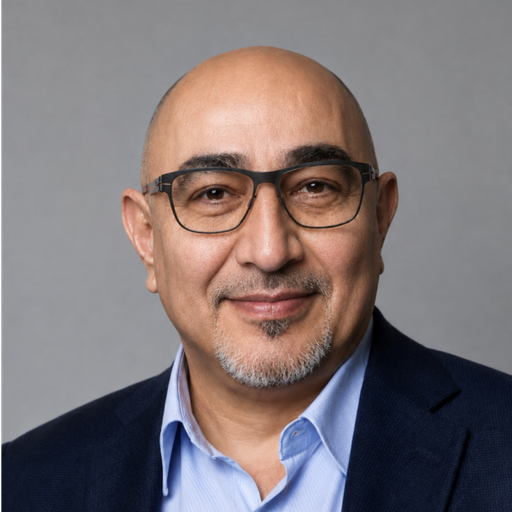
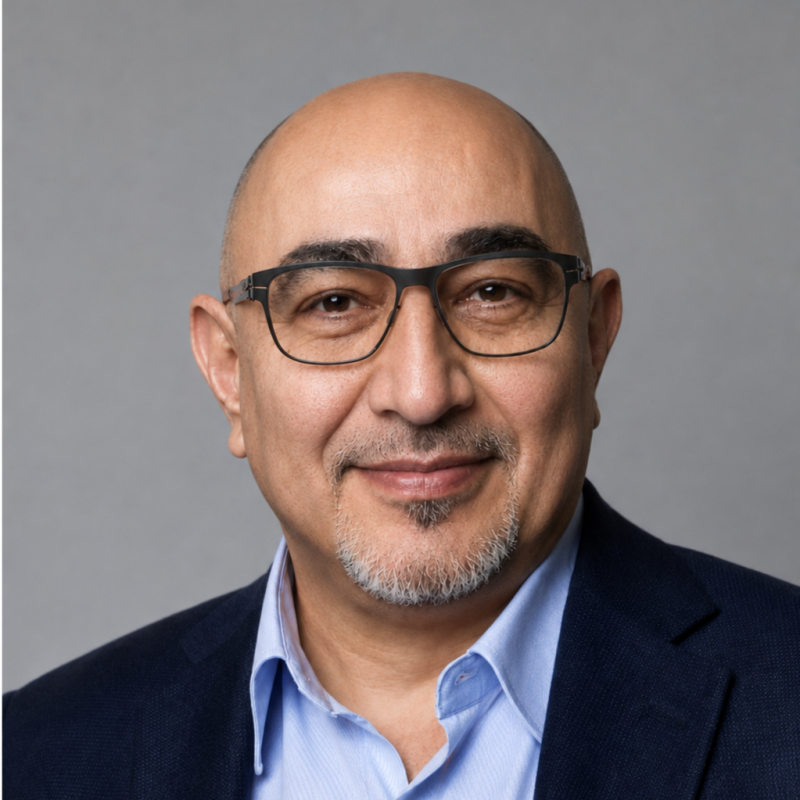
Dr Hussein Rifai explains why the classic Australian path to wealth no longer holds, and how AI, longer lives and continuous learning change the plan.

Why The Old Way Of Building Wealth In Australia Is Officially Dead…
Video from Shane Da Costa.
Generated from the canonical interview transcript and validated against source data by Guests on Air.
Why is the traditional 40-40 model of building wealth no longer enough?
Dr Hussein Rifai says the model of working 40 hours a week for 40 years, buying property and retiring between 55 and 65 no longer fits. Retirement is now gradual, AI is removing repetitive work, and wealth needs several sources, from salary and side income to dividends and bonds, backed by continuous learning.
For decades, Australians were told there was one reliable path to financial security: work hard, buy a house, perhaps add an investment property, and retire somewhere between 55 and 65. In an interview with Shane Da Costa, Dr Hussein Rifai argued that this path is no longer a plan anyone should hand to the next generation.
Rifai has worked across Australia, Europe, the Middle East, Asia and Africa, negotiating government deals, running private equity funds and building businesses of every size. He describes himself as a workaholic who is still working and loving it, and he earned his PhD at the age of 65. That history shapes a blunt view of what is changing.
His case rests on five shifts he believes Australians are not watching closely enough: artificial intelligence, a multipolar world, an ageing population, the end of the classical wealth model, and a new form of globalisation. Together, he said, they change which jobs survive, where wealth comes from and what a sensible financial life looks like for someone starting out today.
Key takeaways
- Working 40 hours a week for 40 years and relying on one property is no longer a safe plan for young Australians.
- Retirement is becoming a gradual process rather than a single event that arrives somewhere between 55 and 65.
- Repetitive tasks and data handling, in both white collar and blue collar work, are the first roles AI will absorb.
- Continuous learning, through short courses, vocational training or deep study of one discipline, is the best protection.
1. The 40-40 model has run its course
Rifai calls the traditional approach the 40-40 model: you work 40 hours a week for 40 years, get married, buy a house, perhaps add an investment property, and look forward to retiring between 55 and 65. It worked for his parents' generation and for his own. He believes advising young people to copy it is one of the worst things we can do for them.
The first problem is that retirement has changed shape. In his view it is no longer an event that happens on a fixed date but a gradual process. People are living longer and many want to keep working, which changes how much they need to save, how long their assets must last and how they think about income later in life.
The second problem is concentration. Rifai argues that a modern wealth plan needs a mix of sources: a salary, some work on the side, equity in something that pays a dividend, and an understanding of bonds and interest. Spread across a portfolio, one weak investment can be carried by the others, rather than everything resting on a single property.
2. AI will reach further into white collar work than people expect
Rifai sees AI as the next major jump in technology after the mainframe computer, the personal computer, the internet and the smartphone. Earlier jumps made work faster and more efficient. AI is different, he said, because it helps with the decision and the analysis itself, which means its impact will extend well beyond blue collar roles.
Anyone doing highly repetitive tasks is most exposed, along with work that simply moves information from one place to another. Beyond those, he expects AI to creep into jobs built on managing data: parts of recruitment, basic legal letters, strata and property management, and routine bookkeeping. In his own labour hire business, filling a request that once took a day can now take hours.
The people who benefit will not only be those writing the code. Rifai argues the critical skill for most workers is learning to work with intelligent machines, and above all learning to ask the right question. Two people can put the same problem to the same AI tool and get different answers because of how they frame it.
3. Invest in yourself, at every age
Asked what a 25-year-old Australian with ambition but little money should bet on, Rifai named food, aged care and what he called the biggest industry of all: yourself. Nobody can predict the next technology five years out, so the safest investment is the knowledge that lets you adapt when it arrives.
He is especially critical of people in their late 30s and early 40s who decide they already know enough and stop learning, just as younger competitors arrive. Upskilling does not have to mean a four-year degree. Universities now offer short professional courses, vocational training has improved, and it is possible to go deep into one discipline such as programming.
His own record makes the point. He trained as an electrical engineer, holds four degrees and completed a PhD in multicultural negotiation techniques at 65. He said his forthcoming book, The Chaos Theorem, returns to the same themes of resilience and continuously improving on yourself, drawn from a career that has spanned several continents and industries.