Construction
Why construction projects are won or lost at the start line
Architect Kevin Kennon argues that the setup of a building project, from who sits at the first table to how change orders are paid, decides its outcome long before the last trade leaves site.
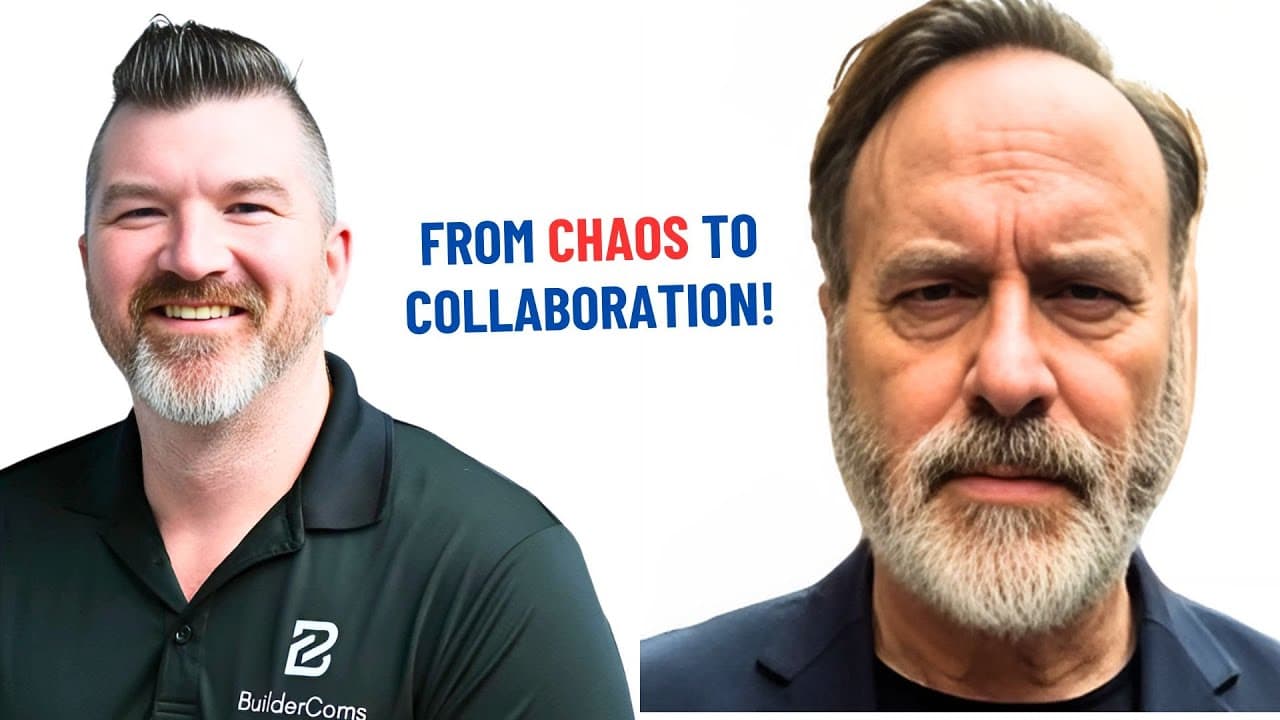
Challenging the Status Quo in Construction with Kevin Kennon
Video from Construction Champions Podcast.
Generated from the canonical interview transcript and validated against source data by Guests on Air.
Why are construction projects won or lost before building starts?
Kevin Kennon says projects are decided at the start, by how the team is assembled, which procedures are agreed and whether people expect to work together. Bringing the contractor in from day one costs more up front, but it saves time, protects cash flow for smaller firms and keeps disputes away from the lawyers.
Kevin Kennon is a design architect who has worked on everything from skyscrapers to bathrooms. In a conversation on the Construction Champions podcast, he explained why he gives a billion dollar tower and a private home the same attention to detail, and why the real work is getting everybody swimming in the same direction.
His argument is simple. The enemy on any job is time, and the fastest way to lose time is to let the people on a project start pointing fingers at each other. When that happens, he says, the only people who win are the lawyers, and the owner, the designers and the trades all pay for it.
During the pandemic Kevin Kennon started reaching out to clients and others in the industry to ask what bothered them most about how buildings get made. What he heard shaped a clear view: collaboration has to be designed into a project at the very beginning, because it rarely appears on its own once construction is under way.
Key takeaways
- Projects are won or lost at the start line, so the setup, procedures and protocols deserve the most attention.
- Bringing the contractor to the table from day one costs more early but pays back in speed and fewer disputes.
- Pay the agreed parts of a change order and set aside the disputed item, so smaller firms keep their cash flow.
- Design-bid-build and pure competitive bidding are built on mistrust; a shared digital model lets teams solve problems first.
1. Set the project up before anyone breaks ground
Kevin Kennon tells clients that most projects are decided at the start, not at the finish. How a job is set up, which procedures and protocols are agreed, and whether the team accepts that people are human and mistakes will happen all matter more than any heroics late in the schedule. A shared sense that everyone is in it together is the foundation.

He points to a tower he designed for Morgan Stanley, completed just before September 11 and later sold to Lehman Brothers, which became the backdrop to the 2008 financial crisis. The building itself was delivered collaboratively. Tishman, the contractor, had the right people at the table from day one, giving the design team input in real time as the building took shape.
That approach costs a little more because the effort is front-loaded, and he is open about it. The payoff is that problems are found while they are still drawings rather than steel and concrete. He has seen the opposite too: project managers who over-manage, and trades who leave an obstacle in place because moving it is not their job.
2. Keep money moving when one item is in dispute
Once construction starts, Kevin Kennon often acts as an umpire, calling balls and strikes rather than setting up a future lawsuit. His aim is to find the best way to solve the problem in front of the team. He sees cash flow as the other great killer after time, especially for small businesses and subcontractors with thin margins and payrolls to meet.
His practical rule concerns change orders. Too often a whole change order is held up because of one item that nobody can agree on, and everyone suffers while it sits. He prefers to set the disputed item aside for review, approve the parts that are clearly fine and keep the subcontractor working and paid on time.
The reasoning goes back to a lesson he took from his work at the World Trade Center site. In that period, he recalls, everybody came to the table and agreed to get the job done together. He believes the same spirit works on ordinary projects, because people who feel vested in the outcome take ownership of their part of it.
3. Replace the adversarial bid with a shared model
Kevin Kennon calls design-bid-build an antiquated system that is almost set up to be adversarial. Competitive bidding, in his view, is often mishandled, generates waste and rests on mistrust, and nothing works without trust. The bigger the project, the higher the stakes for everyone, which is exactly why collaboration should rise with scale rather than fall away.
Technology is changing what is possible. Teams can now move from a sketch to a detail in a day, and he expects a true digital twin, shared between the design and construction teams, to let trades review a building before a shovel goes in the ground. He is less sure about fully modular building and sees panelized, flat-packed components as more realistic.
The same openness should extend to clients. Many owners find the process opaque and feel nobody is listening to them, so he favours renderings, animations and walk-throughs that show what they are getting before it is built. Managing expectations early, he argues, beats an industry habit of overpromising and underdelivering, and when he is brought in midway he often wishes he had been hired at the start.