Dementia awareness · Family care
When dementia care needs a conversation the family cannot avoid
Cassandra Welford shares why an honest account of risk helped her family make a painful care decision with more clarity and compassion.
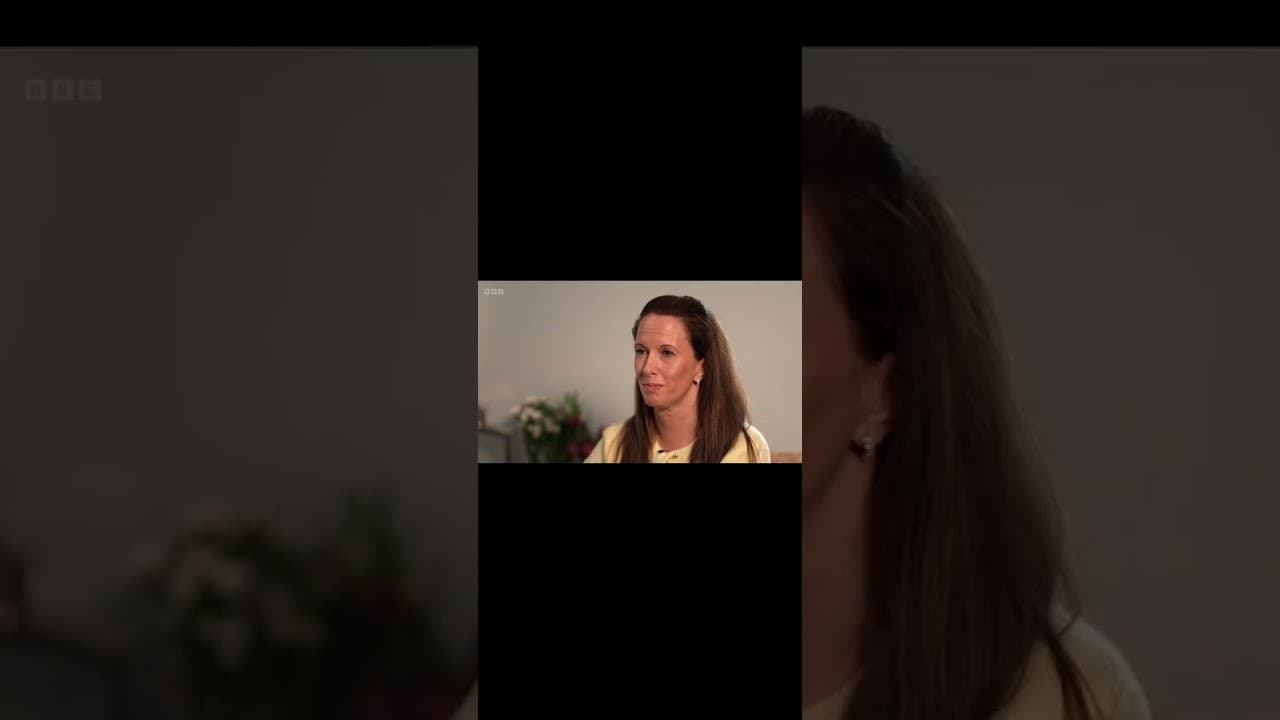
Video from BBC Morning Live.
Guests on Air checked quotes against the source transcript and recording, then added editorial synthesis and supporting research. Cassandra’s account is personal experience, not medical advice.
When should a family start discussing dementia care?
There is no single moment when every family should decide on dementia care. Cassandra Welford’s experience suggests recording specific changes and safety incidents, then using that evidence to start a family conversation and seek advice from qualified health and care professionals. Her family’s experience is a personal account, not medical guidance.
A family can see that something is changing long before it knows how to talk about it. Dementia may alter memory, language, confidence and a person's sense of safety. The changes arrive in ordinary moments that can feel alarming, sad or easy to explain away. That is why the first hard conversation is often postponed.
In a BBC Morning Live appearance, Cassandra Welford describes what happened when her mother began showing early signs of dementia after retirement. Her family noticed that a previously eloquent woman could not find the right word and had become more anxious. Cassandra says her mother was kind and gentle, but became defensive when anyone mentioned forgetfulness or memory loss.
The segment is not a formula for another family's care. It shows one family moving from concern to a decision. They needed a way to talk about safety and find support for a frightening next step.
Key takeaways
- Notice changes without assuming that one difficult conversation will resolve every fear or disagreement.
- Make space for an honest account of risk when a direct conversation has become impossible.
- Treat care decisions as a family process, while recognising that safety may require action before everyone feels ready.
- Ask a prospective care home how it will help a person arrive, settle and retain familiar routines.
1. Start with what the family is seeing
The people closest to someone are often the first to see a pattern. In Cassandra's case, her mother struggled to find words and seemed more anxious and paranoid. Those details gave the family something concrete to discuss. Specific examples make it easier to ask what support might be needed.
Careful observation is not the same as turning a relative into a problem to manage. The person is still the person the family knows. Cassandra recalls her mother's gentleness alongside the defensiveness that came with discussion of memory loss. A conversation can be necessary and hard to hear. Choose a calm moment, use plain language and accept that the first attempt may not lead to agreement.
The television segment also shows why a family should not wait for a perfect script. Cassandra's family could care for her mother as symptoms worsened, until she left the house one morning in her pyjamas. She was found quickly at a friend's home, but the event changed the question. The family no longer had to imagine whether planning was needed. They had a clear safety concern that required a response.
2. Find a way to make the risk discussable
A direct conversation is often the right place to begin, but it is not always available. Cassandra says her family could not have the conversation with her mother because the word dementia itself was too difficult. Her father also found a face-to-face discussion hard. That left the family with a serious decision and no easy forum in which to make it together.
Cassandra chose a different route. She made a video for the rest of her family, taking a deep breath before recording it because she felt helpless and did not know what was best. The purpose was not to win an argument. She wanted to show the reality of how serious things had become. The video gave the family a shared piece of evidence and became the catalyst for a conversation about care.
That is the value of a clear record. It might be notes from a visit, a timeline of changes, a question for a clinician or a message that explains what happened. Name the concern, describe the incident and state what decision needs attention. It gives people a starting point when emotion makes every discussion feel too large.
“The decision to take Mum to live in a care home was incredibly difficult.” Cassandra Welford does not make the choice sound simple. A record of concern can create the honesty needed to ask for advice, compare options and decide what safety requires now.

3. Let care homes show how they will care
The decision does not end once a family agrees that home care is no longer enough. Cassandra describes meeting a care home and gaining enough confidence to bring her mother through its doors for an assessment. That confidence came from a human detail as much as a formal process. The receptionist greeted her mother by name and said they had her favourite biscuits, custard creams. Families can also ask how staff will share changes in appetite, sleep, mood or mobility, and how relatives can remain involved after the move. They also give relatives a more useful way to compare homes.
That moment does not erase grief or guarantee a smooth transition. It does show what families can look for. Staff can explain an assessment, what they know about the person and how they will help someone settle. Families can ask about food, routines, visitors, communication and who to contact when they are worried.
Cassandra says the relief she felt was immense. It followed a period in which the family feared they could not keep her mother safe and comfortable at home. Relief and sadness can sit beside each other. A family may know the move is necessary and still mourn what it means.
The latest relevant Guests on Air book, The Grief That Doesn't Count, brings together stories of unrecognised loss. Dementia can ask relatives to grieve changes in connection and independence before a final goodbye. Naming that grief can explain why a practical decision feels heavy.