Criminal Justice Reform
What 16 Years Inside Taught Jeff Deskovic About Prison and Parole Reform
In a TEDx talk for young people, Jeff Deskovic explains why youth sentencing, distant prisons, slow compassionate release and crime-only parole denials undermine rehabilitation, and what anyone can do about it.
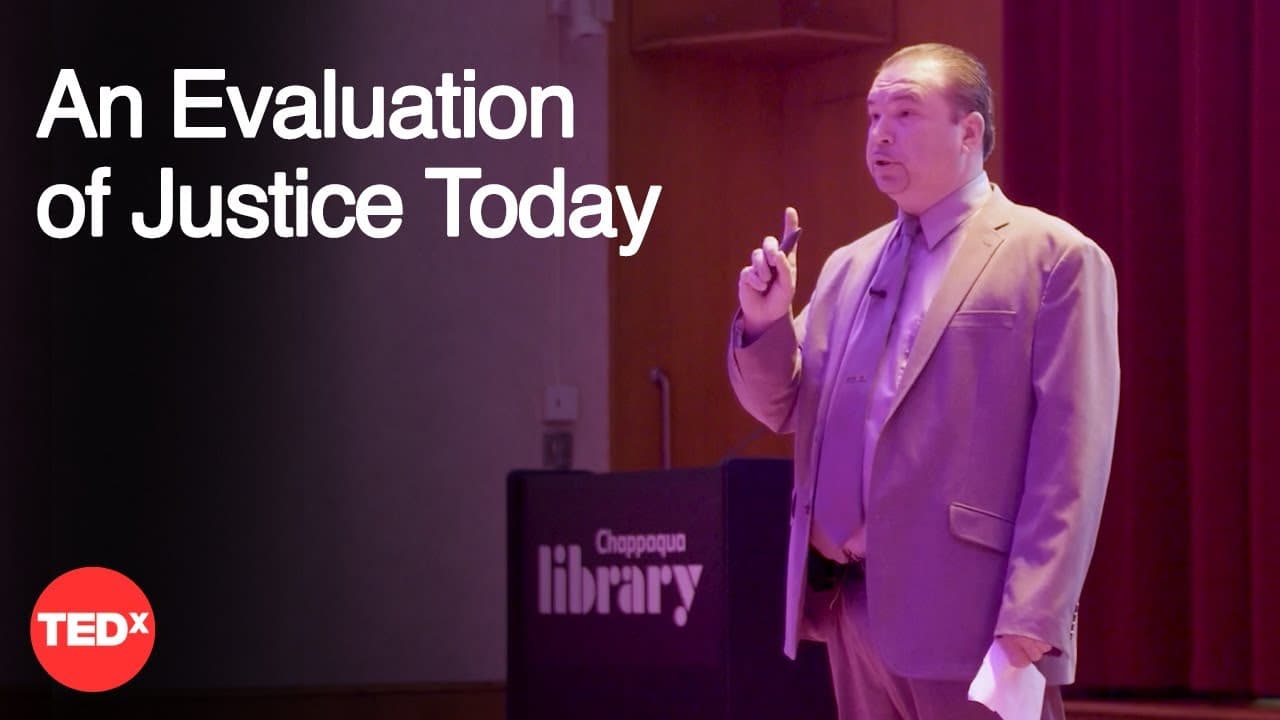
Advocating Against Wrongful Convictions in Today’s World | Jeffrey Deskovic | TEDxChappaqua Youth
Video from TEDx Talks.
Generated from the canonical interview transcript and validated against source data by Guests on Air.
What prison and parole reforms does Jeff Deskovic say New York needs?
Jeff Deskovic argues that young people should not be charged as adults or held with adults, that prisoners should be housed near their families, and that parole boards must judge rehabilitation rather than the original crime alone. He backs the Fair and Timely Parole, Elder Parole and Protect In-Person Visitation bills to turn those ideas into law.
Jeff Deskovic was 16 when a classmate was murdered and he was arrested for the crime, even though a pretrial DNA test excluded him. Tried as an adult, he was sent to a men's maximum security prison and spent 16 years there before further DNA testing identified the real perpetrator. He now works as an attorney and advocate for people still inside.
In his TEDxChappaqua Youth talk, he spends less time on his own case than on what he saw around him. Years in prison showed him how the system treats young people, families and people who have already changed, and much of his advocacy now targets those conditions as well as the causes of wrongful convictions.
His argument is practical. Prisons should help people return to society, and he points to specific bills in New York that would push the system in that direction. He closes by telling students, future workers and future lawyers what each of them can do to support the work of freeing innocent people.
Key takeaways
- Jeff Deskovic says charging youth as adults ignores that young brains are not fully developed, so the same act carries less moral culpability.
- He wants young people kept out of adult maximum security prisons and suggests a cutoff age of around 23 for those facilities.
- Housing people far from their families weakens the community ties that help decide whether someone can return to a crime-free life.
- Parole boards should judge rehabilitation, not just the original crime, and older prisoners deserve at least a guaranteed hearing.
1. Why young people do not belong in adult prisons
Jeff Deskovic does not argue that young people should escape responsibility for serious crimes. His point is narrower. The brains of young people are not fully developed in the way they will be once they become adults, so a child and an adult who commit the same act do not carry the same level of moral culpability. In his view, sentencing should reflect that difference.
He speaks from experience. Charged and tried as an adult at 16, he was placed in men's maximum security prisons among fully formed adults, many of them guilty of very serious violent crimes. He describes himself as vulnerable there and says the practice of housing children with adults should end, suggesting that people might only enter a maximum security prison from around the age of 23.
The same concern for age runs through his work on interrogations. He supports a youth interrogation bill that would give 16 and 17 year olds, and younger children, a right to a lawyer before police could question them. He recalls hearing his own Miranda warnings as a teenager without understanding what it meant that his words could be used against him in court.
2. How distance, delay and parole denials undercut rehabilitation
Jeff Deskovic reminds his audience that people in prison are also fathers, mothers, brothers, sisters, aunts, uncles and cousins. Yet New York often sends people from the city to prisons upstate while housing people convicted upstate in prisons near the city. He calls that backwards, because long and costly journeys make visits hard for the families who matter most to a person's return.
He is equally critical of how slowly compassionate release works. Terminally ill prisoners can apply for early release so they can spend their remaining weeks or days with friends and family in a normal environment. While he was wrongfully imprisoned, he saw many people die before a decision arrived, or receive one with only a day or two left to live.
Parole is his third concern. He met people living in honor blocks with strong educational and disciplinary records who served as role models for newer prisoners, yet they were denied parole because of a violent crime committed 10, 20 or even 30 years earlier. He describes that approach as almost a complete abandonment of any belief in rehabilitation and a second chance.
3. The bills he backs and what anyone can do
To change parole, Jeff Deskovic supports the Fair and Timely Parole bill, which would require the parole board to give at least one reason beyond the nature of the crime when it denies release. Its companion, Elder Parole, would guarantee a parole board appearance to prisoners aged 50 or older who have served at least 15 years, which is an appearance and not a guaranteed release.
He also backs the Protect In-Person Visitation Act. During COVID the prison system moved to video visits, and he worries that it could one day end in-person visits altogether in the name of security. The bill would write into law an incarcerated person's right to see visitors in person, protecting the family ties he sees as central to a successful return.
He ends with an action list for students. They can start an innocence club at school, learn about wrongful convictions and share what they learn, and host documentary nights. As adults they can steer donors and employers toward innocence organizations, give at whatever level they can, and, if they become lawyers, take on at least one wrongful conviction case.