From Exonerated to Attorney and Advocate feat. Jeffrey Deskovic
0:00 / 35:16You Are A Lawyer: Take Risks and Change Careers in Law· Listen to Jeff Deskovic on air
From Wrongful Conviction to Justice Reform: The Attorney and Exoneree Helping Free the Innocent
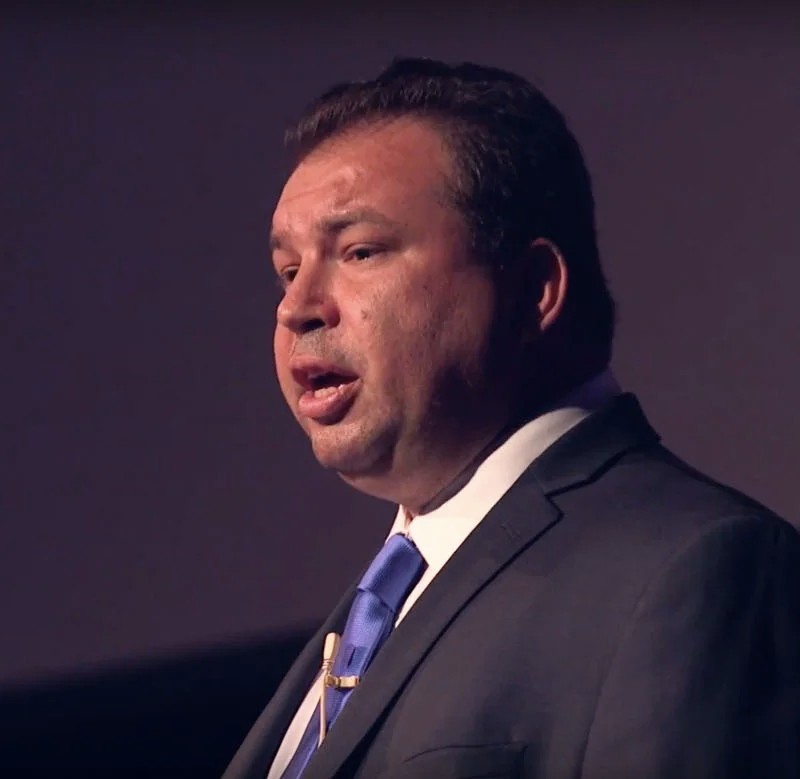
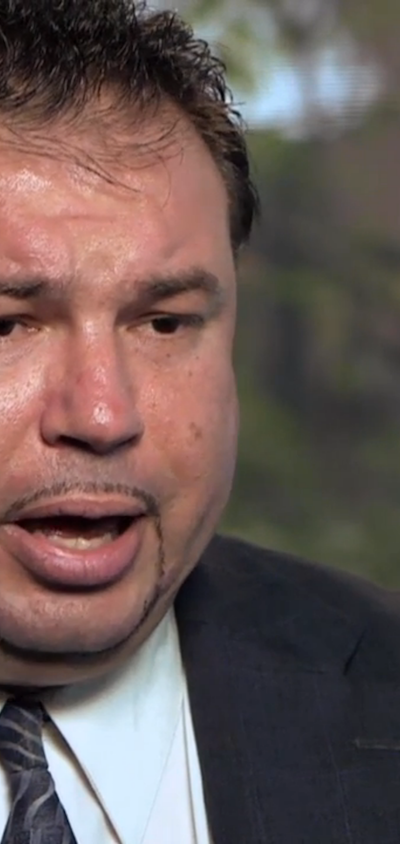
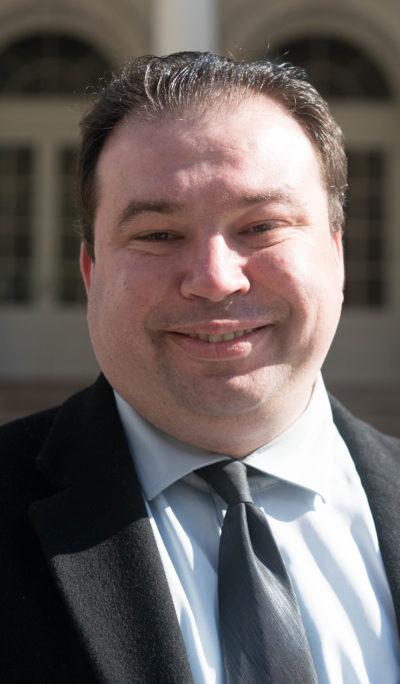
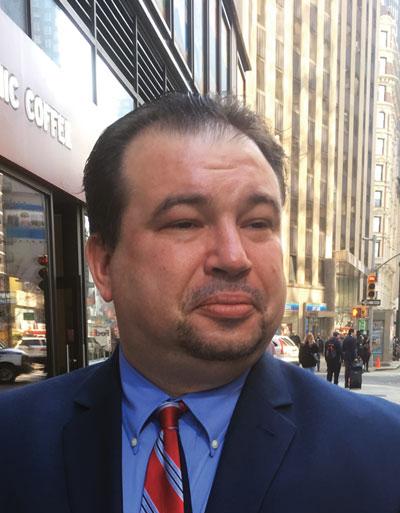
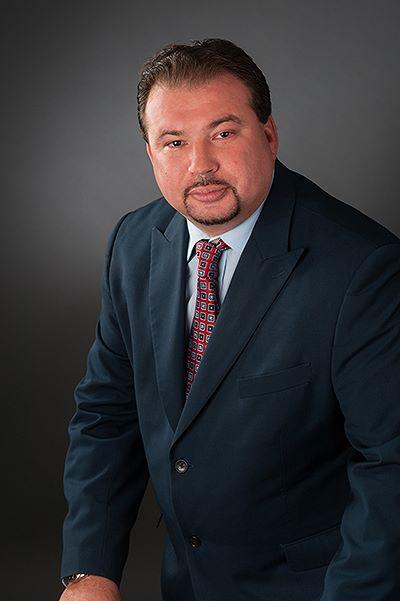
Jeffrey Deskovic is a wrongful conviction expert, attorney, speaker, exoneree, and founder of The Jeffrey Deskovic Foundation for Justice, where he works to free innocent people and change the laws that allow wrongful convictions to happen in the first place.
His mission is rooted in lived experience. Arrested as a teenager and wrongfully convicted at 17, Jeffrey spent 16 years in prison for a murder and rape he did not commit. He was finally exonerated in 2006 through DNA testing, after the actual perpetrator was identified. Rather than allowing that injustice to define the rest of his life, Jeffrey used his compensation, education, and hard-earned insight to build a foundation dedicated to exoneration, policy reform, and public education.
Since his release, Jeffrey has become one of the most credible voices in the wrongful conviction space. He earned a master’s degree in criminal justice, completed law school, was admitted to the New York State Bar in 2020, and now practices criminal defense while continuing to lead his foundation’s casework and reform efforts. His organization has helped free 15 people and supported nine legislative reforms designed to prevent future wrongful convictions.
Jeffrey’s work and story have also been featured on screen. He is the subject of the award-winning documentary short Conviction, available on Amazon Prime, which focuses on his reintegration and advocacy work after exoneration. A larger documentary, 16 Years, expands the lens to include his wrongful conviction case itself and has been shown through private screenings in the U.S. and internationally while seeking wider distribution. Jeffrey has also made significant appearances in five or six additional documentaries, either as an example of wrongful conviction and false confession, or as an expert voice on systemic failures in the justice system.
Beyond film and media, Jeffrey has delivered several hundred presentations nationally and internationally, authored more than 200 articles, taught CLE programs for attorneys and judges, co-taught ethics classes for police cadets, served on criminal justice reform committees, and presented to prosecutors, courts, law enforcement audiences, universities, and advocacy organizations.
What makes Jeffrey especially powerful as a podcast guest is the rare combination of first-person lived experience, legal expertise, legislative knowledge, and practical reform work. He can speak not only about what it feels like to lose 16 years to a wrongful conviction, but also about how false confessions happen, why innocent people are convicted, what reforms are needed, how exoneration work is actually done, and why justice reform should be framed around accuracy, public safety, and accountability rather than politics.
His central message is one of transformation: turning pain into purpose.
The Repeatable Causes of Wrongful Conviction: false confessions, junk science and tunnel vision
Most people think wrongful convictions happen because of one bad mistake, one bad officer, or one unlucky case, but Jeff Deskovic shows that they usually come from repeatable failures inside the…
How False Confessions Happen and How to Stop Them: What 16 years in prison and 15 exonerations taught a wrongful conviction attorney
At 17, Jeff Deskovic confessed to a murder and rape he did not commit, and spent the next 16 years in prison for it. DNA testing cleared him in 2006, and instead of stopping at exoneration he earned…
Sixteen Years Wrongfully Convicted: choosing reform work over bitterness after exoneration
Most people hear Jeffrey Deskovic’s story and expect rage to be the defining emotion: a teenager wrongfully convicted of murder and rape, 16 years stolen, and an exoneration that came only after DNA…
Restorative Justice and Wrongful Conviction: repairing harm when the system causes it
Restorative justice is often discussed through the lens of offender accountability, but wrongful conviction forces a harder question: what happens when the justice system itself becomes the source of…
4+ podcast & stage appearances. Remote or in studio, broadcast-grade audio.