Ecommerce
How to Rank on Amazon by Putting the Customer First
Chris Turton explains why Amazon rankings follow the customer, and which listing factors matter most for sellers who want to climb.
How To Rank On Amazon - Amazon SEO Listing Hacks And Tips
Video from Ecommerce Intelligence.
Generated from the canonical interview transcript and validated against source data by Guests on Air.
How do you rank a product on Amazon?
Rank on Amazon by serving the customer rather than chasing the algorithm. Start with a competitive price and the Prime badge, then add strong images and genuine reviews before polishing titles and bullet points. Protect account health, use sponsored products to start sales, watch conversion rate and never let the listing go out of stock.
Sellers who want to rank on Amazon often chase the algorithm, trading tips about hidden ranking factors and keyword tricks. Chris Turton, an Amazon consultant who presents the Ecommerce Intelligence channel, argues for a different starting point. In this solo video, recorded in December 2019, the advice to sellers is to stop thinking about the algorithm and think about the customer instead.
The case is simple. Amazon rewards listings that convert, so the factors that win a sale are the same factors that lift a listing. Price, the Prime badge, images and reviews come first in this order of importance, ahead of the titles and bullet points that many sellers spend most of their time polishing.
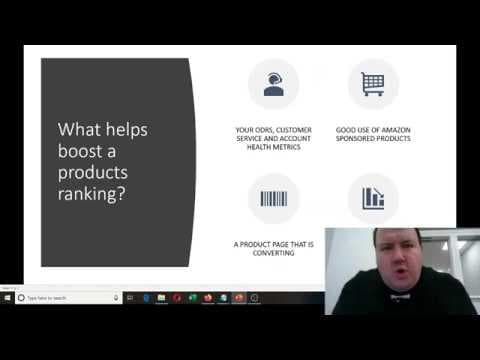
Behind the page, account health, sponsored product campaigns, conversion rate and stock levels decide whether those gains last. The guide below follows the same order, from the factors a shopper sees first to the ones that work out of sight, with practical details a seller can act on for each one.
Key takeaways
- Rank on Amazon by serving the customer, not by chasing the algorithm or ranking hacks.
- Price, Prime, images and reviews matter more than titles and bullet points, in Chris Turton's experience.
- Strong conversion rates drive rankings, so every listing element should help shoppers decide to buy.
- Protect account health, use sponsored products to start sales and never let a listing go out of stock.
1. Win the customer before the algorithm
Chris Turton opens with a challenge to sellers who have read every post about Amazon's ranking system. The way to rank on Amazon, in this view, is to focus purely on the customer. That starts with price. A premium brand that shoppers do not yet know will not sell at a premium price, and a listing that does not sell will not develop or rank.
So the first move is to be competitive in the market, even if that means starting small and accepting low margins at first. Early sales get the ball rolling. They bring in reviews, build sales history and give the listing a chance to climb. Holding out for a high price before anyone knows the brand can leave a product stuck with no sales and no rank.
The Prime badge comes next. Chris Turton describes three ways to get it: selling to Amazon as a vendor, using Fulfilment by Amazon, or qualifying for Seller Fulfilled Prime. Most Amazon shoppers now hold Prime accounts and look for next day delivery. Chris Turton has seen clients gain twenty to fifty percent more sales after earning the badge, which makes Prime one of the strongest factors.
2. Build a listing that converts
Images speak first. Chris Turton recommends high quality photos on a clean white background, with no stray hands or clutter and the product filling about 85 percent of the frame. Sellers can use up to seven images, and leaving slots empty wastes free space. Images of at least 1,000 by 1,000 pixels let shoppers zoom in, which helps conversion and is believed to count toward rank as well.
Reviews come next. Products with reviews sell more, in organic results and in sponsored product listings alike. Amazon has made reviews harder to collect, and in December 2019 even the best feedback systems were getting about eight reviews per hundred orders. Paid routes such as the Vine programme exist but are expensive, and any shortcut outside Amazon's terms risks removed listings or a suspended account.
Only then do titles and bullet points take over. Content still matters, and it should rest on keyword research from several tools so the listing names the product the way shoppers search for it. A brand selling earbuds should also say earphones or headphones. Bullet points should give dimensions and plain product facts while staying keyword driven, so they convert shoppers and help the listing get found.
3. Keep the ranking once it starts
Lower on the page, A+ content and descriptions matter less, because shoppers on mobile rarely scroll that far. A+ content is open to brand registered sellers and adds images, video and logos that make a brand stand out. The backend search terms box is more useful than many sellers realise. It can hold relevant terms, such as other sizes of the same product, that do not belong in the visible listing.
Behind the scenes, account health shapes rank. Order defect rate, cancellations and late deliveries feed the metrics that decide whether a seller wins the Buy Box. Sponsored products help a new listing that cannot rank on its own yet. An automatic campaign gets the product moving slowly, bringing sales and reviews, as long as the seller first checks the advertising cost of sale against the margin.
All of this feeds conversion rate, the share of shoppers who view a page and then buy. Better conversion lifts rank, which brings more views and more sales. The last rule is the bluntest: do not go out of stock. A listing that runs dry for long loses its rank, and Chris Turton warns that running out of stock kills conversion rates along with everything else.