Career & Leadership
How Michele Mattiuzzi balances leadership and acting careers
Practical advice on planning backwards, financial stability and leveraging operational experience for creative success.
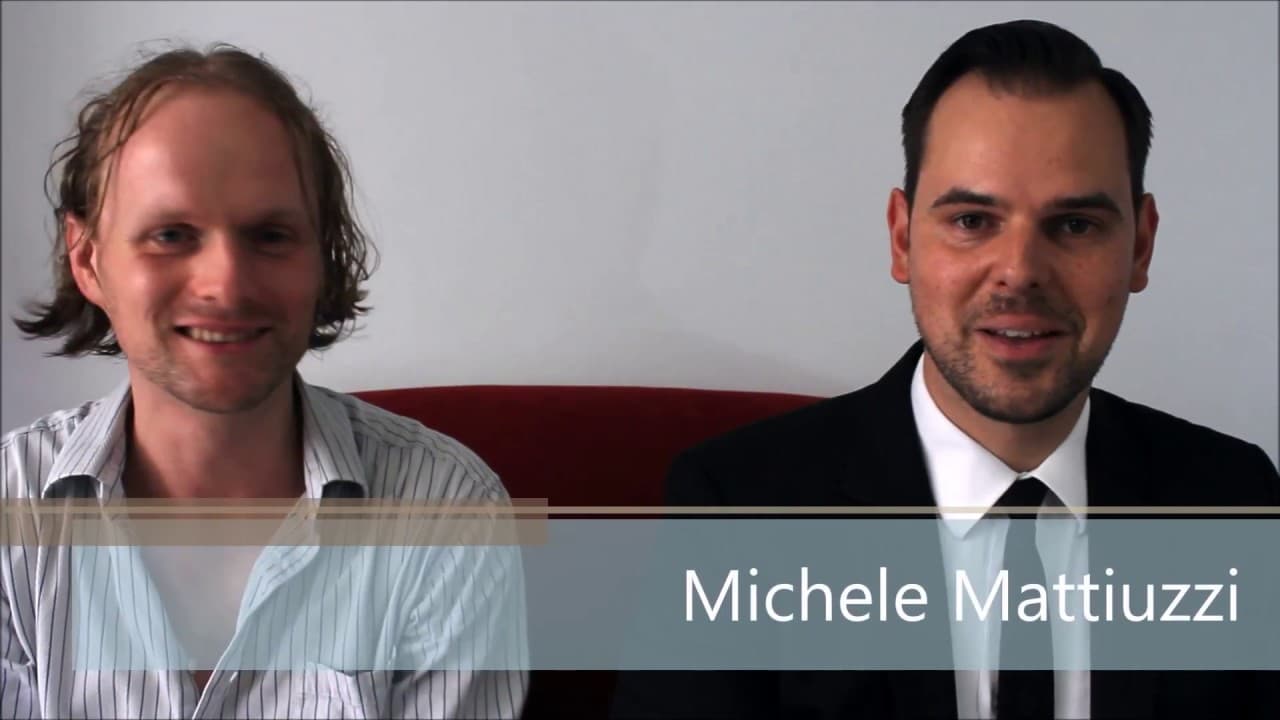
Success in the Arts - Interview 6: Michele Mattiuzzi
Video from Pete Malicki.
Generated from the canonical interview transcript and validated against source data by Guests on Air.
How does Michele Mattiuzzi combine corporate leadership with acting, and what practical advice does he give aspiring artists?
Michele Mattiuzzi treats both careers as disciplines: he plans backwards from goals, keeps financial stability through paid work, uses rehearsal and presentation training, and leverages operational experience for composure. His central advice is to secure other life areas so you can pursue creative work sustainably and focus fully on craft.
Michele Mattiuzzi splits his time between two demanding stages: a corporate leadership role at Harvey Norman and recurring acting work on television. In a wide-ranging chat he describes how disciplines from tactical operations and business strategy translate directly to set performance and career planning. His practical approach reframes ambition as deliberate decisions rather than theatrical suffering.
Michele Mattiuzzi explains that many techniques overlap: clear communication, relationship management and rehearsal routines help whether he is coordinating sales teams or hitting a camera mark. He describes how reliability, punctuality and leaning on past operational experience have made him credible both in boardrooms and on soap sets, and how a steady foundation supports creative risk-taking.
In the interview he rejects the romanticised image of the struggling artist and offers practical career advice: secure your finances, keep dependable work, and build skills while auditioning. That framework reframes creative careers as cumulative choices. He insists that stability in money and relationships makes better art possible because it frees attention for disciplined practice and ambitious goal-setting.
Key takeaways
- Transferable skills matter: communication, rehearsal and reliability improve outcomes in both corporate leadership and acting careers.
- Plan backwards from your goals and use small, consistent steps to build toward larger career ambitions.
- Financial stability and dependable work give you freedom to audition, rehearse and take creative risks.
- Experience under pressure, like tactical operations, creates credibility and calm that translates to performance on set.
1. Balancing Two Careers
Michele describes the practical advantages of combining a corporate role with regular acting work, noting proximity and routine ease. His office sits within walking distance of a long-running television studio, which removes logistical friction and allows him to move between a strategic business manager role and set rehearsals without long commutes. That physical closeness reduces scheduling stress and makes dual commitments sustainable for professionals with rigorous daytime responsibilities.
He draws parallels between the demands of leadership and acting: both require clear goals, rehearsed responses and strong relationships. In business he negotiates with vendors and aligns teams around strategy; on set he aligns with directors and cast to achieve a scene. Rehearsal habits and presentation training sharpen both roles. Over time those behaviors compound, creating public reliability that producers and corporate partners learn to trust.
He credits operational experience from earlier service for the authenticity he brings to police roles and for composure under deadline. That background, he says, supplies muscle memory for discipline: showing up on time, knowing your lines and following direction. Employers in both domains reward that dependability. For aspiring performers he argues that competence built through other careers can actually accelerate artistic opportunity rather than distract from it.
2. Strategy and Career Design
He explains a strategic method: pick the end you want, then reverse-engineer steps to get there. That disciplined, backward-planning approach helps him choose roles and business priorities that compound over time. Play to strengths first, he advises, then expand. By mapping milestones and smaller rehearsals or sales goals, you create a reliable trajectory where each decision intentionally builds toward a larger career outcome and momentum.
He pushes back against the struggling-artist trope and urges artists to secure other areas of life first. Maintain paid work, he says, so you can attend auditions without financial desperation. This creates emotional bandwidth to focus on craft and relationships. Far from selling out, building stability is tactical: it enables auditions, classes and selective risk, increasing the chances of sustainable creative success and personal wellbeing.
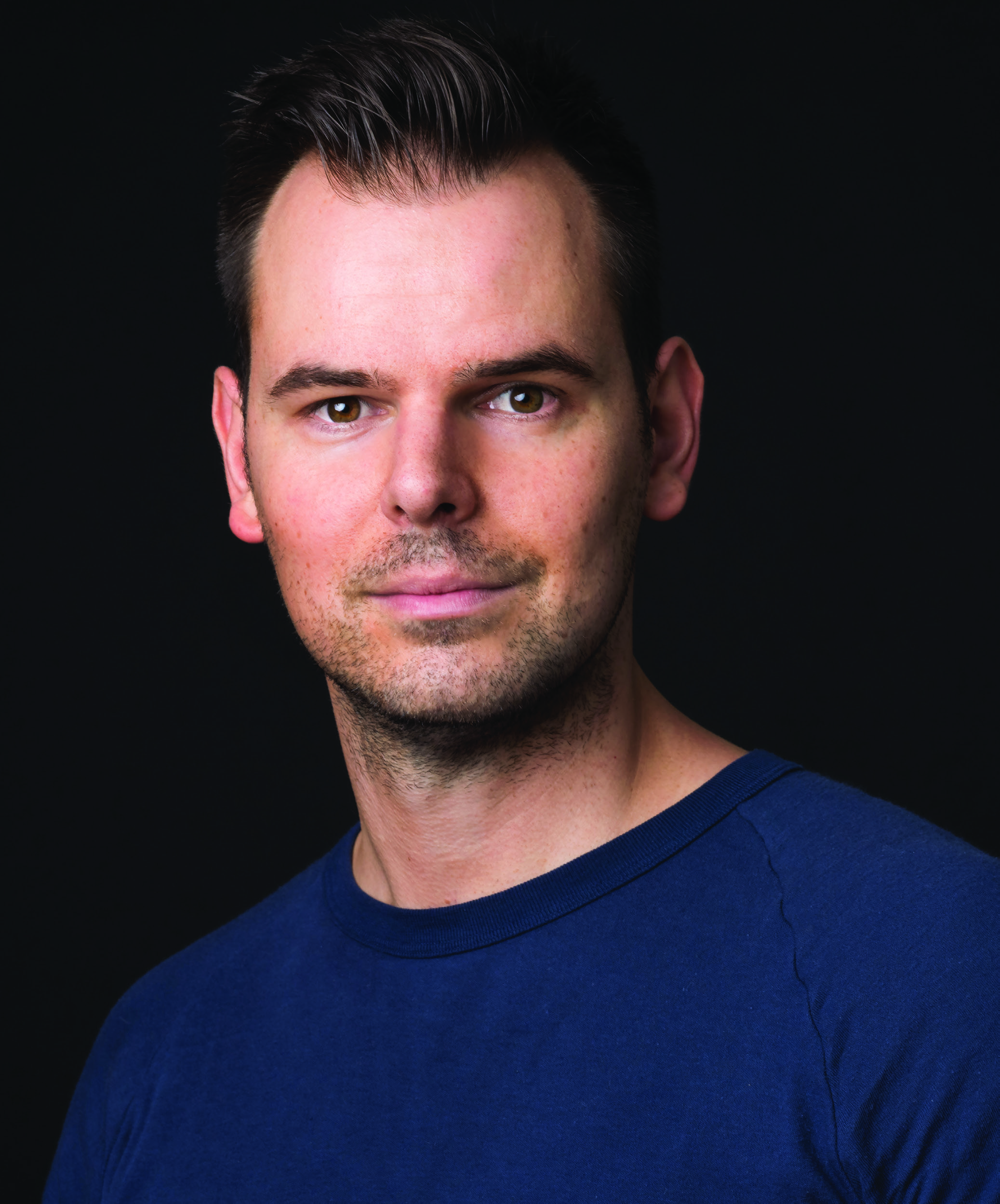
He also notes that acting classes and camera work have practical spillover into business settings. Voice training and on-camera practice build clarity and presence that improve sales pitches, conference talks, and stakeholder briefings. Those performance techniques create confidence under observation, reducing anxiety when attention is high. The result is not theatricality but a trained, accessible presentation style that supports leadership credibility across audiences and teams.
3. Advice for Aspiring Artists
His single piece of career advice is simple and concrete: sort your life so art has space to flourish. That means getting your finances in order and not declining stable, well-paid work merely for the myth of struggle. By securing relationships, money and time, you arrive at auditions and creative work from a place of strength rather than exhaustion, which improves both performance and decision-making.
Look ahead: play initially to the roles your background naturally supports, then widen your range once momentum builds. Michele used his tactical and law-enforcement experience to inform authentic police characters, and he expects to explore comedic roles later. That staged expansion reduces risk, lets you deepen craft in familiar territory first, and ensures you take new artistic risks from a platform of proven credibility steadily.
Ultimately he frames creative work as a vocation to be managed like any career: set goals, rehearse, measure progress and protect your base. Treat setbacks as data not identity. When pressure arrives, prior preparation determines outcomes, whether in a counter-terrorism unit or a corporate rollout. That mindset helps artists make fewer reactive choices and more consistent progress toward meaningful, sustainable creative lives and long-term satisfaction.