Criminal Justice
How Detectives Won a 16-Year-Old's Trust Before Charging Him
On the Danny Jones podcast, Jeff Deskovic explains how six weeks of friendly police contact turned a lonely teenager's trust into the case against him.
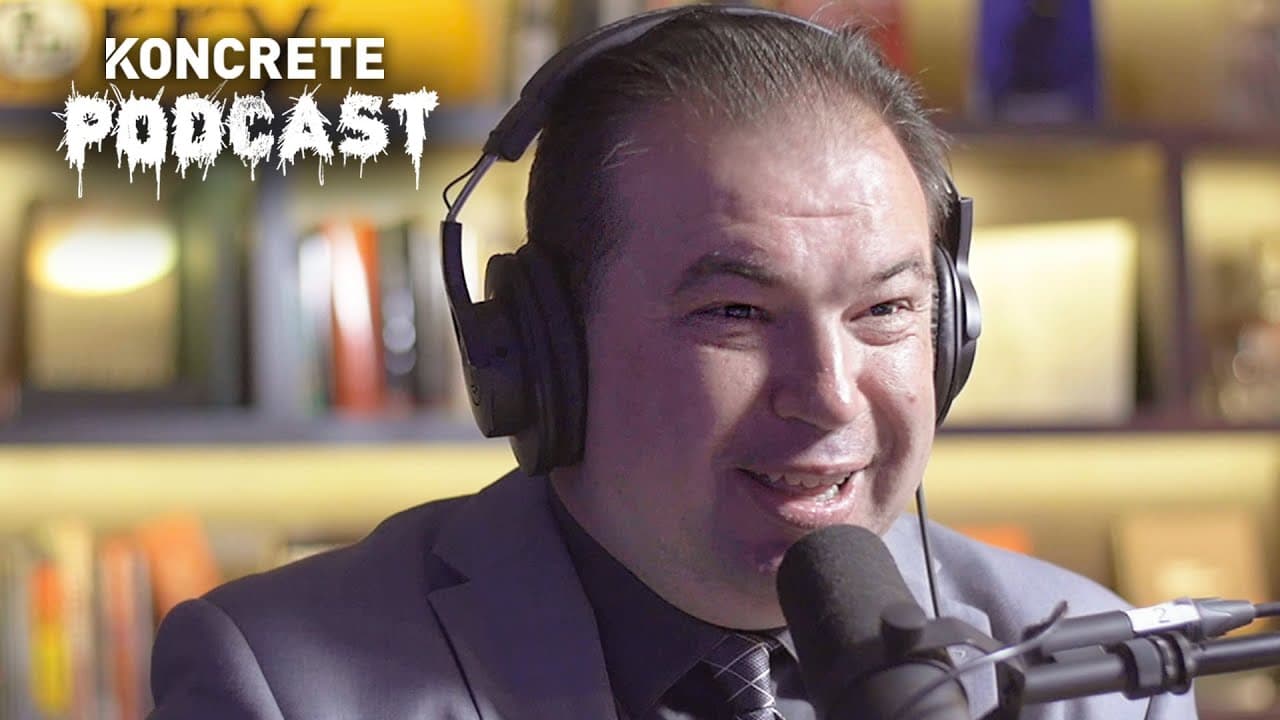
How I was Wrongfully Convicted of Rape & Murder | Jeffrey Deskovic
Video from Danny Jones.
Generated from the canonical interview transcript and validated against source data by Guests on Air.
How did police win Jeff Deskovic's trust before charging him as a teenager?
Jeff Deskovic says detectives spent about six weeks treating him as a helper on the case, asking his opinions, praising his answers and letting one officer play his friend. As a 16-year-old who had once wanted to be a cop and had no father in his life, he trusted them, and that trust carried him into the interrogation that ended in his arrest.
Jeff Deskovic was 16 when police in Peekskill, New York, began questioning him about the murder of a 15-year-old classmate he barely knew. He was later convicted, spent 16 years in prison and was exonerated when further DNA testing identified the actual perpetrator. Today he is an attorney whose foundation works to free people who were wrongfully convicted.
Speaking with Danny Jones, he does not begin with the interrogation room. He begins weeks earlier, with the reasons he landed on the police radar at all and with the friendly, flattering contact that followed. His account shows how trust, rather than force, did much of the work long before anyone told him he was being charged.
This article follows that earlier stretch: why a quiet teenager fit the profile, how detectives cast him as their junior helper, and what his age meant for the rights he waived. It is a story about how ordinary instincts, such as wanting to help and wanting to be liked, can be turned against a young person.
Key takeaways
- Jeff Deskovic became a suspect partly because he did not fit in at school and cried openly after a classmate's death.
- Detectives treated him as a junior helper, asking his opinions and praising his answers to build his trust over six weeks.
- One officer played his friend, and the fatherless teenager came to see that officer as a positive adult male role model.
- At 16 he could waive his rights and talk to police without a parent, and his family did not know where he was.
1. Why a quiet teenager fit the profile
Jeff Deskovic describes himself as a sensitive, quiet student who never quite settled in at high school. He had skipped a grade, was picked on, and kept to himself in class, even though he had plenty of friends in his neighborhood after school. When police interviewed students about the murder, some of them pointed officers toward him because he did not fit in.
His grief raised more suspicion. The killing shook the whole city, free mental health services were offered to anyone who wanted them, and many people cried and attended the wakes. Yet the detectives read his tears as a warning sign rather than the same grief that everyone around him was feeling, and they kept him in their sights.

A third factor sealed his place on the list. The local department, with little experience of murder cases, asked the New York Police Department for a psychological profile of the likely killer. It described someone who probably knew the victim, a loner, most likely a student at the high school. He says he had the misfortune of matching it.
2. How detectives cast him as their junior helper
For roughly six weeks, Jeff Deskovic says, the police played a cat and mouse game with him. Half the time they spoke to him like a suspect. When they pushed too hard and he wanted to get away from them, they switched tactics and treated him as a junior detective who was helping them solve the case.
The approach worked because of who he was. Before his teenage years he had dreamed of becoming a police officer, and he grew up seeing cops as the good guys. Detectives told him other students would talk to him more freely than to them, asked for his opinions on the case, and congratulated him when those opinions were correct.
One detective took the role of his friend while another played the bad cop. He never knew his father, whom he met for the first time at 33, and he says he came to see the friendly officer as a positive adult male role model in place of a father. That trust is exactly what the later interrogation would exploit.
3. What his age meant for the rights he waived
His mother did not want him talking to the police, but he kept meeting them without telling her. He describes the ordinary push for independence of a 16-year-old who knew he had done nothing wrong and believed the officers genuinely needed his help to solve the crime.
At 16, he explains, he was old enough to waive his rights and speak to police without a parent's permission. Officers read him his rights from time to time, but he did not understand them. Hearing that his words could be used in a court of law, he thought of a civil court and assumed none of it applied to him.
On the day of the polygraph he went to the police station instead of school, so his mother and grandmother believed he was in class. Officers then drove him 40 minutes away to another county, leaving him dependent on them, with no one else aware of where he was. The friendly weeks had set the stage for everything that followed.