Retirement planning
Chris Maduri on why retirement planning has to include your marriage
Retirement planner Chris Maduri explains why couples should talk through time, health, care and purpose long before the last paycheck arrives.
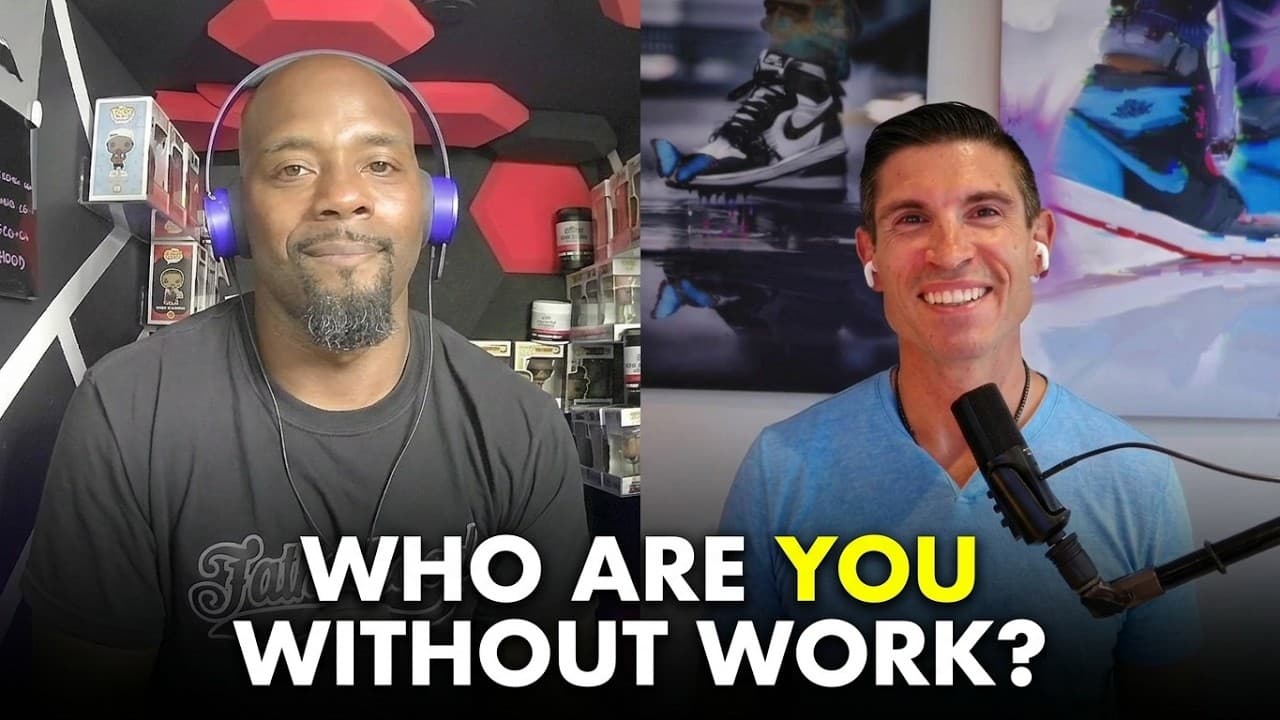
What Are You Retiring To? Money, Marriage, and Purpose After Work | Chris Maduri
Video from Potential Performance.
Generated from the canonical interview transcript and validated against source data by Guests on Air.
How should couples prepare their marriage for retirement?
Couples should talk before retirement about how each of them wants to spend their time and money, because work often hides how different those visions are. Chris Maduri adds that the plan should cover health and caregiving, protect the first years of income, and answer a shared question: what are we retiring to, not only what are we retiring with?
Most retirement conversations start with a number. Chris Maduri, a retirement planner who has spent nearly two decades helping people prepare for life after work, believes the harder questions sit elsewhere. What happens to a couple's routine, identity, health and marriage once the career ends and the days are suddenly shared from morning to night?
Speaking on a fatherhood podcast, Chris Maduri described retirement as a lifestyle decision as much as a financial one. Income has to be planned and protected, he said, but so does the time that work used to fill. Without that second plan, the freedom people wait their whole lives for can feel empty instead of earned.
His view is that couples need to talk about these questions early, while work and children still keep them busy. The conversation covers how each partner pictures the years ahead, what happens if one of them needs care, and how both can step into the next chapter with purpose rather than drift into it.
Key takeaways
- Work can hide how differently two partners picture retirement, so talk about time and money before the career ends.
- When one spouse gets sick, the other usually becomes the caregiver, which makes long-term care part of the plan.
- Protecting income in the five years before and after retirement gives couples room to weather market shocks.
- The key question is what you are retiring to, because identity and purpose often came from work.
1. Work can mask how differently two people picture retirement
Chris Maduri sees a common pattern in couples nearing retirement. For decades, careers and children set the rhythm of the household, and partners can spend years passing like ships in the night. Once the job stops, the two people spend far more time together, and differences that were easy to ignore become daily facts. Some couples discover they imagined very different years ahead.
He pointed to the rise of what is often called gray divorce, where couples reach retirement age and decide they are heading in very different directions. In many cases, he said, they had been in different places for a long time, but work masked it. Retirement simply removes the cover that busy calendars used to provide.
His answer is good conversation, compromise and communication before the last day of work. Each partner should say how they want to spend their time and money. Where they disagree, Chris Maduri suggests that at a minimum neither should stop the other from living out their own dreams, and that support can matter as much as agreement.

2. Health and caregiving belong in the plan
Health is the other hard conversation Chris Maduri asks couples to have. People's health changes at different times, and when one partner gets sick, the other usually becomes the caretaker. He urged couples to be honest about existing health issues and to ask what early onset dementia or a long illness would mean for the household.
Families are also more spread out than they used to be. Adult children often live far away, and people are having children later, so many find themselves caring for a parent and a child at the same time. That makes it risky to assume relatives will step in, and it raises the question of whether to set money aside for care while still working.
Chris Maduri described a protracted long-term care event as one of the biggest reasons retirees run out of money, because care costs can drain savings faster than the rest can grow. Hope, he said, is not a good strategy. Making commitments in the last five to ten years of work, before insurers stop offering much leverage, keeps more options open.
3. Answer what you are retiring to, together
The question Chris Maduri returns to most is what people are retiring to. So much of life, purpose and identity comes from work that retirement can strip it away overnight. He gave the example of a man known for thirty years as Chris the fireman, who suddenly does not know who Chris is or how he likes to spend his time.
Rather than flipping a switch, he favours trying retirement on gradually. Cutting back from five days a week, dialling work down a little at a time, lets people find out what they enjoy while they are still earning. It also gives couples a chance to rediscover each other while they are young and healthy enough to travel and explore together.
On the financial side, he wants income locked in and guaranteed so the bills are covered whatever the markets do, especially across the five years before and after retirement. On the personal side, he recommends small, steady choices about health, emotional wellbeing and faith. Over a few years, those choices add up to a very different version of the person who retires.