Relationships
Anne Paphitis on Dating Again With Confidence After a Toxic Relationship
Resilience coach Anne Paphitis explains why toxic relationships leave people doubting their own judgment, and how a clear list of needs, low-stakes dates and honest talk about triggers rebuild trust.
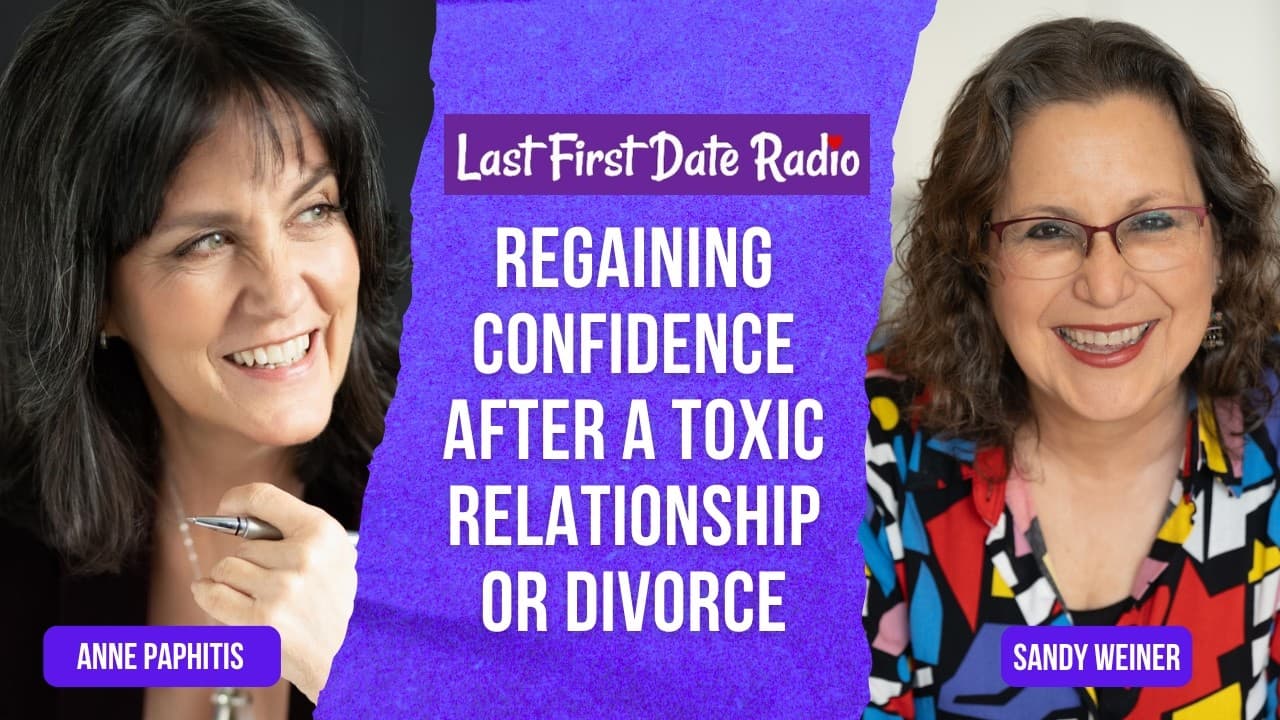
Regaining Confidence After a Toxic Relationship or Divorce
Video from Last First Date.
Generated from the canonical interview transcript and validated against source data by Guests on Air.
How can someone rebuild confidence to date again after a toxic relationship?
Start by separating what is true about yourself from what a controlling partner taught you to believe. Then write down what you want in a partner and what is a firm no, treat early dates as low-stakes experiments, and choose someone willing to talk through the moments when old fear comes back.
Leaving a toxic relationship does not end its effects. Anne Paphitis, a resilience coach who works with people rebuilding their lives after major transitions, says many walk away from a controlling partner with their self-esteem badly damaged and their trust in their own instincts badly shaken.
Speaking on Last First Date Radio, Anne Paphitis described two problems that follow people into dating. They no longer see their own value clearly, and they fear choosing another harmful partner, because they once believed the last one was a good person who loved them.
Anne Paphitis speaks from experience. After more than thirty years with a narcissistic husband and a decade of false starts, Anne is now a year into a supportive relationship at 57. The path there, Anne explains, came from clear standards, lower stakes and honest conversation.
Key takeaways
- Toxic partners distort how you see your own worth, so the first job is sorting true beliefs from planted ones.
- A written list of what you want, what is negotiable and what is a firm no stops you repeating old patterns.
- Treating each first date as a low-stakes experiment reduces fear and makes you more discerning.
- Old triggers will surface in a healthy relationship, and talking them through openly is part of the healing.
1. Why toxic relationships break trust in your own judgment
In a narcissistic relationship, Anne Paphitis says, a partner deliberately scrambles your perceptions. Over years, your view of your own judgment, abilities and values gets distorted until you are no longer sure who you are or what you bring to a relationship. Many people only leave once their self-esteem has fallen so low that escape feels urgent.
That damage travels with them. Anne describes a second blow on top of the first: the shock of having committed to someone who turned out to be destructive. If you once believed that person loved you, it becomes hard to trust any future feeling of attraction, and every new date carries the fear of making the same mistake again.
Age adds another layer. Anne notes that people in their twenties often recover from a bad breakup with a sense that time is on their side. Someone leaving a long marriage later in life may also be acutely aware they are no longer young, which feeds the belief that it is too late, they are broken, or nobody will want them.
2. Get clear on what you want before you date
The first step, according to Anne Paphitis, is inner work: be really clear with the things that you perceive about yourself that are not true. For Anne, that meant accepting that the perfect person a former partner demanded did not exist, and becoming comfortable with simply being a good, valuable and ordinary human being.
The second step is practical. Anne sat down and drew up a detailed picture of a future partner: what would be highly desirable, where there was room to move and what would be completely unacceptable. Without that clarity, Anne says, people keep dating carbon copies of the person they left, often from a panicked fear of never meeting anyone.

Clarity also means looking underneath each item. A love of reading mattered to Anne, but the real need was a partner who accepted time spent reading. Differences in politics or religion need not end things; what counts is whether the other person respects your views or insists theirs is the only view in the room.
3. Lower the stakes and talk through the fear
Fear does not disappear before you are ready to date, Anne Paphitis admits. Stepping out is a little like jumping off a high board: you put the fear in your pocket and go. What helped most was changing the question from whether this date will save you from being alone to simply seeing what a person is like.
Anne found that turning dates into low-stakes activities removed the pressure to impress or make things work. Worst case, it was a coffee or a night out. That freedom made it easier to notice the real chemistry, and how Anne felt and behaved in the other person’s company, instead of performing for a result.
Inside the new relationship, old triggers still appear. Anne and the new partner have agreed to name the moment something sparks a run-for-the-hills reaction and unpack it together. Usually the cause is a misunderstanding or a projection of past hurt. Thirty years of damage takes time to unwind, so patience and honest conversation are part of the healing.