
21 November 2026
Conversation #43-Garth Delikan | When the Career and Marriage You Spent 25 Years Building Disappears
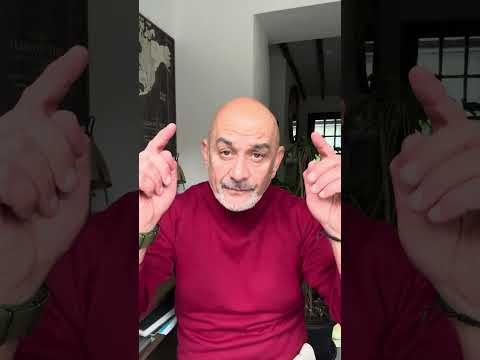
About Garth Delikan
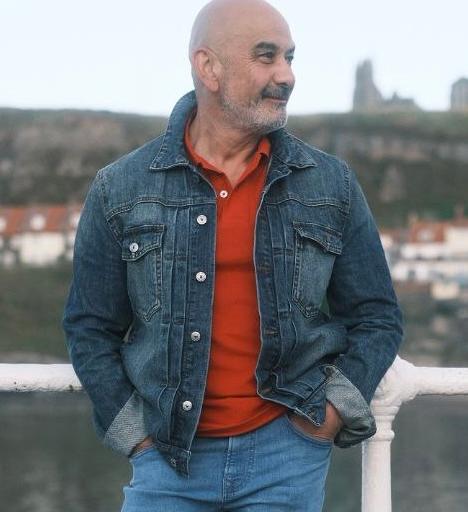
Corporate Wellbeing Speaker | Mindset & Lifestyle Coach | Advanced Clinical Hypnotherapist | Author
25 years Leading a London advertising agency before his reinvention6-week series Appeared on BBC TV as a lifestyle expert2 books Published on fitness, mindset and wellbeing4 London districts Client practice across Kensington, Chelsea, Mayfair and Knightsbridge
Garth Delikan is a corporate wellbeing speaker, mindset and lifestyle coach, author and advanced clinical hypnotherapist who helps individuals and organisations unlock greater confidence, resilience, wellbeing and human potential.
With more than 25 years of experience in coaching, corporate training and personal development, Garth has delivered workshops and presentations for major organisations including AstraZeneca, Barclays and News of the World, as well as working with business communities and professional development audiences such as Progressive Property.
His expertise spans employee wellbeing, stress management, confidence building, communication skills, body language, NLP, healthy lifestyle choices and the psychology of personal change.
Garth believes that successful organisations are built on more than targets, processes and performance metrics. They are built on people. When employees feel valued, understood and supported, organisations have a greater opportunity to develop stronger relationships, healthier cultures and more engaged teams.
Through his corporate workshops and speaking engagements, Garth helps businesses understand the connection between mental wellbeing, communication, motivation and workplace performance. His interactive, practical approach gives employees and managers tools they can apply immediately, whether that means managing stress, communicating more effectively, developing confidence or making healthier lifestyle choices.
But Garth's understanding of transformation comes from much more than professional experience.
Transcript
[music] Welcome to another episode of Motivated Masculine Men the podcast. We are here to inspire, educate, and challenge men to embrace healthy masculinity, deepen their relationships, optimize their health, and step boldly into their purpose. As I always do like to say when I remember is if you do get something out of this, please do like and share. It helps the algorithm get it out to more people and that's our purpose here is to help more men and guide more men. And if you think of one person during this or if you think of multiple people as well, please share it with them. You don't have…
Read the full transcriptHide the transcript
[music]
Welcome to another episode of Motivated Masculine Men the podcast. We are here to inspire, educate, and challenge men to embrace healthy masculinity, deepen their relationships, optimize their health, and step boldly into their purpose. As I always do like to say when I remember is if you do get something out of this, please do like and share. It helps the algorithm get it out to more people and that's our purpose here is to help more men and guide more men. And if you think of one person during this or if you think of multiple people as well, please share it with them. You don't have to tell them anything else. Just say, "Hey, I thought about you while I was listening or watching this and think it you know might be good for you." No forcing it on people, please.
You know, we do enough of that [ __ ] So, without further ado, we have a guest Garth on today. I'm going to start us out with this statement. What happens when the career you spent 25 years building disappears? Your marriage ends. And the life you thought you knew is gone. How do you work out who you are when everything that defined you has been stripped away? Now, I've experienced this being ex-law enforcement, losing my complete identity and everything. So, Garth, I've got an opening question for you. I'm going to do this a little bit different today. I have an opening question for you. So, Garth, you spent decades building a successful career. But when you experienced the breakdown of your business and marriage when those parts of your life fell apart, what did you discover about yourself that you might never have confronted otherwise?
That's a really good question, actually. Very, very deep. Um I discovered an inner strength and resolution I never knew I had in me. I knew I was always focused. I always knew I had a good strength of character. You know, just referring back to your sword, I've always been into um Japanese culture. I've been up I love the the way the warrior, you know, the particularly the the Bushido code about honor, integrity, hard work, discipline, consistency, all that kind of stuff. So, I think unconsciously I've always had that in the back of my mind. And my value I never value I will I will never compromise my values ever. And one of the reasons that I did Well, things happened.
The company I the business I worked for um I had I had my business with another agency, advertising agency. And because I wasn't willing to compromise my values, they basically shafted the hell out of me. And I I literally believed their lies for a year. And they demoted me on the pretense of they just wanted to know more about our business, so they were bringing one of their directors in. Um and I just believed their lies for a year. Uh bef- And it damaged me a lot. But then I just thought, "No, I've got to get out of this." You know, I I had a wife, I had two small children at the time. I had a huge mortgage.
And you live in that place of fear, uh Chris, you know, because you you have this you know, it was fear fueled by responsibility. Not fear fueled by life or what was happening, but by responsibility. And how do I look after my family? How do I pay my mortgage? How do I keep this roof over my head? So, I I you know, it it was a case of not being able to roll over and die. I I didn't have the luxury to do that. Um you know, I wanted to. Uh especially when everything did finally crush me, cuz I I left that business, took some time out for myself, and then I set up my own business in London's Carnaby Street.
Set it up with a financial director who was supposedly a friend of mine. And um within 2 years of running the business, I just knew things weren't working out. This guy went away on 6-week honeymoon, and he was a nightmare to work with. He really really was. He would never turn up for weekly meetings. And he was the guy who knew all the figures. You know, I was the managing director, he was the financial director. So, I never knew from one day to the next where I was. And then he went away on a 6-week honeymoon, and in that period, two weeks time, I kept getting all these calls. Oh Garth, when are you paying this invoice?
Hey Garth, when are we going to get this check? I said, well, hang on, I signed that off. Three weeks, you should have had that by now. Got a friend of mine in uh who's an insolvency practitioner, spent the day in the business, and he's sorry, I'm skirting around your question a little bit, but I
Yeah. Yeah. Yeah. Yeah, no. It's all right.
Yeah. Yeah, no, it's all right. A little bit of background here. And this is the thing though, is so many guys have gone through a version of this. I mean, I see myself in this story already as well. So, and in a different way.
[laughter]
So, so he went away. My friend spent the day in the business, came up to my office on the top floor, he says, mate, you better sit down. I said, oh, get out of it. I said, you are winding me up, aren't you? He goes, no, he said, I'm not winding you up, cuz I know we've been mates for a long time, but this is serious. He goes, Piers has not only not only paid tax and national insurance for you, or your 15 employees, for you for the last 2 years, he's not paid it for his 15 employees, either. If you don't close today, you could go to jail. And I would the words just came I thought, this can't be real.
So, I then rang up my then wife, I'd been married for 25 years at the time, and told her. And you know what she said to me? Sorry, it's not the best timing in the world, but I've not been in love for the last year. I I'm I don't want to be married anymore. Don't come home tonight, please. The door will be locked. So, you know, I don't know if you can swear on here, but the the F word came out.
Yeah, we can we we we can swear. We can definitely swear. That's pretty [ __ ] up.
I said, you are [ __ ] kidding me. You what You are winding me up, aren't you? She goes, no, she goes, I'm I'm really not. I don't want you to come home. Uh so, this went on for about a week or so, and uh I wasn't going home. I was actually sleeping in my office. Um and I spiraled very quickly into either creative director there, who was really into Charlie, you know, the marching powder. So, I was going out with him every night doing lines of Charlie, drinking vodka martinis like they were going out of fashion. And I was really in a bad place. I I really was. Um Um you know, I was sleeping with women I shouldn't have been.
I was lonely. I was as lonely as hell. My world had been taken away from me. And this woman who I'm I've known since she was 16, I just turned into a complete and utter stranger. She turned into the [ __ ] from hell. Um it was just horrible. It's like a door opened in the back of her head and this complete stranger came out. And I just remember it was 6:00 in the morning. I was asleep in my office. And I thought it was just between me and her, you know, but then it was a call from my mom. And she said, Why did I pick the phone up? He would have gone, "Goff, Goff, we we know about the women.
We know about the drugs. We know about the drink. Your brother and sister are here. Come home. We We love you." And I thought, "How does mom know?"
[laughter]
I just put the phone down. I was like, "Oh my god." Then she kept ringing. I thought, "Well, I can't ignore her." So, she goes, "Come on, love. We're all here. We know what you're going through." So, I literally got my [ __ ] together, got my motorbike, rode over to my mom's. And yeah, I'm sorry. I get I'm going to get a bit teary but I because she she's passed away.
No, I know. But But I'm sorry to hear that she's just passed. It's got to be difficult. It's funny. Sorry, girl. I'm going to interrupt just for a second because you apologize for that you might get teary. How many of us guys do that when we really don't need to?
No. I know. And there's no excuse to it. [laughter]
It's It's It's a It's a It's an upbringing cultural thing that it's guys shouldn't cry. Like I'm going to I'm going to bite that one right now just again because I think it's so important. We have to feel those emotions because otherwise they do bottle up and then you end up down the spiral where you ended up because of emotional side of things. Like not dealing with the emotions. yeah.
It's a bottleneck, isn't it? It's to go somewhere. Got to go somewhere.
And it will come out eventually, and if you hold it in, it comes out when you don't want it to.
No.
[laughter]
Yeah, so anyway, Mom was there, my brother and sister were there. Big hugs, lots of tears. And uh I had to go and live with my mom for a year. As a grown man, I had to go and live with my mom cuz the the [ __ ] just didn't want anything to do with me. I went to see her one day, and I remember my son, he was six at the time, my daughter was five. Amy was hanging on to my legs up, "Please, Daddy, please don't go." And Josh was just stood there trying to be like a real brave, resilient little boy. Ashley just said to me, "You're going now." And and that was it.
Uh anyway, I spent a year at my mom's. And I fell very quickly into clinical depression and general anxiety disorder. I was a broken man, Chris, you know, from being a go-getter, from being bulletproof, from being invulnerable. People would look at me the wrong way, I just wanted to cry. I couldn't look at them. So, my mom made me go to the doctors after about a year, and uh cuz I was staying in bed till 1:00 or 2:00 in the afternoon, getting up, then falling asleep in the chair again till 6:00 or 7:00. I might have a bite to eat if I felt like it, then I'd fall asleep again. So, I knew something was wrong as well, you know, there's
You know it You know deep down inside, you don't want to admit it, but you know deep down inside.
And I just didn't know how to address it. I didn't know what to do, I honestly didn't. And I will get to your question in a second. Um I went to the doctors, and as as any doctor in the Western world, prescribed me hundreds and hundreds of tablets.
Mhm.
So, yeah, tablets for anxiety.
Never Never get to the bottom Never get to the bottom of the actual problem, but you mask it with everything else.
So, this was on a Wednesday. Took Went home with the tablets, didn't take them. I remember on the Thursday, I thought, "I'm I'm not going to be a junkie. You know, I've been doing drugs for the last 6 months, I've been drinking, which is unlike me anyway. I'm not going to I'm not going to take these tablets." And I flushed them down the toilet. And for some reason I had a eureka moment. Uh and this is where the strength thing came in cuz mom said, "Oh, what are you going to do? Love, the doctor said you must have tablets." I said, "I'm not having tablets, mom. I said I've come up with a plan. I think I'm going to become a kickboxing instructor." Cuz I've always been into weight training.
I've always been into kickboxing. And you know, somebody gifted me Arnold Schwarzenegger's book Education of a Bodybuilder when I was 17. And that was the book that changed my life. Absolutely changed my life completely. Um so, I went to this gym in London on a Friday and I said, "Look, I've got this great system. I've got some funky I've some funky moves. I'll do to great music." They said, "Great. We'll give you two classes a week starting from Monday." So, I went away crapping myself. I didn't have a system. I didn't have any music. It was just me It was just me going, "Fuck you, world. I'm going to come back fighting." But it was you know, it was what I needed.
It was a catalyst I needed because that strength of character, that go-getter, that Garth I can do anything was coming out of me. I was picking music. I was getting all my moves together. Um it was fabulous, honestly, because from that place of darkness, of complete blackness, where the walls were so steep, they were so dark, there was no light in my world. All of a sudden I had purpose.
Mhm.
And it's like this trap door opened and I fell into the light. It was like, "Why the [ __ ] did I not do this 10 years ago or even 20 years ago?" Did my first class. I was in my element. I stood on one leg chucking out 50 roundhouse kicks and you know, doing a whole lot
Chuck Norris Chuck Chuck Norris stuff.
[laughter]
And everybody was loving it, honestly. And within a very short period of time, you know, I had a 30, 40, 50 people in my class. People asked me whether I could do one-to-one with them. And as a kickboxing instructor I could cuz I was qualified. I was a second dan black belt even then. But I couldn't as a PT. So, I decided to go back to college. Uh I went to St. Mary's University in Twickenham. Became a PT. Also got a degree in nutrition. And to this day, Chris, I don't know where this lady come from. She must have been sent from the universe or God because she was a psychotherapist in Kensington to anybody and everybody.
And I'm talking really, really wealthy people. And she had this really thick Hungarian accent and I trained with her for about 8 weeks and she said to me, "Darling, I'll tell you what. I love you so much. You'll fix my body, you go fix my clients' bodies and I fix their brains. You have a deal?" I said, "Deal."
[laughter]
And she literally gifted me this client base across Kensington, Chelsea, Mayfair, Knightsbridge. I was going into millionaires' houses, Ferraris in the drive, Porsches. I was sat on Jasper Conran sofas with gorgeous women and stunning men who were doing great shape, but they were telling me how shitty their lives were and unhappy they were.
It's funny as a PT how how open people get at because I was a personal trainer for a while as well. People just tell you their darkest deepest darkest
darkest secrets. The dirty the dirty laundry comes out. And I just I just thought, "How can this be?" So I found I was giving them, you know, even though I had the experience to give them advice, I didn't feel as though I had the the qualifications. So I again, you know, forever looking for windows of opportunity and I always said to my clients, "If if that window opens, just bloody dive through it. You know, it might never open again. You don't know what to do with this opportunity, just go for it."
Yeah.
Uh so dive through that window and um became a advanced clinical life coach.
Yeah, nice.
Started coaching people. I then set up a lifestyle consultancy in Carnaby Street about a month later cuz an old advertising friend of mine said, "Look, mate." He said, "If you need space, you don't have to pay me rent. I've got an office above the building here." I mean, that guy, Gary, I'll be forever grateful to him. You know, I I was in prime real estate property in Paddington in London. He let me have it for nothing. Can you believe that?
That's crazy.
That is a friend, isn't it?
That is.
So I had a lot of clients coming to me, you know, apart from the kickboxing and the PT, but I kept thinking I'm doing good here, but I don't know what you feel about therapy, Chris, but to me, if you got a significant emotional event in your life or you you've had PTSD of some form, if you keep talking about it, that wound never heals. And I feel as though you're picking away at the scab constantly cuz you're talking about it, you're talking about it.
I mean, it depends on how you I think it depends on how you talk about it, in my personal opinion. And then the the intention and the outcome that you're looking for by talking about it because I would disagree with that. I think that talking about it's great, but if you're talking about it just to [ __ ] about it, then yeah, it's just going to make it worse.
I think talking about it is fine, but what I found with cuz when I had therapy, I did, you know, and they said, "Well, how do you feel about that, golf?" So, they just bounced things back at you.
Oh, yeah, I hate talk therapy. Yeah, talk therapy is you need actions. You need to be told like actually be shown actions and shown how these things are different and shift the language and shift the focus and yeah.
You get me completely and absolutely. So, I didn't want to be a sounding board therapist, basically. So, I read a book on NLP. I thought, "Fuck me, that is good shit."
I love NLP. It is the best [ __ ] ever, man. Like
So, [ __ ] I thought, "I'm going to have some of this." So, what I went to university again, qualified as an as an NLP practitioner, became a master practitioner, also became an advanced clinical hypnotherapist. And all of a sudden, it's like, "Wham!" You know? I don't need to know content. Okay, so, you're in a dark place. Go back to that dark place. Excuse me. You know, while you're here in the present with me, let's sort it out.
Yeah.
Take away all the emotion out of it, come back to now, and walla, they're like, "What the hell was that?"
I love I love those shifting anchor points and doing the doing the um Oh, what was the What's the technique called where you take them back through the timeline? You take them to to the
timeline therapy.
Yeah, the timeline therapy. There's another word that starts with an E as well. There's an acronym for E something. But anyways, yeah, it's like and you take them back. They're in that safe place, but they're observing it and then they also and then you take them back to the moments before and you they're like, "Oh, wait a second. What the truth in my brain that I thought was is not the real truth." and all of a sudden it just releases that emotion. Emotional release technique, that's what it was called. And you just literally that's my favorite one to do on people because it literally It is. It's like It's like a light bulb goes off and they just go, "Oh my god." and their life completely changes forever.
Look at that. In that In that instant. In that instant you do this. And people carry emotional baggage all their life. In that instant it's gone. It's a powerful
I I had it done on me. I used to say that I had anger issues all the time. Like I was like, "I I've got an anger problem, but I deal with it. Like, you know, I know how to cope with it and stuff." I had somebody do it on me for the emotion of anger and went all the way back and it was back in my childhood as you would know and released it. I'm as calm as a cucumber now. Like
isn't it? It's like magic, isn't it? Why do they not teach these things to doctors? You know?
And and when it does come back up, I can relate it back to that incident and go, "Oh, that's actually that that's triggered that that's actually being triggered right now, not what's actually happening." and instantly I can stop it, you know.
That's exactly right. Exactly right. So, I I had a ball with it and I You have to say I had fabulous success with being under statement. It was It was just absolutely unreal. And then one of my clients came to me who were still doing kickboxing with me, but she said to me but she had a few things going on, but managed to sort it out with her, but she said, "Oh, while we're on the subject." she goes, "Can you I I I love doing the kickboxing with you. Can you come and do a talk for my women's group in Canary Wharf on self defense?" I said, "No, Debbie, I won't do a talk on self defense cuz I don't believe in it." She goes, "Well, what do we do?" I said, "Well, we're doing kickboxing." She said, "But I will come and do a talk on personal safety awareness." She goes, "Well, what does What's that about then?" I said, "Well, that's about not getting into that situation in the first place, but if
you do, I will teach you a few funky moves that may just buy you a few seconds to get to safety, nothing more. She goes, "Oh, that sounds great." Delivered the talk. I was talking about confidence at the time as well. And he went down the tree and this woman came up. She goes, "Oh, I'm the HR director for AstraZeneca. I love what you talked about with confidence building. Do you do any workshops on that?" Obviously, I didn't, but window of opportunity.
[laughter]
So, I put one together, delivered it, and it was awesome. Again, and in that talk Excuse [laughter] me. I have a frog in my throat. I was talking about the stress management. Somebody came up from from the News of the World and said, "Can you do a talk on Of course I can."
[laughter]
The funniest thing is though is once you start to do all these different talks, you realize that it's really the same a lot of the similar stuff just packaged in a different with a different ribbon on it. That's literally literally what it is, and it all comes down to that confidence, it comes down to that how you hold yourself, it comes down to how you dealt with your emotions, which I'm sure you were about to go into and I've jumped ahead of you. Um but the NLP stuff links links all of it together like
It completely does, honestly. It's like the magic thread that goes through everything. So, you know, my business grew exponentially then I became a corporate speaker talking on confidence building, body language, lifestyle, nutrition, exercise, well-being, mindset. And to answer your initial question long way around, I found that my my strength my awareness that I developed was my strength of character and the fact that over the years I've been able to build rapport with people without even knowing it. Because when I used to run my own business, people used to say, "You don't have any staffing problems, do you?" I said, "No, well, what Why would I?" You know, because when people used to work late or You know, somebody said to me many years ago, and I think it came from a a Japanese saying which I I can't remember the literal translation, but it was something like, "If you win people's hearts, you win their minds." So, I was always about winning people's hearts.
And even when I ran my business, if the guys used to work late into the night, that weekend, I would say I would one, I would send a bunch of flowers to their wife to to apologize for taking the husband away from them. Uh but then I would say to them, "If you go out to dinner uh next week, it's on me. Give it Give me the bill." And, you know, every Friday we'd sit down and we'd have a we'd have a status meeting. "Any problems, guys?" "No, gov. No." And I said, "Oh, and if there was, we'd just nip it in the bud there and then." So, I've always been a people person. It's always about hearts and minds.
And I just carry that over into my everyday life now, Chris.
Yeah. Now, the it's such a good story. And thank you for going through that journey and taking everybody through that and and taking me through that. I you know, I it's it's so incredible when we look back and we reflect back on what we what we've learned and and and the parts that we've had to play, you know, as us guys. Um we're all Well, everybody has a part to play in any kind of any kind of uh situation or story. And and that extreme ownership on things. Um I do have a couple follow-up questions from what what you've told me. Uh I know your you know, your ex-wife, you know, all of a sudden turned into this [ __ ] which I know I've seen it happen with friends and stuff like that.
But then I also know that uh it takes two to tango, as the as the saying goes. I'd love to hear, now that you've gone through this whole journey and you know, worked on yourself and reflected on all these different things, what part would you say that you had to play in the demise of that relationship?
Oh, you know, hand on heart
Hand on heart, to this day, I have no idea. Because the week before this happened, I took her on a romantic weekend away to a place called Dorset, England, that she always wanted to go to. And I just remember that weekend, we'd we'd walked on the beach, we had a lovely dinner, and we were walking up this hill, and the sunset was going down over the sea. As I turned around, took me the biggest hug she could give me and said, "I love you so much. I want us to be together forever." Huh. There was no wa- you know, our sex life never suffered. We we never used to argue or very rarely argue. Th- Th- There was no warning whatsoever.
That's why I said to you, to this day I am completely and utterly confused. The only thing looking at it as a logical adult, the only thing I can draw to cuz she was she she never talked about it ever. The only conclusion I can draw from it, I met her when she was 16, got engaged when she was 17 and married her when she was 18 and I was 21, 22, and 23. So, perhaps we just outgrew each other. And she just
That can't happen. That can't happen and something maybe happened in that week or maybe something in the realization and it was just like, "No, this is done." Yeah, that's interesting because um you know, I know you know, any relationship takes it takes two people. So, again, it comes down to that kind of, you know, I know from from that relationship side for guys it's
And And I get that. And And I'm not saying I'm blameless completely. I'm really not, but I I couldn't tell you the definitive answer. I've got no idea.
And this comes into what I was about to say is the communication. Like, you know, it communication's a massive thing. You don't know what's going on with the other person unless they tell you what's going on. So, um that's so important and then now you found, you know, people you find through the years since everybody's, you know, talking to you and telling you different things. Um the other thing that I wanted to know is cuz I think about my journey um going from law enforcement, PTSD uh showed up as burnout uh extremely burned out, steps off suicidal, didn't want to kill myself, but didn't care if I died. I ride a motorcycle. I ride motorcycles as well.
Uh so, those those those those two that go those two just don't go together um you know, and and being a cop I stuffed all my feelings away into this little dark box that was festering everything. Um so much so that I felt nothing and so I would ride and do stupid things. That's where I say I didn't want to kill myself but I didn't care if I died and a lot of that came from wanting to feel something. And so I remember halfway through my policing career going through stuff and my relationship was struggling so then I ended up talking with a colleague and went to welfare and stuff like that and did did that.
Didn't really I mean if I look back it helped a little bit but it was a lot of just feeding into that the running away wound that I that I have. That through NLP I recognized is a is a big thing that I have to constantly I've got to work, you know, make sure that I'm aware of.
It's a It's a work in progress, isn't it?
Yeah, it's always is. Everything is. And then and then
You never cured like that.
No, you're never completely cured. What you do is you bring awareness and then you can actually relate it to things and and and then recognize oh, that's not me now. That's me when I was a kid. That's me when I was X, Y, and Z from the certain certain situations. That's where that NLP stuff comes in great. Um But then if you know, about 3 years later doing protection services, I went through it all extremely even worse because it all came up with a vengeance but then I was in a hyper paranoid situation state as well. Cuz I was looking after I was looking I was looking after diplomats so I went from being a street cop looking after the profile of a criminal to watching everybody in a room of millionaires and billionaires.
Um you know, being worried that one of them and worried that somebody's following me and all these different things. Got so many stories around the hyper paranoia. But where I'm going with this is that I recognized, you know, and then and then I almost cheated on my wife and that was my catalyst of change. I was like no like it was the start of the catalyst of change. Then I went to my wife said, you know, for respect, I don't want to cheat on you. I found myself wanting to. I found myself making moves towards a woman to do it. I'm done. I want a divorce. I'm out. She asked me to go to counseling one more time.
She's like, you know, you know, we've been together this long. Let's go to counseling one more time. You you know, you owe me. You owe you owe our relationship at least that. And so I did, and that counselor identified in the first session what was going on, could see it clear as day. Um and but the catalyst for me was that almost cheating on my wife, almost going down that destructive side.
Right. Okay, yeah.
And I I recognize the moment where you said you went to the doctor, you you know, you're at your mother's house, you went to the doctor, you had the pills, and you decided no, enough is enough. What do you believe caused you to do that? It's like my moment of, okay, I'll go to counseling with you, and I'll actually make a change, and I'll actually, you know, put things in place, and actually do that.
Yeah.
What do you Do you think Can you pinpoint why you went no more drugs, I'm done, completely made that shift, and stuck with it?
Strength of character, because I was ashamed of the what I'd I'd turned into in that years years period, even though I couldn't help having clinical depression, I couldn't help having generalized anxiety disorder. To me, I was ashamed of going through that. And I didn't want to be that person again. I didn't want that darkness. I didn't want that feeling of emptiness. I didn't want that feeling of unending loneliness. I didn't I didn't want it anymore. I wanted to be the Garth who I knew, Garth in the entrepreneur, you know, Garth the warrior.
Mhm.
Um so, and I wanted to be that warrior again. And I I couldn't have if I'd been on on drugs.
And why do you think why do you think there's any key like Again, we'll go back to the NLP, the kind of language, any anchoring to the getting given more drugs, like prescription drugs by the doctor, and you know, that moment going, no, and I'm flushing them down the toilet?
Um to be um
Or am I over-analyzing this and overthinking it?
Uh no. No, not not necessarily. A teeny bit, maybe. But the thing is, I'm not a mussy fan of Western medicine, either. You know, because for me, you know, modern-day doctors I'm saying modern-day doctors, they're all reading from the same book which had been written 2 or 300 years ago. You know, they they don't they don't look into theories, you know. You say to a doctor, "I'm uh I do intermittent fasting." Oh, that's not very good for you. But if you had to, you know, they've they've been doing it for thousands of years in the Far East. Nobody's suffering from it. But when you look into, you know, the benefits of intermittent fasting, they're just absolutely phenomenal.
Uh you know, this you know, deep breathing or all I think the West is suffering and I just don't trust doctors. It boils down to that. And I'm not I've never been a fan of Big Pharma, either. You know, so um They they were you know, people would rather make money out of being ill than making money out of being well. So, I've I've never subscribed to that
Isn't that Isn't that the truth? It's so It's so true about the um about the western medicine. Now, I'm you know, there it it saves a lot of lives and it does a lot of different things, but I do I do believe you go to your GP and they are no different to a mechanic when you take a car in. You actually have no idea and it's something internal and like they're literally just diagnosing and and and trying to figure things out. Um Yeah.
Because the thing is well, you know, I mean you know, I'm a 69-year-old man and you know, I you know, people never believe when I tell them I'm 69. But you'll go to the doctor and he goes, "Yes, but Mr. As a 69-year-old." I said, "Have you looked at me? Have you compared me to you?" You know, and I said, "Not only that, I've been a nutritionist for the last 30 years. You know, I've I know I I I I I I just don't buy into them.
Yeah, I mean we don't I mean there's there is some there is some truth there. Like, you know, you've done and I want you know, let's talk about that actually, the health and the health and fitness side of things and the importance of that in men. We look at the population these days and you know, we're becoming more and more and more obese. More and more people are wanting to live forever, which I don't know your thoughts on it, but I'm like I don't want to live forever. I want to live a good life as, you know, what's that say what's that saying? It's the I want to live I want to live as long as I can as young as I can.
Yeah. Yeah, no, absolutely. Yeah, I want to live to 101. I've set it I've set it in stone.
Nice.
But but but but be fit and healthy at the same time.
And so let's talk about that, the importance of the nutrition, the health and wellness, the taking care of yourself. For the guy that's out there, you know, you've done a lot of you know, um Muay Thai boxing and and that So that's one way there's this you've done the strength training. I've been training since I was about 15. My dad was training for to climb to climb El Capitan and I remember I jumped in, you know, maybe I was younger than No, I was younger than that. I would have been about 12 actually the first time I went into the weights room like light weights, but um
Yeah.
And you know, I've been doing it ever since. The importance What do you believe the importance on that with your mental health? The fitness and mental health correlation especially for guys because that's you know, who our audience and who we were talking to mainly.
I have found that my daily workouts are the single most important thing that kept me sane, centered and focused. And it all began probably 30 years ago if if not longer, probably 40 years ago uh when I was working in advertising and it was a very stressful business, but I never used to feel the pressure to interview and a lot of people you don't feel stressed. Well, yeah, I do, but I think my daily kickboxing workouts were the things that actually did it and I can pinpoint it to one particular session. Um It had been a particularly busy day really and I had loads going on in my mind and I just remember walking up the stairs to the these concrete steps in the center of London.
And Sensei just saying to me, "Put your boots on, gloves on. I'm going to kick [ __ ] out of you." Okay, Sensei. I'll see you in a minute. So, I'm all booted and gloved up. We're having a sparring session. And he was I mean, he didn't give me a good hiding, but you know, it was like a full-on session. I remember he got me pinned on the floor and then I couldn't get out of this this hold. And as I got up, I thought, "Shit, I feel good." And as I looked in the corner, I could still see it was like a dark patch on the floor. It was in my mind, uh but I thought, "I just left something on that floor." And I couldn't figure it out.
But it was in the days after I kept thinking, "You know what? I went in there feeling a bit low and I was a bit down. And I came I I said that was my anxiety I left my anxiety depression on that dojo floor." And that did a number on me. And I learned more about myself in the gym and in the dojo than life could ever teach me. My strengths, my weaknesses, my character, everything about it. And just going on about what you said before about health and fitness, if you look back to before World War II, ADHD, obesity was practically unheard of. Your parents ate bread, they ate butter, they ate beef, they they ate eggs.
They didn't have any cholesterol problems, you know? But after World War after World War II, sorry, they started to mass produce food. And also they started adding additives, everything. And before you know it, boom.
Well, you look at you know, you you talked about Japan and the Japanese kind of way I love Japan. A couple years ago my wife and I went over there twice in one year, once in uh early early um in the year, I think it was in late May, and then once in autumn season like the beginning November. Uh and I've always been kind of fascinated with that samurai way. Um and I know before we even started it even at the beginning you mentioned about the the samurai sword that's behind me.
Yeah.
Um I in all transparency, it's not a it's not a legit fancy one which uh one day I will buy one. I even the two times that I went into I was in Japan, I went into the shops. There's a there's one shop chain that has like old historic like samurai swords and then they have modern day ones and the modern day ones are more expensive than the old historic ones actually.
Wow.
Um by quite a lot. So you can buy like a tanto quite um actually quite cheap. It's probably US uh US dollars I think they were sitting around they were sitting around that kind of Oh what would it be? Around the like three grand for like a old
That's what it is. That's what it
Yeah with without certificate like without a certificate to say when it was actually from but they pinpointed to that kind of era. But then the modern day ones you're looking at like 200, 300,000.
Wow.
Because because it's because it's a dying art. Like that's they actually talk about it a lot of like it's a dying art. It's like it's a trade type situation. People young people don't have the interest to learn how to make a traditional samurai sword and do all the folding of the tungsten and all of that. Um
No, exactly.
But I've always been fascinated with the way of the samurai of that kind of that peace like being a very calm and peaceful man but yet you are natural born killer. Like you have those two sides of that coin that kind of balance each other out and it's it's it's strength with confidence. And I remember being over there and going like there is no there's not really any fat or obese people. Like there they seemingly have an extremely great health health side. But then but then you look at you look at all of their food and I remember being over there and you buy you look at their sweets, you look at everything and it had the best before is like in two weeks.
Everything.
Yeah, exactly. I know know.
There's no preservatives. There's no like they don't have all the crap that the Western world has in it and you go, "Oh, this there's got to be a correlation between the two of these." Because you know, if you're preserving food, you're ingesting it in your body, guess what? You're going to try Your body's going to try to preserve yourself, which it's not designed to do on the inside like that.
And And the thing is though, you know, there's so much mis- miseducation in the world as well, you know, by governments and supermarkets. People do not know any different and they're passing on this non-knowledge to their children, who are then going to pass it on to their children. Cuz they do not know and they don't research. They're they're lazy, you know, you know. I always said to my clients, it's one thing to commit to get fit and that's great. I said, "But then you've got to commit to do it for the rest of your life." It's not something to play out. You know, and
It can be a It can be hard. Like I'm not going to lie, in the last couple years since I've gone back to a 9:00 to 5:00 job versus doing shift work as a police officer than running my own business for 6 years and now going back to a 9:00 to 5:00 as such, um it's diff- it's a lot more difficult than I you know, that I that I actually put put, you know, put emphasis on it when I was training my clients, you know, personal training and then helping aspiring police get in and things like that. Um you really do have to be dedicated to do it. Like it is not it is not an easy thing and you know, you got to work it into what you're actually capable of and not not put too much pressure on yourself to be the best at it, you know.
I've gone from 6 days a week of training to like three to four. And guess what? It it it works for me now.
Yeah, and the thing is, I don't you know, I don't want to scare off any of your men listeners at all, cuz it's not been It's not about being macho. It's not been about the fittest guy in the you know, in the in the in the room or in the world. It is about consistency and discipline and and and and a bit of hard work. There's got to be a bit of hard work in there. Nothing comes easy, you know. If something comes easy, you don't feel as though you've earned it. If you've got to put in a bit of effort, you think, "Oh, yeah, I'm up for this." You know, so I say to anybody if they've had a breakdown, they're not feeling fit, they're not eating well, you know, it's about evolution and not revolution.
You know, you you can't just do that and all of a sudden years of neglect turn into six, you know, [snorts] 2-hour workouts on a daily basis, you know.
I want a six pack.
I want to do I want to do this salad and nuts. I mean, you're you're just setting yourself up for failure. You've got to start and you've got to in your mind you've got to set yourself up for success and you've got to do it at a pace that suits you, but gradually up the ante on a weekly, monthly basis.
What do you think is the So, for that guy that's that's, you know, listening or uh you're watching and he's at that stage where he's not doing anything, but something has just clicked for him and he's like, "Oh my god, I want to, but I don't know how. I don't know what to do." What's that first step that you would say to him?
First thing in the morning, walk up and down your stairs five times. Hit the ground deck, do 20 squats, do 20 push-ups, get on your bike and do 20 leg raises and you've started.
Yeah, just do it. Just get after it.
And that takes 5 minutes.
Yeah, it does.
Everybody's got 5 minutes. You don't need any equipment. Five times up and down your stairs, 20 squats, 20 push-ups, 20 leg raises, job done.
Yeah. And when you say push-ups, if you can if you can't do normal push-ups, drop to your knees and do them. If you can't do If you can't If you struggle doing that or if you want to advance, put your hands up on the stairs if you have stairs in the house and put them up up four or five stairs. So, you've got that incline so it's And if you still can't do that, do them against the wall.
Exactly. And the biggest payback from that though, that's just the beginning. What happens then is your heart rate elevates, the blood starts to pump through system, you get the endorphin high, and you might end up going, "Fuck, I feel good." And you know, and that's in 5 minutes. So, imagine as you get fitter, you start to do that twice. So, then you're exercising for 10 minutes. Then it's easy. You small steps. I get like I said, evolution, not revolution.
I love that.
to look I'll start to look at what you're eating as well, you know. I mean, I practice what I preach on a daily basis. I will never buy anything that's in a in a wrapper. Uh you know, all my meat is from the butchers. All my vegetables are from uh the the the the local market. I I don't buy anything that's processed whatsoever.
That's good. That's good. I can't I can't say that. Um definitely I definitely can't say that. I love myself some
[laughter]
some chocolate. I love myself some But, you know, I I look you know, I eat I eat well. Like I eat
Yeah.
chicken, rice, veggies every day, twice a day. You know, then I have my eggs in the morning. I have my yogurt in the morning. I I have I have I have that. I also do like to indulge in some you know, some sweets. It's it's it's
But, but it's everything in moderation.
Exactly. Exactly. And that's what I was going to say.
What you have to always remember is no food is bad for you as long as you don't you don't do any
Yeah.
As long as you don't take it to excess.
Yeah.
And again, as I said, evolution, not revolution.
Exactly. I want to talk about you know, you talked about anxiety and depression and then you know, obviously with the NLP side of things. Um What have you found for yourself or for you know, doing a lot of this coaching and that from [snorts] the anxiety point of thing, the simplest, most effective way somebody on their own can work through or overcome that anxiety? Because I know this day and age this day and age we have so much of it. Like there is I I think also there's a lot more focus if we talk about, you know, use that NLP type side of language. There's a lot more focus on mental health and anxiety and depression.
And so, I think there's a lot of false positives.
Yeah.
Same time, I think there's a lot of, you know, I remember when I was doing all my coaching, you know, a few years ago I finished up I just kind of stopped doing it, but for 6 years I was a hardcore in it. So, seeing it everywhere. But, there was all of a sudden like from the PTSD thing, I actually it kind of puts hairs up on my back when people go, "Oh, I've got PTSD." I'm like, "Okay." I remember being the being the person who was like, "No, I can't have PTSD because I haven't gone to war." But, at the same time also there's a lot of false positives and a lot of just it getting thrown out there.
I remember doing a study reading a study or something. There's some was it China or there's some Asian culture for years that never had the never didn't even have the word anxiety in their language. And there was no anxiety. Like,
[laughter]
Yeah.
So, my question for you is how do we how do we shift this anxiety culture? Um, and granted, I'm going to you know, again, I'm going to preface this with I know that there are people that suffer from I know people personally that suffer from severe anxiety that like, you know, and I had I had it as well, you know, it might show up as paranoia and and that. And then I had I wouldn't I don't know if I'd put myself as depressed, but I had about I had I had it states of of depression. Um, some might disagree that knew me back then. But, um, the I actually did. But, um, how do we kind of counteract this for those that obviously the best thing is get professional, you know, professional help.
But, for that man out there that's like, "No, I'm not going to do it." How can he What can we say to him right now to kind of just give him a little bit of a little tool to kind of help them out.
I'll give you I'll give you I'll give you two two answers. Quick solution, get down and do 20 burpees. That endorphin I'm joking apart when you've done you know
true though. You won't think about it while you're doing 20 burpees.
No exactly. But the the the other thing and I'm I'm being light-hearted about it. But I'm I'm being serious as well to be honest with you because you know that is one of the best things you can do. But the turning point for for me was a book I read many years ago called Miracle Morning by Hal Elrod.
Okay.
And what Hal talked about it's a fantastic book and I recommend it to your readers as well. Uh to your viewers. Um he talks about having a morning routine. So if you're suffering from anxiety, depression, etc. On a scale of 1 to 10 when you get up in the morning if you if you even get up in the morning you're on a zero 10. Okay? So he said the best thing to do set your alarm cuz this this resonates with me cuz I told you I was sleeping until 1:00 2:00 p.m. Then fall asleep again at till 4:00 p.m. Then having my bite to eat and maybe sleeping. I thought Jesus you know that is good.
And he was talking about having a morning routine. So what you do you set your alarm and no matter whether it's dark, freezing, whatever it is outside as soon as that alarm goes off you throw your bed covers off and you sit up and you put your feet on the ground cuz the second you put your feet on the ground you've grounded yourself. So being from zero minus zero 10 all of a sudden you might be a one a plus one. Then you get up and you go and clean your teeth and you might be a 1.5 by then. Okay? You then have a glass of water with lemon juice or something. You might be up to a two then cuz obviously you're you're up and about.
Then he talked about maybe walking up and down and breathing in through your nose
[snorts]
and out through your mouth. So a breathing pattern I like is
[crying] [laughter]
you know five in five out.
the brain the brain yeah.
Put my fingers against the air so it's like
That's a huge that's a huge one and you're not the first person. You're probably the like 50th person that's actually said about the the finger the finger touching as it just stimulates the brain and gets you to focus on one thing.
Change the brain patterns, and then you do some exercise. Two minutes of exercise. And again, you might be walking up and down those stairs 5 minutes, 10 push-ups, 10 squats, 10 sit-ups, because that gets the endorphins going again. So, then what are you doing? You think, "Ooh, I don't feel too bad now." So, from being like a a one when you first get up, now you're at a seven, possibly an eight cuz you've exercised. So, when you do that, you do some positive affirmations, not affirmations, but affirmations. So, you state out loud, "I love my life. You know, today I'm going to have a good day. I don't care how I feel when I get up in the morning.
Today I'm going to do more than I did yesterday." And you say that loud to yourself. And the other great thing that I found years ago is if you look in a mirror and smile at yourself like an insane person. I don't doubt it. Oh, this is good. You're smile, and keep smiling.
They They talk They talk about They talk about the um the rise in testosterone, the rise in uh you know, your endorphins and that just by standing in a Superman pose for 10 seconds.
Exactly. You know, and I've done this routine I'm describing my routine to you every morning. I've done this now for 20 years every day. But the thing I've added to it over the years now, cuz I got into Wim Hof many years ago, is taking a freezing cold shower. And when you get in that shower, you go, "Fuck, I'm cold. Oh, this is good." And you come out and when I'm having that shower, I set up what I'm going to do for the morning. And I follow through every single day. I've never failed. I always do it.
Yeah. No, it's the structure is the biggest thing, and from talking to lots of people about these things and and that as well. It's It's that structure, having some structure in your life.
And the other day, let me just interject with that as well, is I watched this great video years ago by a Marine, cuz the first thing you do when you get out of bed in the morning, you make your bed. So, I always made my bed. Always made my bed.
It's um a Navy SEAL. There's a quite a famous speech from a Navy SEAL that talks about the making of the bed and the importance of it because then you do something and it's structured and you do something that yeah, it's it's that it's that structure is you know, really what you just you described how structure in life. I because I've had so much structure in my life, I don't do a morning I guess I do have a bit of a morning routine. I I actually do. Um but my for years when I was working for myself, I had in my calendar I had blocked out an hour at 12:00 p.m. till 1:00 p.m. lunch.
Because I remember somebody I was watching somebody are doing some training and there was like, you know, structure is important and diarize it. Put it in your diary. Have an alarm, you know, even lunch. And he's like, do not eat your lunch at your desk. You know, never ever eat your lunch at your desk. Take even if it is even if you only have from that hour, you know, you actually are only able to give yourself a half hour from that. Um take that half hour and step away from your desk, especially for those in the corporate. And I've done it for years. And I give my I used to give my old boss absolute crap about it because she'd sit there and she'd be eating her lunch for like 2 hours.
And I was like, that's why I don't do it because I do you know, and so it because if I'm at my desk, I'll sit there and do emails and I'll look at like I'll look at things and and it's it's stepping away. But now when I am busy or I'm at a trade show or something like that, it hits 12:00, my stomach starts to grumble and I go, oh, I'm hungry because it's now routine. It is a practice that my body is just used to.
Other thing I said to your viewers as well, you know, is we're making it sound very simplistic.
It's not.
thing is it's not, but
But it is. It's not, but it is at the same time.
Exactly that. The the first thing you got to do is take that first step and you've got you've got to have that routine. You know.
And what's your thoughts on keep it really simple in the beginning?
Keep it simple, stupid. It's always been a good acronym, hasn't it? And if you do keep it simple, it's simple. You you don't have to think about it. You know, like get up, clean your teeth, have that glass of water with lemon with with with lime juice. Do your 10 push-ups, do your 10 squats, do some affirmations, smile in the mirror, get on with your day.
Yeah, I mean, everybody right now I'm going to I'm going to I'm going to challenge everybody who's listening to this right now. I don't care where you are, you can do this. Whether you're driving, whether you're running, whether you're sitting at your computer, whether you're sitting watching this on your on your TV. Smile. Everybody smile.
[snorts]
Yeah. How many times do you smile at somebody?
You cannot be sad if you're if you cannot be sad when you're smiling. It's clinically proven you cannot be sad if you smile. I know exactly where you're going with this. Go, yeah.
How many times do you smile at somebody in the street? Guaranteed they will smile back at you every single time. Guaranteed.
Yeah. Yeah.
How are you? I always smile back. But that is But yeah, I mean, I'll challenge your viewers as well. Smile Look at them wherever you are now. Smile. If you've got a mirror in front of you, smile in front of the mirror. If you haven't, just give yourself an insane smile. Hey!
Yeah, ex- exactly. And if you're ever feeling down, and I did this when I was had that kind of bouts of depression uh coming out of the police and I started learning these and I learned that exact technique is just smile. And it is something that is extremely simple and anybody can do. Even if you feel terrible, even if you feel like the world is collapsing around you, smile. It will make you feel minutely better, if not more than minutely better. And and that and it's proven they've they've done clinic- they've done clinical like research sit- things on it.
it's been proven. There's a famous experiment done I think in the '50s, I think it was, I can't remember now. Where they took a thousand people, I can't remember they split the numbers, 300 people they had on medication, 300 on placebos, and 300 simply just smiling in the mirror. The people on the placebos, no change whatsoever. The people on the medication, mild mild behavior change and
short-term and short-term.
Exactly. The people who smiled, literally cured of anxiety and depression within 3 months.
The other thing I'll also I'll also say that I recognize one time I can I can vividly remember it. I was driving to the gym, and this was in the early days of coming out of policing when I was really, you know, doing a lot of work on myself and you know, that kind of dive into um addicted to the self-help stuff, you know, which is which you see. And I remember like about with my wife I we were driving to the gym and I was like, "Oh my god, like I'm feeling so anxious." But then I actually stopped for a second and I was like, I had something like excite I had I think I had a public speaking I had always wanted to do this public speaking event and then so I had this like I was like, "Oh my god, like I'm so anxious about this speaking thing." And I was like, "Wait a second.
Actually no, I'm excited. It's not actually anxiety, but I'm putting I'm focused on the anxiety so much that I'm putting anxiety on it. Yeah, go. I I think I know what you're going to say.
What I always say to a lot of my clients, you know what you know what anxiety is? I say, "No." And I say, "It's fear without the breath." Cuz you go
Yeah.
Then you forget to breathe. But if you breathe, all of a sudden it's like, "Ooh, this is okay."
And if you look at anxiety and look at excitement, look at the feeling how it shows up in the body, how it shows up with you physically, how it shows up with you mentally, they are exactly the same.
Exactly the same.
We just focus on them differently. The anxiety we focus on a fear, the anxiety we focus on what's wrong, we focus on what we don't have. Excitement is what we have, excitement is about, you know, what we're going to get. Excitement's about what we're going to do. And it's it's more future-proof future and present versus past.
Yeah, absolutely. That, yeah. But in the past is where depression lives, in the future is where anxiety lives.
It does. Yes, the what ifs. The all the what ifs. I remember I was a what if king. I don't know about you when you had yours. It was the what if king.
But I've done videos on this in the past where you think, you know, I've been terrified about doing something. So I think, yeah, I'm just going to Then you go, "What the hell was I worried about? That was great." You know, cuz it's the thought of what if what Well, what if? You know, what's the worst that could bloody happen anyway, you know? You're going to crash and burn, you know? But so what? Just go for it. It's an experience and you'll learn from it.
Do you remember the when they the the last Olympics, I think it was, when they had the break dancing in the Olympics and then you had the Australian break dancer? Did you hear Did you see that?
No, I didn't see that. I know.
Oh, so the Australian break dancer came in and like uh they've actually on Netflix there's a documentary on her that she that she's now done. And uh she literally became a laughing meme of like the whole world. Like it became
Yes, yes, yes, yes. I did see that.
viral viral. Like Instagram and Instagram and everything. And so they've done a documentary my wife and I watched it a couple weeks ago. And you watch it all and then, you know, she was actually going to her therapist. And to be perfectly honest, you watch it, she should never have been at the Olympics. But uh side point, um you know, it all worked out how it did and she actually was the best qualified for in each situation to get there in that. Um but she uh you read between the lines, she had a lot of mental health stuff going on leading into that because of that uh imposter You could tell from the imposter syndrome and all that stuff.
And she kind of talks about it. But she was talking to her therapist before it and the ther And she's like, "I've got so much anxiety about doing this. I don't think I'm going to go." Blah, blah. And the therapist goes, "What's the worst that could happen?" Which we all we all put that thing And she goes, "I become the laughing stock of the world." And she did become the laughing stock of the world.
behold, yeah, yeah.
But you watch the whole documentary and where I'm going with this is like, yes, okay, cool. That's the worst-case scenario and sometimes it does come true. Your worst-case scenario will sometimes come true. But if you actually look at the learnings of it and you go through the whole documentary and you get to the very end and now she does public speaking about all this stuff and stuff and that. And I remember at the time saying, "Man, you could turn this into a business opportunity so easily if you just lean into it and own it and you go, 'Yep, this is'" But now she does now she is doing that. But you actually you look at it and in the end at the end of the documentary they talk about how like people use like she did this like this um like kangaroo kind of like kind of stance type thing that she did that became a viral thing.
But she's like, "Now people do that as a like form of like representing Australia." And she's like, you know, and it be it was at the time it was a laughing stock and it was like this but now it's become this like it's almost become a movement type thing of representing Australia type thing. And so you look at it as yes, your worst case could become a worst case. But also at the same time it is going to influence. It is going to help people. It is going to guide people. So even in your darkest time, you can still be a light for somebody else and if you focus on that, all of a sudden it shifts everything.
You can always be an unconscious beacon of hope without even knowing it, you know? I and I You know, but they always say that people make an impression you people make an impression on you within less than 2 seconds and you make a judgment on them in that 2 seconds, you know? And you just do it unconsciously.
Yeah. Yeah, you do.
And the thing I always tell my clients as well is that every morning you get two choices, right?
Mhm.
You've got people who live at cause and people who live in effect. So, you get up in the morning, you can go to point A, which is positivity, living at cause, and you you take responsibility for everything and everything that's good in everything and everybody that's good in your life. Or you can go to point B, which is living at effect, and you blame everyone and everything else that's wrong in your life and everybody else. Now, it takes no more energy to go to point A than it does to point B. So, why don't
Probably more energy. It's probably more energy to go to point B, to be perfectly honest.
So, why why would you choose that route? Why would you do that?
Yeah. I love I love that and I talk about it all the time and uh is extreme ownership. I love Jocko Willink's uh I'm I always think I'm pronouncing his last name wrong, but he talks about discipline and and and extreme ownership. And I remember listening to one of his speeches uh one of his talks on extreme ownership and I was like, "It's so true. If we take extreme ownership of our actions and with the part that we have to play." Now, it's not always our fault the outcome, but we have a part to play with every outcome that happens. And if we can take that extreme ownership, and it's always a work in progress, then we are in a better place every time because we are then able to help people, we're able to work on things, we're able to grow from things instead of this poor me, poor me thing that we that we sadly are seeing more and more about around.
Oh, tell me about it. The the the left-wing woke world at the moment.
Oh, it's so like it's so yeah, I mean
Oh, poor me. Why can't you hear me? Listen to my voice. This is how I feel. It's like, "Oh, please."
I don't know about you when you were younger. I mean, you're older than I am. You're You're my parents' age. And I remember my parents always telling me like, "It's not poor me. It's not poor It's not poor anybody. We all work hard at things and we we If you want to be heard, you don't yell it from the rooftop. You do it through your actions.
Exactly that.
You know, and that's the only way that we can we can be heard is by taking drastic action in the things that we believe and then, you know, also those beliefs can change and shift and that's okay. And what you I said 10 years ago is completely different to what I say now in some aspects. Some things are exactly the same, but I've learned over the years on on my growth and I'm sure you're the same. We we learn things in our we shift and we mold and but my values have never changed. My values still sit the same.
I knew when I was becoming as I became a corporate speaker or corporate well-being workshop kind of person, I just wanted a beacon to be a beacon of hope to everybody. I wanted nobody to leave my presence and feel like that. I wanted to be a positive influence on everybody. I wanted everyone to leave thinking, I can do this. God said I can do it. I can do it. You know, and that that's how I like every day like I said, I smile at people all the time. Morning, how are you? You know, and I I just do it unconsciously cuz it's just me.
Yeah. I I do it anytime I find myself in a call it a dark mood. I I will for like when I'm out for a walk in the street or something like that or even in the office, I'll be like I'll just smile. I'm like just to get them to smile because then once they smile back, it changes how I feel.
[laughter]
And it changes how they feel as well.
Yeah, and it changes how they feel and I'm doing it initially to you know, for them, but then I'm like I'm also at times I do it for me because I'm like if they smile back at me, I'm going to feel better. And I'm smiling because I'm going to feel better as well. So it's just like kind of like triple-edged sword as as such. Um Garth, um is there anything else that we should have talked about today that we haven't?
I think we covered most bases, haven't we? Unless you can think of something. Uh No.
No, I can't think of much. Besides
How about a ball chance to you? You're a really nice guy to chat to.
I appreciate it, Gareth. It's It's been great as well chatting with you. It's I mean, we haven't even talked about the impact of motorcycles. I mean, let's let's get real there, like
[laughter]
Well, I don't know. I I love bikes.
I love bikes as well.
I love my toys.
Yeah, same. I paraglide, I motorcycle ride, um and I travel. Um yeah, I put together actually a motorcycle retreat a few years back. Um I called it a retreat. It wasn't a retreat, but it was a motorcycle like growth experience for a week. Full VIP, everything. We did the four corners states. So, Arizona, Utah, Colorado, New Mexico, and back to Arizona. Um 1,500 mi, 7 days, full VIP. So, as soon as you got to the motorcycle hire shop, you did not pull your wallet out again, so that we could just focus on growth in ourselves. So, I had business I had multi-millionaire business like business guys. I had a my business mentor there that helps people build masterminds.
Now, he's doing a lot of AI stuff. Had other business guys there. I had my uncle who's a who's a fairly well-known actor. Had my cousin who's a border patrol guy. And so, we put together those five five bikes. My wife was on the back. She's an event manager, so we created all the experiences and all that. I created all the framework and the the in the things that we would, you know, the the things that we'd think about each day, and then we'd mastermind every night. And the things that came out of it are absolutely nuts because when you're on a motorcycle on your own, you might be with four other bikes, but it is just you.
My wife is on the back of the bike, and it is just me. And we turn our intercom off until we got to close to where we're going, so that then she could tell me kind of we could brief you know, what we're what was happening the later that day. But, it's just you and your helmet. And it is there is nothing like it. Um you'd love to you'd love you'd probably love the study that I found Harley-Davidson had um um UCLA do a study on the impact of riding versus driving a car on mental health. And so, they actually hooked everybody up for sent to sensors and everything. I think it was a Have
you heard of it? Have you heard of this this
Um I have, yeah, yeah, yeah.
Yeah, yeah. So, I've got the study saved somewhere. I think it's on my other computer. Um but it's what was it? I think it was like a 23% drop in anxiety, adrenaline went up, obviously, focus went up by like 70% or something. Um and they had the people literally ride the same section of road in California and then drive the same section of road and just and compared the two on
I I just Don't get me wrong, I love driving my cuz I I I I have a Wrangler Jeep, which is highly customized.
Yeah.
Um but I I also literally I've not ridden Harleys for over 40 years. But I was in Manchester of six eight months ago and I saw this bike on the forecourt. I thought, "What the hell is that?" And I I did up buying a Harley again. And it's it's not it's not like any Harley I've ever ridden in my life. It it can proper rip your face off. It's really quick.
Which one is it? Is it a new one or is it the the old one?
I've got the 12 uh 12 1250 Sportster S.
Oh, okay. Yeah. Yeah, they they will they will. I've got a um 2019 Yamaha MT-10 SP.
Ah.
So, yeah. They'll rip your face off.
The bi- The bike before this one, I had a Ducati 1260S.
Oh.
I
[laughter]
And before that, I had the MT-10.
Yeah, there you go. There you go. Yep. Yep. Yep.
Serious bikes.
Oh, they're serious bikes and I've had mine tuned and had an exhaust on on it and so it's it's dyno tuned and everything as well. So, smooth.
keep this I'll keep this Harley for maybe another year or so, I think, but I'm not quite sure what I'm going The only thing I don't like about it and I say don't like in inverted The feet is just very slightly too far forward, but to have them mid-mounted is going to cost about 1,200 lb to have it done. I think that's a lot of money just to move your pedals.
Yeah, that is. Um yeah, my uncle had the XDiavel, the first version of it when it first came out, the XDiavel S.
sweet, wasn't it?
Yeah, that was fun. Like, that thing, even though it was like set up in cruising and forward pegs, you could wheel you could pull the front wheel off the ground without even trying. Like, he had this Aeromana exhaust and everything. Like, he had the full like titanium exhaust
that The reason I didn't buy that particular model was for that reason. And but then when I saw the other 1260S, the same bike basically, but oh, what a bike. And it had a big 240 rear section on it. It that thing that thing cornered like you won't believe.
Yeah, I've driven when I bought my MT-10 uh right around just after that the Streetfighter V4 came out and I took that for a ride and I was like, yeah, no, I don't need this.
[laughter]
Well, I need it, but I don't need it. Um, but yeah.
The MT-10 The MT-10 is not just going to rip your face off, it's going to take your eyeballs out your head as well.
Yeah, yeah, yeah, it does. Especially when it's tuned. Like, it does not like to keep that front wheel down and I can't wheelie, so it like I only I tell people I only use like half of the throttle on like power mode two. Like, I'm like, I don't even use that because it's just it is diabolically fast, like it acceleration is just insane. They're called Master Torque for a reason. Um, yeah.
[laughter]
Um, Garth, if somebody wants to find you, they want to get in touch with you, they want to look at your services, how do they go about doing it? What's the easiest way? And I'll put the I'll put it down in the description.
Easiest way is my website, which is the lifestyle guide.co.uk or dot co.uk as you say over there. I'm not sure. [laughter] I've also I've the the my book interested in my book as well, which is called Reach Your Peak.
Oh.
And that's the the subtitle for that is burnout isn't the end, it's the beginning.
Ooh, I like that. I like that because I would totally agree with that going after going through burnout. Um, perfect. And they can find they can find that at the website.
You can find yeah, there's a link on on my books. Uh you click on that and it goes to my shop and you can you can you can get it from there.
Perfect. Excellent. Is there an audiobook?
Uh no, it's it's a PDF.
All right, cool. Sweet. No, that's that's that's good for people to know. I'm an audiobook guy most of the time, but uh
I I should do cuz you can actually do it with a with a eye quite easily now, can't you? Turn any book into an audiobook.
Yeah, I'm sure. Yeah.
I'm looking into that, actually.
Yeah, well, if you do turn it into an audiobook, please do let me know because I'll make sure that I audiobook listen to it on my way to work in the car. Um but um otherwise, I will have a look because I'm yeah, I'm curious about that about
Have you got my um have you got you've got my email details, haven't you, Chris?
Yes, I do.
Uh if you just send Yes, let's keep in touch anyway.
Yeah, for sure.
You don't mind uh maybe putting my social media links on your site as well. That that would be fabulous.
Yeah, well, I'm not sure if you've shared them already, but we'll we'll we'll get those. We'll make sure that all the links are down below for everybody so that they can they can get all that. We'll connect on social as well. Perfect.
Cuz I tried to cuz you're you're not on LinkedIn, are you?
Yes, I am.
Are you?
Yeah, yeah, Chris Chan 8 on on LinkedIn.
How strange cuz I um I Yeah, I tried to find you on LinkedIn and I couldn't earlier on today. I I I was trying to tag you in the post to say I'm appearing on Chris's um
Well, we can retrospectively go do it. We'll find each other afterwards, for sure.
Absolutely, yes, yeah, absolutely. I I'll do that first thing in the morning cuz it's it's literally gone past my dinner time now. I'm going to eat some food, too. [laughter]
Well, I'm going to I'm going to hit you with one last question, which I always close out with. Um if you could hand every man on the planet a single insight that would unlock his potential to lead, love, and live with purpose, what would you tell him?
Wear your confidence like a shield of invincibility. Go in the world. If you do what you put out to the universe is is what you get back. So, if you go back with your shoulders back and you stand up, I'm confident, I'm proud, I am me. Just put it out to the universe and wear it like a shield of invincibility. Nothing negative ever comes back at you.
I love those great final words. Thank you, Gareth, for being here. Thanks for what you're doing and how you're helping people out there. And everybody, please, you know, go look at the links down below. Look at Gareth's stuff. Have a look at that book. Burnout is no no no it is a serious thing. And we don't have to live in it. So, yeah, that's that's for sure. As I said before, everybody, thank you for being here. Thank you for watching and listening. If you did get something out of this, please do like and like subscribe. Put that notification if you want to know when the next one comes out. And also share this with that one person that you thought of because I can guarantee you did think of somebody.
But as I always say, train hard, test easy. That's both physically, but most importantly mentally. And stay safe out there, you guys. We love you all.
More from Garth
 What Really Matters When the Life You Built Falls Apart
 Who Am I When It All Falls Apart?
 Transforming Trauma: Garth Delikan's Secrets to Building a Better Mindset
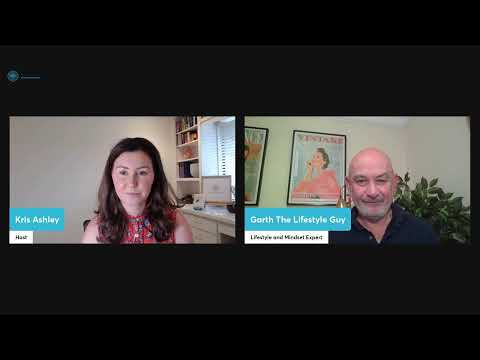 Why Some People Chase Their Dreams and Others Don’t with Garth Delikan
 Powerful Mindset Programme
 Garth Delikan talks about Safety Awareness and Mindset at Entrepreneurs Accelerator Summit in Hawaii