About Duncan Brand
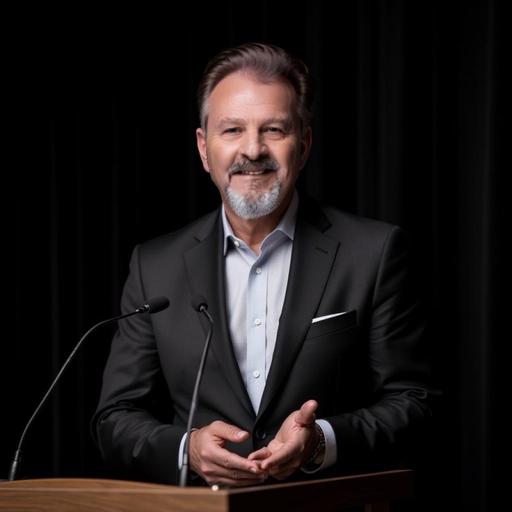
Author of Mind the Gap and Leadership & Organizational Effectiveness Advisor
25+ years Leadership experience across high-stakes organisations5,000+ Leaders shaped by his methodology2,500+ Executives coachedPublished author MIND THE GAP
Duncan Brand is a leadership strategist, author of Mind the Gap, and founder of Intrinsic Leader, helping organizations close the gap between the way they say they lead and the way people actually experience leadership at work. Drawing on experience across nearly 100 organizations spanning healthcare, technology, finance, and the public sector, Duncan brings a practical, deeply human perspective to leadership, culture, management, and organizational effectiveness.
His work is rooted in a simple but increasingly important idea: People are human beings first and employees second. Yet many organizations continue to manage and develop people using leadership models inherited from the industrial era - promoting technically strong employees into management roles without equipping them to lead, coach, motivate, or develop other people. Duncan believes this disconnect has enormous consequences for engagement, retention, performance, and ultimately the bottom line.
The ideas behind his work were shaped by seeing leadership tested under extraordinary pressure, including his experience at the Federal Reserve during the financial crisis and in healthcare during COVID. These environments reinforced a lesson that now sits at the heart of his work: when circumstances change faster than expected, technical expertise alone is not enough. Organizations need leaders who can think critically, communicate effectively, show empathy, and help people adapt without losing their sense of purpose or humanity.
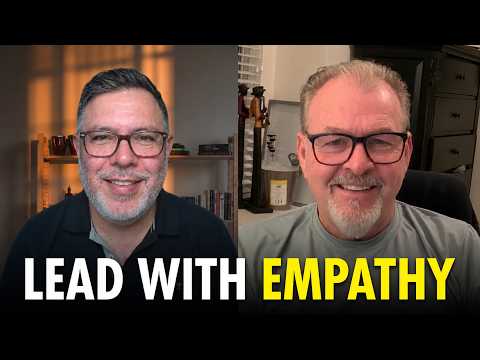

Book Duncan Brand for your show
4+ podcast & stage appearances. Remote or in studio, broadcast-grade audio.