5 April 2026
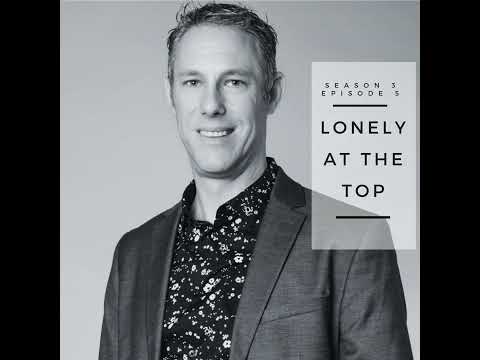
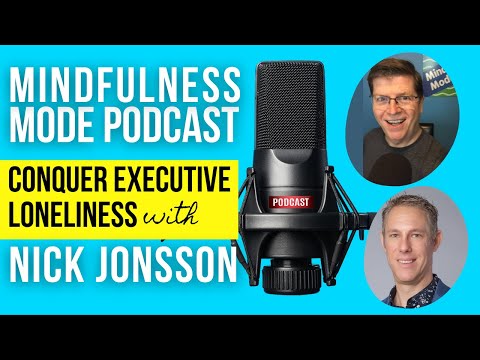
EP 181 | Executive Loneliness: Identity Beyond Performance | Nick Jonsson
About Nick Jonsson
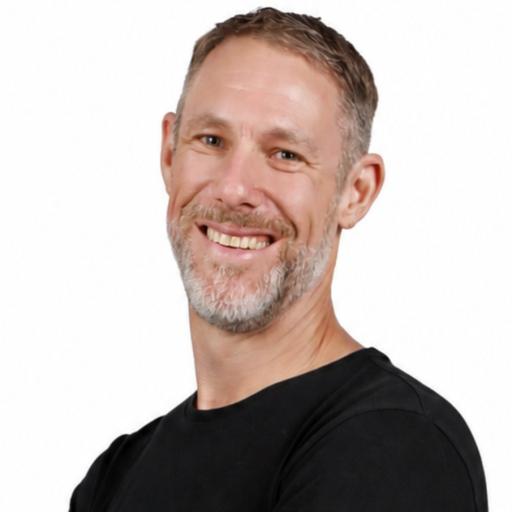
#1 Global Thought Leader on Executive Loneliness, International Bestselling Author and TEDx Speaker
900+ EGN Southeast Asia membersTop 2% Ironman athletes worldwide2026 GHP Most Empowering Mental Health Leadership Advocate#28 worldwide Global Gurus Top 30 Coaching Professionals
Nick Jonsson is widely recognized as the world's leading authority on Executive Loneliness. His pioneering work has earned him a dedicated Executive Loneliness Wikipedia page and international recognition, establishing him as one of the world's most respected voices on leadership, vulnerability, mental wellbeing, and authentic connection.
Ranked #28 in the world among the Global Gurus Top 30 Coaching Professionals, Nick is a TEDx speaker, international bestselling author of Executive Loneliness, Professional Certified Coach (PCC), Certified Master Coach (CMC), qualified Counsellor and Psychotherapist, facilitator, and certified Team Psychological Safety practitioner.
For more than two decades, Nick held senior international leadership roles, leading businesses and high-performing teams across Asia. From the outside, his career reflected success. Privately, however, he struggled with burnout, alcohol addiction, and overwhelming loneliness - experiences that ultimately became the turning point of his life.
Rather than allowing those challenges to define him, Nick rebuilt his life through recovery, vulnerability, discipline, and purpose. Today, every keynote, workshop, coaching engagement, and counselling conversation is grounded in both professional expertise and lived experience.
Nick works globally with executives, leadership teams, founders, and organizations through keynote speaking, executive coaching, counselling and psychotherapy, leadership facilitation, and Team Psychological Safety training.
Transcript
If we are not speaking about our challenges and problems in the workplace. So if we don't trust our colleagues to open up and speak and share our what is going through in our life, then we're going to feel isolated. We're going to feel lonely. And with that that term executive loneliness was taken. I'm Dr. Joey and welcome back to the Work Positive Podcast. Coaching you to grow people and profits by creating a positive work culture. So one of the first questions we often ask one another on meeting for…
Read the full transcriptHide the transcript
If we are not speaking about our challenges and problems in the workplace. So if we don't trust our colleagues to open up and speak and share our what is going through in our life, then we're going to feel isolated. We're going to feel lonely. And with that that term executive loneliness was taken. I'm Dr. Joey and welcome back to the Work Positive Podcast. Coaching you to grow people and profits by creating a positive work culture. So one of the first questions we often ask one another on meeting for the first time is nice to meet you what do you do and most of us respond with something like I'm the insert title here for insert company name here and then the conversation turns to oh well how long have you been there or you know something like that but let me ask you this who are you beyond that role who are you besides a people leader and it's so easy for us to wrap our entire identity around a role and yet we know
we're people with many facets. So what keeps you from claiming all of who you are in a more holistic way? And what's the effect of your identifying yourself almost exclusively by your work role? My guest today is a professional speaker, best-selling author, executive coach, and a supervised counselor and psychotherapist specializing in holistic leadership, mental well-being, and identity beyond performance. He wrote a book called Executive Loneliness. It's an international bestseller. It's all about isolation, stress, and depression in leaders just like you. He's a former senior executive himself. His own journey through burnout recovery has shaped his understanding of success and meaning. And today he works with founders, secondgen leaders, and senior executives like you and me worldwide.
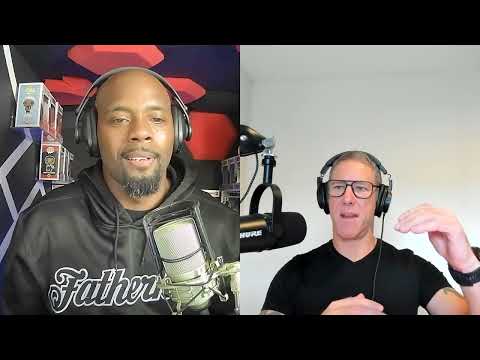
Integrating psychology, his lived experience, and his five steps to holistic leadership to help leaders identify, expand their identity beyond their current role with clarity, authenticity, and sustainable performance. Hey, I'm so glad you're here and that you can discover today how to work positive and live positive, too. Hey, Work Positive community, you are in for such a treat. Such a treat. Nick Johnson is here with us. Nick, welcome to the Work Positive podcast. Glad to have you on. Thank you so much, Joey. It's great to be here. Yeah, I I must admit I'm a little bit intimidated by you because hanging on the wall right behind you, in case you're listening to this, can't see it. Uh, go to YouTube and look at what's hanging on the wall.
Nick Johnson is an Iron Man. So, so that's how far do you bike? Well, it depend. Let's see if I can tell you in miles. So, we basically do a 2.4 mile swim. Then we we cycle for 112 miles. And then after that, 12. Yes, sir. And then after that, we run a marathon which is 26.2 mile, I believe. Yeah, it is 26.2. Yeah. Wow, that is incredible. Well, all hail to Nick Johnson. You're amazing, man. You're amazing. So, uh, before we started, before I hit record, thank God I hit record, right? Uh, before I hit record, uh, we were talking about, um, how we both love being outdoors and you were telling me you're you're outside 25 to 30 hours a week.
I guess that's a part of your Iron Man training, right? Yeah, that's right. That's what it takes. If we want to compete in that sport, we got to train. And most of that time is spent cycling and it's low impact therefore so it's many many hours on the ride on cycling and uh I try to do it in the when it's winter in Europe I based in Southeast Asia where I am now in Pokeet Thailand and we have nice nature parks uh pretty much on the doorstep so I can go out in the nature and cycle. Wow. I I mean I know it takes a lot of hours to cycle. At least it would me.
It'd probably take a day for me to cycle 112 miles. But but what a beautiful countryside you have there in Thailand. It's just so lush. Absolutely. Very green. Yeah. I love it. I love it. So, this interest in being an Iron Man grew out of what I would consider to be your origin story because you obviously are a superhero if you're an Iron Man, but you're also a a superhero in other ways. Tell us about your origin story. How did you get interested in executive loneliness and holistic leadership? And I'm I'm sure your love of being an Iron Man came out of that story, too. Yeah, absolutely. So I was born in Sweden, grew up in a working-class family as a blueco collar work in constructions.
One day I had a motorcycle accident, got hit by a car and the doctors told me that I had to basically change my education. They said you can no longer work with your body. Uh so that so that was sort of the turning point in my life and that was 1998 and uh I went back to school and I went moved to Australia and I haven't really moved back permanently to Sweden after that. So I've been on the road since then. Um worked now in Southeast Asia for 22 years and you could say that I I felt I was given a second chance when after that accident I start to be hungry to study and I earned a scholarship at the university.
H as happy as I was to earn that scholarship, the next day I start to be anxious about perhaps worried that I would lose it. So that's I would say is the birth of the anxious overachiever and I would say that I carried that mindset of working extremely hard to get on top of things also in the workplace and u my corporate journey you could say I elbowed my way up to become the managing director, the general director. I did everything I could to get to the top. Um, and once I was was there, you could say that I I felt lonely, isolated, and I fell all the way down. So, that's the short version of of my little ride.
You remind me of what Dr. Steve CVY was fond of saying, and what if you climb the ladder of success, get to the top only to discover it's leaning against the wrong wall? So, that's kind of what you discovered. It's lonely at the top, isn't it? Yeah, absolutely. And I didn't even lean against the wall. I think it was just a complete freef fall all the way down. I crashed. I hit my rock bottom. And uh at that time I completely isolated myself with that. In fact, I was actually managing remote hospitals and clinics. I was surrounded by doctors. I was very healthy. But of course, no one can see how you are mentally on a blood test, for example.
Um and and I didn't have someone I did dare to speak about with the challenges that I was going through. I guess it was my 40 years crisis at the time. And I since I didn't have any way to cope with it, I I I dealt with by starting to overeat. I gained a lot of weight about 60 pounds. Wow. And consumed way too much alcohol until uh it became a big problem for me until I became addicted to alcohol. And at that time, my ex-wife challenged me and uh I wasn't ready to have a conversation. So, I I instead thought it was easier to file for a divorce. And with that, I resigned from my job and found myself even more isolated.
So, it was uh was really bad, Joey. Man, that's just a complete burnout. Complete and utter burnout, wasn't it? in both your not that we can divide ourselves into a professional and personal side but I mean your entire life was a mess. Tell us about that moment when you began the turn you know when you made a conscious decision to do something different. Yeah. So I was going down you could say in a spiral for about three years. I jumped from job to job burning through my savings and I had almost become you know bankrupt at the time and failed at everything. I lost my confidence and everything. And then at that stage, you know, I I I signed up for life insurance, medical insurance, and I wrote my will and testament because the thinking I had was that if this continues the way it's going, I realized I'm not going to be alive another year or two.
That doesn't mean that I was suicidal. I didn't have those thoughts. I didn't have such a drive or energy in me. I was just in a depression and I didn't have anything to do. So that was sort of the state of mind I was in. Um but eventually something happened. I I had met a woman who today is my uh second wife. I'm happily remarried and um we were just talking about getting married and even for her she had no idea that I was going through a challenging time. So on the outside no one could tell anything. Yeah. Apart from that I gained weight. Uh but apart from that no one could tell anything. So therefore, I just something the voice inside told me that I should tell her before we getting married how I feel inside.
And that was the turning point when I sat her down to the so on the sofa and I just for the first time in my life spoke honestly about how I felt internally. Wow. I bet that was the most frightening exciting moment of your life because you you just declared here's who I am. What was it? What was it that prompted you to declare that to her? Yeah. And and and if I first just share, why didn't I share before? Well, I I grew up in that workingclass family. You know, we work hard here. You know, I grew up in in in in with that mindset that, you know, and we didn't talk about feelings and emotions in the family.
It was that sort of was quite tough in my neighborhood. I had to stand up for myself against the other boys. There was bullying. There was fighting in school. And I just learned to be tough. And that's what I fought. And as it happened, then a few of my bosses as I was climbing the ladder, they was quite they were quite tough. The directive style, firm military leadership. And that's what I adapted. I never I had not experienced that kind of softer side that you know that we speak about. So that I didn't know it and I I I I had never learned it. So but it was my body at the time was crying for help and in fact my left foot was swollen like an elephant foot and it was a psychiatrist later on to diagnose it as a psychosmatic illness.
So that was the state of my mind at that time. But as I've then opened the voice, it's like and and spoke to her, it's like I released that pressure naturally. But again, that was an exciting, frightening moment for you because you'd never shared that with anyone how you were doing on the inside. And obviously throughout your life journey up until that point, it was I refer to it as suck it up, Skippy, right? You know, you you just especially for us guys, right? We don't talk about those things. It's a you're just a wimp if you talk about this stuff. So, what was it like to hear yourself open your mouth and say, "Sweetheart, here's who I am." Yeah, it was scary. Uh but somehow, you know, I felt that she deserved to know and she was Yeah, she was shocked.
She was surprised and uh she just jumped into action. She pulled me immediately and took me to a doctor and I remember being quite shy sitting in the corner and she shared to the doctor my story what I just had told her and the doctor listened with empathy also and just acted like it was normal gave some medication and with that after that she took me to a friend of ours who we knew had gone through some mental mental health challenges earlier and here again was someone who listened with empathy and that meant meant that within 24 hours I was exposed three times and while it was uncomfortable every time something changed in me and it was like I had a V-shaped recovery coming back to life through those experiences.
Wow. Wow. That's quite a recovery story. Three times in 24 hours. That woman really loves you, right? I mean to to jump into action like that, that is absolutely incredible. You know, we at our best in our work cultures, I call them work positive cultures. I think one of the roles that we have as leaders is to see in others what they have yet to see in themselves. And that's really what she did for you, right? Yeah. Absolutely. And I think it wasn't so much that you needed to say anything. It was more that I needed to say it and release it. something happens once you once we have that awareness and we sort of surrender which is when we release it right that release was already enough and there's a reason why we have the term talk therapy right that was what I needed and uh and and just the fact that I started to take ownership and were ready to ask for help that was the big turning point yeah well the fact
that you could say it to her and she did not walk way, but instead committed to your recovery with you and and began to assist you and got you in front of three two three two other people within 24 hours. That's absolutely amazing. She she must be an amazing person. We as people leaders have that opportunity with our folks. Now, not work positive community, you know, not that we're going to become therapists or counselors like Nick has, which is an incredible part of your journey to go from I'm scared to share my my inner story with anyone to now you help others, right? You you lower the the risk for them in terms of helping others.
But uh it's not that we become therapists because I can hear some of us particularly those who are in my baby boomer generation saying ah I'm I'm here to manage I'm not here to you know be a therapist or a counselor. So how do we create this kind of culture in which it's okay to share our stories to be authentic to be vulnerable and transparent. Yeah. And I say that starts at the top. It start at the top of an organization, top of a family, top of a a charity organization or top of a country even. I mean it is somehow the leaders that set the scene. Uh if you have a leader who is vulnerable and open then the rest will feel safe to be vulnerable too.
Um I'm not proposing that it's about oversharing or being overly vulnerable and pour everything out to everyone. Uh that's not the point. But we need to choose perhaps a few people we can trust and be open and vulnerable with them. And therefore as a leader I think if a leader can own their mistake and and say when they made something wrong and own that that's a good starting point. But also if they're going through a difficult time be human about it. If if there has been loss in family then it's okay to express that you know I'm not my at my best this week. I'm feeling a bit off and I going to take a day or two days off because we we have this crisis in our family.
Then I think we're setting the scene for the rest to also be safe to speak about their challenges. Yeah. And that's that's so freeing to the people around you when you declare something like um my mom just got news that she has cancer and I'm struggling to to work through that. So you guys please understand that I'm not at my best today. And just being able to declare that. I mean I don't think that's oversharing. Do you Nick? um just to be able to declare that because if you don't it's going to that that bad news is going to leak out and in your relationships with others and they're going to think your your colleagues are going to think what did I do wrong you know how what's Dr. Joey got against me.
You know what? What did I do to damage our relationship? Yeah, absolutely. I think it's not oversharing. Oversharing would be if we come in and we spill out for 15 minutes all the details to a big wide open space office and it's not for everyone to hear, right? That is not attractive for anyone. But rather picking a few people who we can trust at work, a few people outside of work. And then again, if if we don't have those people, then perhaps look for a coach or a therapist or counselor or some charity or some hotline that where we can get that help. Yeah. And just know that those life events become leverage or a springboard in which you can seek help and need to seek help, right?
Um from professionals like yourself. Um, and and look for those people like Nick did in his life, right, with his fiance there, speaking speaking that truth to her and her jumping into action. I'm always amazed, Nick, and how we as executives isolate ourselves so much and think that nobody's ever gone through this. Nobody's like us, right? And and they will reject me, no longer respect me if I if I open up and share. I'm not at my best today. What do you say to those people? And and again, I don't mean to be projorative, but I'm assuming that most of them are men, right, in leadership positions. It's a little more difficult for us to share if I if I can just make that assumption. What do you say to those who know that they would benefit from sharing something but hesitate to share?
I think it takes a while for everyone to get used to that. So I think uh it's okay to leave them quiet for a while and while we share and make them be comfortable with that and so when in my own story so first I I became quite comfortable to share with my wife and yeah with the doctor the medical services team and and then in a very closed circle from the beginning I didn't share what I was going through to my professional circle or my contacts I wasn't ready for that and and even I remember because I had at that time picked up the an alcohol issue and I had to address that. So I I joined a community one of those anonymous programs where I got the help I needed for that and I remember the first one or two months being at those meetings I didn't speak much but it was those people who who were there longer in the program who spoke and it was quite comfortable to just be there
and listen in the beginning and I remind myself about that these days that it's not about pushing people they will come around when they are comfortable and ready for it and yes then in my own story also what happened was one year into my recovery. That time I was feeling much better and I was one year sober. Then something happened that changed everything and that's when I went public with my story. I lost a friend to suicide at that time and uh a very tragic event, very surprising event, someone I a friend of mine who I also worked with. Um and at that time um I decided to set up a charity fund to raise money and awareness for suicide prevention and that's when I call it the to break the silence in the workplace and eventually I came up with a term executive loneliness.
Uh with that radio, TV newspaper start to interview me right away and for every interview I shared more and more and more and before I knew it my story had gone viral basically on LinkedIn. So at that at that time I I had to start to become comfortable with sharing the full story publicly. Wow. I'm always amazed at how crisis like that can propel us into action. Um I remember watching CNN back during the what was this in the 80s maybe 70s in the Tanaman Square um saga when that was unfolding. And I remember a lone man wearing a bandana across his face standing in front of a tank. And I mean it's an iconic picture now.
And I remember Bernie Shaw saying on CNN that the Chinese have two characters for the word crisis. One means danger and the other opportunity. And uh the danger was you know hey I didn't share my story my you know maybe it wouldn't have made a difference for in my friend's decision but nonetheless but you so you you chose the opportunity there and and said this far and no more. So, Nick Johnson, I just want to applaud you and your courage in sharing your story internationally because it's uh I'm sure you saved many many lives physically, but I'm also sure that by talking about executive loneliness the way that you have in the book that you've written, which I want to talk about that you have as well. Let me ask you a question.
What if the key to growing your work culture hides in plain sight? Take the free work positive culture assessment to discover it. Get insights in less than four minutes that transform your culture so you grow people and profits. You just answer 13 simple questions and discover your culture, stage, strengths, and personalized next steps. Get your free aha culture moment at workpositive.tday. Go to workpositive.tday right now. Nick Johnson is my guest on this episode of the workpositive podcast. As always, work positive community. In the show notes, you'll find uh he mentioned LinkedIn. That's how he and I met one another. Uh his profile's URL is there. You can go to that. Also, uh his website, which we're going to discuss a little bit more, nick johnson.com is there.
Uh and there's a link to his book, Executive Loneliness. So, tell us about that title because that we hear about executive leadership. We hear about all kinds of things for executives, but executive loneliness, where' the title come from, Nick? Yeah. So, at that time when I was going to set up the campaign then to to raise money for this fund, uh, it was before AI, so I had to think by myself and I knew that for you had to, right? Forced to think. Imagine that. A human being forced to think. That's hilarious. I love it. It's okay. So, so I was thinking about uh for the entrepreneurs, founders, you have the term it's lonely at the top.
It seems to be yeah the CEO and so on, but I thought it's it that's excluding all the executives, the directors, the VPs and all the people working in the big company. So, and I couldn't really find a term that could describe the whole workplace and loneliness but for senior leaders, right? And but but then I start to do a search in Google and it came this article by Forbes. There was one article talking about executive loneliness and I thought well that sounds like the correct description here because if we are not speaking about our challenges and problems in the workplace. So if we don't trust our colleagues to open up and speak and share our what is going through in our life then we're going to feel isolated.
We're going to feel lonely. And with that that term executive loneliness was taken. Um and it just made sense to me that that's what's what I had gone through. I was more driven about the titles, the bonuses and the career projections and how I looked on the outside than how I felt on the inside. I uh think it was Ryan England I had on the work positive podcast recently and he shared that um a survey done Gallup gets credit for so many surveys so I'll just give them credit for it but anyway someone surveyed and discovered that 86% of us identify as lonely now and so loneliness has really become an epidemic How can we communicate that our work culture that we're creating is different than other work cultures and thereby attract top talent because we're working on an open relationship, not oversharing but authentic, transparent, vulnerable kind of work positive culture. Nick, how do how do I communicate that on Zoom or sitting across the table from some top talent that I want to
invite to join our team? Well uh first of all I can say when I wrote the book in year 2020 to 2021 basically you know 2019 2021 for two years I did a survey and the people I surveyed for the book then it was 30% loneliness and the lo the numbers by statista was 33%. So it has more than doubled almost tripled than since in the last few years. Yeah. So let's acknowledge that first that it's not getting better that's for sure. Um, and how do we then attract talent? Well, I can tell you what I do. Um, when I want to interview people to join my company and also my previous business which I scaled up and built, I will send them a ecopy of my book and I will refer them to the page which is my darkest story. It's the darkest day of my life when I hit my rock button.
And uh and I said if you if you want to know a little bit about me, you can read these pages before we meet. Uh so that means that instead of sending a video clip how impressive and good I am, they can read about the lowest point of my life when I when I hit my rock bottom. And uh and they can even see the picture of me here with my with my swollen foot. Uh that is an elephant foot. Good grief. I thought you were using a metaphor, but that could you even walk, Nick? No, I couldn't put on a shoe. Wow. Now, community, remember we talked about he's an iron man and the metals on the wall are his right now.
So, what an amazing recovery story. So, you just before you even meet them, you get vulnerable. You get up front and you just say, "Here's my story." Absolutely. That's what I do. Um and that means that they already and many are intrigued because they get the full audio book but sorry the full PDF book it's 230 pages I refer to one page it's a small chapter but many of them have read the whole book by the time they come to the interview and uh some will be in tears when they come and they will start sharing some personal story. Uh in my previous company I hired a sales guy who um within 3 minutes into the job interview he was pointing as his shin and he he said I have scar here.
I tried to kill myself with a knife one time. That was an person I never met before. He wanted to work for me within three minutes. Within three minutes uh we had a talk for about 1 hour. Uh we didn't speak about his CV. Uh I hired him and he was a top performer in my company. Wow. Just looking for a a culture where he could unleash his best or as you would say his limitless potential, right? Yeah. Yeah. Well, he felt completely safe from day one and as you can imagine, he will always feel safe to speak up for me. He would have my back and he will tell me things which he knew was perhaps coming or happening.
He was almost like I had an ally. Uh complete trust. Complete trust. And at one time we went through some challenging times and he would be the first one to raise his hand and say if I can do part-time here or if I can decrease my salary to go through this I'm here with you and so on. So, you know, you built an ally from even before the interview. So, that's that's my way. Maybe that's too extreme, but I think you get the point here, Dr. Joey, what can be done. Absolutely. I love it. And so, not all of us write books like you and I do, but we can still share part of our story or find a way of maybe just a few pages of here's who I am before we ever get to the interview.
Uh what are some of the challenges that you see? Uh because I know you speak all over the world. You you know you're going to be in is it Vegas talking at a best places to work conference. What are some of the challenges that you see for companies today to create the kind of work positive culture we're talking about? Yeah. Well, the challenges I see is that many leaders are not ready to be vulnerable or not comfortable to be vulnerable and maybe they already accept that I'm just not going to be that person. And I think that's the major challenge. Uh if you don't have a growth mindset, if you're not willing to grow and learn, then that's going to be very difficult.
But I believe that we can learn to do this uh and we can do this one-on-one by coaching. It's just like someone is joining with a coach to get better executive presence or anything else. We can coach this and I talk a lot about the vulnerability muscle almost like building muscle in the gym. It's about practicing and uh we can do that by then building up our safe spaces so we can be that leader who's ready to be that because what I find at least the teams I'm working with is that the younger generation, they want more of this. They want more life. They want more meaning. They want more purpose. they want a bit more deeper conversations and what I also see the biggest challenge for should I say the the the generation and I'm 50 plus so let's say 50 plus generation then who who are if they are not vulnerable then they they will not connect with the younger generation the fresh graduates these days and they they will just not get
along somehow it's just a disconnect that's what I find yeah I'm 60 plus by the way I like that rounding it off to a general operation decade. I'm 60 plus and one of the things I'm discovering among my peers is so many of them are saying, "Okay, I'm out." Because I just really don't know how to to deal with Gen Z. And the fact is Gen Z, the younger adults coming out now, they're going to be 30% of the workforce by 2030. So we we definitely and we definitely need to to work to maximize their potential and help them find the kind of work culture in which they can prosper and thrive most. I think one of the challenges also Nick and and I believe you put your finger on it is that we're seeing four and five generations in companies today.
So, how do I as someone 50 plus, 60 plus, you know, how how do we say, "Okay, I'm going to try a coach to help me begin to move forward so I can I can share some of my life lessons with others." Yeah. And I think we can also do it in in workshops and team building events and so on. And and that's what I do a lot. I do do a lot of these work team building events and rather than just having an event or team bonding or team building event for fun of it try to go a little bit deeper and and create an agenda with storytelling people love storytelling that's how you get you to get a dopamine kick and you remember storytelling so that's what we typically do and uh when we prepare for these I come in first and give a brief keynote to buy my story to set the scene and then it's the most senior people we prepare them for be behind the scene also the CEO to
disclose something about herself or himself that maybe the team didn't know and then you put them on round tables and share something new and then you know before you know it people start sharing stories uh that they didn't know before and then you're starting to create that culture that it's okay to speak up and people remember each other then and they look at each other they speak to each other they talk to each other in a different way but we got to be proactive and if we if if we cannot speak up then. Yeah. Seek the help privately and do it as a team and and and there's also a lot of literature out there, right?
Mhm. Yeah, there really is. I love that you're creating safety in a group environment. So, it's not just me needing to reach inside of myself and find enough hoot spot to say, "Okay, I want an executive coach to help me through my uh loneliness or whatever tag you want to put on it." Instead, you're creating a psychologically safe, as we like to talk about, environment in which that can happen. I love the flood lights, not a light bulb, but a flood light going off and saying, "Well, I didn't know that about you." Because we do treat each other differently when we discover something. Usually an area of commonality that we share with someone that we did not know about them.
Right. Nick Johnson is my guest on this episode of the Work Positive Podcast. Uh we could go on and on and on. I know you're working on a new book, Five Steps to Holistic Leadership. Um, and then I know the website, Nick Johnson, that URL, uh, the link is is in the show notes there. Uh, so if you're on the Pelaton or running a biking, uh, what is it? 112 miles right now and you're listening to this podcast, that's okay. That's cool. Just keep going. Uh when you when you get to a safe place and can pull off the road, uh click on nick johnson.com. So when I click nick johnson.com, what am I going to find, Nick?
Well, it has uh my contact details of course on there, the other social media, but also the product and services I have and perhaps even more interesting also it has a self assessment and it's a self assessment which is complimementaryary and I can recommend everyone to go to that one. It's under resources and it's a self assessment the life self assessment where you can rank yourself along the wheel of life which we use in coaching right in all eight areas of your life on a scale of 1 to 10 where you are now and where would you be your desired score so you can look at your gaps there and it's a it takes five minutes to do and uh it's complimentary for any listener who want to try it out.
Oh I love it. I'm going to go there and do that myself. Um, executive loneliness, there's a URL to that on Amazon. Uh, we can buy that and it's Kindle, paperback, and audiobook, right? So, u, whatever way you best consume content these days. And, uh, if you're listening to a podcast, I bet you listen to audiobooks. So, uh, go over there and get yourself that audiobook through your Audible account. And then also the LinkedIn URL is there so that you can go over to Nick's uh profile, connect with him, and that's a that's a great way to direct message you, right? DM you and and uh invite you to come speak to a company. So the Work Positive Community, Nick Johnson always wants to know from my guest.
So what's your one thing that you would encourage Work Positive Nation to do starting today to create the kind of work positive culture we're talking about here? Yeah. So my encouragement to anyone who's listening today would be to see and think who in my workplace can I trust and have a vulnerable conversation with. And it's about remember I said it's like a muscle. You cannot go all out right away. Then you going to people will be shocked and maybe uh it's not going to work. So it's about just sharing something. Is there a one person you feel you can trust who you can go for a coffee with or take for a lunch and just start be a bit curious share something that is happening in your life and once you done that you can you can also ask an open question back to them and ask what's happening in your life and what I find once we have played the first card and we've been a bit vulnerable the other person naturally start to
also share something so in my case I do self-disclosure I did the self-disclosure today on this show and saying that I had an alcohol challenge. Right? So any listener who have an alcohol challenge will naturally feel quite safe to go into my website and write to me and that is what happening quite frequently either on a show like this. So if I give a keynote and what the statistics I have is that about 10 to 20% of senior executives are struggling with some form of alcohol addiction. So that means that uh if you're speaking to thousand people like there's a big chance that it's 100 people there who actually listening but they will not show it because these are the things that with the stigma and shame we want to keep secret.
Yeah. Yeah. Exactly. I am powerless. All right. Step one so I I love it. Thank you so much for your your one thing and Nick thank you for your vulnerability. Yes, I am sure lots of work positive community uh members will reach out to you and I admire you man to be able to go from being told that after the motorcycle accident you wouldn't be able to walk or do much physically and now you're an iron man. You're you're you're our iron man. Thank you so much, Nick, for sharing your story today. And uh go to Amazon, pick up a copy of the book, Executive Loneliness. go to the website and do that uh complimentary assessment there for yourself.
Thank you so much, Nick, for sharing your wisdom and experiences with us today. Thank you, Dr. Joy. I'm so grateful you joined our conversation about creating positive work cultures that grow people and profits. Connect with me directly on LinkedIn today. Just search for Dr. Joey Faucet or you can click the link in your show notes. When you send your connection request, mention you're a Work Positive podcast listener because I want to give you a free digital copy of my Work Positive team edition book. It's a 1995 value, but I want to share it with you free because it contains practical strategies that I personally use with clients to transform toxic work environments into thriving cultures. We explore that book, How to Create a Positive Work Culture, and we do so again in every episode of this podcast.
Our LinkedIn connection allows you and me to directly talk about your specific challenges. So feel free to send me a message on LinkedIn. I personally read and respond to all those messages because I genuinely care about your work positive success. So go to LinkedIn and let's connect. Remember to mention you're a podcast listener to receive your free work positive team edition book. I look forward to seeing you on our next episode of the Work Positive Podcast.