The Coaching Edge Podcast - Nic Woodthorpe-Wright: 20 Years of Coaching in the Middle East
Nic Woodthorpe-Wright · 12 May 2026
About Nic Woodthorpe-Wright

Founder-CEO of the Middle East’s Largest Coaching Company and ICF UAE Founding Member
20+ Years providing coaching solutions100+ Certified executive coaches in WWA’s network1st PCC credential holder in the Middle EastFounding member & past president ICF Dubai Chapter
Nic Woodthorpe-Wright is the CEO of WWA Corporate Coaching, one of the largest and most established corporate coaching companies in the Middle East, and a founding figure in the region’s professional coaching industry. With more than 20 years leading WWA and over three decades living and working in Dubai, Nic brings a rare combination of executive coaching expertise, regional business understanding, and first-hand experience building coaching from an emerging concept into a trusted corporate discipline.
A Professional Certified Coach with the International Coach Federation, Nic was the first person in the Middle East to achieve the PCC credential. He is also a Certified Professional Co-Active Coach, holds an MBA from the University of Wollongong, and is a Founding Member and Past President of the International Coach Federation’s Dubai Chapter. During his presidency, the chapter grew significantly and launched the first ICF Coaching Conference in the Middle East, helping raise professional standards, ethical practice, and corporate understanding of coaching across the region.
Nic’s work today sits at the intersection of leadership, culture, and organisational change. Through WWA Corporate Coaching, he works with multinational and major regional organisations to deliver executive coaching, team coaching, coaching culture programmes, leadership development, and coaching skills for leaders and managers.
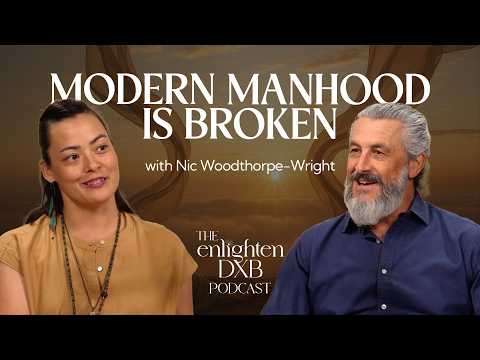
Book Nic Woodthorpe-Wright for your show
1+ podcast & stage appearances. Remote or in studio, broadcast-grade audio.