The Journey - from Addiction to Recovery | Podcast with Joan E. Childs
Joan Childs · 24 January 2025
About Joan Childs

Psychotherapist and Relationships Expert with over 47 Years Experience, Acclaimed Author and Inspirational Speaker
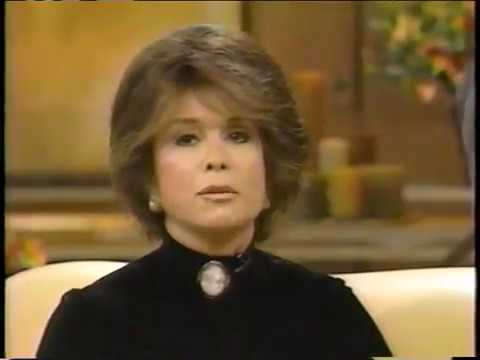
Since 1978 In private psychotherapy practiceFeatured The Oprah Winfrey ShowCertified EMDR, hypnosis & inner child workDo You Hate the One You Love? Published relationship book
Joan Childs, LCSW, is a renowned psychotherapist, author, and relationship expert with over 47 years of clinical experience. As a pioneer in Encounter-Centered Couples Therapy, Joan has dedicated her career to healing fractured relationships and guiding individuals toward self-actualization. Her therapeutic journey has included individual, couples, group, and family therapy, earning her certifications in transformative modalities such as EMDR, Hypnosis, and Inner Child Work.
Joan’s book, Do You Hate the One You Love?, is a profound exploration of the complexities of modern relationships. Through real-life insights and years of clinical wisdom, the book dissects how unresolved traumas impact relationships and provides actionable solutions for couples seeking to rebuild intimacy and connection. Having been featured on national television, including The Oprah Winfrey Show, Joan brings authority and passion to her mission of helping people reclaim the "sacred space" within their relationships.
A passionate and engaging speaker, Joan inspires audiences by weaving her personal experiences—such as overcoming profound grief and navigating personal loss—into universal themes of resilience and emotional healing. Her compassionate approach to discussing co-dependency, the challenges of relationship breakdowns, and the quest for meaningful connections leaves listeners feeling understood, empowered, and equipped to embrace change.
Book Joan Childs for your show
1+ podcast & stage appearances. Remote or in studio, broadcast-grade audio.