13 November 2024
Overcoming Loneliness with Nick Jonnson
About Nick Jonsson
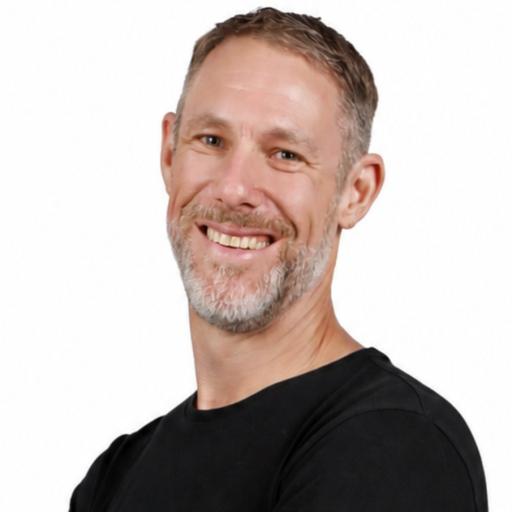
#1 Global Thought Leader on Executive Loneliness, International Bestselling Author and TEDx Speaker
900+ EGN Southeast Asia membersTop 2% Ironman athletes worldwide2026 GHP Most Empowering Mental Health Leadership Advocate#28 worldwide Global Gurus Top 30 Coaching Professionals
Nick Jonsson is widely recognized as the world's leading authority on Executive Loneliness. His pioneering work has earned him a dedicated Executive Loneliness Wikipedia page and international recognition, establishing him as one of the world's most respected voices on leadership, vulnerability, mental wellbeing, and authentic connection.
Ranked #28 in the world among the Global Gurus Top 30 Coaching Professionals, Nick is a TEDx speaker, international bestselling author of Executive Loneliness, Professional Certified Coach (PCC), Certified Master Coach (CMC), qualified Counsellor and Psychotherapist, facilitator, and certified Team Psychological Safety practitioner.
For more than two decades, Nick held senior international leadership roles, leading businesses and high-performing teams across Asia. From the outside, his career reflected success. Privately, however, he struggled with burnout, alcohol addiction, and overwhelming loneliness - experiences that ultimately became the turning point of his life.
Rather than allowing those challenges to define him, Nick rebuilt his life through recovery, vulnerability, discipline, and purpose. Today, every keynote, workshop, coaching engagement, and counselling conversation is grounded in both professional expertise and lived experience.
Nick works globally with executives, leadership teams, founders, and organizations through keynote speaking, executive coaching, counselling and psychotherapy, leadership facilitation, and Team Psychological Safety training.
Transcript
and it was actually also the death of my friend Simon that also pushed me in this direction to speak up because I realized when I was looking back at myself if I had continued to go down in my isolation if I couldn't break the pattern the negative spiral there and stop the alcohol I don't know if I would have been around today and that was the realization I had in 2019 when I lost my friend Simon because I had no idea what was what he was going through no one of our friends had any idea he had in fact just been on a trip that he said was the Journey of his lifetime he had saved up money he…
Read the full transcriptHide the transcript
and it was actually also the death of my friend Simon that also pushed me in this direction to speak up because I realized when I was looking back at myself if I had continued to go down in my isolation if I couldn't break the pattern the negative spiral there and stop the alcohol I don't know if I would have been around today and that was the realization I had in 2019 when I lost my friend Simon because I had no idea what was what he was going through no one of our friends had any idea he had in fact just been on a trip that he said was the Journey of his lifetime he had saved up money he went to M Everest he climbed to the base camp and he shared pictures and everything looked so fantastic and he shared on social media pictures of him and the girlfriend and he wrote I never been luckier or happier and so that was all we saw so when he was gone it was just so
sudden and I became so sad and so angry also at the same time and as often we blame perhaps ourselves I wish I could have done more and so on and that's when I decided to take action and I decided to really openly talk about my own journey and how I broke out isolation and and I set up a charity fund also to R raise awareness and money for suicide prevention and this is something that I'm still doing today and U I'm I'm there for men especially because normally same gender want to have these close conversations welcome to the sober Edge podcast inspiration for alcohol-free living I'm your host Terry Patterson functional nutritionist and this naked mind senior coach the sober Edge is a place to explore the infinite possibilities on the other side of drinking in a culture soaked in booze discover the Wonder and joy of taking a different path meet real people living lives of purpose and passion learned the truth behind the alcohol myths and get ready to be motivated inspired
and astounded by what is possible with the sober Edge well hey everyone it's Terry back with another edition of the sober Edge podcast and I am so looking forward to this conversation today uh because I have Nick Johnson coming to us from Sweden and so while it's early in the morning here it is even in Sweden but you also have a beautiful background that is your other home uh a picture of your home in Thailand so Nick has uh an international background a background in business and we're going to have a conversation around executive loneliness leadership sobriety all of the good things that come when we start to explore what happens when we start drinking so Nick welcome to the podcast thank you so much Terry it's great to be here and talk about the topic that is so close to my heart thank you yes I feel the same I asked you this very important question and I'll ask it again when you stopped drinking do you feel like that was the Catalyst to
the life that you have now it was a complete change it's like a complete reset the it's two different lives all all together yes and I feel that way so much too and I know because you also are a life coach and you work with people on their alcohol-free Journey how you know there's sometimes this disconnect of how life changes so how do you share that with people like what do you tell them when they say h how is this possible or how does life change what do you what do you tell people well first of all kept it very secret the first year because many of these uh programs when you come into recovery are Anonymous and you have all this stigma and you're not supposed to talk about it and I didn't do that for a year but then people were wondering Nick what's the big transformation tell us what's the secret what's the secret and everyone were asking family were asking friends were asking and in the end I thought this is
crazy I need to share it so then I said well I have become sober I changed I changed my my my relationship with alcohol now I no longer drink and as I shared that then people were so curious they wanted to know more they wanted to understand more and then increasingly people wanted also to know how can they change their relationship with alcohol because they saw the big transformation that's so beautiful and it's so powerful that our lived experience is really the best example and you you bring up an important point that because we're changing from the inside our outside looks different like people notice and it's interesting also so I did not go to recovery meetings I was not Anonymous I didn't actually have any support system when I stopped drinking I just stopped drinking it was time and so I did the opposite Nick I actually went out and told everyone I'm not drinking anymore like I used to drink I'm not doing that anymore and so for me uh may have been
partly for accountability I didn't really think of it that way at the time but I do think you bring up an important point about people you know do we stay do we do it in secret do we share it publicly when is the right timing to tell people so what do you advise people when they ask that question like should I tell people what do you tot what do you usually recommend I believe that we are transforming to more open world where we can share more honestly what is on our mind and I'm a big believer of having honest deep conversations and I think one of the major issues is the taboo and the stigma of keeping these things secret so I'm a big believer that it should be open I would have come into recovery most likely many many years before if it wasn't treated like a secret society because I knew I had problems before I was trying to look up help I was trying to find it but because it was so
secret and because it was so much stigma around it I couldn't find it and uh the moments when you know when you really need it that might be a short window when you are ready and open to get that help and I didn't get it and then you sort of recover and then you might you know reduce your alcohol for a while and then it's not a big issue but then it pops up again so yeah I believe that you did it right and I'm glad that I copy I followed your approach one year into my recovery and at least I've been an open book about it for over five years now and that's the best thing I ever done yes I agree I think um I love what you said that it's important to have these honest deep conversations and part of this journey I know for me and so many of my clients is getting more comfortable in our own skin being able to be vulnerable and show up and be more authentic
and I find it fascinating that often we were drinking in secret and then we stop drinking and we do it in secret and it's like there's something broken there and so I love that you encourage people to share what's happening on the inside I think that that level of support we often have this story that people are going to respond badly that they're going to um you know not trust us or they're going to judge us and so often that's just a story in our head yeah absolutely and and I completely agree with you also and I even heard of you know couples who got relationship problems because they stopped drinking but it wasn't because they stopped drinking it was because they were going to get support and the partner was wondering if the other person had an affair or what were they doing that they couldn't disclose who are they seeing and it doesn't matter if you go and see a coach or you go to recovery meeting or or some other support group
if you're secret about it people going to be suspicious and I believe that one of the major benefits of stopping the alcohol is that we can be more authentic and be more ourselves so therefore I think we we should speak about the issues we have and that we are seeking help for it and and these days I say that talking about my sobriety and is is one of my greatest strength ter and the most beautiful opportunities in my whole life have come just from having these conversations yes 100% I agree with that thank you for that uh so because you work as an executive coach and you help leaders um what is the stigma that what do leaders worry about like what do they worry about going public for their professional Persona uh you know what are what are the barriers there for someone changing their relationship with alcohol because of potentially that oh people are going to know and it's going to harm my professional life yeah many people are trying to get a
support anonymously uh so I'm also a certified sober coach from UK London the sober Club there and I gone through the materials and when I speak with people you know uh I'm very open up front to them you know there's different kind of supports and I'm laying it out about the uh recovery programs that are there many are r by volunteers and they are complimentary and so on but for most of them actually they are not ready to go in and be seen in a big meeting with many people secondly they might not be ready at that stage to go in and say I'm an alcoholic so they prefer to have this one-on-one exclusive private Anonymous place a safe place where they can talk about their challenges and I think that's a beautiful way to start and you rather than being completely exposed in day one in that aspect I'm quite pleased with my own recovery that at least for one year I was in a safe space and I didn't have to disclose it
to the whole world I might not have been ready for that that was how I was I was very sick when I came into the recovery everyone is different and every person will have a different story but I do believe in the end that it's great that we have different kind of support and different offers for individuals so if people want the group support and so on then it's there as well I'm not familiar with the sober Club I'll have to check that out because it sounds awesome uh so what do you see how do you see people's leadership capabilities uh what changes when alcohol is removed a lot of things are changing Terry and that's why it's normally brought up by many of my coaching clients even if they don't come to me about alcohol even if sobriety wasn't on their mind but as we are working together and as we getting to know each other and if we work on the Wheel of Life as a life coach eventually comes to health and
then alcohol is normally brought up and if you are an executive then typically you might be traveling a lot you go to business function there's always alcohol available and there will tend to be too much of it so it's it's brought up it's raised and then they want to work on it and then as you start to you know ask what are the issues what are the challenges run alcohol and what's your relationship with it and it's uncovering that it's actually a big big burden for them for many reasons because as we know from everything from keeping the good good weight and being in good shape and to exercise it's destroying all of these matters and then that's just on the on the body part and the physical appearance and so on and then when you come into professional relationships there will always almost always I should say be issues with a relationship with a partner the mistrust and so on it would be issues and those things when you talk about it then naturally
if you are an high performing individual and you want to grow yourself then that is normally part of of of the equation that we need to discuss that and therefore almost half of my coaching clients are normally mentioning that they want to you know reduce the alcohol consumption and some of them have even stopped when we work together yeah that's I I love that because we often uh I think the saying is that when the student is ready the teacher appears and I've actually had clients and other uh fellow coaches and colleagues say I was working on you know my nutrition or my weight loss or my business skills and I realized like oh there is this other thing that might might be having an impact and as you and I know um the alcohol misuse and drinking and overdrinking drives a lot of other behaviors um and certainly impacts from physical Etc you also have a you have a book I love that um that uh talks about executive loneliness so uh in my
mind I think there's probably some connection to alcohol being isolating and keeping us in this place where maybe we are not um living out our full potential what are the other impacts and why this um why did you call your book executive loneliness I'm really curious about that yeah so as I was in recovery myself and as I mentioned before many people asked me what had changed in me what was it and what was the switch and as I explained to them yes I stopped drinking alcohol but then they also asked how did I get the support and how did I get the help and that's when I said well I've been in a recovery program been getting structure I've been had a sponsor I had a coach I had people to guide me and help me through this and then that's when people ask me you know how can I get that support and I kept writing down all my learnings everything I went through so my book is really a a summary of
of the support that I got it's everything from including the recovery program steps it's also um to tools and guides and so on for people who are curious to explore what would Rec y look like and I I also would say that uh for me isolation and loneliness is linked to alcohol because it's driving it and I am introvert myself I could be acting like an extrovert when I was consuming alcohol but behind the scene the day after and so on I realized that it was not me and I always felt full of Shame and I also didn't like myself so I was all was drinking when I was going out and these days I do different things I go out in the nature I go out cycling I do other things I don't go and hang in the bars in the evening yeah yes so this idea of executive loneliness so I think there's this mental health piece I think that uh you work with a lot of men so maybe there is this
bit of a gender divide around the the ways that we ask for help the identified areas what do you is unique to Executives when it comes to loneliness mental health alcohol use well as they say it's lonely at the top and and that's true if you are in a big organization and you are the CEO then you're the only one in the whole organization at that level but it's also true if you're an entrepreneur a solopreneur you're running your own business and even for a coach it can also be quite lonely that case if we are not aware about it and if we are not creating safe space and we are not proactively building connections with people but is so essential that we need as a human being so if we are at that level and we are trying to act like we have all the answers because we are perhaps the boss and people are treating us like the boss and they're coming to us for answers and if we are then responding to
this which is what I did because that's the way I learned from my colleagues as I was working my way up and my bosses then I was not vulnerable I didn't surround myself with coaches and mentors and and Mastermind groups and peer groups and I was scared to admit when I didn't have the answers and that is what I seen in many other CEOs and Senior Executives as well that um at least you know when when you are on the other coin side of the coin here when you are open When You're vulnerable then you are surrounding yourself with people who be there for you and then you break the loneliness but that was not the space I was ready to be in before yeah I agree I and as a entrepreneur and a solopreneur you know when we run our own businesses from our home it's so important that we prioritize having support having connection and networking and it looks very different these days when we're in different parts of the globe and we're
working from home and so um yeah I think that's such a beautiful offer to help Executives understand that you know we don't have to fall into this place of loneliness and we don't have to isolate and we don't have to be that one man standing at the top we actually can create community and so you mentioned Mastermind group will you tell us a little bit about how you define Mastermind and work with people because my audience may not be as familiar with what is a mastermind and how can this be helpful yeah yeah so a mastermind according to me is is is a group of like-minded where you can create the safe space between you where you can have sharings and I do this in many forms and it can be everything from with my Triathlon groups that have a small group of people there we like the same hobby we speak the same language and we can create a small group where we can do best practice sharing and help each other with training
tips and so on but I'm also professionally running peer groups which is very similar Mastermind groups it just means that the the peer group is something that we as an organization are organizing we book The Venue we prepare the agenda we have the facilitator and still though it's people at the same level so when we talk about senior Executives it will be groups for HR leaders we be groups for CEOs vice presidents and then depending on how big the p&l is so they're meeting with people with a other people with similar responsibility and they talk the same language they will have the similar challenges and they can help each other so in that way it's almost like a peer-to-peer coaching environment where they are learning from each other I'm these days also helping CEOs uh to set up these Mastermind groups for themselves and I'm helping right now one of my clients to establish this and he is creating now my client who I'm coaching is creating a list of what would be the other
companies in your city that would be on a similar scale like you perhaps the lead is at your age but you're not a competitor so he's drawing out this list we will then do a shter and he's going to invite these other business people and form a mastermind group and they will create a then an agenda they meet perhaps once a month for four hours when they will discuss the challenges they are facing and helping each other to solve them so that is a mastermind and a peer group in my in my wording yeah thank you for that um I love that concept except um I actually with another um fellow colleague a sober coach as well um Maggie clawson's her and I have created a um business Community it's not exactly a mastermind but it is a place to come for support you know we have connection calls and co-working sessions and we encourage one another and you know it's so powerful to have something where we can you know like you said share
best practices is and I think it really does help us with this place of feeling isolated or this loneliness epidemic I know out of the pandemic we were able to shine a light on Mental Health we were able to see that a lot of people are living in isolation and suddenly when our world shrank and we saw who really had a support system I think there was so much um Discovery around do you as an individual have a support system and so having um peer groups and having masterminds is really a beautiful way to enrich our business life yes absolutely to have that Community is just essential so if someone is a whatever profession you're in if you are a sober coach then team up with seven eight other sober coaches in different provinces States or different areas or different count R and then you can get together and share because again you will have similar challenges you will feel supported and and it's just everyone loves it if you approach someone ask them hey
I'm setting up this Mastermind group would you like to be part of it and and and if someone feels that perhaps they're not ready to set up these themselves then there are a lot of companies also in the US you have vistage for example who does it for CEOs over there yes yes um and I think you bring up a good point is that we don't have to do this alone nor should we having a support system even as an individual is a huge part of creating success around whether it's changing your relationship with alcohol or uh all of the other transitions we go through in midlife and you know I follow a gentleman called chip Conley who has modern Elder Academy and he just wrote a book about um midlife and I think that sometimes we ALS Al need peer groups and support groups around these transitions we go through as maybe uh you know our children leave for college uh we move into retirement we might uh or we might cut back our
work hours we might start a passion project like you and I did you know leaving corporate world and then moving into something else and I think that's missing certainly in America we don't put much emphasis on that so since you live in other countries do you see a difference in the culture of how they support uh our aging population yes I would say um in Asia the the vulnerability is even less than in the western world and there's even less support than what we have and I see that for example if I'm joining you know any support group meetings and it doesn't matter if it's alcohol related or anything in the community then they will be hiding much more than as westerners so if you think that is stigmatized in the western world you can multiply that many many times in Asia and many of these conversations are in still some countries still illegal to have and I just mentioned for example in in Singapore um suicide for example only was suicide attempt was only
decriminalized in 2020 so until then if someone had a sh uh who who who had an attempt at the suicide you were scared of going and seek help at the doctor because the police would be brought in uh so this is how sensitive these conversations are in Asia so indeed the Western world is leading and I can add also that um after the pandemic I set up one of the masterminds I did is a men's group and we are 17 men at a similar age and still today we meet once a week for one hour on on on on Zoom where we discuss a different theme every week um this week it was about getting the motivation next week it's about nutrition and we pick some topics like that and we just log online and we keep sharing because we believe that it was wonderful what happened during the pandemic and we said let's not stop this we want to keep this going for the rest of our lives wow that's so encouraging I love
that and I think particularly um you know if we think about gender that women are more likely perhaps to reach out to a Social Circle and have more friends and willing to share a little bit more and so I think it's particularly valuable for men um certainly I think in the western culture um just for example uh the training that I did as a coach was with this naked mind and I didn't we don't have a lot of men we're starting to see more men come through that as an alcohol-free coach but it's just not as prevalent for men to come together in these groups and to support one another in those vulnerable ways and to really set aside time to say like I'm going to talk about more than the football game and the new car I bought I'm actually going to talk about these vulnerable topics that are you know important to me yeah and what you mentioned here Terry is so important and let me reflect on this as well because before
I had should I said my rock botton when I gave up alcohol and life was a turmoil for me um I had good friends or I would say I would have called them great friends and some of them are still in touch with me today we would go out and play golf we'll go to the bar and watch a game of football you know we would have a great time together we're sharing and talking uh but we never ever spoke about the challenging parts of our Lives we were never open and vulnerable to each other so if I had a tough day at work I would leave the office you know being stressed and being anxious and then I would go to the bar and drink alcohol and have a good time with my friends to get over that the issue is with that that the problems were there the next morning when I came back to the office and then I went through a day of mystery again only to go and see my
friends and have a good time in the evening that these days now when I remove the alcohol and I understand that I need to be in a structured way with other men where we have an agenda and we are discussing and practicing as I call it our vulnerability muscle that's when we are becoming close friends and that is the friendship that I would encourage everyone to have yes and uh you know I think we have to uh do some inner work to get to that place where we're willing to seek that out and we're open to the possibility of that and I think that that's what's been so amazing for me to watch men and women go on this alcohol-free Journey because you know as a coach I see that that's just alcohol is just the symptom you know we're using alcohol to cover up that maybe place that's missing where we feel deep connection where we feel belonging where we feel valued seen heard supported and so for me I really believe that alcohol
is the gateway to being able to show up and have these deeper connections I used to think in my own life Nick I used to think that well I'm just not a very good friend like I don't make friends easily people don't really like me I don't connect I you know I let people down and I think in my own Journey what was happening was I was isolating I was pulling back because I wasn't being true to me and so you know one of the first things that happened for me in this Journey was I started making friends and started connecting with people in a different way and started feeling actually seen and so I think that that's you know what a gift that you are able to encourage other men to challenge themselves to seek this out and have you know this opportunity to grow in that way yeah and and what we do in order to encourage people to you know open up and be vulnerable is that we mix topics so as
I mentioned the topic next week is about nutrition which is a easy topic to share about you can share a little bit about nutrition what is working for you if you take some supplements and any diet that works for you and so on so then you get to practice and you talk and you listen and then the following week we can have a more difficult topic and it can be about relationships or something like that and everyone is encouraged to share something that is challenging in their life but end on a positive note with some tip something that is working so you also have a positive spin for it and people who are joining in the group you know the first couple of meetings might not disclose so much but after a few sessions they understand and start to feel wow I shared and I was vulnerable tonight and then you feel great after that and some people naturally also start to then reach out oneon-one online and offer a lunch or a coffee offline
because they heard you out and they're there for you then you start to get understand that the more I'm open here the better support that I am but it needs to be built by a safe place so I would encourage all listeners to think about you know who are the friends in my network and build a group with those and and start sharing and they will see that the friendship will flourish yes yes I love that and you're right it takes uh we have to be in a safe place in order to start sharing and that's a great tip to start and mix up those topics so that you're not just asking people tell me about your deepest darkest secrets from day one that never works right so you have another amazing part of your life that I want to touch on and uh that is your success and your enjoyment of the sport of being a triathlete and so you have been doing that I'm curious Nick have you done that always or is
that also something that kind of came about from your alcohol-free journey I started in triathlon about 10 years ago now so I had touched on it before I gave up alcohol but it was a bit challenging to combine alcohol with with Triathlon because you have to swim and cycle and run quite far so I didn't really enjoy it I got the taste for it but I I was frustrated and sometimes I was injured sometimes I couldn't even start the triathlon because I had been drinking too much alcohol leading up to the race a few days before and then my body was not ready when I stopped alcohol completely in 200 18 everything changed and everything became possible and it was a lot easier and much more enjoyable to train and to do the sport and I met so many wonderful people all around the world thanks to Triathlon as well oh that's exciting so tell us a little bit about your success because you have been successful yeah so what I did was that because
I understood that well how I tackled my alcohol issue was by being honest and asking for help and working with people and coaches and so on who knew what they were doing then I thought I should apply this mentality to everything in my life and that included the triathlons my speaking career my coaching and everything else just to have this learning open vulnerable mindset so I started to really read all the books about triathlons reaching out to coaches joining Triathlon clubs and associations and always be the most curious one always asking everyone for for tips support and advice and so on and having that learning mindset uh constantly propelled me forward and to the point now I'm turning 50 soon and I'm I'm ranked top 2% in the world in my age group and uh that is just a result from being curious I have no Talent whatsoever compared to anyone else I just keep being hungry and curious oh I love that congratulations and I love that word curious because that is one thing
that I always share with my clients that has really driven my life certainly perhaps before I stopped drinking but really identified as a core value and what I find Nick is that when we lead with curiosity we suspend judgment so instead of saying oh I could never be a triathlete we say well like what would it take how do people become triathletes like what do they do and we can do the same thing with all of these areas in our life we can say like um you know uh when we when we make a statement there's often judgment with it like oh I can't or I'm just always this way and instead when we ask that question and we get curious so much opens up and so I love that you know you just get curious that's so fun I I do not see myself running a triathlon but um or competing in a triathlon but I my mentor in nutrition was a local person Local woman who is a um an Iron Man and
does all these amazing races and just qualified and competed in Kona last year she that been a lifelong you know or a a career goal and um yeah it's been amazing to watch her and talk about being curious and just allowing herself to keep engaging and engaging and move to that next level so I just love that thank you so much and a huge part of this is also the the the social healthare and the community around it because it's also F difficult to find our own tribes many times today in the fast moving world and if you do get into any sport like the triathlon or anything else find your tribe find what loves what you love to do and then you meet people who speak your language and you're passionate about the same thing and then we spend time with other human beings which we need to do according to me every day then it would be impossible for me to have time to socialize and exercise and I know I need to
do both so I always try to combine it yes sometimes I go for a run or cycle or Swim by myself but I try as much as possible to do it with a group so I get the both the social health and the physical health mixed together and therefore I also get the mental health yes yes let's uh let's uh streamline things and you bring up an important point you know finding your people and that is something we have to pursue our passions and you know for me when I took alcohol out of my life the first thing I did was went to nutrition school I'd always had a passion but I was just a wellness Enthusiast not a wellness professional and one thing Nick that was fascinating to me I thought well these are Wellness people they won't be drinking and so that wasn't true so I'm curious about the uh Triathlon world are there still people that drink or is it just you know the nature of it is that when they get
to that Elite level they've recognized that drinking and success don't go together it's not much alcohol consumed uh in that Community actually there are always few people but not much I would say yeah it's very healthy lifestyle and people are looking for marginal gains these marinal games these days right so uh you're trying to perhaps do it maybe they do at the end of the season or so on but not not often yeah yes yeah I often wonder how people could um actually you know be drinking um on a regular basis and be highly successful in their athletic Pursuits and so it's mindboggling to me when professional athletes will promote alcohol and it's like I bet you don't drink my my hunch is you're doing this because of the monetary s you know um gain not because you actually believe that drinking alcohol enhances your performance it's just kind of um it's a little nutty absolutely yes yeah and do you see so I'm curious because you uh live in uh different parts of the
world seasonally right is there a different um like do in the Asian population are the the local people running triathlons is that a part of their culture or do they is that something that you kind of find expats get together and that's where you find your people so it's a it's a growing sport also for Asians I mean it started in the US and then it's grown around the world uh it's very established in Europe but still if you're looking at Triathlon and on is still a pretty young Sport and and uh it is growing in Asia but Asia has a lot of population also and many cities are very large so it's not so easy to exercise when I lived in Vietnam hoimin City for example I lived quite Central and people would even you know rent the bus and take the bus out of the city and then you go for a run and then you take the bus back just because simply they would be too polluted or too crowded to run
downtown so you got to really be quite creative in and how you set it up in order to get to the exercise but uh it is increasing and some other places in Asia is wonderful for exercising including where I live in puket Thailand which is a very good place for cycling and swimming and running oh yeah I bet and so typically a triathlete will have one of the three sports that is kind of their their sweet spot for you is it running swimming or cycling it would be running for me yeah yeah cool cool are you gonna be cheering on the runners at the Olympics yeah I would certainly do and I have also my my own biggest race of the year in three weeks on August 15 I have a my only full distance Iron Man this year I have six seven half distance one but only one full so I'm looking forward to racing in just a few weeks oh that's exciting where where is that uh event taking place so it's in
Sweden it's in Calmar Sweden in South Sweden about three and a half hours drive from Denmark um so it's one of the big races here which the pros are racing as well so it should be 2,500 athletes bit more wow that's so impressive yeah um I I like to think I have other talents Nick however I could get curious I could hire a coach I could start running who knows yeah you have your friend right yes yes and she is quite inspirational she actually is a nutrition coach for athletes you know to help them uh you know get to that place where they are making those marginal differences like nutrition is such a huge part of how we can be more successful in all our endeavors uh certainly with showing up um at that top level yes makes a big difference for sure yeah I love that you only run like six or seven half marathons a year sounds impossible to a normal human yeah and I'm I'm getting younger at least I feel feel
like so so I just have to enjoy it as long as I can I have a friend of mine he's 57 years of age here in Sweden and he has a motto basically saying that you are never too old to grow young oo I really like that and I think um you know we we have to insert a little bit of a caveat there because I think some of the biohacking that we see these really Ultra Rich individuals doing can be kind of ridiculous but I think that we also have so many misconceptions about what it means to grow older and uh you know for me me not drinking was a place where I started to prioritize my health and so I definitely feel younger and healthier than I did I I'm 63 and so for me you know I'm just I just feel like I'm just getting started in many ways yeah you look very young and fresh Terry for that so congratulations well thank you yeah I definitely see so many people when
we take alcohol out we start to prioritize the things that help us feel better mentally physically and we do kind of start to age in Reverse so I love that um I also interviewed uh Todd Crandle um who is an Iron Man and you know uh uses his um you know running uh and sobriety as a you know as a foundation for his core business so although I'm not a runner I have you know I have these points of connection and you guys are always so inspiring um tell us the benefits of you know exercise and mental health for people that are going like particularly for executives like do you uh is that part of your coaching do you help them bring some form of physical activity into their life yeah I would if I'm asked for to give any tips or recommendation to anyone then certainly exercise would be part of any regime and I'm a Believer for a start that we need to be close to Nature as well so I always uh
while it's great to be in gyms and so on we still need to go out in the nature we need to get daylight and I would recommend anyone to include also something outdoor and it doesn't matter if it's walking running or cycling or something else that you do in the outdoor but it just sort of resets the DNA and sets us up for the day and it's nothing better than to start every day with that um and that's what I do I try to start every morning with a with a run or swimming in ocean if I'm in if it's warm enough or I run in the outdoors I get the fresh air I get some sun and then after that have a healthy breakfast and then start the day so to get that out in the morning and that's what I recommend everyone and what I also recommend everyone is to really find what they love to do because if you're trying to do something that is not right for you then it's going
it's going to feel like a burden and then it's not going to be sustainable then we can mainly maintain it for a few weeks or during the coaching agreement but then it's not something that is with you for life after so those would be a few of my tips and then it would be also to have wearable devices and sign up for something some apps that are exciting that that give you some challenges or sign up for a local race and if it is running then sign up for the local five mile run or fun run or something like that so you have something for three four months to look forward to invite a few friends colleagues or or something so that you have account ability partner go for some training and then you want conso also and that's what I do here I I have a triatan also a small one coming up in a few weeks here with my son and wife so we will do it together as a team where I
will swim my son will cycle and then my wife will run so we do it as a team and that so don't forget also to have fun and and make it a part of a journey yeah such an excellent point you know we don't stick to things that feel like a work out you know I hate that term I like movement you know more than exercise or working out because that really is what we're trying to do if we look at our ancestors they didn't work out they you know they they stacked wood they walked everywhere They Carried water you know they did very different um ways of moving their body and so you know that's the way we're designed and we're not designed to go to a gym and do like one set of reps or whatever and so I love the getting outside in the morning so of course you're in Sweden currently and you're from Sweden so you guys have a culture of like cold plunge saunas and so it's sort of
built into your DNA is that fair to say absolutely so my exercise routine was today was a run outside in the morning to set me up nicely for the day and then after work today I went to swim and I had a SAA as well just before I came here Terry so how did I know H well the other the other thing I want to make sure we touch on before you go and this is a this is a little bit of a darker subject but you have um you had a friend who committed suicide and that has um been a part of your kind of mission or passion is to sort of bring that executive loneliness and that mental health piece into what you offer and the conversations that you have will you share a little bit about that yes uh so in 2019 I was about um one year into my recovery and that is when things changed and uh as I earlier shared also that was the time when I started to
share externally what have happened to me and it was actually also the death of my friend Simon that also pushed me in this direction to speak up because I realized when I was looking back at myself if I had continue to go down in my isolation if I couldn't break the pattern the negative spiral there and stop the alcohol I don't know if I would have been around today and that was the realization I had in 2019 when I lost my friend Simon because I had no idea what was what he was going through no one of our friends had any idea he had in fact just been on a trip that he said was the Journey of his lifetime he had saved up money he went to M Everest he climbed to the base camp and he shared pictures and everything looked so fantastic and he shared on social media pictures of him and the girlfriend and he wrote I never been luckier or happier and so that was all we saw so when
he was gone it was just so sudden and I became so sad and so angry also at the same time and as often we blame perhaps ourselves I wish I could have done more and so on and that's when I decided to take action and I decided to really openly talk about my own journey and how I broke isolation and and I set up a charity fund also to R raise awareness and money for suicide prevention and this is something that I'm still doing today and U I'm I'm there for men especially because normally same gender want to have these close conversations and I speak to many men who who have had challenges and who are with us today uh thanks to having had some someone to talk to and that I'm letting everyone know that I'm here if someone need to to speak about something that is very very perhaps difficult for them to talk about but I'm there as a confidential and Anonymous person for them yeah that's beautiful work and um I
think that you know one of the amazing things about this human existence is that pain can ultimately there can be some not purpose per se but we can kind of you know share uh the message and we can reach other people and and feel that um there was even though Simon is gone that you have this through line in your own life where you were thinking of him and touching other lives and sharing you know part of him and his story and that keeps his Spirit Alive and it's such a beautiful gift to the world yeah thank you and uh I called up his brother when this happened and I asked him what I could do and I shared my plans with him and he said go ahead and do it and and Shout out the message loud uh and that is what I'm doing and that is what we need to do Terry and thank you also for uh the the having this podcast and sharing these messages and normalizing these conversations because that
is the starting point for making all of this possible yeah yeah it's true we have to bring the shame and the guilt of addiction out of the closet and we have to really address the mental health piece and the loneliness epidemic and so yeah it's just the the time is now we can't wait it you know and I feel so fortunate to be at this place where even just you know 8 years ago 9 years ago when I was still struggling there wasn't really identified alcohol-free coaches there W weren't these larger groups that are now available for people there wasn't another way Beyond 12 steps really that was publicized and and available to the extent that it is now and I just feel so blessed to be a part of that work because it's um it's so valuable for people to feel like there is a connection point for them and there are other people that have gone before them and they can see a different way and what I love about having this conversation
with you Nick is you're such an inspiration like you were in a dark place but you didn't stay there and that is and and on the other side of that dark place not only did you change personally but now you have this Global reach for people who are also um just a little bit behind you know I I'm not an expert I'm sure you don't consider yourself an expert we're just humans right having these conversations and opening the door for people yes absolutely and well said ter and I'm also so happy to be part of this wave and I seen it happen and you have as well I'm sure with nicotine and cigarettes and so on we saw it that when it was you know booming in the 80s and perhaps 70s ' 80s and then it it sort of stopped and these days it's quite rare and I'm glad to see that alcohol is following this path and my son is a teenage and now 15 it's not as trendy and as popular as
it was when I was a teenager and I'm just very happy for that and it's a lot more nonalcoholic uh drinks available and people are not looking so strangely at you anymore if you choose something without alcohol and I I I'm expecting and I will support that that Trend continues yes yeah we're definitely um hoping to see some new guidelines in 2025 here in the United States around recommendations for alcohol you know it's kind of ridiculous to think that um in the United States we currently have for women uh this is mindboggling seven drinks per week is considered the threshold but eight is considered heavy drinking and it's like wait a minute there's a fine line between seven drinks and eight drinks why isn't it one drink and eight drinks you know we just don't really have a handle and we're not having the um you know we're not paying attention to the impacts or all of the impacts of alcohol and um what are the guidelines currently in do you know um Nick in
the countries where you live in in um Thailand and in Sweden what are the guidelines for men and women for drinking I don't actually know the guidelines but I heard that they done some research in Sweden about it and The Specialist and the expert they had consulted say said that everything above two drinks a year could be harmless so that is the guideline that wow that's incredible well you guys are also you know the people that go in in a sauna every day so you got it figured out we are far behind and in and how about in Thailand is alcohol still kind of at the Forefront of socializing and um what's going on with that country in particular yeah so I mean in Thailand and Southeast Asia and so on drinking is not as popular in general as in the western world it is more of a trendy thing for the younger and business people and that kind of community where it's expected but otherwise you rarely see it among the the normal people
who live in the rural area and so on it has not been advertised or it hasn't been part of the same kind of era that we have seen it and I think the issue in the west is that it's been so much advertising money poured into it and it's part of the movies and it's part of our culture the brands and that is where the issue sits yes yes absolutely um yeah well I'm glad that um Sweden is two drinks a year I think that that's amazing um that that'd be about right you know know uh I there really are people that maybe have one drink a year and um alcohol just isn't a thing and so um I I think that it's it's powerful to just see that alcohol doesn't have to be a part of everyone's life so and and I'm pleased about your son what a great example you're setting and opportunity for him to grow up in a world where things look different absolutely that's a positive way to phrase it
thank you Terry yeah well Nick thank you so much for joining us here on the sober Edge podcast it's delightful to talk to you um excited for your upcoming race good luck I'm sure it will go well and tell us where people can find you yeah so there's a few ways they can find me the first is if they want to check out my book executive loneliness it's available on Amazon as a paper copy also Kindle it's also there's an audible book if anyone prefer the audio book uh otherwise I'm quite active on LinkedIn and they can look up Nick Johnson it's ni k j n SS n very nice great all right well particularly um for the males listening in um if you're looking for some support and an example of you know being an executive and being a vulnerable and curious uh m a male figure in this alcohol-free space um I recommend that you connect with with Nick and thank you again so much it's been my pleasure thank you Terry and
thanks to the listeners I want to thank you for tuning in to the sober Edge podcast this is a place for important conversations and a safe place to question everything you thought you knew about drinking if you're looking for your sober Edge I want to invite you to connect with me at the sober nutritionist. comom where you can grab my free resource becoming more a guide to loving your sober life and I would be so grateful if you enjoyed this podcast if you would leave a rating and review as it will help more people find their sober Edge [Music]