Menopause doesn't have to be terrible! How to transition with purpose and tools.
Dr. Maria-Elena Lukeides · 17 April 2026
About Dr. Maria-Elena Lukeides

Clinical Psychologist, Speaker and Pioneer in Psychedelic Therapy
28 years Clinical psychology experienceone of the first Psychedelic-assisted therapy clinicians in Australia2012 Doctorate in Clinical Psychology completedMeditation teacher Contemplative practice
Dr. Maria-Elena Lukeides is a Clinical Psychologist, meditation teacher, and one of the early practitioners working at the forefront of psychedelic-assisted therapy in Australia. Based in Sydney, she has spent nearly three decades in psychology, building a career that spans community mental health, adoption services, early psychosis intervention, private practice, and now one of the most closely watched emerging areas in mental health care.
Her interest in suffering was never purely academic. It began early, shaped by a difficult home life and her own experience of anxiety, depression, and feeling unseen. As a teenager, one validating encounter with a psychologist gave her a new way to understand herself and changed the direction of her life. From that point on, psychology was not just a profession she admired. It became the work she felt called to do.
That calling took her through years of frontline clinical work with trauma, severe mental illness, and complex emotional distress, and later into doctoral training in Clinical Psychology. Alongside that path, she found mindfulness and meditation during a period of personal upheaval, and that practice became more than an interest. It became something she leaned on when life was demanding more than she thought she could carry.
Today, Maria-Elena brings those worlds together.
More from Maria-Elena
 Why Your Self-Worth Drives The Decisions You Make | Dr Maria-Elena Lukeides
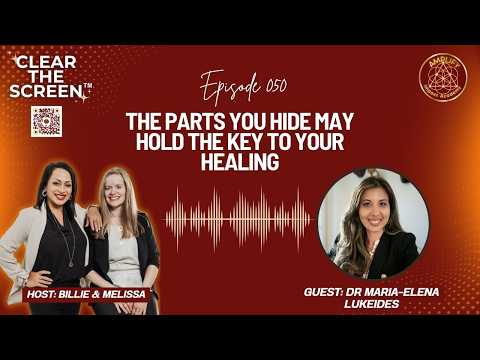 The Parts You Hide May Hold the Key to Your Healing
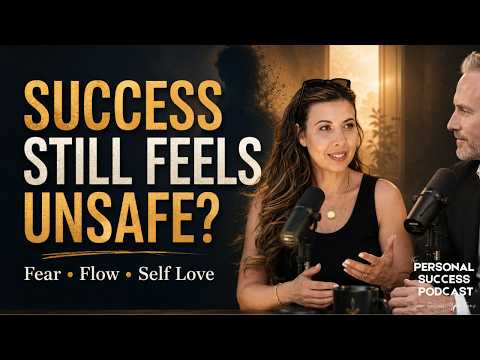 Dr. Lukeides Video Podcast || Success Still Feels Unsafe || The Personal Success Podcast
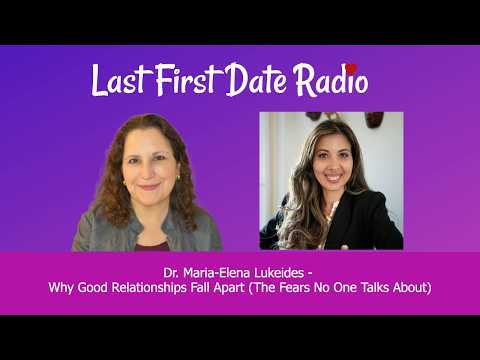 The 3 Fears That Sabotage Our Relationships
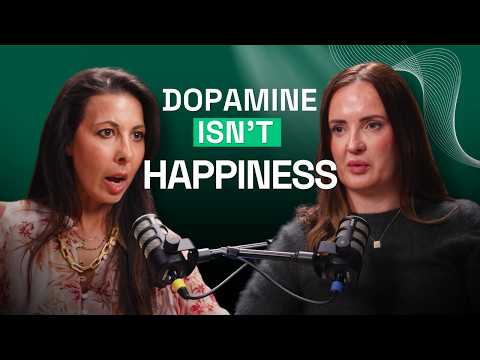 You can't think your way out of a problem
 Deeper Connection: An Algorithmic Illusion of Intimacy?
Book Dr. Maria-Elena Lukeides for your show
5+ podcast & stage appearances. Remote or in studio, broadcast-grade audio.