How To Release Trauma Without Reliving It (Deep Dive) with TRE Trainer Richmond Heath
Richmond Heath · 8 July 2025
About Richmond Heath

Somatic Stress Recovery Educator & TRE Australia Founder
2010 Introduced TRE to Australia5,000+ People taught to use TRE10,000+ World-first online course enrolmentsFounder TRE Australia
Richmond Heath is a pioneer in somatic stress recovery and the founder of TRE Australia, where he has spent over a decade teaching people how to access the body’s innate ability to release stress through a natural, often-overlooked reflex: shaking. His work with Tension and Trauma Releasing Exercises (TRE) offers a paradigm-shifting approach to wellbeing—one that helps calm the nervous system, ease chronic tension, and support emotional balance without the need for mental effort, storytelling, or structured routines. TRE is now used by individuals, athletes, and wellness professionals seeking practical, body-led tools for resilience and recovery.
His journey began in physiotherapy and mental health, but took an unexpected turn during a silent meditation retreat when his body began to move spontaneously, easing pain he had carried for years. Experiencing how involuntary movement could unlock healing beyond what talk therapy or cognitive strategies offered led him to explore the deeper purpose of this reflex. When Richmond later encountered TRE, he found a framework that not only grounded his experience in modern science, but also celebrated the way many traditional cultures have long embraced spontaneous movement as a path to resilience and wellbeing.
Richmond’s understanding of the pressures people face isn’t theoretical.
More from Richmond
 PTSD is a Verb - Why Muscles, Memory & Movement are Missing Pillars in PTSD Prevention
 How TRE bypasses the 5 most common barriers to Self-Care
 TRE & Neurogenic Movement in Healing Trauma & Pain with Richmond Heath
 My Vision for a Better World through TRE
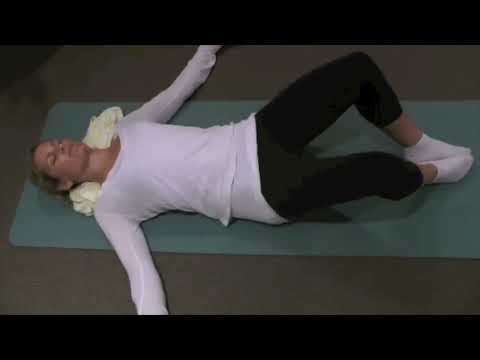 World's First Online TRE Course - Shaking Off Stress, Tension & Trauma
Book Richmond Heath for your show
6+ podcast & stage appearances. Remote or in studio, broadcast-grade audio.