
Sample Podcast Questions for Theodore Hicks
- 1
You began your career just before the dot-com crash. How did entering the profession during such a turbulent period shape the way you think about investing today?
- 2
Was there a particular moment during the global financial crisis when you realised that following conventional financial guidance was not giving clients the protection you expected?
- 3
What did it take to question ideas you had been taught by respected firms, academics and established figures within your own industry?
- 4
Why do you believe a strong financial plan can still fail if the investment strategy behind it is not designed for difficult markets?
- 5
What do you think traditional portfolio theory gets wrong about risk, diversification and an investor’s ability to recover from a major loss?
- 6
What inspired you to turn your professional experiences and private convictions into a book?
- 7
Who did you have in mind while writing the book, and what do you hope both investors and the next generation of financial professionals take from it?
- 8
How has becoming an author changed your career, from receiving unexpected calls from readers to earning podcast and speaking opportunities?
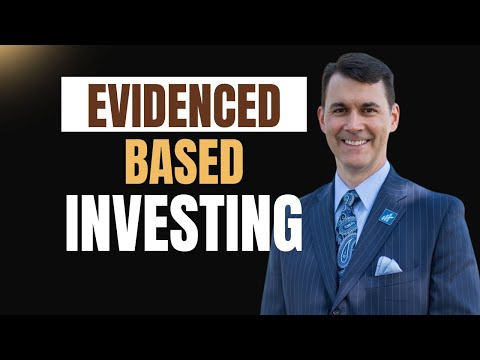
Key topics
Starting My Career in a Market That Kept Proving the Textbooks Wrong
Theodore began his career determined to become a financial planner rather than a stock picker, only to enter the profession as markets delivered three consecutive years of losses during the dot-com crash. When the global financial crisis followed several years later, he discovered that faithfully applying conventional industry guidance still did not protect investors from severe portfolio damage. That experience forced him to question the theories he had been taught and begin searching for an approach that responded to real market evidence rather than assuming diversification would eventually solve every problem. This conversation gives investors and financial professionals an honest look at how difficult market periods can reshape a career, challenge accepted wisdom and lead to a more defensive way of thinking about wealth.
Protecting wealth requires guardrails before growth
The financial industry often celebrates the highest returns, but for people in their fifties, sixties and beyond, avoiding a devastating loss may matter more than capturing every market gain. Theodore’s approach begins with protecting the wealth a client has already spent decades accumulating before deciding how aggressively it should grow. He describes this as “guardrails and growth”, a priority shaped by seeing traditional strategies fail during major market shocks. Listeners gain a practical framework for judging investment decisions by whether they protect the life the money must support, not simply whether they outperform in a good year.
Why integrity sometimes means refusing to follow the crowd
Theodore’s work is grounded in a willingness to question teachers, institutions and even his own conclusions when the evidence points elsewhere. Rather than asking clients to trust an expert unquestioningly, he encourages them to test the assumptions behind the advice they receive and decide whether it still makes sense in today’s interconnected markets. That same value shapes how he manages money: protecting a client’s future takes priority over chasing fashionable investments or delivering the most impressive short-term return. It is a conversation about conscience, intellectual honesty and why following the evidence can require a financial professional to stand apart from conventional wisdom.
View all topics →
Key topics
Starting My Career in a Market That Kept Proving the Textbooks Wrong
Theodore began his career determined to become a financial planner rather than a stock picker, only to enter the profession as markets delivered three consecutive years of losses during the dot-com crash. When the global financial crisis followed several years later, he discovered that faithfully applying conventional industry guidance still did not protect investors from severe portfolio damage. That experience forced him to question the theories he had been taught and begin searching for an approach that responded to real market evidence rather than assuming diversification would eventually solve every problem. This conversation gives investors and financial professionals an honest look at how difficult market periods can reshape a career, challenge accepted wisdom and lead to a more defensive way of thinking about wealth.
Protecting wealth requires guardrails before growth
The financial industry often celebrates the highest returns, but for people in their fifties, sixties and beyond, avoiding a devastating loss may matter more than capturing every market gain. Theodore’s approach begins with protecting the wealth a client has already spent decades accumulating before deciding how aggressively it should grow. He describes this as “guardrails and growth”, a priority shaped by seeing traditional strategies fail during major market shocks. Listeners gain a practical framework for judging investment decisions by whether they protect the life the money must support, not simply whether they outperform in a good year.
Why integrity sometimes means refusing to follow the crowd
Theodore’s work is grounded in a willingness to question teachers, institutions and even his own conclusions when the evidence points elsewhere. Rather than asking clients to trust an expert unquestioningly, he encourages them to test the assumptions behind the advice they receive and decide whether it still makes sense in today’s interconnected markets. That same value shapes how he manages money: protecting a client’s future takes priority over chasing fashionable investments or delivering the most impressive short-term return. It is a conversation about conscience, intellectual honesty and why following the evidence can require a financial professional to stand apart from conventional wisdom.
View all topics →