
Philip Grindell Key Topics
Intersection of Psychology and Security
Drawing from his background in behavioral science, Philip can explore how psychological factors influence security measures and threat assessment. He can discuss the role of situational awareness, behavior modification techniques, and the importance of understanding human behavior in developing robust security protocols.
Protecting Wealth and Reputation
Philip can discuss the unique security challenges faced by high-net-worth individuals, focusing on protecting both their wealth and reputation. He can explore the intersection of personal safety and financial security, highlighting the importance of comprehensive risk management strategies tailored to the specific needs of affluent individuals. By addressing topics such as privacy protection, threat assessment, and reputation management, Philip can offer valuable insights for listeners looking to safeguard their assets and maintain a positive public image.
Enhancing Workplace Culture Through Proactive Threat Management
Philip can discuss how organizations can improve workplace culture by proactively managing both physical and psychological threats. By implementing comprehensive threat assessments and fostering a culture of vigilance, companies can create a safer, more inclusive environment. He can share insights on the importance of situational awareness training, recognizing early signs of harassment or bullying, and the role of leadership in maintaining a secure and supportive workplace.
Navigating Reputational Risks in the Digital Age
Philip can lead a discussion on the pervasive nature of reputational risks in today's digital landscape and the importance of proactive strategies for mitigating potential harm. By providing actionable advice and real-world case studies, Philip can equip company leaders with the tools and knowledge they need to protect their organizations from reputational harm and maintain a strong brand reputation in the digital age.
Addressing Bullying, Misogyny, and Unsafe Behaviours: Reputational Risks and Corporate Responsibility
Philip can discuss the critical importance of addressing bullying, misogyny, and other unsafe behaviors in the workplace, emphasizing the significant reputational risks these issues pose to companies. Philip can offer practical advice on how organizations detect and prevent these behaviors. By taking a proactive stance on these issues, companies can protect their reputation, foster a healthier work environment, and demonstrate their commitment to corporate responsibility.
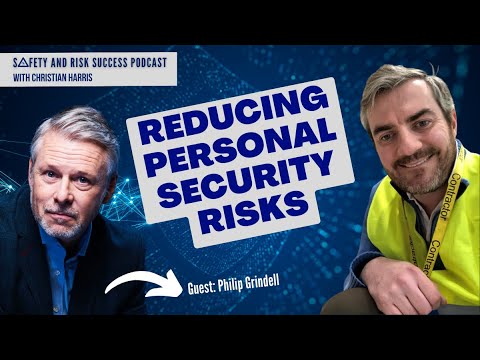
Latest episodes


Key topics
Intersection of Psychology and Security
Drawing from his background in behavioral science, Philip can explore how psychological factors influence security measures and threat assessment. He can discuss the role of situational awareness, behavior modification techniques, and the importance of understanding human behavior in developing robust security protocols.
Protecting Wealth and Reputation
Philip can discuss the unique security challenges faced by high-net-worth individuals, focusing on protecting both their wealth and reputation. He can explore the intersection of personal safety and financial security, highlighting the importance of comprehensive risk management strategies tailored to the specific needs of affluent individuals. By addressing topics such as privacy protection, threat assessment, and reputation management, Philip can offer valuable insights for listeners looking to safeguard their assets and maintain a positive public image.
Enhancing Workplace Culture Through Proactive Threat Management
Philip can discuss how organizations can improve workplace culture by proactively managing both physical and psychological threats. By implementing comprehensive threat assessments and fostering a culture of vigilance, companies can create a safer, more inclusive environment. He can share insights on the importance of situational awareness training, recognizing early signs of harassment or bullying, and the role of leadership in maintaining a secure and supportive workplace.
View all topics →
Latest episodes
Key topics
Intersection of Psychology and Security
Drawing from his background in behavioral science, Philip can explore how psychological factors influence security measures and threat assessment. He can discuss the role of situational awareness, behavior modification techniques, and the importance of understanding human behavior in developing robust security protocols.
Protecting Wealth and Reputation
Philip can discuss the unique security challenges faced by high-net-worth individuals, focusing on protecting both their wealth and reputation. He can explore the intersection of personal safety and financial security, highlighting the importance of comprehensive risk management strategies tailored to the specific needs of affluent individuals. By addressing topics such as privacy protection, threat assessment, and reputation management, Philip can offer valuable insights for listeners looking to safeguard their assets and maintain a positive public image.
Enhancing Workplace Culture Through Proactive Threat Management
Philip can discuss how organizations can improve workplace culture by proactively managing both physical and psychological threats. By implementing comprehensive threat assessments and fostering a culture of vigilance, companies can create a safer, more inclusive environment. He can share insights on the importance of situational awareness training, recognizing early signs of harassment or bullying, and the role of leadership in maintaining a secure and supportive workplace.
View all topics →